Why Do Cats Pee on the Couch? 5 Vet-Verified Reasons & Solutions

In this article
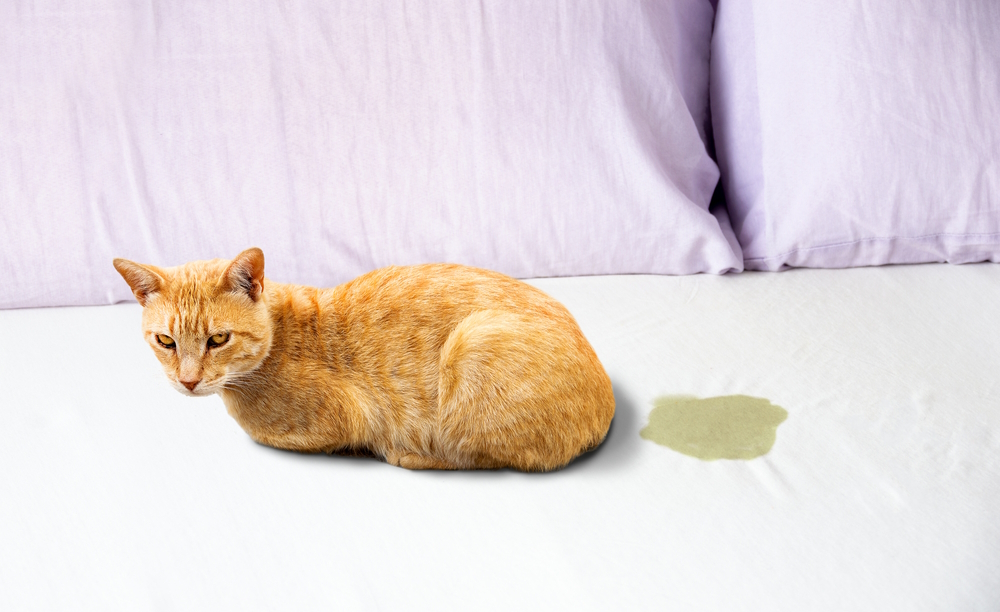
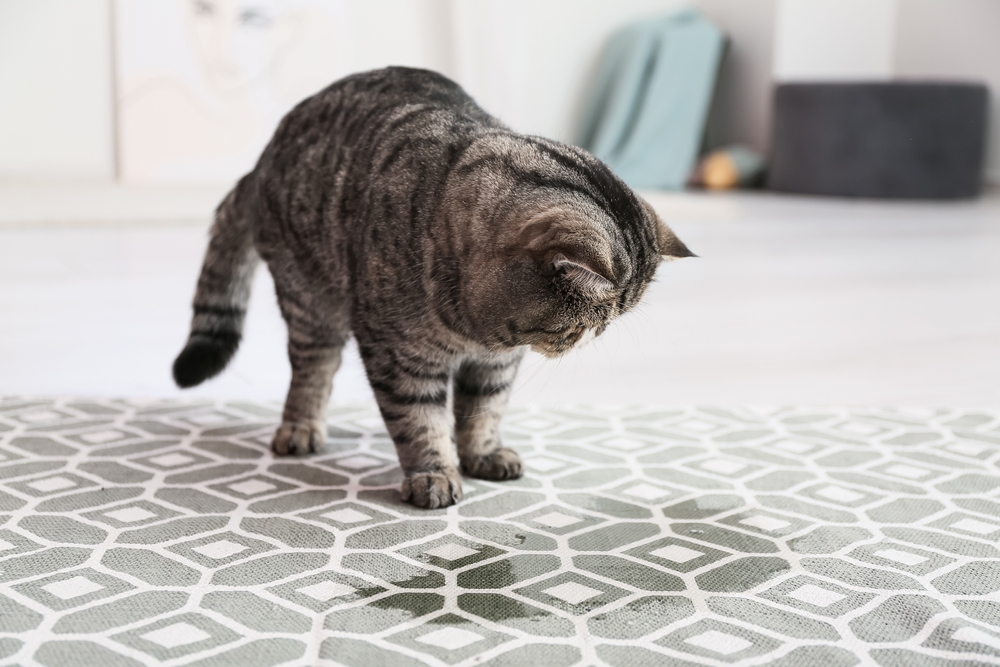
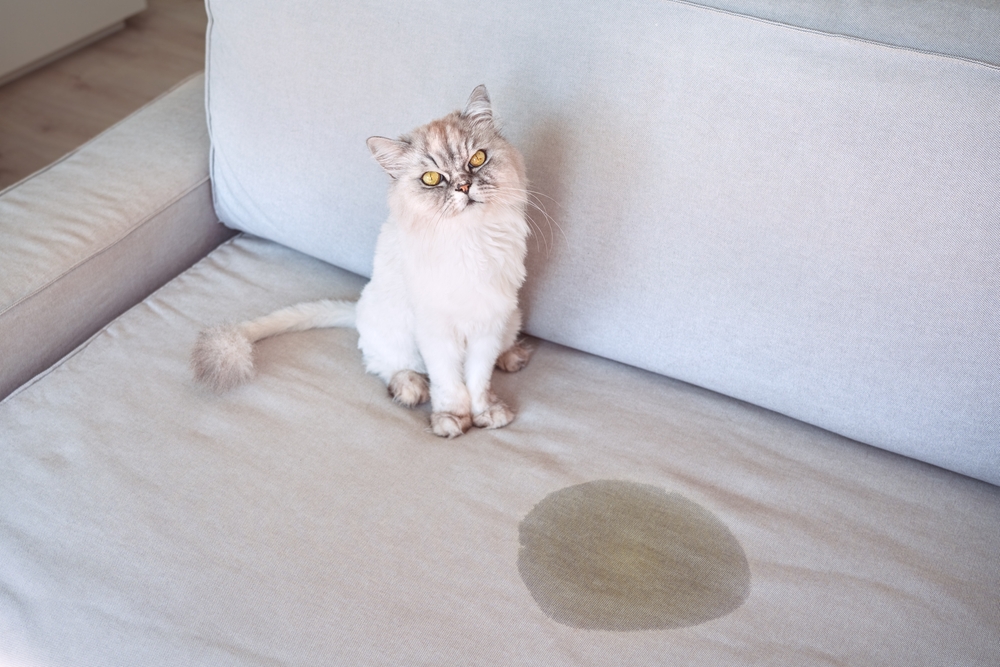
Cats naturally take to litter boxes very well, so it’s alarming when they stop using the litter box and suddenly your cat keeps peeing on the couch. Improper urination on furniture is sadly quite common, and it doesn’t help matters that it can be a very complex situation.
Certain illnesses can cause cats to start peeing on furniture, as can stress, or just a plain old dislike for their litter box. It could even be a mix of these things. If your cat keeps peeing on the couch, it can be frustrating. To help you get to the bottom of the matter and save your furniture, check out some of the most common reasons for a cat peeing on couches down below and what you can do about it.

Effectively Cleaning Pet Messes
The first part of cat mess prevention is ensuring you are taking the time to properly clean any accidents so they don't return to the same spot - and that starts with investing in the right products! Of course, you'll want to opt for something safe first and foremost, to protect your feline's health, but secondly, you'll need a solution powerful enough to lift the toughest, stinkiest, most set-in stains. An enzyme cleaner is a great go-to option to do just that.
Our Favorite Enzyme Cleaner
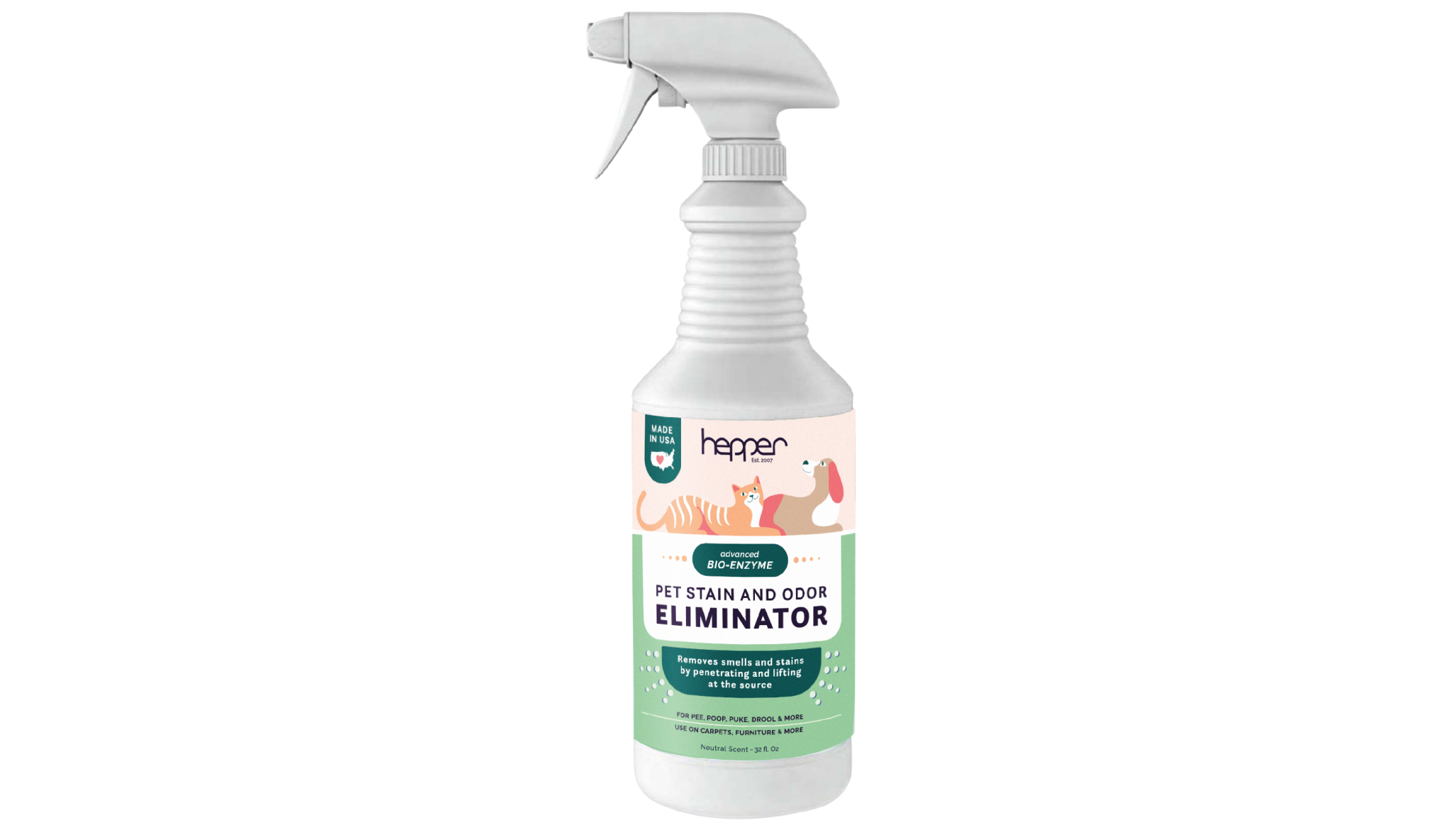
The Hepper Advanced Bio-Enzyme Pet Stain & Odor Eliminator Spray is our favorite all-purpose enzyme cleaner. It kills harmful bacteria and permanently removes even the worst kitty stains and smells, leaving your home fresh and clean! Click here to learn more about this amazing product and get yourself a bottle.
| Rating | Image | Product | Details | |
|---|---|---|---|---|
Best Enzyme Spray
 |
|
Hepper Advanced Bio-Enzyme Pet Stain & Odor Eliminator Spray |
|
Check Price |
At Catster, we’ve admired Hepper for many years and decided to take a controlling ownership interest so that we could benefit from the outstanding products of this cool cat company!
The 6 Common Reasons Cats Pee on Furniture
Why do cats pee on the couch? A cat peeing on furniture can be from a variety of reasons. Before we dive into the most common ones, please note that any change in your cat’s behavior should be concerning, and we strongly urge you to contact your vet as soon as possible to get them checked out.
1. Medical Issues

Many feline health conditions can cause improper urination by impeding your cat’s bladder control or causing discomfort or pain. Even more minor ailments that change your cat’s behavior can affect where and when they go to the litter box, so making prompt diagnosis imperative. Before you call your vet, let’s review some of the most common medical problems that can cause your cat to pee on your furniture.
- Urinary tract infection (UTI): Infection causing urinary tract inflammation can cause painful urination, frequent urination, straining to urinate, and longer-than-usual litter box trips.
- Crystalluria: A painful urinary condition where crystals form in the urine, often caused by a perfect storm of genetics, diet, and dehydration.
- Bladder stones: Stones in the bladder or urinary tract can cause intense sudden urges to urinate, cause painful urination, and block the urinary tract in severe cases, necessitating surgical removal. These stones form over time from the same material as urinary crystals.
- Idiopathic cystitis: This painful bladder condition is often accompanied by blood in the urine, but without urine crystals or bacteria. The exact cause remains elusive to this day, but is most likely associated with stress; either behavioral or physiological.
- Metabolic disease: Liver and kidney disease can cause changes in urination and how much your cat drinks, as can diabetes.
- Incontinence: Although not as common in cats as it is in dogs, incontinence can occur in cats. It is usually associated with infection or cystitis, but can also be the result of nerve damage from trauma. The hallmark of this is dribbling urine and leaving puddles where they sit and lie.
2. They Dislike the Type of Cat Litter You Use
It’s an inexplicable fact of life that your cat won’t always approve of what you do, even if you have their best interests at heart. If they don’t like the texture, smell, or some other inscrutable characteristics of the particular cat litter you choose, they may simply choose to ignore it and go elsewhere. It’s not revenge or protest—they just don’t like it, and you can’t make them use it. Choosing a different type of cat litter—maybe one that’s softer on their paws or has no scent—will likely clear this up in a jiff. If this happened after you recently made a change in litter, then you might want to consider going back to their old brand and see if that keeps your cat from peeing on the couch.
3. Territorial Instinct

Territorial marking is most common in intact male cats, but both males and females can mark, especially if they live near other cats. Cats have scent glands in many parts of the body, like their face, paws, and butt, and marking areas with urine is one method of how they “claim” an area as their territory. If your cat keeps peeing on the couch it could be a territorial reaction to new pets, children, or moving to a new home.
A cat that continually pees on your spot on the couch may, in their own way, be paying you a compliment by telling everyone else that you are their human, and no one else’s! It may not be the type of compliment you’d like to receive, but it’s good to know that if the inappropriate urination seems to be targeting you, it’s not a sign of dislike; quite the opposite. Petting, feeding and giving affection to the offending cat first is one way to show them, and any other pets, that you recognize their claim to you, making them less likely to feel the need to announce it in less pleasant ways.
4. Stress
Stress or anxiety from a new environment, family member, pet, diet change, move to a new home, or nearly any unexpected change can trigger urination changes like peeing on your furniture. Even putting their litter box in a new place can be a trigger, as the location might be too bright or noisy for their liking. Ultimately, it’s up to you to identify signs of stress or anxiety in your cat so you can pinpoint the precise stressor and eliminate it. As we mentioned before, stress is believed to be a major cause of idiopathic cystitis, so do not underestimate the effect that change can have on your cat’s urinary health.
5. You Have Multiple Cats

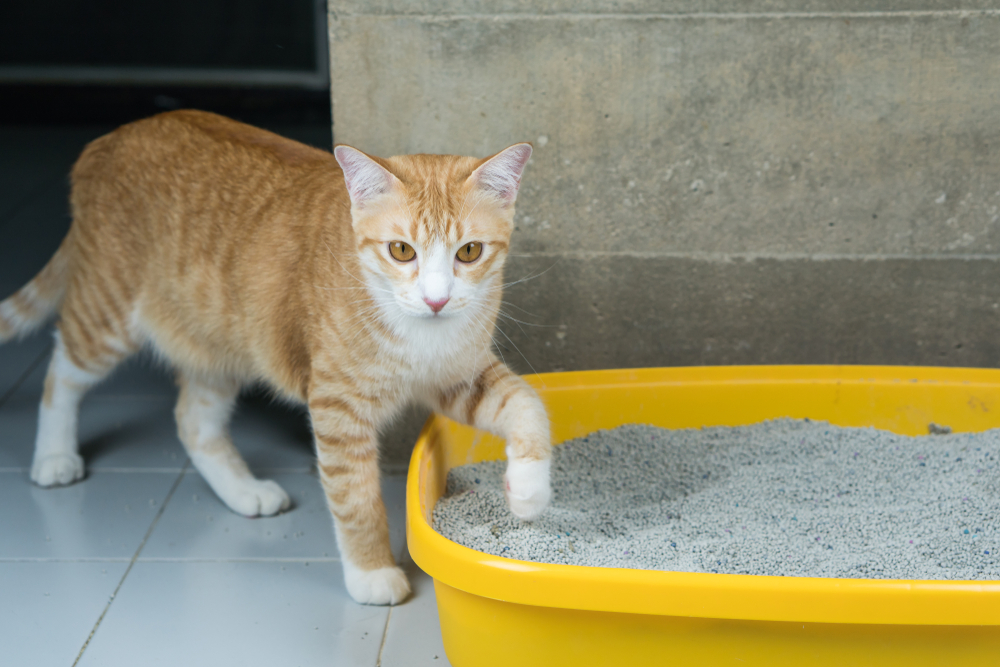
If you have more than one cat, it’s possible that one cat is preventing the other from getting to the litter box, ultimately causing improper elimination. More skittish cats might simply refuse to go near an area where a more intimidating cat has marked it as theirs, such as the litter box. To put a stop to this toilet tyranny, we recommend having one more litter box than you have cats. Every cat will have their own private litter box, plus an extra, and hopefully, the behavior should cease.
6. The Litter Box Is Poorly Located or Dirty
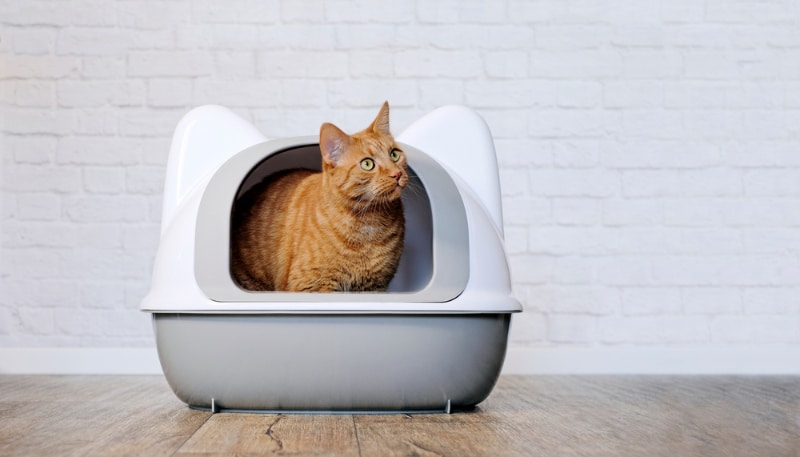
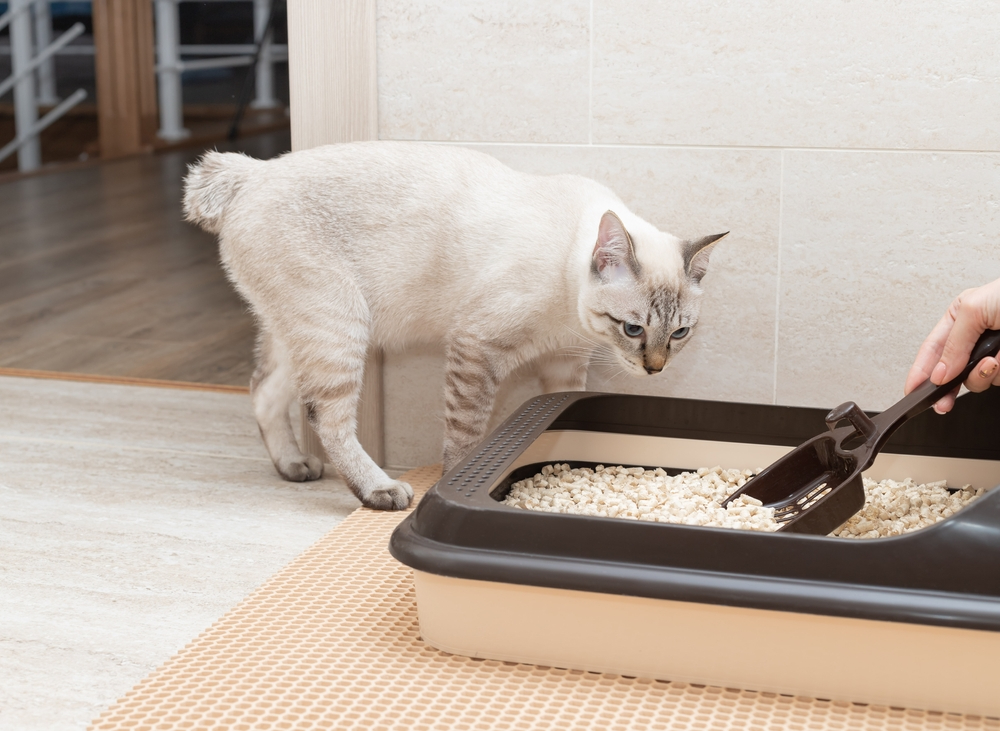
Cats have strong opinions about where their litter box is, and may refuse to use it if it’s too hard to access, too dark, too bright, not private enough, or too noisy. Ideally, their litter box should be easily accessible, quiet, clean, and preferably open to disperse foul litter smells. If you use a covered box, try an uncovered box. You don’t like going to porta-potties to do your business, do you? It’s the same concept.
If you’re at your wits’ end and can’t identify a medical reason for your cat’s sudden urination, it could be that they don’t like where the litter box is. Try relocating it to another part of the house and see if they return to it. Placing an extra litter box somewhere in the house may also help. If not, it may be time to try a new litter or type of box altogether.
If you don’t scoop or clean the litter box often enough, try that first before making any drastic changes. Use an enzyme spray designed for cleaning pet odors.
Want to learn more about enzyme sprays? Review our top rated pet-friendly products and how they can benefit you here.

- ADVANCED ENZYMATIC CLEANER - Penetrates the most stubborn smells and stains at the deepest molecular levels to dissolve any pet mess you encounter and lift it away at the source.
- FOR ANY MESS, ON ANY SURFACE - This pet odor eliminator cleans your carpets, floors, furniture, fabrics, and more. Whether it's urine, feces, vomit, or drool, you can erase all foul spots and smells!
- FRESH, NATURAL ODOR - Our unique formulation doesn't rely on dangerous or unpleasant chemical fragrances to get the job done. We eradicate smells and stains, not just cover them up.
At Catster, we’ve admired Hepper for many years and decided to take a controlling ownership interest so that we could benefit from the outstanding products of this cool cat company!

Wrapping Up
Cats can feel compelled to pee on the furniture for any number of reasons, from painful medical conditions like a UTI, to stress, competition, or simple preference. It’s crucial that you first rule out diseases and metabolic conditions with a visit to the vet, where they can also help pinpoint the cause of your cat’s improper urination. You don’t want to start addressing the problem as a behavioral one when it turns out to be an infection. Once a medical issue has been ruled out, you can start to assess the litter box situation and what changes you may need to make to get your cat peeing where they are supposed to.
See Also:
Sources
Featured Image Credit: Creative Cat Studio, Shutterstock

Expert cat care, straight to your inbox
Vet-reviewed advice, behavior tips, and the best of Catster. Free, and you can unsubscribe anytime.
By signing up, you agree to our Terms & Conditions and Privacy & Cookies Policy.
Codee Chessher is a freelance writer with extensive knowledge on a variety of subjects that include travel, DIY, pets, and more. He has a colorful past but the written word was always his first love. He believes there's nothing a well-worded sentence can't accomplish!
When not writing, Codee enjoys reading fantasy novels, tackling DIY projects around the house, and memorizing useless pop culture trivia. He has lived in many places around the US, and most recently resides in northern Mexico.
Join the conversation
Ask a question, share your story, or send private feedback.