How to Stop Cats From Peeing on Furniture: 8 Vet-Verified Reasons & Tips

In this article
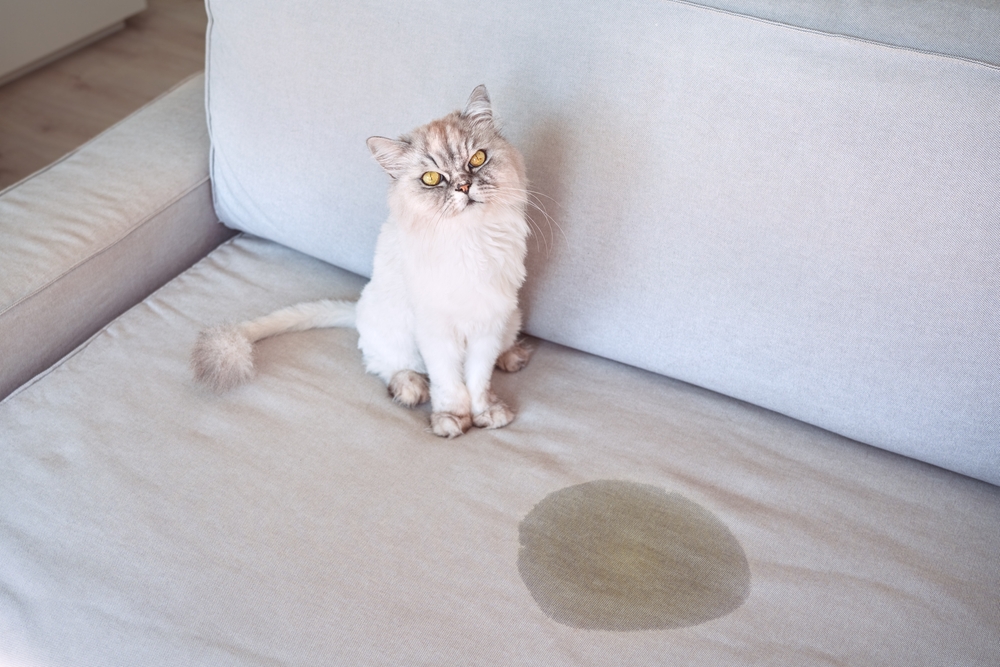
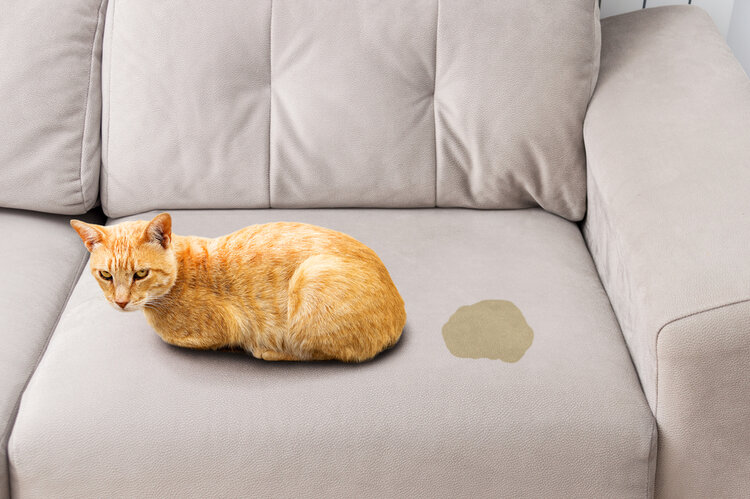
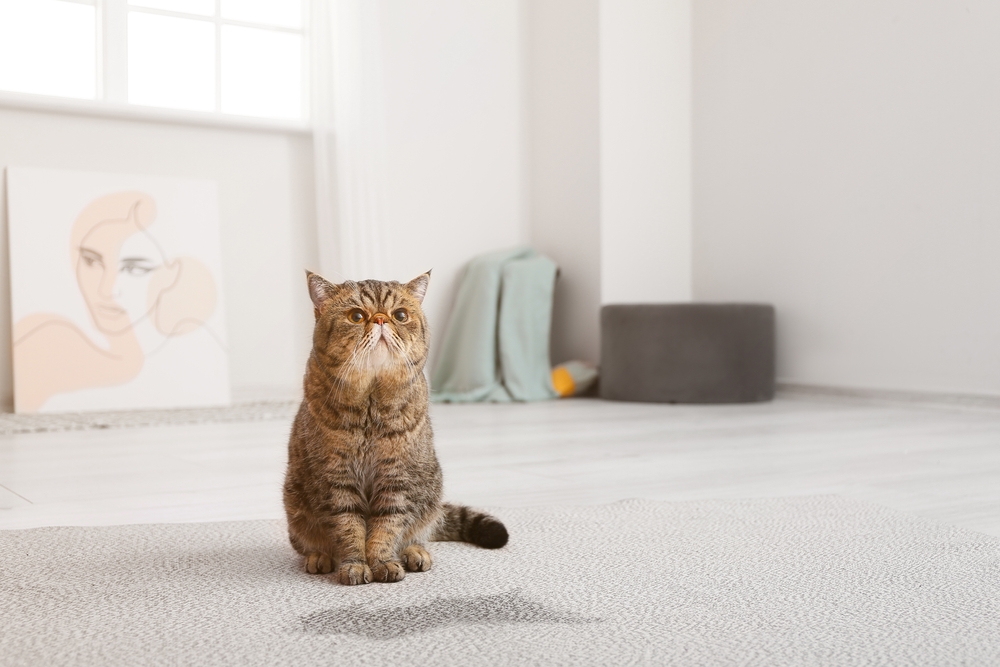
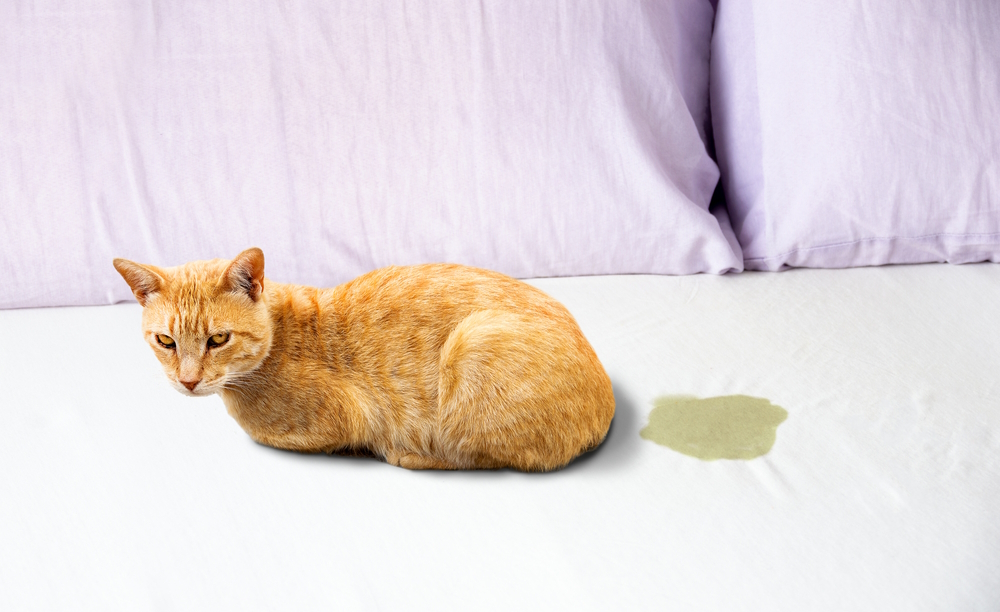
We love our cats for many reasons, including, but not limited to, some of their quirkiness. Unfortunately, sometimes their quirks include unwanted behaviors like peeing on everything outside of their litter box. Why do our beloved cats partake in such odd and annoying behavior?
There are several reasons why your cat is peeing on the couch, which should be addressed immediately—it could be a medical problem, or your cat might be suffering from stress. So, please read on, and we’ll discuss why they do this and how to keep cats from peeing on furniture.

Cleaning Cat Pee and Removing Urine Odor From Furniture
Some cats will keep returning to the same spot when they can still smell it. Using the right cleaning product, like an enzyme-based cleaner will eliminate the strong odor of urine to avoid your cat going back to the same spot. Clean your furniture by blotting up as much urine as possible and then liberally spraying the enzymatic cleanser. Let it soak in for about 10 or 15 minutes, then blot up the cleanser and let dry.
Our Favorite Enzyme Cleaner
The Hepper Advanced Bio-Enzyme Pet Stain & Odor Eliminator Spray is our favorite enzyme cleaner out there. It permanently removes even the very worst kitty stains and smells, leaving your home fresh and clean! Click here to learn more about this amazing product and get yourself a bottle.

At Catster, we’ve admired Hepper for many years and decided to take a controlling ownership interest so that we could benefit from the outstanding products of this cool cat company!

The 8 Reasons Why Your Cat Keeps Peeing on Furniture
1. Cat Medical Problem
If there were no issues with using the litter box before and suddenly your cat started peeing on the couch (or anywhere else outside of their litter box), you should start by taking them to the vet to rule out any medical conditions.
Some of the medical issues that might stop your cat from using their litter box include conditions that affect a cat’s attempts to urinate, such as bladder stones, urinary tract infections, or even arthritis. These conditions make urinating painful, and your cat may have developed an association between pain and their litter box and has chosen to pee outside of their box.
Other conditions that could be medical in nature are diabetes, kidney disease, and liver disease, which all lead to an increase in urination. If your cat is older (11 or more years) and you notice that they are showing distress while attempting to urinate, consult your veterinarian as soon as possible.
2. Cat Stress Due to Changes
Maybe you’ve introduced a new pet or baby into your household, perhaps you’ve moved, or a loved one has moved out. These are all significant changes that will have an impact on your cat. Cats prefer that everything stays the same—they are creatures of habit. So, if something has changed (even for the better), your cat might be feeling tremendously anxious and stressed, which can lead to inappropriate urination.
You can speak to your vet about the options of anti-anxiety remedies for your cat to help them through a difficult time, particularly before the event occurs.

3. Cat Litter Box Could Be a Problem
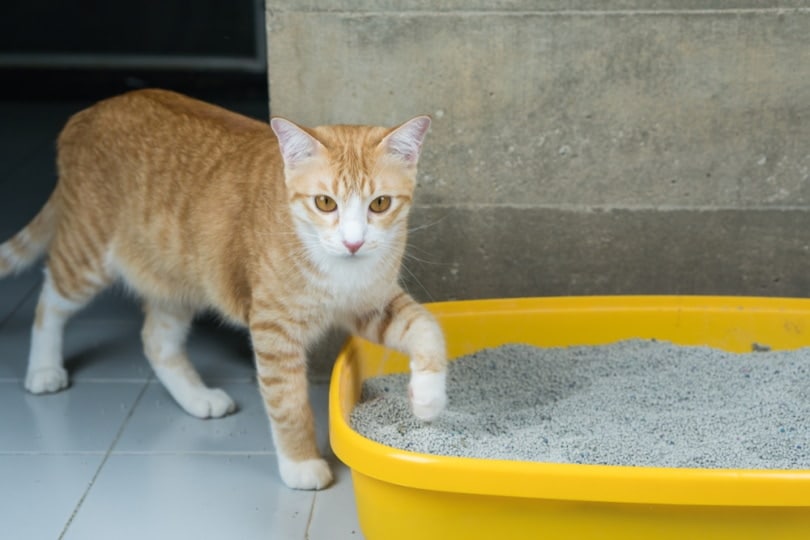
It might also be an issue with your litter box or the litter itself. Most cats don’t like litter boxes with a cover or liners, or perhaps the box isn’t large enough (it should be 1.5 times larger than your cat).
Sometimes it’s the litter that’s the problem. Most cats prefer a fine or medium clumping litter that’s easiest on the paws and unscented. To find out if that's the case, set up several temporary litter boxes with different kinds of litter. Your cat can choose their favorite litter, and then you’re free to remove the extra boxes.
You should also be sure to clean the litter box frequently. You must scoop it once a day and give it a deeper clean once a week. Cats have very sensitive noses, so they might be put off by scented litter or a litter box that isn’t clean, and they’ll opt to eliminate elsewhere.
4. Location of Cat Litter Box
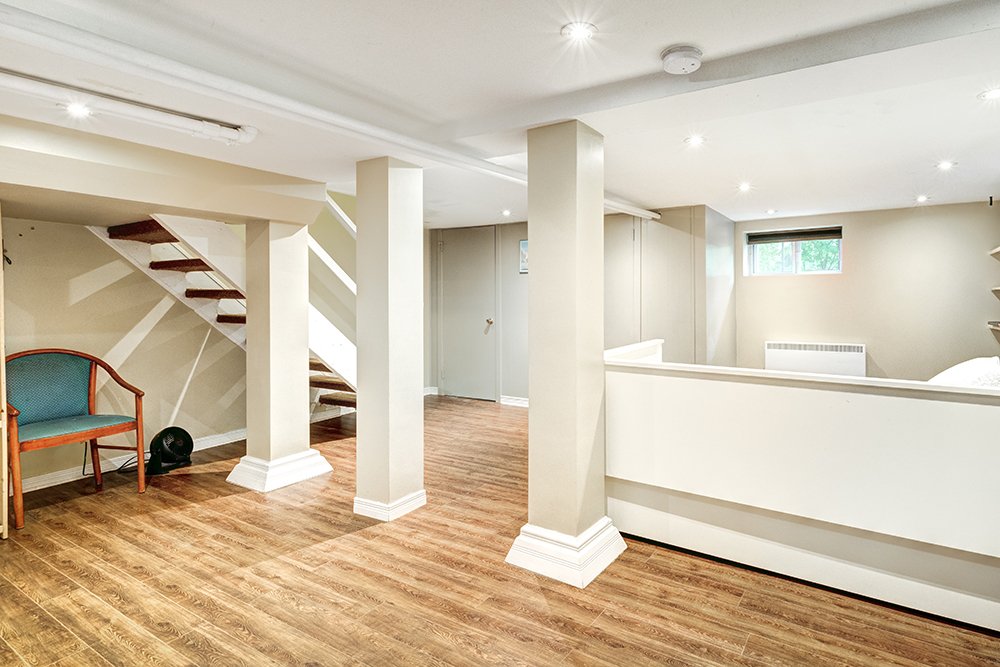
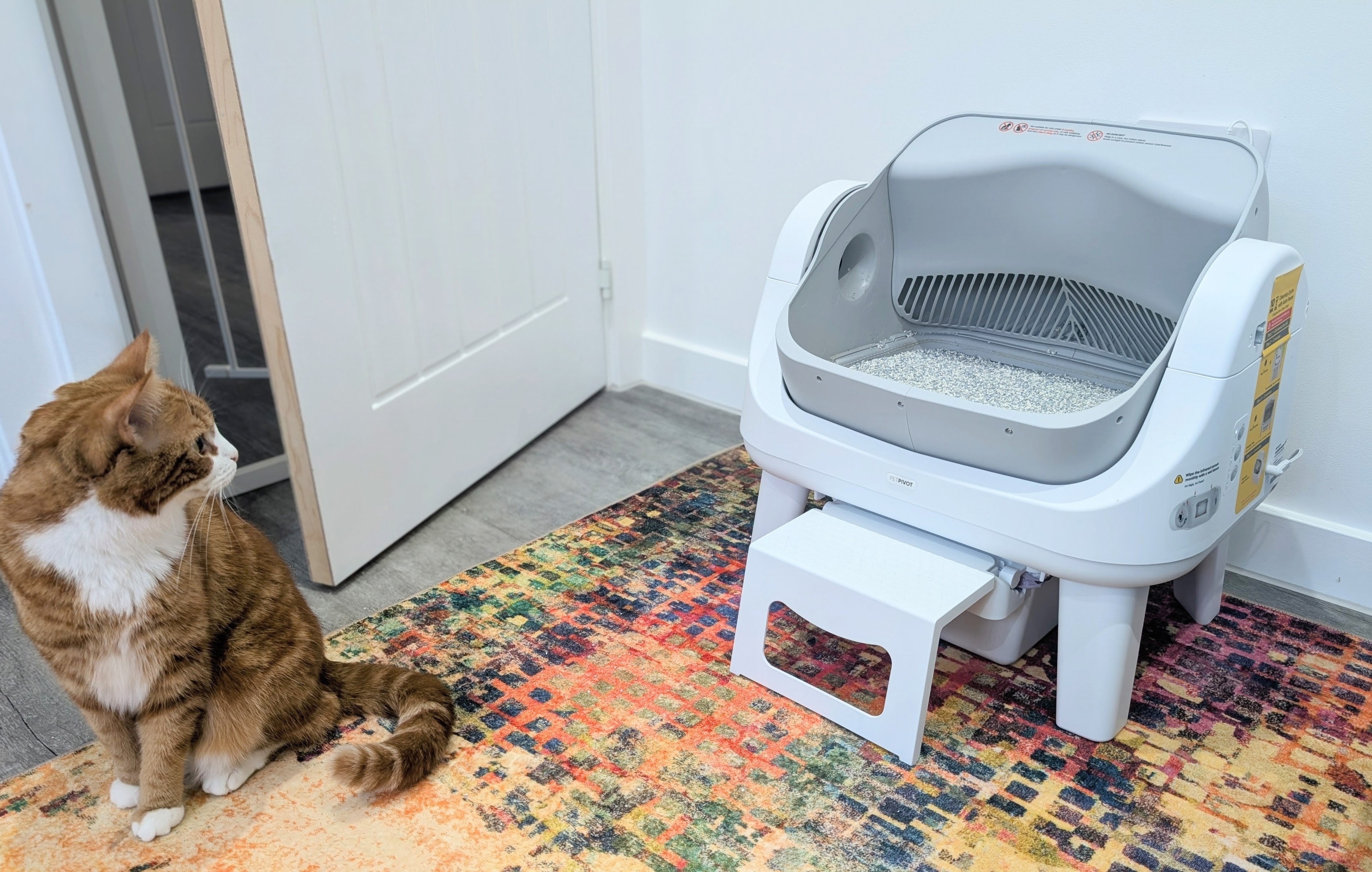
If the litter box is in a place that might cause stress, your cat may start peeing on the couch instead. If it’s in a busy or loud area near the front door or next to the washing machine, or it’s not easy to access (such as in the basement), they might not want to go near it. Having the litter box on the main floor and in a private and quiet location is recommended.

5. Cat Litter Box Accessibility Problems
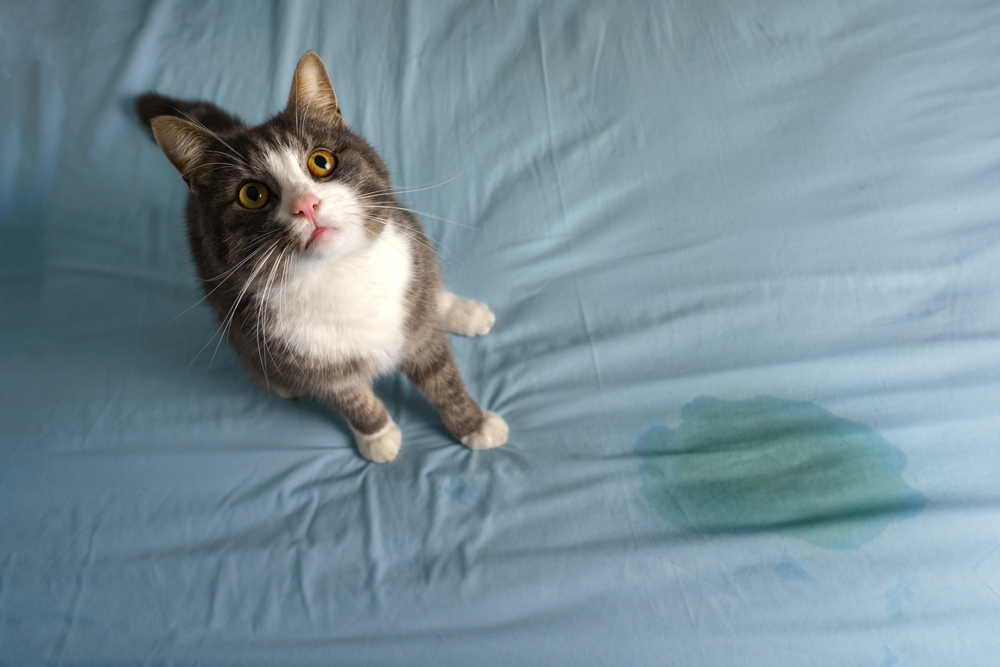
If you have a small kitten, a senior cat, or any cat with mobility issues, getting into the litter box could be a barrier. You must ensure that the sides of the litter box aren’t too high, or your cat might decide that it’s easier to pee on your couch or bed.
6. Multiple-Cat Household
If you have more than one cat in your house, you need to have enough litter boxes for them all. It is highly recommended that there should be one litter box for each cat plus an extra one (three cats mean four litter boxes). Conflict will more than likely occur if there aren’t enough boxes, and there are occasions when one cat might stop your other cat(s) from entering their litter box, which will create a highly stressful situation.

7. Cats Marking Territory
Some cats (both male and female) are known to use squatting and spraying urine to mark their territory. This can happen if you’ve introduced a new pet into your home. This can also happen if your cat hasn’t been spayed or neutered yet and mating behavior instincts are kicking in. If you get your cat spayed or neutered while still young, the marking behavior will stop.
8. New Cat
If your cat has been newly adopted, they will need time to adjust to their new home and life. This stress of an unfamiliar environment can result in your new cat peeing in other inappropriate areas until they settle in.


How to Stop Cats from Peeing on Furniture?
How you fix the problem will depend entirely on why your cat is peeing outside of their litter box in the first place. Read on below for some expert advice and home remedies to stop cats from peeing on furniture.
1. If Your Cat Has Medical Problems
As discussed, if you’re unsure why your cat is suddenly not using their litter box (and you can rule out most of the above issues), you should take them to your veterinarian. Your vet can help determine if the problem has resulted from a medical condition or if it’s stemming from something else, such as anxiety, and can give you some suggestions on fixing the problem.
- You can put your cat’s litter box in a separate spot and be sure to put it in a quiet place that makes them feel safe.
- If they still avoid the litter box, try putting several different litter boxes in other areas, which should give your cat some options.
- Try placing some treats and cat toys close to the litter box and playing with them next to it. Avoid putting your cat’s food close to the litter box since cats do not want to urinate or defecate near their food.
- Use the new litter your cat has chosen in the litter box and fill it 1-2 inches deep.
If you feel you’ve tried everything and your cat is still not using their litter box, you should consider speaking to an animal behaviorist.
2. If Your Cat Has Stress Problems

Several issues can cause your cat to experience the kind of anxiety and stress that will lead them to urinate outside of their litter box.
The following are some ideas that tackle a variety of issues that can be stress-related:
- Ensure the litter box is kept clean. As previously mentioned, you should scoop the litter about once or twice a day and wash the box with soap and water, and refill it with fresh litter once a week.
- Avoid litter that is corn-based, in crystal form, or scented. Most cats don’t like the feel of these kinds of litter on their paws and prefer unscented.
- Remove any covers or liners from the litter box and ensure the box is easy to get into for kittens or senior cats.
- A stress-free location is paramount. Just like we enjoy a quiet and private place to do our business, so do cats.
- Provide your cat with lots of places to relax that are high up. Cats feel safest when they have high places to perch, so they are higher than other animals and people.
- You can use a calming supplement approved by your veterinarian.
3. Home Remedies to Stop Cats From Peeing on Furniture
There are a couple of home remedies that can help your cat to stop peeing on your furniture.
- Citrus Scents: Apply a homemade spray to areas your cat is targeting by mixing water with citrus (like lemon or orange). Be careful not to use essential oils from citrus as they are toxic to cats. This is a natural deterrent, safe for most homes, which will help keep your cat away from unwanted spots.
- Catnip and Pheromones: Pheromone products for cats, like Feliway, help your cat relax, which can reduce marking behavior. Sprinkling catnip near the litter box can also encourage your cat to spend more time there.
- Clean Thoroughly With Enzymatic Cleaners: It’s important to remove the smell of previous accidents so cats won’t return to the same spot. Enzymatic cleaners effectively break down strong odors like cat urine.
- Homemade Repellent Spray: Mix white vinegar and water in equal parts and spray it on unwanted areas. This mixture’s sharp smell will act as a natural repellent. Test it on a small area of your furniture first to ensure it doesn’t damage the material.
- Provide Mental Stimulation: Engaging your cat physically and mentally with toys can reduce stress-related behaviors like inappropriate urination.
4. Last Ditch Effort
If you’ve found the perfect litter and litter box and the best location, and your cat is still peeing on your couch, you will need to make the couch (or carpet, or furniture) less desirable.
- Place tin foil or double-sided tape on the ground where your cat has been urinating. Cats hate having sticky tape on their paws, and the feeling of tin foil will be an equally powerful deterrent.
- Speak to your vet or an animal behaviorist if the behavior doesn’t change and you feel you’ve tried everything. There could be something you’ve missed or a medical issue you might have overlooked.
Don't forget to check out our favorite cleaning spray:

- ADVANCED ENZYMATIC CLEANER - Penetrates the most stubborn smells and stains at the deepest molecular levels to dissolve any pet mess you encounter and lift it away at the source.
- FOR ANY MESS, ON ANY SURFACE - This pet odor eliminator cleans your carpets, floors, furniture, fabrics, and more. Whether it's urine, feces, vomit, or drool, you can erase all foul spots and smells!
- FRESH, NATURAL ODOR - Our unique formulation doesn't rely on dangerous or unpleasant chemical fragrances to get the job done. We eradicate smells and stains, not just cover them up.
At Catster, we’ve admired Hepper for many years and decided to take a controlling ownership interest so that we could benefit from the outstanding products of this cool cat company!

Things to Avoid If Your Cat Keeps Peeing on Furniture
The following tips are what you shouldn’t do if you catch your cat peeing on your couch:
- Don’t use any kind of ammonia-based cleaners to clean up your cat’s urine. Urine smells like ammonia, so it will encourage your cat to continue to pee in the same spot. As mentioned, only use enzyme-based cleaners.
- Do not carry or drag your cat to put them in the litter box, and do not scold them, as they just won’t understand. Never ever rub their nose in their urine since they won’t understand what this means and will only learn to fear you.
- Don’t place your cat in a small enclosure with their litter box for an extended period.

Final Thoughts
There are many reasons why your cat might be choosing to pee on your couch, but you can address the problem in various ways. It’s vital that you first establish that your cat is healthy and that they are not experiencing any stress, so you might need to bring them to your vet first to rule out any medical conditions. Even if your cat may not have any physical ailments, your veterinarian can help you figure out what’s going on with your cat and give you some ideas to help fix the problem.
Spend time playing with your cat and ensure they have plenty of places to escape so they feel safe. Show your cat love and patience while you help them through their issues, and you’ll have a happy cat and a clean couch.
See Also:
Featured Image Credit: cunaplus, Shutterstock

Expert cat care, straight to your inbox
Vet-reviewed advice, behavior tips, and the best of Catster. Free, and you can unsubscribe anytime.
By signing up, you agree to our Terms & Conditions and Privacy & Cookies Policy.
Christian started writing for a local newspaper as a teenager, and he's been involved in the publishing industry for most of his adult life. Combining his love of writing with a passion for animals, he is currently the Director of Editorial at Pangolia and the Editor-in-Chief at Catster.
Christian lives in the Philippines with his wife, son, and four rescue cats: Trixie, Chloe, Sparky, and Chopper.
Join the conversation
Ask a question, share your story, or send private feedback.