Comfort Zone Calming Mousse Review 2026: Our Expert’s Opinion
In this article
Our Final Verdict
We know that cats are masters at masking illness and pain, but did you know they are also extremely talented at hiding their emotions? Feline stress and anxiety are far more common than most of us realize, and quite often, pet parents are completely unaware of their cat’s emotional turmoil until it starts causing physical symptoms.
Inappropriate urination, diarrhea, and overgrooming are just some of the problems that can be triggered by stress, and much of the time, the diagnostic and treatment process is focused on these symptoms, distracting us from the underlying issue. And even once we realize that these physical conditions are being driven by stress and anxiety, it’s not always easy to work out what is causing that stress in the first place, let alone how to eliminate it.
Comfort Zone is all about optimizing feline emotional health and well-being, and their Calming Mousse is a tasty addition to their array of calming products. Read on to find out how this amino acid supplement can help boost your cat’s natural stress relief abilities.

Stressed Cats Rarely Look Stressed
One of the most common feline health issues I treated in practice was stress. What’s interesting is that, in most cases, that wasn’t why the cat was brought into my consulting room. At least, not according to their owner.
Urinary problems. Overgrooming. Aggression. Digestive issues. Antisocial behavior.
These are the problems that have pet parents making an appointment at the vet, but more often than not, these are merely symptoms of a bigger problem. Stress.
Cats are masters at masking illness and internalizing stress, and it’s not ignorance or poor observational skills that leads humans to misinterpret the signs. Thousands of years of survival instincts tell our cats to put on a brave face and carry on as though nothing is wrong, which is a great tactic for fooling predators or competitors, but not only does it make the job of pet owners much more difficult, it also takes its toll on long-term health.
Because cats are so gifted at hiding pain and illness, we regularly find ourselves playing catch-up when it comes to treatment, often tackling conditions that have been quietly brewing for months. In the case of feline stress, it can be difficult to shift focus away from the presenting complaint, such as inappropriate urination, chronic diarrhea, or bald patches of skin, towards the subtle goings-on at home that might be underlying it. The biggest obstacle to managing stress in cats is that stressed cats rarely look stressed.
And so, we spend hundreds, even thousands of dollars on blood tests, allergy tests, prescription diets, medications, all to treat the symptoms of an invisible disease. Once anxiety finally reveals itself to be the underlying cause of a physical ailment, the next challenge is identifying the source.
Cats value predictability, security, and control, but, paradoxically, they are also driven by curiosity and attracted to novelty. The sound of your next-door neighbor’s new doorbell might send your cat into total meltdown, yet moving the living room furniture has them delightedly exploring their newly rearranged world. What will or won’t trigger feline distress is difficult to predict and almost impossible to prevent.
Treating feline stress and anxiety has become a billion-dollar industry, with the vast majority of consumers buying diffusers, sprays, supplements, or drugs to combat a condition that is severe enough to be manifesting in physical and behavioral problems.
What if you could give your cat something to boost their natural ability to cope with stress on a daily basis?
Research has shown that the amino acid L-Theanine, which is found in high concentrations in tea leaves, particularly green tea, can have a marked relaxing effect on humans and animals. One study reported significant improvements in stress-related clinical signs in 91% of cats given 25mg L-Theanine twice daily.1 If this natural supplement can actually reduce stress in cats showing clear, clinical signs, imagine what it could do for the millions of felines experiencing low-level anxiety every day.
Now imagine you could provide this supplement in a form cats actually enjoy. That’s exactly what Comfort Zone’s Calming Mousse is designed to do.


Who Is Comfort Zone?
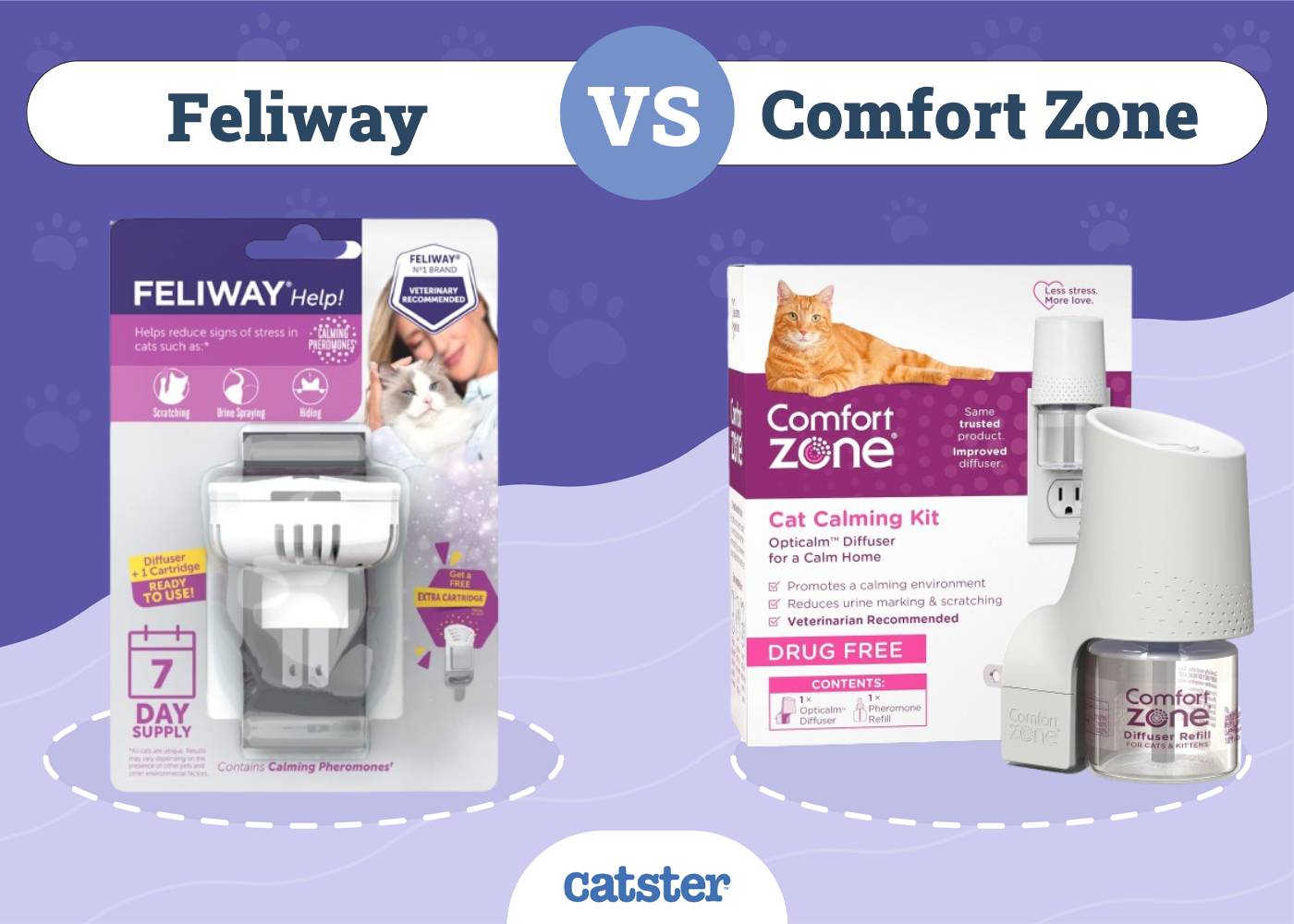
Comfort Zone is a leading pet behavior management brand based in Walnut Creek, California, specializing in drug-free, pheromone-based calming solutions to reduce stress, anxiety, and unwanted behaviors in cats. Their flagship product, the Comfort Zone diffuser, has been helping pet owners manage problematic feline stress behaviors like urine marking and scratching since the company was founded by Kimberly Singerhoff in 2010.
In 2026, the company decided to expand on its existing line of pheromone-based products with the creation of a palatable supplement designed to help cats feel calm naturally.
Comfort Zone Calming Mousse
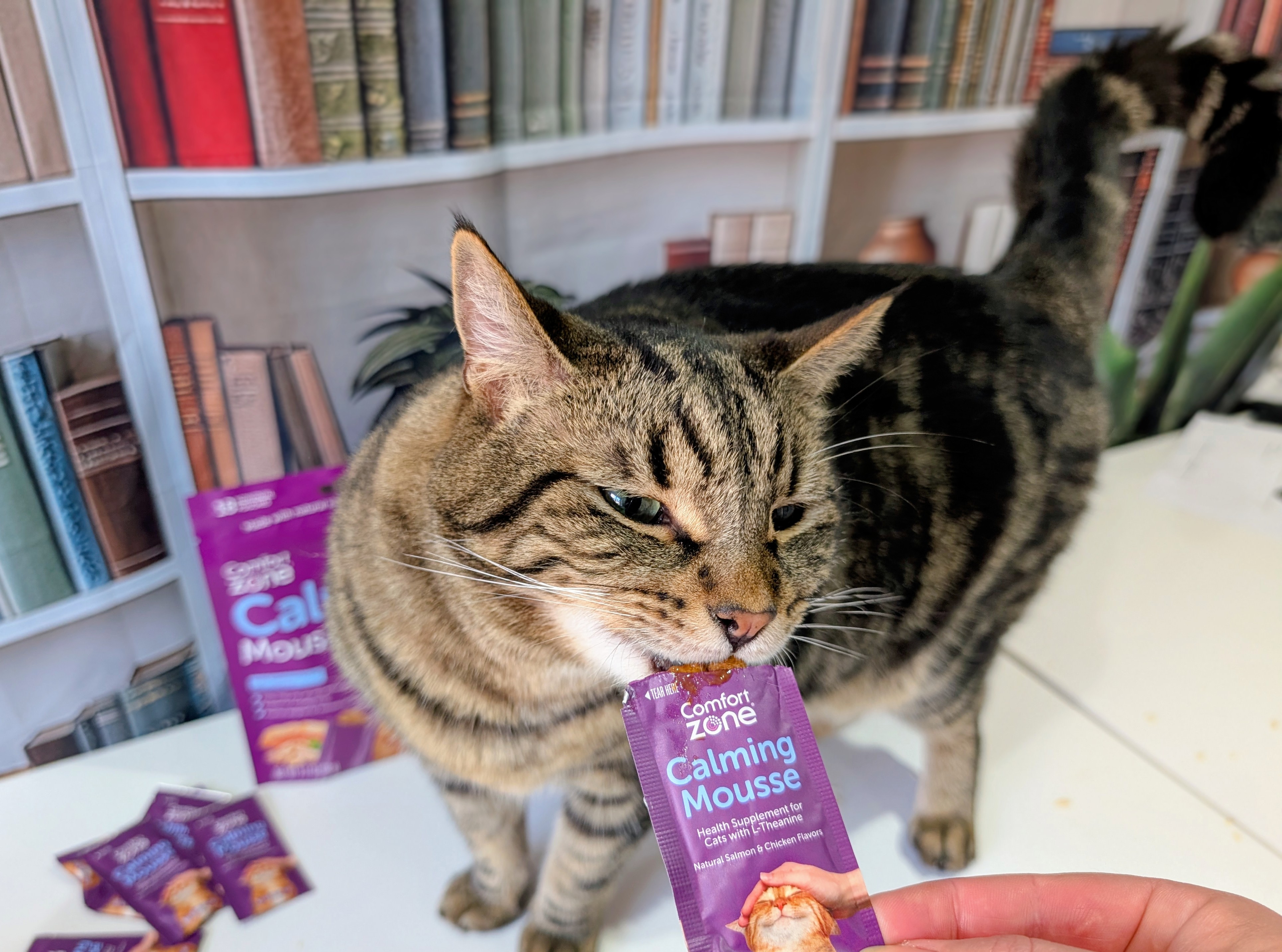
Comfort Zone Calming Mousse is a lickable paste made from natural chicken and salmon flavors, suitable for cats over 5 months. It comes in packs of individually portioned sachets containing 20mg of L-Theanine, an amino acid not normally found in a carnivore diet. The inactive ingredients, including brewer’s yeast, canola oil, chamomile powder, chicken liver powder, natural chicken flavor, natural salmon flavor, sunflower oil, and valerian root powder, are all natural and pretty innocuous.
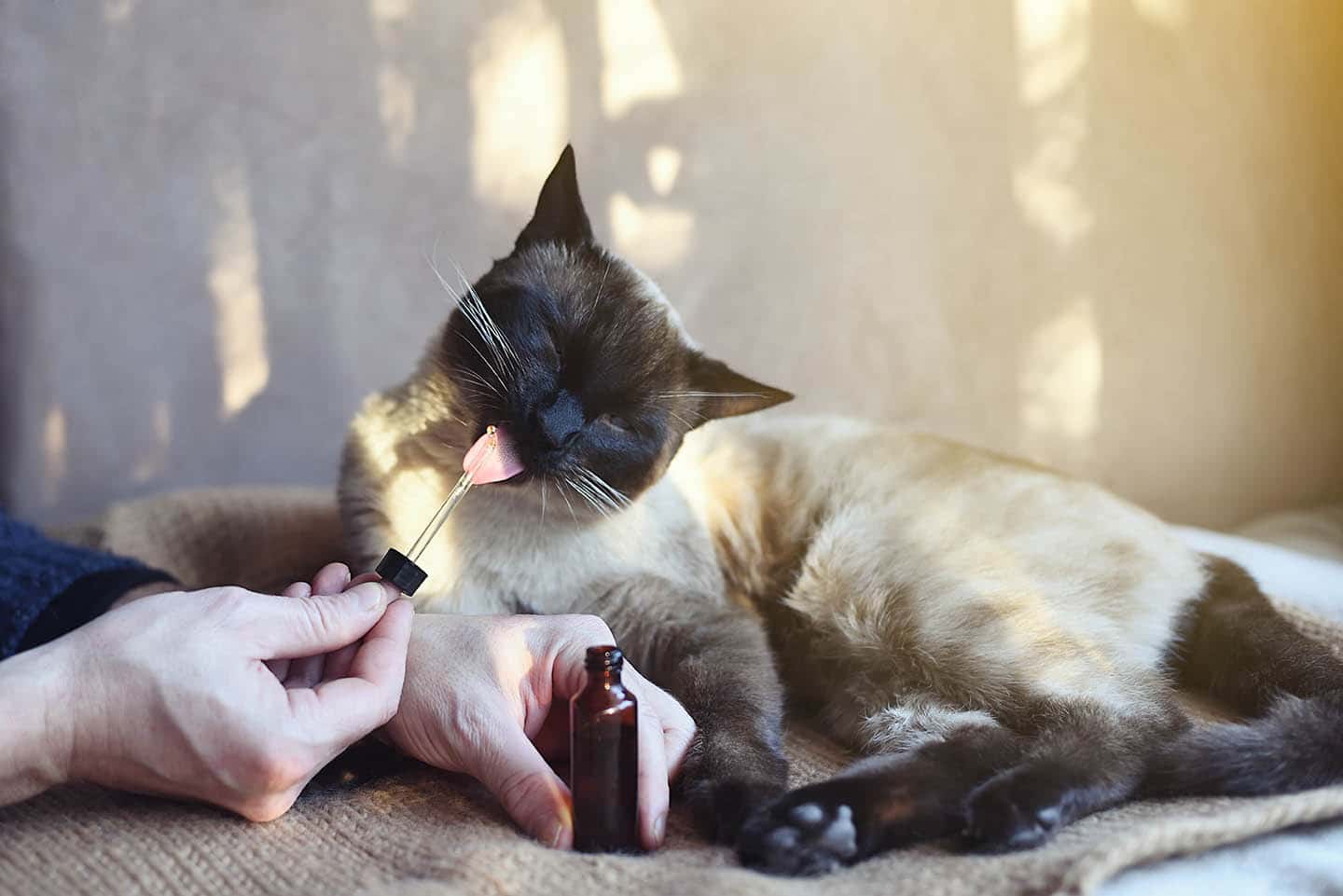
The mousse can be offered to your cat directly from the sachet, squeezed onto a paw or into a bowl, or mixed into their food. You can give it every day or attimes when stress is expected. Neither the dose of L-Theanine nor the other ingredients should have any adverse effects on cats with pre-existing health conditions, apart from those allergic to chicken. However, we would always recommend checking with your vet first.
The Calming Mousse is available in packs of 12 or 18, with most cats only needing 1 sachet per day; 2 sachets for cats weighing more than 10 lbs. At around $16.99 for a pack of 12 or $21.99 for 18, Comfort Zone Calming Mousse is similarly priced to its competitors, but it contains a higher dose of L-Theanine, making it more potent.
You can buy Comfort Zone Calming Mousse in-store or online from most major retailers, including Chewy, Amazon, PetCo, and Walmart.
My Experience with Comfort Zone Calming Mousse
In a house filled with five cats and four dogs, you would think that stress levels might get pretty high, but overall, I am very fortunate to live alongside some pretty chilled-out animals. However, two of the cats – Alex and Zazzles – can be a bit nervous at times, so I was hoping they would be keen to give the Calming Mousse a go. I was less interested in testing the supplement on my tubby tabby, Cyril, who is so zen that if he became any more relaxed, he would be unconscious!
There was certainly a flurry of interest from my five felines when I pulled out the bag of Calming Mousse; however, most of the cats seemed suspicious when I offered up the open sachet. I’m not sure if it was the smell or the presentation that put them off, but I suspect it was the latter. They haven’t been given this sort of treat before, and I think, having been tricked into swallowing worming pills a couple of weeks ago, they were all still a bit wary of the unfamiliar.
When I squeezed the mousse onto the dinner plate, interest definitely increased, particularly from Zazzles, but total success was only achieved when I added the supplement to their food. I didn’t have to mix it in or hide it; they all happily tucked into their wet food with a Calming Mousse topping.
In terms of effectiveness, I didn’t see a dramatic change in the cats’ behavior, but given that none of them have been showing any overt signs of stress or anxiety, I also wasn’t expecting one. However, this is exactly the sort of situation where a product like the Calming Mousse from Comfort Zone is appropriate.
Many cat parents don’t think about feline stress and anxiety until it manifests in problematic behavior or health issues. The fact is that many, if not most, cats experience low to moderate levels of stress throughout their daily lives. Whether it be a house full of guests, the neighbor’s barking dog, the arrival of a new pet, or a grocery delivery, our feline family members are constantly adapting to unexpected changes that we don’t think twice about. A safe and natural supplement like Comfort Zone Calming Mousse can help our cats cope with the day-to-day stress of living in a human world.


Frequently Asked Questions
How Does Comfort Zone Calming Mousse Work?
L-Theanine is a structural analogue of glutamate, the main chemical messenger involved in brain activity. Adding L-Theanine to the diet has been proven to have relaxing effects, without causing unwanted side effects like sedation.
How Do I Give It To My Cat?
Some cats will be super keen to eat the mousse, while others may be unsure of the texture or smell. Introduce it slowly to allow your cat to adjust. For example, 1/3 pack on day one, 1/2 pack on day two, then a full pack on day three.
Is It Safe For Cats With Kidney Disease?
The ingredients in Comfort Zone Calming Mousse shouldn’t adversely affect cats with renal disease; however, we recommend speaking to your vet about your cat’s situation before introducing any new supplement.
What If My Cat Won’t Eat It?
If your cat isn’t keen on the mousse, you can try applying it to their paws so they will lick it off, or mixing it with their favorite food. Comfort Zone offers a money-back guarantee, so if you're not satisfied within 90 days, call them at 800-234-2269. Proof of purchase is required.


Conclusion
Cats are masters at hiding their feelings, and even those who appear calm and collected on the surface may be quietly coping with stress. When that stress builds up, it can manifest in physical andbehavioral changes like inappropriate toileting, digestive issues, overgrooming, or destructive behavior. Comfort Zone Calming Mousse is an easy way to boost your cat’s natural coping mechanisms with a tasty treat you can give them every day.
Expert cat care, straight to your inbox
Vet-reviewed advice, behavior tips, and the best of Catster. Free, and you can unsubscribe anytime.
By signing up, you agree to our Terms & Conditions and Privacy & Cookies Policy.
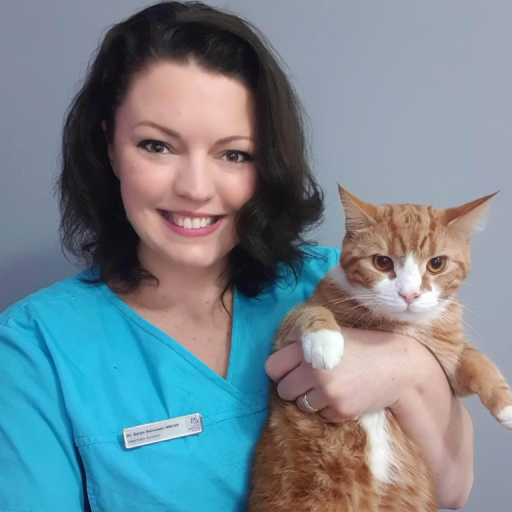
Dr. Karyn Kanowski BVSc MRCVS (Veterinarian)
Dr. Karyn comes from Queensland, Australia, and has lived in the UK for the past 10 years. In 2010, she graduated from The University of Queensland School of Veterinary Science and also has a Bachelor’s degree in Zoology. She is passionate about using evidence, experience, and owner collaboration to provide the best solutions for pets, and believes in making reliable information about animal health accessible to all. Dr. Karyn shares her home with five cats, four dogs, and one husband. When she is not in the scrubs, she spends her time writing, gardening, and cleaning up pet hair!
Join the conversation
Ask a question, share your story, or send private feedback.