Get

In Your Inbox

Catster is reader-supported. When you buy via links on our site, we may earn an affiliate commission at no cost to you. Learn more.

Why Is My Cat So Skittish? 5 Vet-Reviewed Reasons & Care Tips

Share

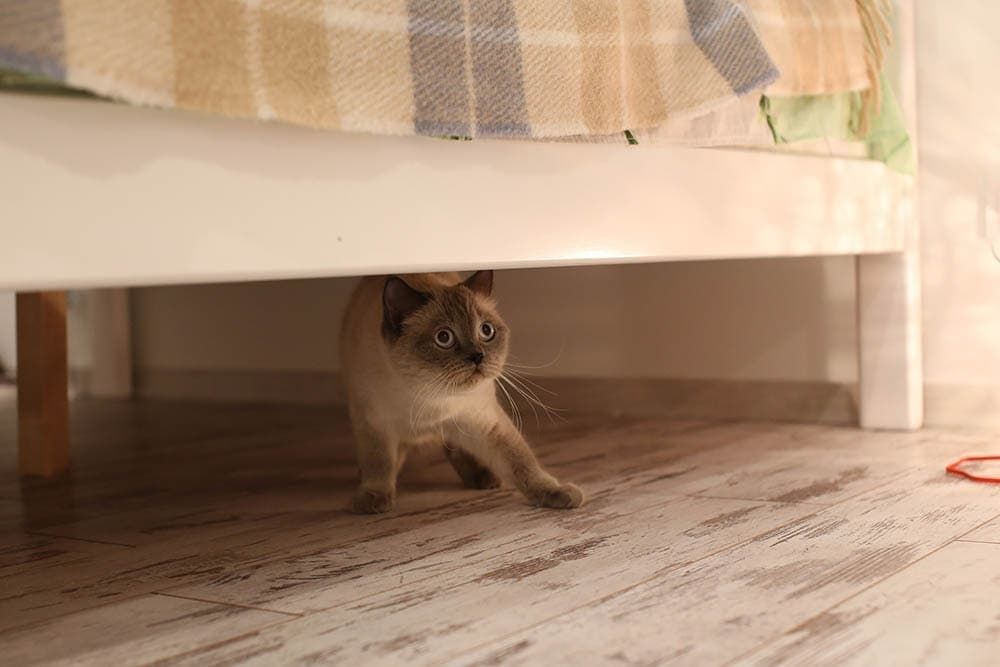
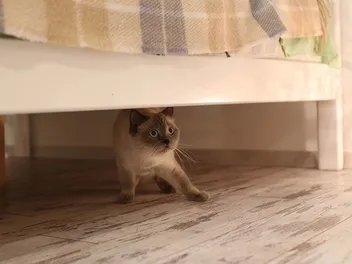
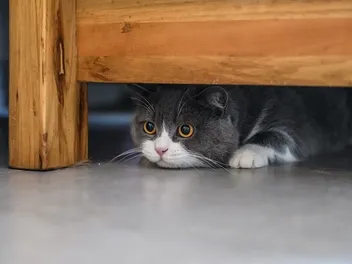
scared British blue-point cat hiding under the bed

Just like humans, cats have different personalities. If your cat is skittish, you may be wondering why. Some cats are simply shy and they are just as lovable! But others become skittish when they’re nervous or in pain. It’s important to understand the root cause of your cat’s skittish behavior so you can help them feel safe and secure. After all, they deserve the best life possible! Here are the potential reasons that your cat may be skittish.

divider cat faces oct 2024

The 5 Reasons Why Your Cat Could Be Skittish

1. Inadequate Socialization

Kittens that haven’t been exposed to different people, animals, and environments may be more likely to be scared of new things. Those that are well socialized between the ages of 3 and 9 weeks are less likely to be skittish toward the people, animals, and environments that they’re socialized with at this age.

Cat with Heterochromia sitting on concrete floor
Image Credit: ashyda, Pixabay

2. Stressful Environment

Cats can become skittish if there are too many loud noises, sudden movements, or unfamiliar people and animals in their environment. Stress can also come from activities like moving, new family members coming into the household, and even interacting with animals outside your window. You may have to observe your cat for a while before you find all the causes of their stress.


3. Fear and Anxiety

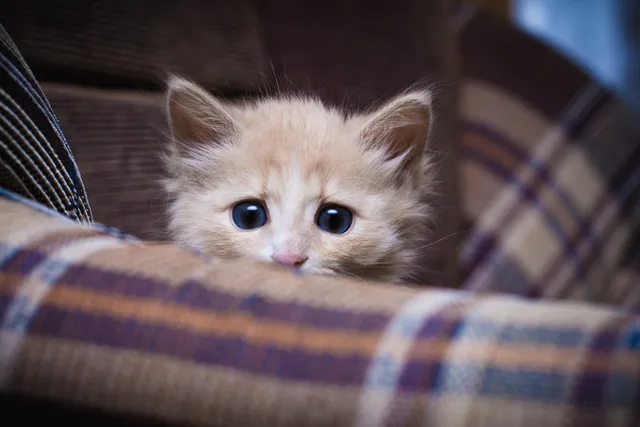
Fear or anxiety can result from previous trauma, such as physical abuse. A cat may become skittish in response to something that reminds them of their traumatic experience. At other times, fear can just occur randomly (if a cat is spooked by something).

shy cat in bucket
Image Credit: TungCheung, Shutterstock

4. Medical Conditions

It is important to rule out any medical causes for your cat’s skittishness. Cats may become more withdrawn and display a change in their demeanor if they’re unwell or in pain. Have a vet check for any medical issues that could be causing them discomfort.

If you have any concerns or curiosities about your cat or their health, we recommend you contact a vet directly.

If you need to speak with a vet but can't get to one, head over to PangoVet. It's an online service where you can talk to a vet online and get the advice you need for your pet — all at an affordable price!

PangoVet_Mention-in-Content for PangoVet2 save money

5. A Shy Personality

Some cats are just naturally shy, and that’s okay! As long as they can find a safe place to hide when they feel scared, you don’t have to worry.

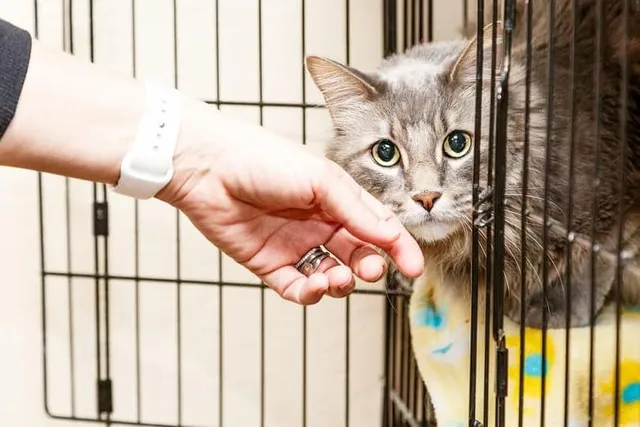
woman petting a scared and shy cat
Image Credit: Susan Schmitz, Shutterstock

divider cats oct 2024

What Can You Do to Help?

Once you understand the root cause of your cat’s skittishness, you can begin to help them feel more secure and comfortable. Here are some tips for helping a skittish cat:

  • Give them lots of love and patience. Don’t push your cat to interact when they’re scared, but show them kindness and affection when they do approach you. This will help build their trust in you.
  • Create a calm environment. Make sure your home is quiet and free from any potential stressors. Give them a safe space to retreat if they get overwhelmed. Put a bed or a few toys in a quiet corner of the house where your cat can go to relax. If they feel cornered, give them an escape route so they don’t have to face whatever is making them nervous.
  • Encourage positive interactions. Introduce your cat to new people, animals, and environments gradually so they can become comfortable with them in their own time. If you have other cats or pets, let them take the lead and show your cat that it’s safe.
  • Provide plenty of enrichment. Cat trees, interactive toys, scratching posts, and window views are all great ways to help keep skittish cats mentally stimulated.
  • Expose them slowly. Don’t overwhelm your cat with new people and animals all at once; introduce them one by one, and allow your cat to get used to them.
  • Stay calm. Cats can sense our feelings and if we don’t have a good grip on our own anger, sadness, pain, or anxiety, our cats could be responding to us!
  • Provide extra attention. Make sure to give your cat plenty of attention, love, and affection. Spend additional time playing with them, petting them, and grooming them.

Helping your skittish cat can take some time and patience, but with understanding and love, you can help them become more confident in their environment. Remember to look out for any signs of distress so you can intervene before it gets too serious.

divider cat paws oct 2024

Conclusion

If your cat is skittish, there could be a variety of causes. It’s important to consider their environment, look for any changes that may have occurred recently, and get a better understanding of their breed and temperament. Additionally, making sure your cat has a safe and comfortable place to go when they’re feeling scared, providing them with lots of love and reassurance, playing with them more often, and being aware of their body language can all help make them feel more secure. With patience and understanding, you can help your cat feel more relaxed in their home.

As always, if you feel like your cat is too skittish, seek veterinary care and advice for them.


Featured Image Credit: Zossia, Shutterstock

Want content like this delivered to you?

Sign Up For Our Newsletter

News, insights, expert advice, and everything cat

* By submitting, you agree to our Terms & Conditions and Privacy & Cookies Policy.


How useful was this post?

Click on a star to rate (you can leave written feedback after clicking submit)

Help us improve Catster for pet parents!

Your feedback really matters.

What did you like about this post? Also how can we improve it?

Join the conversation

Leave a Reply

You’re very welcome to leave a comment or question. Please know that all comments must meet our community guidelines, and your email address will NOT be published. Let’s have a positive and constructive conversation.


Talk With A Vet Online

Peace of mind,
anywhere, anytime

Affordable vet advice

Ask Dr. Paola – Help! My Cat Suddenly Has Dandruff! (March 30, 2026)

Welcome to our “Ask Dr. Paola” series, where every Monday we bring expert advice straight from Dr. Paola Cuevas (MVZ) to help our...

Your Cat Keeps Vomiting After Eating: Here’s What’s Going On

Cats vomit. It’s one of the less glamorous facts of life with a feline, and most cat owners have cleaned up more than...

Ask Dr. Paola – Help! My Cat Gets Diarrhea from Wet Food! (March 23, 2026)

Welcome to our “Ask Dr. Paola” series, where every Monday we bring expert advice straight from Dr. Paola Cuevas (MVZ) to help our...

Cat Shampoo Alternatives That Are Already in Your House

If your cat has ever gotten into something disgusting and you’ve found yourself without cat shampoo, we’re here to help. Before you panic...

More related

7 Natural Sources of Taurine for Your Cat: Vet-Reviewed List

When it comes to feline diets, the importance of taurine cannot be overstated. An essential amino acid for cats, this nutrient is found...

How Does My Cat React When I Return From a Trip? Olga’s Hostility

Hi, I’m Christopher! Read my introduction to learn more about me and my silly Russian Blue cat, Olga. When I traveled to Thailand...

Why Your Cat’s Poop Smells Like a Biohazard

Nobody enjoys litter box duty, but sometimes it gets unbearable. The smell hits you from across the room. You’re scooping faster, lighting candles,...

Can Cats See Fire? Explaining Feline Vision & FAQ

Cats have long fascinated humans with their enigmatic behaviors and extraordinary senses. We are often told that cats have superior senses compared to...

Keep reading

Can Cats Eat Octopus? Vet-Approved Nutritional Facts

Octopus is considered a delicacy around the world, and you might find yourself wondering if it’s okay to give your cat a piece. After all, we associate cats with seafood, so is safe for them? Octopus is indeed safe for...

Can Cats Eat Octopus

Do Cats Get Winter Coats? Vet-Verified Fur Facts & Care Tips

The trees turning colors and the weather growing colder aren’t the only changes that happen during the fall months. Like many dogs, cats also get winter coats. This fur coat is thicker and denser than their summer coat and serves...

black long-haired cat winter snow

Why Do Cats Trill & What Does It Mean? Vet-Verified Feline Vocalization Facts

Cats make quite a few different noises, and one of the cutest that we’ve ever heard is trilling. This is a blend between a meow and a purr, and each cat can make their own distinctive version of this sound....

cat meowing

Can Cats Eat Apples? Vet-Reviewed Nutritional Facts & FAQ

There’s nothing quite like the satisfying crunch of a juicy apple. While this fruit offers plenty of health benefits for humans, you may wonder if it’s something you could provide your kitty if it appears interested in your crunchy snack....

Can Cats Eat Apples

Uveitis in Cats: Vet-Reviewed Causes, Signs & Treatment

Uveitis is an eye disease resulting from inflammation in the uvea of the eye. It is a serious condition that must be addressed promptly because it can commonly result in blindness. It can sometimes be challenging to treat, so it’s...

Cat Uveitis

Can Cats Eat Cream Cheese? Vet-Reviewed Nutrition Facts & FAQ

Most cats love dairy foods. The stereotypical cat loves milk, though it may upset most actual cats’ stomachs. But what about cream cheese? While cream cheese isn’t toxic to cats, it isn’t exactly the best option for them either. Cream...

Can Cats Eat Cream Cheese

Is It True That All Cats Have Eyebrow Whiskers? Vet-Verified Facts & FAQ

One of the most distinct facial features of a cat would be the whiskers. While the most prominent whiskers on a cat are above the upper lip, they have them in several locations, including the eyebrows. Different cats have varying...

Anatolian cat face close up

Why Does My Cat Drink Out of My Water Glass? 8 Common Reasons

Cats are active animals that love to investigate the world around them. Because of that, it’s not uncommon to notice them sniffing things around the home or trying to drink water straight from the faucet. But have you ever noticed...

Cat looking at drinking glass

Love Cats? So Do We! Join the Catster Community

Stay informed with expert pet care insights delivered straight to your inbox! Discover professional guidance on animal behavior, feeding tips, trusted product picks, and much more.


Sign up for the Catster Email Newsletter

Stay informed with expert pet care insights delivered straight to your inbox! Discover professional guidance on animal behavior, feeding tips, trusted product picks, and much more.