Can Cats Eat Feathers? Vet-Reviewed Risks & Precautions


Feathers are included in various enticing cat toys, most likely because they are reminders of favorite prey animals of felines: birds. Whether a poor bird has fallen victim to your cat’s hunting expertise or you are worried about your kitty swallowing feathers that were attached to a toy, it's natural to wonder if it's okay for cats to eat feathers.
The short answer to this question is no, cats should not eat feathers. They are not healthy for your feline to consume, and they do pose potential health risks.

Toys With Feathers
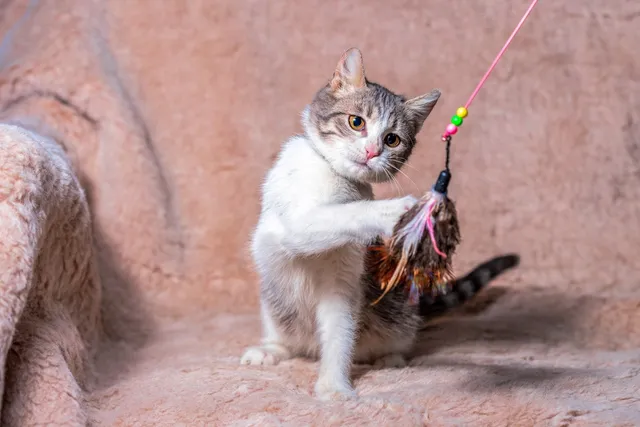
Feathers are part of many cat toys, and they provide kitties with stimulation by inducing their predatory instincts. This makes for an exciting playtime! But cats can get quite intense when they are playing, and owners should be aware of the potential dangers that feathers pose if swallowed.

Are Cat Toys With Feathers Safe?
Feathers can pose a potential choking hazard, as they can easily get lodged in your cat’s throat. They are also unable to digest feathers, which could cause more serious problems, such as intestinal blockage, as it attempts to pass through their system. Thankfully, feathers on cat toys are made to be soft, not sharp like they are on a live bird, so it’s less likely a cat toy’s feathers would cause lacerations.
Still, it is best to always supervise their playtime with these toys to ensure that no feathers are ingested. If the toy starts to become worn when the pieces become loose, it’s time for a new toy.
It is recommended that you avoid these kinds of toys with kittens, as they tend to use their mouths more during play. It's better to be safe than sorry!
What If My Cat Catches a Bird?
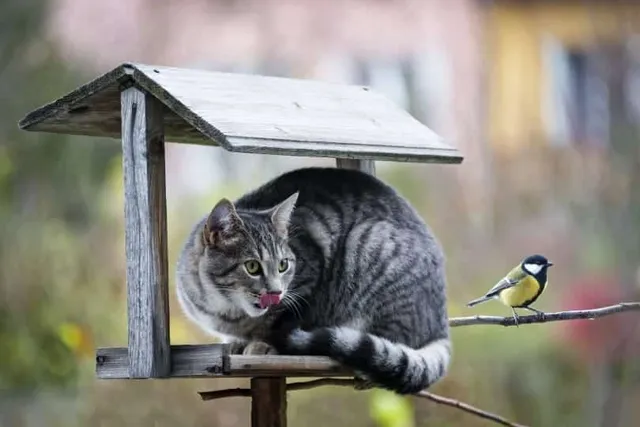
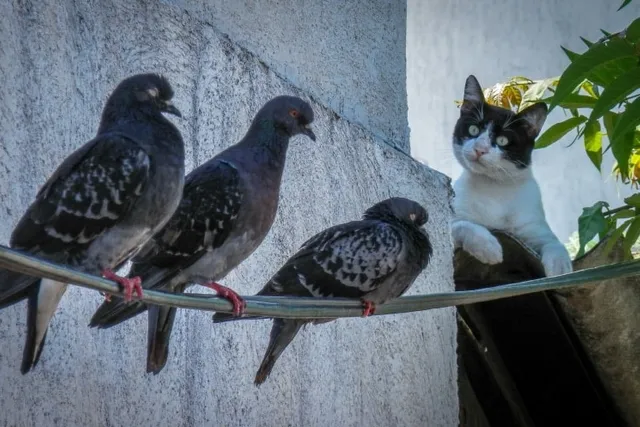
Cats are natural-born hunters and they are not afraid to show it. Many outdoor cats or those that spend time indoors and outdoors will most likely bring home an unfortunate prey animal at some point. Mice may be the first victims to come to mind, but birds are also common prey items.
When a bird falls victim to a cat, it tends to be a feathery mess. Most cats will do their best to spit out the feathers, but it is natural for some to be swallowed if your cat chooses to eat the bird they caught. In the wild, it's completely normal for birds to be consumed. Cats are very methodical with their prey and are driven by instinct.
Normally, swallowing a few feathers from a prey item will not cause any issues, but it is important to keep the risk factors in mind and watch for any unusual signs they may experience. Make sure to notify a veterinarian immediately if you notice anything out of the ordinary.
Choking
Choking is pretty rare for cats, but it’s best to know the signs and how to handle the situation if it were to ever happen. If an object such as a feather were to become lodged in your cat’s throat and they begin to choke, you need to act quickly to clear their airway, as choking can lead to death very quickly.
Choking will typically cause your cat to panic. If they are conscious, try to keep them as calm as possible, and seek immediate medical attention. If they are unconscious, wrap them in a blanket or towel to prevent injury to you or them. First try opening their mouth, pull their tongue forward, and try to remove the object by hand or with tweezers. If this isn’t possible, you need to perform the proper Heimlich maneuver for cats and contact a veterinarian immediately.
Signs of Choking
Intestinal Obstruction
Intestinal obstruction is considered a medical emergency that will need to be addressed by a veterinarian immediately. Obstructions can be partial or complete and are the result of a cat eating something they are unable to digest. Sometimes, indigestible objects will pass through the system and be excreted in the feces, but there are times when an obstruction takes place during the digestive process.
Signs of Intestinal Obstruction
How to Prevent Cats From Hunting Birds
Trying to keep your cat’s predatory instincts at bay isn’t going to work out too well for you. Our feline friends are natural-born, highly effective little hunters. As a cat owner, you have the responsibility to take the proper actions that can help you deter and prevent your cat’s hunting behaviors.
1. Keep Your Cat Indoors
The most effective way to prevent your cat from hunting birds is by keeping them indoors. It is highly recommended to keep your cat indoors for the sake of their safety as well. Outdoor cats run the risk of getting lost, injured, or even killed when left outside to roam unsupervised. Quite simply, if your cat does not have access to birds, you won’t have a problem.

2. Keep Pet Birds Safely Caged
If you have pet birds in addition to pet cats, you are probably aware of the need for extra safety measures to ensure that your birds and cats are kept safe. You need to make sure your bird's cage is inaccessible to your cat(s) and remains securely always closed. If you take your bird out of their cage for some daily exercise, you need to check that your cat is locked securely in an area away from the bird as they are out and about.
3. Ensure Your Cat Is Well-Fed
While hunting is a perfectly natural behavior and cats are opportunistic eaters, you can try to deter their hunting behavior by feeding them a high-quality diet and ensuring all their nutritional needs are met. If they are fed regularly and are at no risk of feeling too hungry, it may prevent them from hunting down unsuspecting birds.

4. Try an In-Ground Fence
If you do have an indoor/outdoor kitty, try using an in-ground fencing system to keep them from wandering too far out of your yard. While this won’t be much help to birds that make their way into your yard, you’ll drastically cut down the risk of your cat nabbing a bird if they are limited to how far they can roam.
5. Try a Birdbesafe Collar
Birdbesafe collars are large, brightly colored, and made specifically to keep birds safe from cats. These collars work well for birds that can see colors more vividly. It gives them a heads up to a cat’s presence and gives them time to escape before becoming lunch.

Final Thoughts
Feathers should not be consumed by cats, as they do pose potential health risks, such as choking, intestinal obstruction, and the potential for laceration of the mouth or insides if swallowed.
Cats should be supervised during play with feathered toys, and you should wait until they are out of kittenhood before providing these kinds of toys. If you have a hunter or huntress on your hands, you may have to take some steps to help prevent birds from falling victim to your cat, though felines are naturally built to hunt and consume birds.
See also:
Expert cat care, straight to your inbox
News, insights, and useful advice, delivered to you.

No spam — unsubscribe anytime.
By signing up, you agree to our Terms & Conditions and Privacy & Cookies Policy.
How useful was this post?
Click a star to rate. You can leave written feedback afterwards. (We read all feedback.)
Lindsey and her husband enjoy traveling the US with their kids and photographing wildlife. Her passion is to educate others on the importance of proper animal care, with an emphasis on reptiles and exotics since their care requirements can be much more complex. She is also a huge advocate for bully breeds. She feels most at home in the forest either on horseback or in hiking boots.