Can Cats Eat Flies? Vet-Reviewed Facts & Health Guidelines


In this article
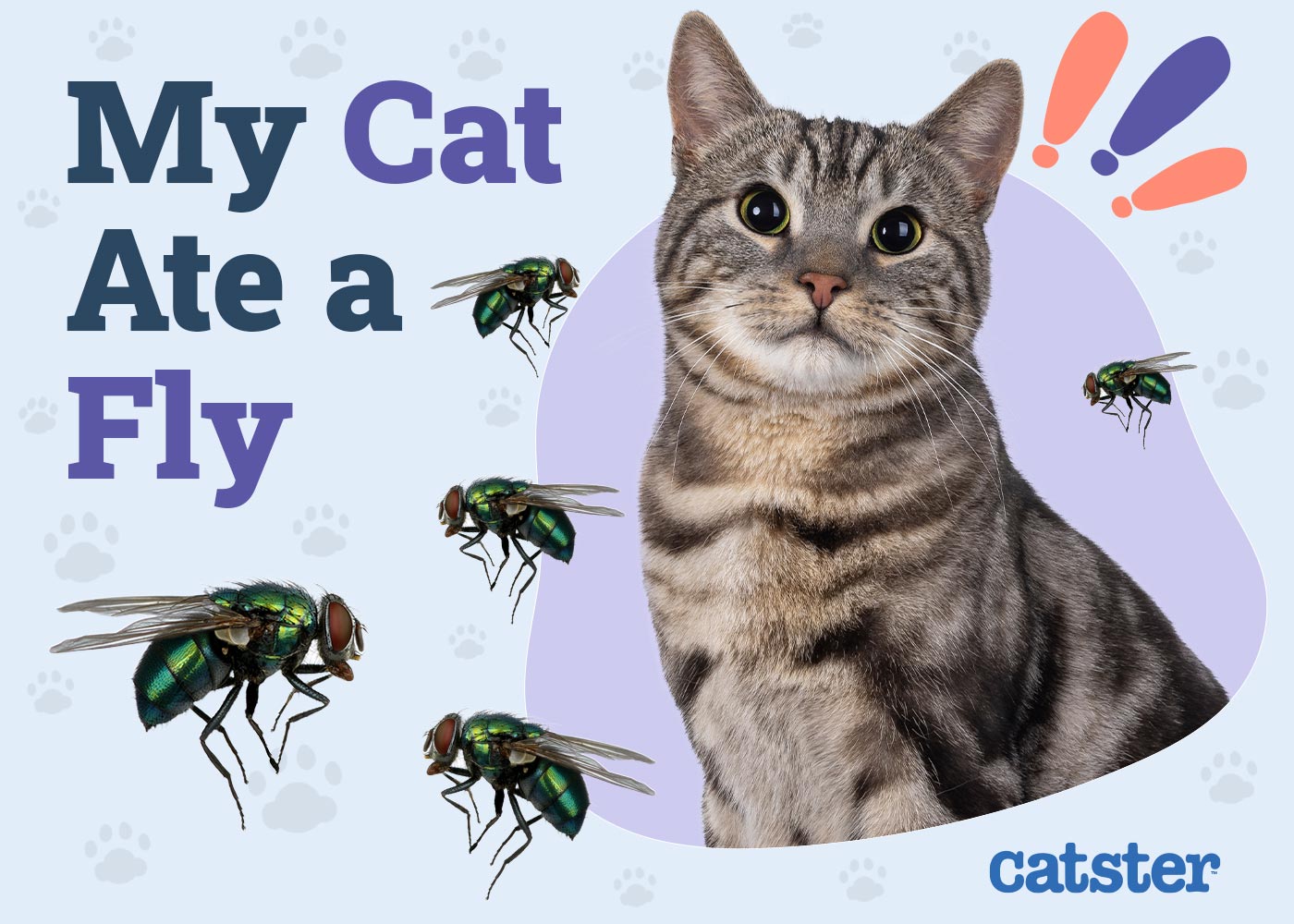
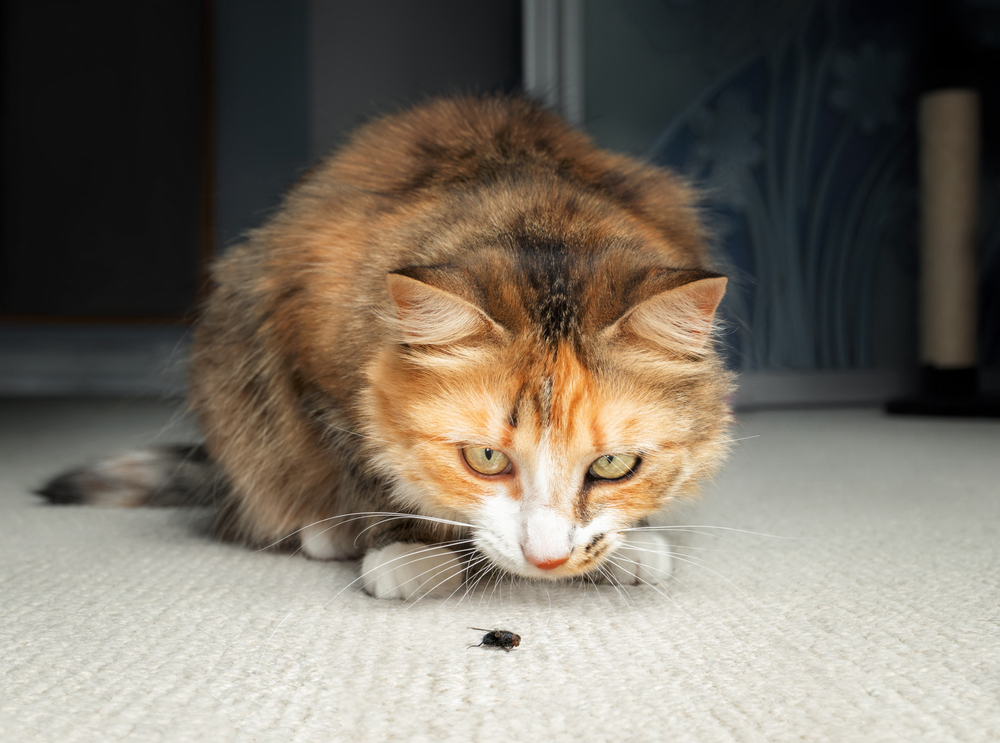
If you've ever seen a cat pounce on a fly and eat it, you may be wondering if this is safe or potentially harmful for your furry friend. So can cats eat flies? Thankfully, flies aren't toxic or poisonous, and there's probably not much to worry about if your buddy eats a fly or two. Even pests properly treated with insecticides aren't likely to cause issues as the amount of toxins contained in one fly isn't likely to be high enough to cause problems. However, always check with your veterinarian if you have any concerns about insects or other items your cat eats.

Can Cats Get Parasites From Flies?
Eating fleas, ticks, spiders, and bees is generally considered more problematic than eating flies in terms of parasites and bites or stings, but that doesn’t mean it’s not without its risks. Some flies carry Isospora organisms that may cause a disease called coccidiosis. In kittens, coccidiosis can cause diarrhea or other gastrointestinal signs, while adult cats are more often unaffected. Flies can also potentially transmit other infections by landing on infected fecal material, which a cat could then ingest.

Why Do Cats Chase and Eat Flies?
Cats most likely pursue insects like flies because it triggers their hunting instincts and gives them something fun to do. Cats are natural predators, and in the wild, they earn their daily bread by stalking, hiding, and pouncing on prey. Indoor cats don't have the same opportunities to engage in hunting, so they often take advantage of opportunities provided by insects. Many cats enjoy going after flies but don’t bother to eat the ones they catch.
Do Cats Eat Flies Because They're Hungry?
Most cats eating sufficient amounts of high-quality cat food get all the calories and protein they need during regular mealtimes. While flies do contain protein, a few insects won’t satisfy a cat’s nutritional requirements, so eating flies is likely more of an instinctual hunting behavior than it is due to hunger. Cats on their own in the wild often gravitate towards eating small animals such as rodents, birds, and rabbits to provide nutrition.


What Can I Do to Convince My Cat to Stop Catching Flies?
Getting cats to shift their attention to non-living “prey” often involves a two-pronged approach: getting rid of the temptation and providing cats with appropriate alternatives.
Ways to Minimize Flies
Flies often breed outdoors and enter homes through open windows, so adding screens to windows and fixing ones that need repairs can keep insects outside. Covering food and putting it away immediately can help reduce the number of flies swarming about. Regularly washing pet food dishes with soap and hot water and not allowing wet food to sit for more than a few hours before cleaning it up may also be beneficial. Sealing trash cans can deprive flies of attractive places to breed, and removing rotting fruit and vegetables before they start to smell can reduce the number of flies in your home.

Ways to Encourage Cats to Engage in Alternate Activities
Providing your cat with several toys that allow them to engage their hunting instincts may give them enough of a thrill to lose interest in chasing after bugs. Cats are generally happiest when getting regular exercise and playtime. It allows them to get rid of excess energy, stimulate their mind, engage their hunting instincts, and hang out with their favorite person simultaneously.
A few short 10 to 15-minute play sessions every day give cats multiple opportunities to let loose. Adding a few toys cats can engage with on their own may further minimize the desire to catch flies. Food puzzles make cats use their bodies and minds to get treats or kibble and provide tastier rewards than flies!

Conclusion
Cats chase and hunt flies regularly, and there's likely nothing to be concerned about if your kitty decides to eat one. Cats eating flies generally isn’t problematic, but they don't provide much in the way of feline nutrition. It is unlikely to be an issue if a cat eats a fly or two treated with insecticide as the amount of toxin involved is unlikely to be high enough to cause trouble, but double check with your vet if this happens.
Indoor cats probably chase flies because it gives them an outlet for their instinctual hunting behaviors. This behavior is not motivated by hunger since many cats chase and kill flies and never bother to eat them. Getting rid of flies and giving cats other ways to get their hunting in can help minimize fly-eating activities.
Sources
https://www.petmd.com/cat/nutrition/cat-nutrition-what-makes-nutritional-cat-food
https://www.petmd.com/cat/wellness/evr_ct_exercising_with_your_cat_a_how_to_guide
https://www.vetstreet.com/our-pet-experts/how-often-should-i-wash-my-pets-food-bowls
https://www.prevention.com/life/a33235104/how-to-get-rid-of-flies-house/
https://www.petmd.com/cat/behavior/it-safe-your-cat-eat-bugs
Featured Image Credit: sophiecat, Shutterstock

Expert cat care, straight to your inbox
Vet-reviewed advice, behavior tips, and the best of Catster. Free, and you can unsubscribe anytime.
By signing up, you agree to our Terms & Conditions and Privacy & Cookies Policy.
Lorre Luther is a writer who is firmly convinced that cats are smarter than humans. She left her law career in the United States and moved to the Netherlands to follow her dream of becoming a writer. Lorre currently lives in Rotterdam, she enjoys traveling and greatly appreciates the beauty of nature. Lorre has a spot for animals and admires the intelligence of cats.
Join the conversation
Ask a question, share your story, or send private feedback.