Get

In Your Inbox

Catster is reader-supported. When you buy via links on our site, we may earn an affiliate commission at no cost to you. Learn more.

How to Store Dry Cat Food Long Term: 8 Vet-Approved Tips

Share

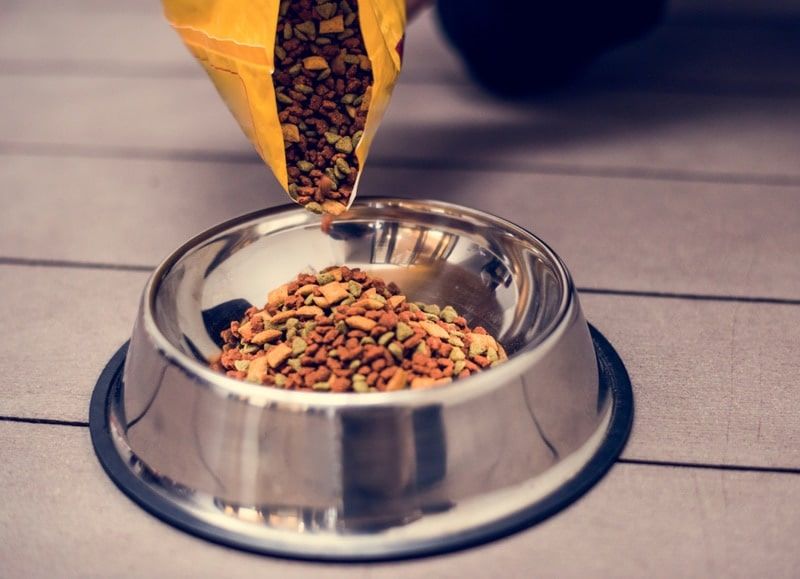
pouring cat food-in a bowl

The importance of proper dry cat food storage plays a crucial role in maintaining your feline friend’s overall health and well-being. Storing cat food correctly helps preserve its freshness, quality, and safety, ensuring that your pet receives the essential nutrients it needs. In this article, we’ll discuss how to store dry cat food and various factors that can affect dry cat food, such as temperature, humidity, light exposure, and storage containers.

divider 2 cats

The 8 Tips on How to Store Dry Cat Food Long Term

1. Select the Best Storage Containers

cat food in plastic container
Image Credit: SURKED, Shutterstock

When it comes to storing your cat’s dry food, the choice of container is essential for preserving its quality and freshness. Let’s explore different types of storage containers and the pros and cons of various materials:

Types of storage containers:

  • Airtight containers
  • Vacuum-sealed bags
  • Food-grade buckets with lids
Pros and Cons of different materials:
  • Plastic: Lightweight and affordable but may absorb odors over time and can be damaged by sharp objects or cracks.
  • Glass: Heavy and breakable but does not absorb odors and is easy to clean.
  • Stainless steel: Durable and resistant to rust but may be more expensive than other options and can be prone to scratches.

2. Preserve the Original Packaging

The original packaging of your cat’s dry food contains essential information, such as expiration dates, batch numbers, and feeding guidelines. It is also designed to protect the food from external factors like air, moisture, and pests.

Here's how you can preserve the original packaging while using a storage container:
  • Choose a storage container slightly larger than the original packaging of the dry cat food.
  • Place the entire package, unopened, inside the storage container.
  • If you need to open the package, roll down the top of the bag and use a clip or rubber band to seal it shut before placing it back in the container.
  • Ensure that the lid of the container is tightly sealed to protect the food and packaging from air, moisture, pests and your cat accidentally getting into their own food and eating too much!

3. Temperature and Humidity Considerations

keeping-dry cat food
Image Credit: Tikhonova Yana, Shutterstock

Maintaining the right temperature and humidity levels is vital for preserving the freshness and quality of your cat’s dry food. Store the dry cat food in a cool, dark place where the temperature stays between 50°F and 80°F. High temperatures can cause fats in the food to become rancid and nutrients to break down. Keep the humidity levels below 60% to prevent mold and bacterial growth. Use a dehumidifier to maintain optimal levels if necessary.


4. Protect the Food from Light Exposure

Sunlight can have an adverse effect on the nutritional value of your cat’s dry food. Direct sunlight can cause the food’s nutrients to break down, reducing its overall quality and effectiveness.

Tips for choosing a suitable storage location:
  • Choose a storage location away from windows or other sources of natural light.
  • Store the food in a cabinet, pantry, or closet that remains closed most of the time.
  • If storing in a transparent container, consider placing it inside a dark cupboard or covering it with a cloth to block out light.

5. Stock Rotation and Organization

Proper stock rotation and organization ensure that your cat always consumes the freshest food available. Use the oldest food first and replenish your stock with new purchases. This practice ensures that your cat always consumes the freshest food available.

Clearly label each container with the date of purchase, expiration date, and any other relevant information. This practice helps you keep track of the food’s freshness and ensures that you use it within the recommended time frame.

In general it’s best to buy smaller bags of food and make sure they are used within 2-3 months. Recommended storage times after opening can vary between different food manufacturers, contact the manufacturer of your cat’s food if you want more information.


6. Store Food in Smaller Portions

dry cat food in plastic container
Image Credit: Tikhonova Yana, Shutterstock

Storing dry cat food in smaller portions can help maintain its freshness and quality. It reduces the food’s exposure to air and humidity each time a container is opened and makes it easier to manage and rotate your stock.

How to portion and store dry cat food:
  • Use a measuring cup or scale to divide the dry cat food into smaller portions based on your cat’s daily feeding requirements.
  • Place each portion into a separate, airtight storage container or resealable plastic bag.
  • Label each container or bag with the date and any other relevant information.
  • Store the containers in a cool, dark place with controlled temperature and humidity levels.

7. Regular Inspection and Maintenance

cat food with molds
Image Credit: SOORACHET KHEAWHOM, Shutterstock

Regularly inspecting and maintaining your cat food storage area is crucial for ensuring the food’s safety and quality.

Look for signs of spoilage or infestation, which may include:
  • Mold, off-odors, or pest droppings
  • Changes in the food’s color, texture, or smell

Also make sure to clean and sanitize storage containers regularly by emptying the container and discarding any affected food, then washing the container with warm soapy water, scrubbing all surfaces thoroughly. Finally, rinse the container with clean water and allow it to air-dry completely before refilling it with fresh cat food.

When to discard and replace dry cat food:
  • If you notice any signs of spoilage or infestation
  • If the food has passed its expiration date

8. Safe Storage Practices

Proper storage practices are crucial for preventing contamination and preserving the quality of your cat’s dry food. Store cat food in a separate area, away from household cleaning supplies and chemicals, as their strong odors can contaminate the food.

Additional precautions to prevent contamination:
  • Wash your hands before handling cat food.
  • Use clean utensils for scooping and portioning the food.
  • Regularly clean and sanitize the area where you store the cat food.

divider 2 cats

Mistakes to Avoid When Storing Your Dry Cat Food

Using Non-Food-Grade Containers

Storing cat food in containers not designed for food can lead to contamination from chemicals or other harmful substances. Always use food-grade containers made of plastic, glass, or stainless steel.


Not Sealing Containers Properly

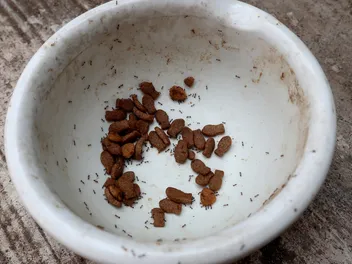
An improperly sealed container can expose the cat food to air, moisture, and pests. Storage mites can get into pet food through defective seals and thrive on the protein and fat rich food. Cats can be allergic to storage mites, so ensure that the lid of your storage container is tightly sealed to maintain freshness and keep pests away.

pet food in plastic container
Image Credit: APN Photography, Shutterstock

Mixing Old and New Food

Combining old and new food in the same container can result in cross-contamination and spoilage. Store new purchases separately and use up the older food before opening a new bag or container.

divider 2 cats

Conclusion

In conclusion, following these key tips for long-term dry cat food storage will help ensure that your cat always has access to fresh, nutritious food. Proper storage practices not only preserve the quality and safety of the food but also contribute to your cat’s overall health and well-being. Remember, a healthy and happy cat starts with a well-fed and well-cared-for pet.


Featured Image Credit: Rawpixel.com, Shutterstock

Want content like this delivered to you?

Sign Up For Our Newsletter

News, insights, expert advice, and everything cat

* By submitting, you agree to our Terms & Conditions and Privacy & Cookies Policy.


How useful was this post?

Click on a star to rate (you can leave written feedback after clicking submit)

Help us improve Catster for pet parents!

Your feedback really matters.

What did you like about this post? Also how can we improve it?

Join the conversation

Leave a Reply

You’re very welcome to leave a comment or question. Please know that all comments must meet our community guidelines, and your email address will NOT be published. Let’s have a positive and constructive conversation.


Talk With A Vet Online

Peace of mind,
anywhere, anytime

Affordable vet advice

The Cat Biting Mistakes Most Owners Make (And What Works Instead)

Cat bites sent more than 400,000 people to emergency rooms in the US each year.1 Not scratches. Bites. And the reason they’re so...

Do Cats Cause Schizophrenia? Scientists Find a Link – Here’s What It Means

Being a fierce advocate (and occasional recipient of) mental health support and awareness, the term ‘crazy’ is not one I like to fling...

One in 100 Cats Gets Diabetes – Here’s How to Catch It Early

One in every 100 cats develops diabetes.1 That’s not a rare, unlucky condition reserved for cats with obvious health problems. It’s common enough...

Dramatic Rescue Turns Into Dramatic Reunion

What started as a routine call for the RSPCA became a heroic, five-hour rescue featuring one trapped and traumatized cat, an emotional family...

More related

Is It Disrespectful to Want to Get Another Cat Right After the Death of Your Cat? (Vet-Verified)

The loss of a cat is never easy, and the fact that grieving a pet is a disenfranchised grief (or one that isn’t...

4 DIY PVC Cat Tree Plans You Can Build Today (With Pictures)

Cats love to climb, scratch, and explore different levels in your home. Cat trees are the perfect playground for your cat, but while...

Do Cats Pee Blood When Stressed? Vet-Reviewed Causes For Blood In Urine

Any health problem that affects your four-legged friend is cause for concern, especially if it seems like your cat is peeing blood. The...

Does Parenting a Cat Prepare You for Parenting a Baby? Facts & FAQ

Some experts say that adopting a cat can help people prepare to care for a human child, while others say that caring for...

Keep reading

Living In a Multi-Pet Household: Which Pets to Choose & How to Get Along

A multi-pet household is one with multiple pets, but typically refers to pets of different species and not just breeds. Most multi-species households combine cats and dogs because these are the two most common pets, but they can also incorporate...

multiple cats eating from a bowl at home

How Often to Clean a Litter Box: 3 Vet-Verified Signs to Watch For

Owning a cat is more than having a pet to cuddle while you watch television in the evenings; they require work and constant care. Cleaning your cat’s litter box isn’t a fun task, but one that you’ll need to do...

Litter tray and scoop for cat on floor

Cat Trilling: Meaning & Feline Sounds Facts (Vet-Verified)

Have you ever been greeted by the cute sound of your cat trilling? It’s slightly different from meowing, and most cats do it in response to something positive, like being offered their favorite treat. Trills and meows aren’t the only...

cat-meowing-or-trilling-by-the-door

10 Best Cat Foods for Your Sphynx Cat in 2026 – Reviews & Top Picks

The majestic Sphynx—ancient, unique, and always arriving to the party in their birthday suit. You have one of the most sought-after and alluring cat breeds on the planet, and you want to feed them right! Nutrition is key to a...

sphynx cat eating dry kibble from metal bowl

My Cat Just Threw Up, What Should I Do? (6 Vet-Approved Treatment Tips)

Vomiting is common in all cats, but excessive throwing up is not normal. If your cat is throwing up excessively every few weeks, you should take them to a vet as soon as possible. However, if this is your cat’s...

Cat vomiting

7 Best Kitten Foods for Diarrhea in 2026 – Reviews & Top Picks

If you have a kitten with diarrhea, it can be a scary experience. Diarrhea can dehydrate your kitten and rob it of important nutrients it needs to grow into a healthy cat. In some cases, you can improve the situation...

American cat kittens eating

Why Does My Cat Stare at the Wall? Our Vet Discusses Common Reasons & What to Do

There are many things our cats do that confuse and confound us, and one behavior that can be quite concerning is when they start staring intently at a wall. Are they sleeping with their eyes open? Do they see something...

cat staring at the wall

Why Does My Cat Paw Under The Door? The Reasons For This Behavior (Vet-Verified)

If you are sitting in your room with the door closed and hear a scratching sound, chances are you’ll know what’s causing it if you own a cat. A small furry paw from under your door may be a common...

cat paws under the door

Love Cats? So Do We! Join the Catster Community

Stay informed with expert pet care insights delivered straight to your inbox! Discover professional guidance on animal behavior, feeding tips, trusted product picks, and much more.


Sign up for the Catster Email Newsletter

Stay informed with expert pet care insights delivered straight to your inbox! Discover professional guidance on animal behavior, feeding tips, trusted product picks, and much more.