Get

In Your Inbox

Catster is reader-supported. When you buy via links on our site, we may earn an affiliate commission at no cost to you. Learn more.

3 Homemade Cat Gravy Recipes: Vet Approved Healthy Options

Share

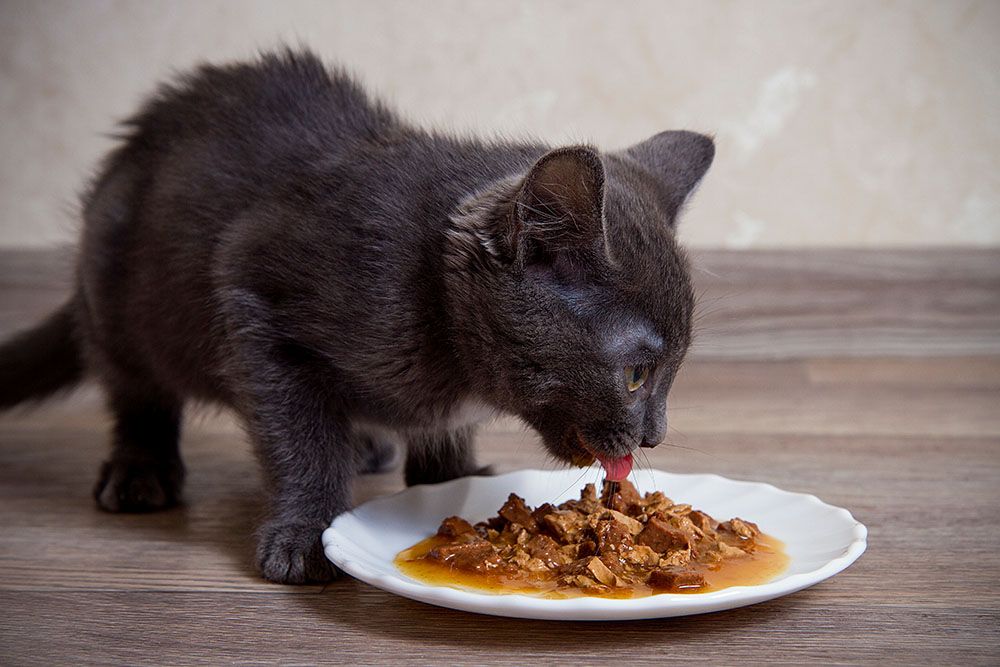
kitten eating gravy food

Cats are obligate carnivores, so they need nutrients only found in animal products for a complete diet—including animal protein and fat. Cats are also notoriously picky, so reliable kibble may not be enough to entice their appetite sometimes.

While it’s difficult to feed cats a homemade diet and achieve the perfect balance of protein, fat, vitamins, and minerals, you can give your cat some gravy topping on occasion to encourage them to eat their healthy kibble.

Read on to learn how to make gravy for cats with these three vet-approved cat gravy recipes you can prepare at home.

divider 3 paws

Top 3 Homemade Cat Gravy Recipes

1. Catster Recipe: Easy Homemade Cat Gravy

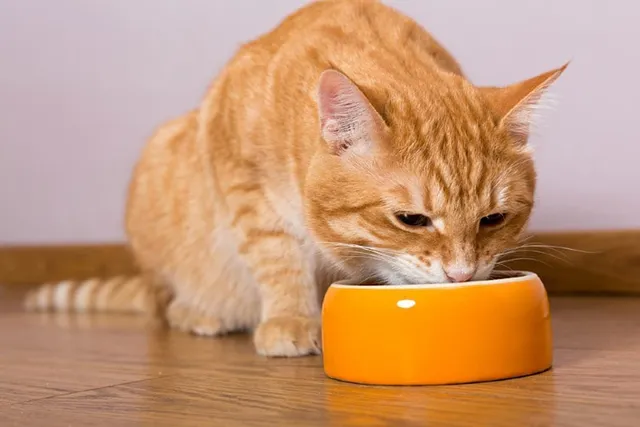
orange cat eating wet food

Catster Recipe: Easy Homemade Cat Gravy

This easy cat gravy recipe can be made with any kind of meat and provides great nutrition and hydration for your cat.
Prep Time 5 minutes
Cook Time 2 hours
Total Time 2 hours 5 minutes

Equipment

  • Stock pot with lid or slow cooker
  • Strainer
  • Storage container

Ingredients
 

  • Plain meat (chicken, duck, pork, beef, lamb, turkey)

Instructions
 

  • Throw whole carcass or animal parts into the stock pot or slow cooker. You can include the skin, fat, and bones, which make a rich gravy. The meat or carcass you use should not be seasoned and should be safe for human consumption once cooked.
  • Fill the pot with water to cover the meat you have in the pot.
  • Bring to a boil, then turn down to a medium or soft boil. Place the lid of the pot on and let simmer for 2–3 hours, stirring occasionally.
  • Let cool. Strain so there’s nothing left but the liquid. Portion out the gravy and freeze for a great yet simple topper for your cat’s food.

Notes

Image Credit: Pixel Shot, Shutterstock
Keyword cat food, cat food recipes, cat gravy

Notes: An additional optional ingredient for this recipe is a low-sodium chicken broth at a ratio of 1:4 with water (for example, only add 1 part broth for every 4 parts of water in your pot). It must be garlic and onion free, however.

If this gravy is frozen, it can last for up to 2 months. However, once you thaw it to serve, you shouldn’t re-freeze it. If you opt to refrigerate it rather than freeze it, it will only last for a week at most.

It’s best to freeze several batches to ensure you don’t thaw too much at once. The night before you want to add the gravy, take one portion out and leave it in the fridge. You can bring the gravy to room temperature on the stove or microwave (make sure it’s not too hot!), then add it to your cat’s meals.

Making changes to your cat’s diet can be difficult with so much information to go through. It is therfore advisable to talk to a veterinary nutritionist. You can do that today from the comfort of your home and get the answers and advice you need. At PangoVet, they make it easy.

Need veterinary advice but can't get to the clinic? Catster recommends PangoVet, our online veterinary service. Talk to a vet online and get the answers and advice you need for your cat without having to leave your living room — all at an affordable price!

PangoVet_Mention-in-Content for PangoVet2 save money


2. Chicken Gravy for Cats

norwegian forest cat eating cat food from a bowl
Image Credit: Astrid Gast, Shutterstock
Prep Time: 5 mins.
Cook Time: 1 hr 30 mins.
Total Time: 1 hr 35 mins
Equipment: Stockpot with lid or slow cooker, strainer, storage container
Ingredients: 1 cup chicken meat, 2 cups chicken broth (no onion or garlic), 2 cups water
Ingredients:
  • Chop chicken into small pieces.
  • Boil chicken in a pot with 2 cups of water.
  • Add 2 cups of chicken broth.
  • Stir the gravy for about one hour.
  • Cool the gravy.
  • Strain or include the chicken in the gravy.
  • Divide gravy into two portions.
  • Add ½ of one portion to your cat’s food.
  • Freeze or refrigerate the second portion. Gravy will only keep in the fridge for a few days.

Notes: You can make this quick gravy with chicken meat, and you can do the same with whole chicken parts like thighs or wings. Just be sure to strain all the meat, bones, skin, and fat out of the gravy before serving.

Hepper NomNom - Spill Proof Elevated Cat Bowl
  • NO MESS - The 360° tray on this cat food and water bowl set has a raised design to catch and...
  • WHISKER FRIENDLY - Shallow and wide metal containers with flat bottoms ensure your kitty can enjoy...
  • CHEW-SAFE MATERIALS - Kittens and cats love chewing on silicone and soft rubber - but it's a choking...

Feeding your cat a high-quality diet is important for keeping them healthy and happy. But it goes beyond the food you choose; the dishes they use also matter. The Hepper NomNom Cat Bowl is our favorite for its unique, five-star design that protects from whisker fatigue and promotes good posture which also aids in better digestion. As an added bonus, it’s beautifully crafted and offers a modern take on the traditional cat bowl that fits seamlessly with all home stylings. Learn more about the NomNom by clicking here.

At Catster, we’ve admired Hepper for many years and decided to take a controlling ownership interest so that we could benefit from the outstanding designs of this cool cat company!


3. Easy Chicken Carrot Gravy for Cats

tabby cat eating from metal bowl
Image Credit by: LightField Studios, Shutterstock
Prep Time: 10 mins.
Cook Time: 30 mins.
Total Time: 40 mins
Equipment: Pot, blender, storage container
Ingredients: 5-6 oz chicken breast, 1 medium carrot
Ingredients:
  • Chop and boil chicken breast for 20 to 30 minutes. Allow to cool once fully cooked.
  • Chop and boil the carrot for 5 minutes. Allow to cool.
  • Combine the carrot with chicken.
  • Separate broth.
  • Combine chicken breast and carrots into a blender.
  • Blend into a fine paste.
  • Gradually add broth while blending until you reach the desired consistency.
  • Store excess gravy in portions and refrigerate for up to 3 days or freeze.

Get Free Cat Food Recall Alerts!

Your cat’s health matters. Get instant notifications about cat food recalls here

divider 3 paws

Is It Safe to Give Gravy as a Cat Food Topper?

Yes, as long as the gravy doesn’t contain toxic ingredients, it’s generally safe to give your cat gravy as a topper. However, cats may have individual preferences and tolerances for different ingredients, so start slowly to see how your cat tolerates new foods.

Avoid overfeeding gravy or any other supplements. These foods are not nutritionally complete and adding them to your cat’s diet can upset their balance of nutrients. The general rule is not to exceed 10% of your cat’s daily caloric intake with supplements or treats.

divider 3 paws

Conclusion

If you have a picky eater, these cat food gravy recipes should entice your cat to eat their kibble or wet food. Be sure not to overfeed the gravy, as it can disrupt the balance of nutrients in your cat’s diet. These gravies should be frozen and reserved as occasional treats for your cat to add some taste and variety, not as a complete meal.

See also:


Featured Image Credit: Elizabett, Shutterstock

Want content like this delivered to you?

Sign Up For Our Newsletter

News, insights, expert advice, and everything cat

* By submitting, you agree to our Terms & Conditions and Privacy & Cookies Policy.


How useful was this post?

Click on a star to rate (you can leave written feedback after clicking submit)

Help us improve Catster for pet parents!

Your feedback really matters.

What did you like about this post? Also how can we improve it?

Join the conversation

10 Responses

  1. Wondering how the gravy in these recipes gets a thicker consistency? Also I read in another article that making a cats food at home requires additional supplements to make sure they are getting the proper nutrients but I do not see any in the recipes in this article.
    thank you
    Carol

    1. Hi Carol! Those are two excellent, highly observant questions.
      To answer your first question about consistency: the safest and most biologically appropriate way to get that thick, luxurious gravy texture for a cat is to blend a portion of the cooked meat directly back into the hot broth using a blender. This creates a thick, protein-dense purée without relying on human thickeners like cornstarch or flour, which add unnecessary carbohydrates. Alternatively, you can whisk a tiny amount of plain, unsweetened puréed pumpkin or a raw egg yolk (from pasteurized eggs) into the warm broth to bind it together beautifully.
      As for your second point regarding nutrients, you are spot on! Making a standalone, complete daily diet for a cat absolutely requires very specific essential supplements like taurine, calcium, and vitamins to prevent severe, life-threatening deficiencies. However, the reason you don't see them listed in this specific article is because these gravy recipes are exclusively intended to be used as food toppers or intermittent treats alongside a commercially balanced kibble or wet food. They are not nutritionally complete on their own and should never be fed as your cat's main, daily base diet. This is mentioned in the post, just before the conclusion.

  2. I have been trying to find gravy in the pet stores, with no luck, so I'm happy to see these recipes. Water strained after boiling meat is stock, however, not gravy. Believe it or not, my Benny will eat gravy but will not eat food that is sitting in water (I guess perhaps because it's not toilet water, which seems to have become the only source of water acceptable to him). Is there anything to use as thickening that will suite a cat's diet? Although the gravy I make will be a far cry from his complete diet, I will likely have to use it as a topper most days. He's an old guy with cognitive issues, and seems to have forgotten that he needs to eat more often than every three days.

    1. Hi Sue. The best and safest cat-friendly thickener is to use the cooked meat itself: simply blend a portion of the boiled meat with the hot stock until it forms a smooth, thick purée, resulting in a protein-dense, biologically appropriate gravy. Other options, used sparingly, include whisking a raw egg yolk, (from in-shell pasteurized eggs) into warm stock (being careful not to scramble it), or adding a tiny amount of plain, unsweetened puréed pumpkin or sweet potato for binding, which should provide the texture Benny accepts and help stimulate his appetite.

  3. I have 3 adult cats, one is overweight, the other two are not. Instead of feeding them dry cat food in the mornings I started giving them wet food with gravy… you guessed it, they lick up the gravy and leave all the bits. I've been looking at recipes for "cat gravy" and have come across a couple that look good. My question is, do I add taurine, multivitamins and fish oil to the mix of gravy? My plan is to make the gravy using either chicken or lamb along with carrots which I emulsify and add to the fluid after simmering. Some of the recipes recommend adding the items. Any thoughts or advice?

    1. Hi Holly, these gravy recipes are only meant to be used as toppers or supplements for cats eating a complete and balanced diet. This is why no vitamins or taurine are included in the recipe. You can not feed a cat these gravies as their base diet, though.

  4. can I feed my cat just the food I cook to make cat gravy with, like chicken or a beef roast with no seasoning? and can I make a vegetable gravy with carrots? and what other vegetables are okay for cats? to make veg. gravygravy?
    My cat loves gravy. but the package you buy for cats in the store are expensive.
    I spend too much money on cat food.She doesn't like. And it's very expensive. not a very good cook and I don't want to spend hours in the kitchen. like some of cat food recipes i've seen.
    Will it be enough nutrition for my cat? I want her healthy and happy. she's an older cat and has some arthritis issues. please help

    1. Hi Dawn, no, as stated in the post, these recipes are not complete and balanced and are only meant to be used as treats, toppers, or supplements. Feeding homemade food to a cat is something that can not be taken lightly, they have very specific needs and if you wish to feed them only homemade cat food please get a veterinary nutritionist involved so they make a personalized complete, and balanced recipe for your cat’s specific needs.

    1. Misty Daigneault, you can include it, only that would no longer be considered a gravy so that is why the recipe instructions are to strain it.

Leave a Reply

You’re very welcome to leave a comment or question. Please know that all comments must meet our community guidelines, and your email address will NOT be published. Let’s have a positive and constructive conversation.

Recipe Rating


Catster's Digital Magazine is Back!

Vet-approved health & behavior advice

Real cat stories & community features

Vets Urge Owners: Don’t Ignore Sweet Smell Coming From Cats

Cats are not particularly known for having a pleasant aroma. The occasional whiff of fishy cat breath and that unmistakable post-litter-box scent simply...

“A Cat Spay Costs How Much???”

America has a kitten problem. Every day, thousands of cats and kittens are abandoned, surrendered, or discarded. Those who are lucky enough to...

Ask Dr. Paola – Help! My Cat Is Seeking My Attention! (June 15, 2026)

Welcome to our “Ask Dr. Paola” series, where every Monday we bring expert advice straight from Dr. Paola Cuevas (MVZ) to help our...

Everything I Need to Know About Cartoon Comedy, I Learned From My Pets

If you’ve ever looked at your cat doing something ridiculous and thought, “There has to be a joke in that somewhere,” Scott Metzger...

More related

Why Do Cats Like Their Cheeks Scratched? 4 Vet-Approved Reasons & FAQ

Cats are mysterious creatures, and their behavior can often be puzzling to humans. One curious action is when they rub their cheeks on...

Why Are My Cat’s Ears Hot? Vet-Reviewed Facts & FAQ

You may find yourself petting your beloved kitty, only to feel that their ears are abnormally hot. This can be worrying, especially if...

Male vs Female Bengal Cat Breed: What’s the Difference? (With Pictures, Vet-Reviewed)

The Bengal cat breed is an exotic-looking domesticated breed that comes from hybrids of other domestic cats, such as the Asian leopard cat....

What Is the Rainbow Bridge That Cats Cross? Legend Explained

After the sad passing of beloved pet cats, many owners will often say that their cats have crossed the Rainbow Bridge. The Rainbow...

Keep reading

Can Cats Drink Soda? Vet Approved Nutrition & Safety

Are you a soda lover who can’t go a day without a big, tall glass of your favorite fizzy drink? If you’re also a cat owner, maybe you’ve seen your cat drink some leftover soda you left in a glass....

Can Cats Drink Soda

What Does a Cat Hairball Look Like? Vet-Reviewed Facts & FAQ

The sound of a cat retching up a hairball will get most pet parents moving at lightning speed to protect their beloved furniture, clothes, and anything else their demon-spawn cat might want to puke on. However, new cat owners might...

tabby cat gagging or choking

Is Baby Powder Safe for a Cat? What You Need to Know! Vet-Approved Safety Info

It has been common practice for groomers and cat owners to dust cats with baby powder, as it can leave the fur soft and has been known to help with detangling mats. But you may have heard differing opinions on...

Catster_Is Baby Powder Safe for Cats

Are Orchids Toxic to Cats? Vet Approved Advice

Some houseplants are poisonous to cats. If you want to have a house full of greenery but also have cats, it’s essential to know which plants are safe and which are poisonous. If you love orchids, it makes sense to...

Catster_Are Orchids Toxic to Cats

Feline Hepatic Lipidosis – Fatty Liver Disease in Cats: Signs, Causes & Care

Hepatic lipidosis, more commonly known as fatty liver disease, is the most frequently seen form of severe liver disease in cats. The liver has many complex functions, including the production of chemicals necessary for digestion and the detoxification of the...

vet holding burma cat

Why Do Cats Roll Around on Their Backs? 7 Vet-Reviewed Reasons (With Infographic)

Cats are peculiar creatures and usually march to the beat of their own drum. Unlike dogs, cats can be particular, especially regarding their bellies. When a dog rolls over on their back and exposes their belly, the dog likely wants...

Fluffy domestic cat stretching on the sofa

Halo Cat Food Review of 2026: Recalls, Pros & Cons

Review Summary Halo was established in the 1980s when founder Andi Brown struggled to find a cure for her cat’s array of health problems. Spot suffered from flea infestation, urinary tract complaints, and infections in his eyes and ears. Despite...

Halo Holistic Cat Food Review

Why Is My Cat Standing on His Hind Legs? Possible Reasons & When To Be Concerned (Vet-Verified)

It’s not uncommon for cat owners to catch their cats doing crazy things, like chasing their tails or staring wide-eyed into the distance. If you caught your cat standing on their hind legs, you may wonder what alternative universe you...

calico-cat-having-treats

Love Cats? So Do We! Join the Catster Community

Stay informed with expert pet care insights delivered straight to your inbox! Discover professional guidance on animal behavior, feeding tips, trusted product picks, and much more.


Sign up for the Catster Email Newsletter

Stay informed with expert pet care insights delivered straight to your inbox! Discover professional guidance on animal behavior, feeding tips, trusted product picks, and much more.