Outdoor Plants That Are Toxic to Cats: 10 to Avoid (Vet-Reviewed)


In this article
Cats are curious creatures and will often show interest in plants, grasses, trees, and dangling leaves. However, it’s important to be informed on this topic of greenery in your garden. A quick lick or nibble can result in your pet becoming unwell or put them in a life-threatening condition.

Which Plants Are Toxic to Cats?
Each plant and season brings different poisonous elements, particularly where plants and felines are concerned. For example, some toxic plants are only present in the summer, while others are winter plants. In some cases, it is the leaves that are dangerous; in others, it is the bulb, seeds, or stems.
There are a surprising number of outdoor plants that are toxic and harmful to cats, with far too many to give a detailed description of each one. However, below are 10 examples of poisonous outdoor plants. Links with full lists of toxic plants have been added at the end of this section for your convenience and to provide easy access to this vital information.
Not all cats will eat or nibble at plants, and this depends on many factors, such as their age, health, lifestyle, and more. This is, however, not a guarantee that some cats will not show an interest in a potentially harmful plant, risking signs of toxicity, while others will be all but interested. If possible, it’s best to avoid planting any potentially harmful plants in your garden if you own cats, have frequent cat visitors, or use other means to try and keep them out of this area.
The 10 Common Outdoor Plants That Are Toxic to Cats
1. Daffodils
Any part of this plant, including the bulbs, can potentially poison your cat, causing severe vomiting, diarrhea, abdominal pain and discomfort, seizures, and abnormal heart rhythms.
2. Fungi (Mushrooms)
The level of toxicity and therefore the severity of signs and poisoning in your cat varies depending on the type eaten. Reactions can range from tummy upsets to, unfortunately, death.

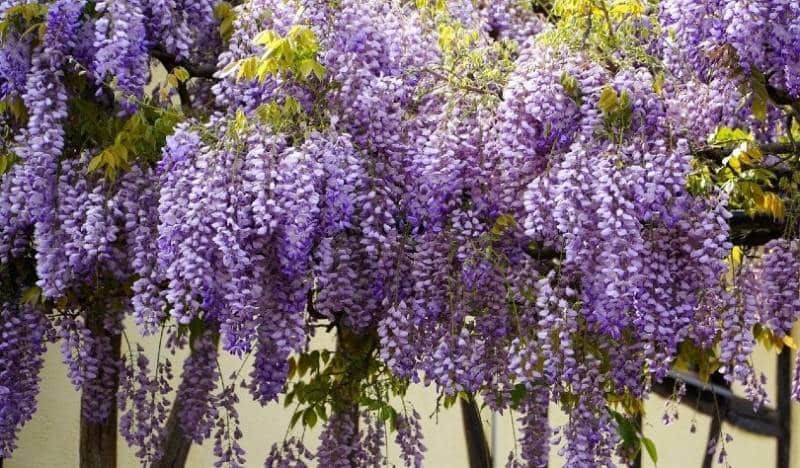
3. Wisteria
The seeds and seed pods from wisteria are especially toxic and can cause a variety of signs and problems, from vomiting, nausea, dehydration, diarrhea, to abdominal pain and collapse.
4. Milkweed
Milkweed and its sap are moderately to severely toxic to cats and may cause abnormal heart rates and rhythms, as well as vomiting, weakness, diarrhea, breathing difficulties, damage to the liver or kidneys, neurological signs, or worse, depending on the ingested amount.
5. Lemon Grass
If eaten in large amounts, lemon grass can cause upset in the gastrointestinal system.

6. English Ivy
This is a type of ivy poisonous to cats due to compounds the hederagenin and polyacetylene. The foliage is more toxic than the berries, causing vomiting, abdominal pain, hypersalivation, and diarrhea.
7. Nightshade
All varieties of this plant are extremely toxic. These types of plants include tomatoes, potatoes, eggplant, nightshade, bittersweet, petunia, chili peppers, and more. Ingestion may lead to a variety of signs, from drooling, vomiting, diarrhea, drowsiness, depression, confusion, weakness, dilated pupils, and evena slow heart rate.
8. Foxglove
Foxglove contains naturally occurring poisons affecting the heart and gastrointestinal tract, and is extremely poisonous to cats.

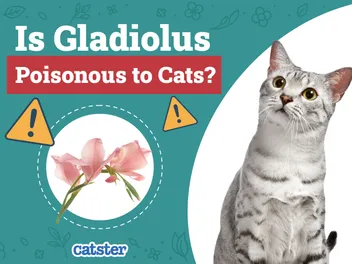
9. Gladioli
The bulb of the gladioli plant is the most toxic part and can cause stomach upset if consumed.
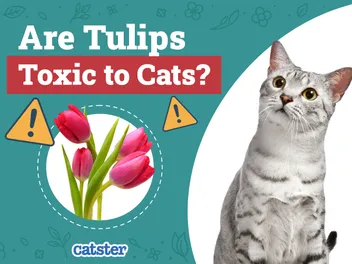
10. Tulips
The bulb is the most toxic part, but all parts of the tulip plant can be harmful. They contain allergenic lactones which, if swallowed, especially the bulb, may lead to vomiting and diarrhea.
How to Check if a Plant Is Toxic
The most effective way to check if a plant is toxic to your cat, and to give you as much information as possible, is to consult the ASPCA’s online list. This site extensively details the toxic plants for cats, so you may wish to print out the lists, bookmark the site, or screenshot a picture and keep them on hand in case you should ever need to reference them.
The examples given and the lists provided may not be an exhaustive catalog of all possible toxic plants; therefore, any concerns or suspicions about plant types and varieties need to be checked with your veterinarian, or alternatively, you can call the Animal Poison Control Centre or the Poison Helpline. In the UK, you can join or call the Animal Poison Line.
If your cat has, or you suspect they have either eaten, chewed, nibbled, or licked any kind of plant, contact your veterinarian or poison helpline for advice and help, especially if your cat is exhibiting any signs of poisoning.
Signs of Plant Poisoning in Cats
Your cat devouring plants is absolutely something to be concerned about and needs to be prevented. The signs and health problems experienced by your cat following ingestion of a toxic plant can vary from mild to severe. For example, plants from the nightshade group can cause severe gastrointestinal and neurological signs affecting the heart as well, which can be life-threatening depending on the amount being consumed. Each plant has its own level of toxicity, causing different effects, signs, and problems. But if you spot any of the following signs and have any of these plants in your garden, call your veterinarian straight away to seek help. Better yet, don’t wait until signs occur!
- Drooling
- Breathing difficulties
- Weakness
- Increased or decreased drinking or urination
- Vomiting
- Diarrhea
- Incoordination
- Dilated pupils
- Decreased eating
- Twitching or tremors
- Irritated skin, eyes, or gums
- Lethargy
How to Prevent Your Cat From Eating Plants
Taking measures to prevent your cat from eating plants gives you the opportunity to keep your cat safe while still keeping your flora. It is worth noting, however, that if eating your outdoor plants is a new behavior, you should have your veterinarian check over your kitty to rule out any underlying medical condition causing the new habit.
- Ensure your cat has enough recreational activities to prevent boredom. Scratching posts and toys, for example, provide entertainment.
- Check that your cat is being fed the correct amount of food daily to keep hunger at bay.
- Make plants unappetizing or unappealing by spraying the plant’s pot with a solution of white vinegar and water. This harms neither the plant nor your cat but deters your pet, as they dislike the smell.
- Pet-friendly commercial sprays can also be used to deter pets.
- Bury citrus peels in the soil. Cats detest the smell of citrus; however, care needs to be exercised, as citrus itself is also toxic to cats. Therefore, concentrated citrus sprays, oils, or solutions need to be avoided.
- Surround the plants with items such as soda cans, foil, pebbles, or sticky products to ward them off, as many cats are averse to the noise and texture of these items.
- Provide cat grass or safe cat plants to offer your cat their own greenery.
- Only purchase pet-safe plants for your garden.
Conclusion
Outdoor plants can bring joy, happiness, and peace to your garden. But choose your plants carefully! With so many toxic varieties, it is easy to pick a plant that isn’t safe for your furry friend. At the end of the day, our pets’ safety is far more important than having a dangerous plant in our gardens. See also:
Do Cats Get Sad When You Leave for Vacation? Feline Feelings Explained
How Do I Get Poison Ivy Off My Cat Safely? (5 Vet Recommendations)
Sources
Featured Image Credit: Matthias Böckel, Pixabay
Expert cat care, straight to your inbox
News, insights, and useful advice, delivered to you.

No spam — unsubscribe anytime.
By signing up, you agree to our Terms & Conditions and Privacy & Cookies Policy.
How useful was this post?
Click a star to rate. You can leave written feedback afterwards. (We read all feedback.)
Annaliese qualified as a veterinary nurse from Edinburgh and went on to attain a diploma in advanced veterinary nursing in surgery from London. Throughout this time, she worked in both small and mixed veterinary practices and gained head nurse status.
Having cared for thousands of patients and owners, and after more than two decades in the veterinary and pet care industries, both as a vet and a writer, she has now officially retired her scrub suit and now works as a full-time writer.