15 Best Cat Breeds for Families With Kids (With Info & Pictures)

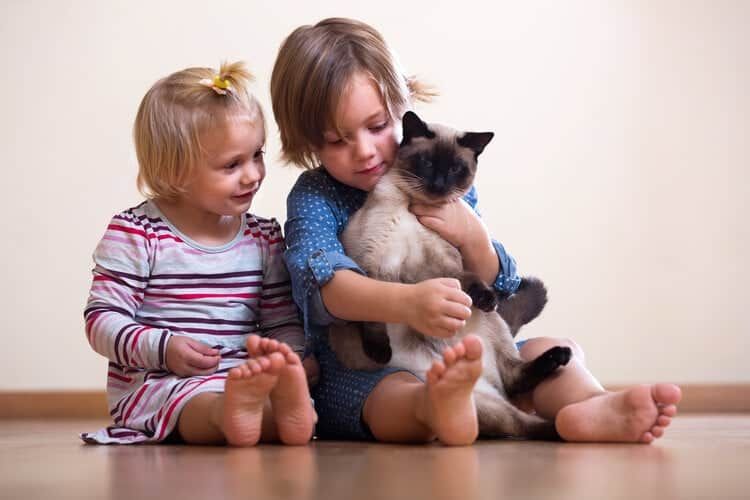
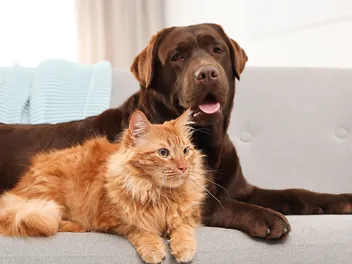
Despite having a reputation for being distant and aloof, cats are wonderful companion animals and can be excellent pets for families with young kids. Their small size makes them less intimidating for children, and some can be extremely affectionate and playful as well.
While individual cats may not always fit into their breed’s standard temperament, being well-informed about certain breeds can help you find the right cat for your family. Here are some cat breeds commonly known to be good fits for families with kids.

The 15 Best Cat Breeds for Families With Kids
1. Maine Coon

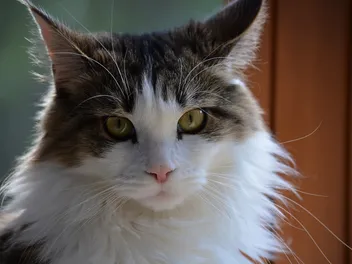
The magnificent Maine Coon is known to be the gentle giant of the cat world. These cats can grow to weigh around 20 pounds and are quite hardy and resilient. Maine Coons don’t typically have aggressive tendencies. Rather, they’re known to be patient with children and have a gentle demeanor.
Maine Coons are also playful and intelligent, and some are known to have more stereotypical dog-like tendencies. For example, it’s not rare for Maine Coons to enjoy playing with water and learning tricks. Due to their easygoing and playful personalities, they often become perfectly sized-playmates for young children.
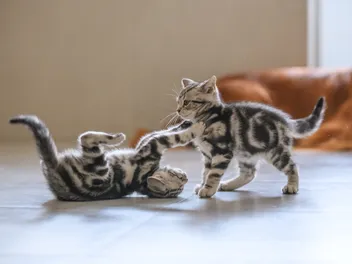
2. American Shorthair

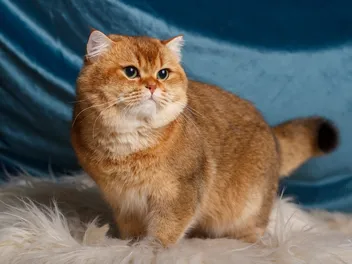
American Shorthairs are known to form strong bonds with their families. They’re quite adaptable and can be both gentle and playful. While they like people around their family members, they’re not known to be needy. Instead, they’re pretty easygoing and are often perfectly content just being in the same room with their favorite people.
American Shorthairs can be cuddly and usually won’t make a fuss when held. However, they prefer playing with children and relaxing in a hammock or cat tree after playtimr.
3. Birman

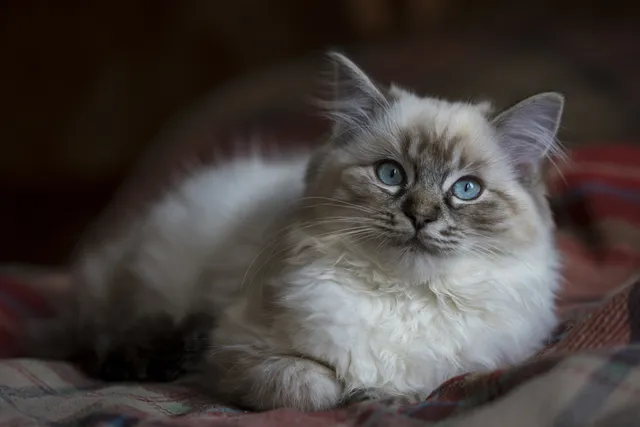
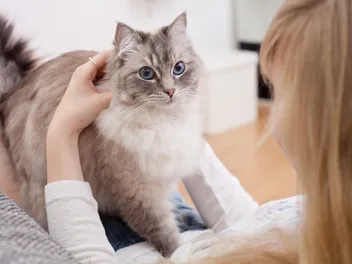
The Birman is an old cat breed that has lived alongside humans for centuries. These cats are wonderful companion cats that develop strong bonds with their families. They have easygoing and gentle personalitie, andaree also quite adaptable and undemanding. These qualities make them popular with first-time cat owners and families with children.
Birmans tend to be pretty calm, but they love receiving attention. They’re the type of cat that will follow you around the house and aren’t shy about approaching you for attention. They’re also friendly and don’t mind meeting new people. So, you don’t have to worry about them if you plan to host play dates or birthday parties at your home.
4. Abyssinian

Abyssinians are smart, active, and curious. They’re also friendly and playful, so they’re often good playmates for childrenwithe playful energy. You may even catch an Abyssinian in a cute conversation with a child because they can be vocal and enjoy “talking” to people.
Because they’re on the more active end, it’s rare for Abyssinians to become lap cats. They like to entertain and be entertained. They’ll also appreciate having a cat tree and multiple vertical spaces in the home so they can retreat to a safe, secluded space if they need some alone time.
5. Burmese

Burmese are friendly and outgoing cats that fit in well with active families with kids. They enjoy being a part of the action and end up becoming loyal family members. They’re also fairly adaptable and can get along with dogs and other cats.
Because they’re so social, Burmeses don’t like being alone for long hours. They enjoy playing with people, following them around from room to room, and taking naps together.
6. Cornish Rex

Cornish Rexes are active and intelligent cats. Their curiosity and playfulness seem to be insatiable, and they’re usually willing to play with children at any time of day. Even though they have a slender build, they’re quite sturdy and willing to engage in all kinds of play.
Life is truly never boring when a Cornish Rex is around. It’s important to cat-proof your home, as these curious cats can easily get onto high tabletops and inside cabinets and pantries. They’ll appreciate having plenty of vertical spaces for them to leap onto and explore.
7. Devon Rex

Devon Rexes are similar to Cornish Rexes and share the same playful personality. They’re quite the entertainers and often enjoy being in the spotlight. They love to play fun games and require a decent amount of daily exercise.
Devon Rexes develop strong bonds with their families and are known to follow people around like shadows. They can be a little shy with strangers in the beginning, but they’re usually pretty quick to warm up to new people.
8. Manx

The Manx is a friendly cat with an even temper and an easygoing personality. They can be pretty independent and want to have their alone time, but they’re highly loyal and show love in their own unique ways. These cats have adorably round features, but they’re also prone to excessive weight gain. So, it’s important to be mindful of how many extra treats they eat and how much exercise they’re getting every day. Children can play an essential role in playing with them and ensuring that they’re staying active.
Another added benefit is that Manx cats don’t have tails. So, unlike many other cat breeds, you don’t have to worry about any potential injuries from their tails getting pulled.
9. Ragdoll

Ragdolls are a larger cat breed, but they have very docile personalities. In fact, they got their name because they’ll become limp like a doll when they’re picked up. Ragdolls are known to be patient with children and develop strong loyalty tendencies to their families. They’re relatively calm, so it’s unlikely that they’ll be high-energy playmates for kids. However, they make some of the best cuddle buddies, and their larger size can give children a sense of safety and security.
10. Ragamuffin

The Ragamuffin is another large cat breed, and they’re a popular breed for families with kids. Ragamuffins are quintessential family cats with an easygoing personality and gentle temperament. They’re also known to get along with dogs and other cats.
Despite their large size, they typically don’t mind being held and getting petted. They can be very playful, but at the end of the day, they’re perfectly content being lap cats and enjoy cuddles and napping near their family members.
11. Himalayan

Himalayans are gentle and intelligent cats with adaptable natures. They can be fun and energetic playmates, but they’re most known for being calm lap cats that just enjoy napping in the same room as you.
Himalayans are also relatively sociable and don’t mind having strangers and new people in the home. They’re known to be easy to socialize and can happily co-exist with dogs and other cats.
12. Persian

Persians are affectionate and social cats that enjoy being around people. They’re known to be docile and don’t usually mind being picked up. While Persians usually prefer having someone at home with them at all times, they can be independent and not mind being home alone while you’re out running errands and taking kids to their extracurricular activities. Overall, Persians are easygoing and pretty adaptable. So, as long as you remember to give them their daily doses of attention, they’ll be happy and content.
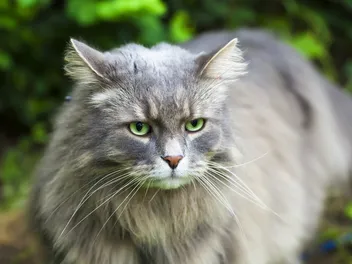
13. Siberian

Siberians are highly active cats that are also known for their resilience and adaptability. These characteristics make them popular cats among families with children and other pets. While their thick, long coats give them a luxurious appearance, Siberians are known to be both playful and cuddly. They tend to have a lot of energy and can keep kitten-like tendencies for years. So, they require a good amount of exercise and playtime and are great for children who can devote a good amount of time to play with them.
14. Siamese

Siameses have a reputation for being popular family cats. These cats are both charming in appearance and personality, and they quickly become a central part of the family. Siameses may take some time to settle down, so it’s important to teach children how to interact with new cats respectfully. However, once a Siamese gets comfortable, they develop strong bonds with people.
Siameses are also playful and can be quite entertaining. Some can be fairly vocal and enjoy having “conversations” with people. So they can be fun and attentive companions for kids.
15. Bombay

Bombays are known for their intelligence and people-oriented temperaments. These cats love to play and interact with people, so they’re excellent candidates for families with active young kids. They also do best in homes where there’s usually someone around because they don’t like being home alone for too long.
Bombays are commonly social and aren’t shy about approaching new people and strangers. So, they usually don’t mind if other children are over for playdates. Remember that all children must learn how to interact with cats appropriately to prevent Bombays from feeling stressed or scared.
Conclusion
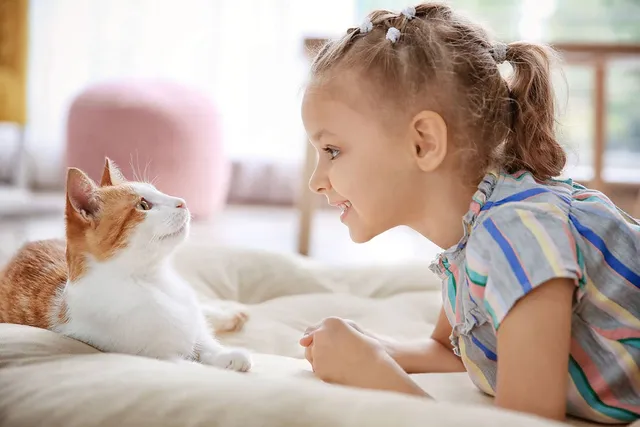
While not all cats are a good fit for families with kids, it’s certainly possible for cats to become best friends with children. There are many good breeds that have temperaments and personalities that match your family’s lifestyle.
Finding a cat that fits in well with your family is important, but it’s also crucial to teach children how to interact with and handle cats appropriately and respectfully. By doing so, you can make your home a comfortable and safe space for a new cat, and everyone will quickly fall in love with the latest furry addition to the family.
Featured Image Credit: Bear Fotos, Shutterstock
Expert cat care, straight to your inbox
News, insights, and useful advice, delivered to you.

No spam — unsubscribe anytime.
By signing up, you agree to our Terms & Conditions and Privacy & Cookies Policy.
How useful was this post?
Click a star to rate. You can leave written feedback afterwards. (We read all feedback.)
Jessica is a freelance writer who spends most of her day researching and writing while her fluffy Cavapoo, Nora, naps beside her. She loves and appreciates pets and animals because there’s so much to learn from them, and they do so much for people. As a dog owner, she understands the special connection that pet owners form with their pets. She loves sharing helpful information that people can use to better understand their pets. When she’s not writing, you can find her walking dogs, tending to her plant babies, or drinking her nth cup of coffee.