Get

In Your Inbox

Catster is reader-supported. When you buy via links on our site, we may earn an affiliate commission at no cost to you. Learn more.

Why Do Cats Rub Against You? 4 Vet-Verified Reasons For This Behavior

Share

cat rubbing against owner

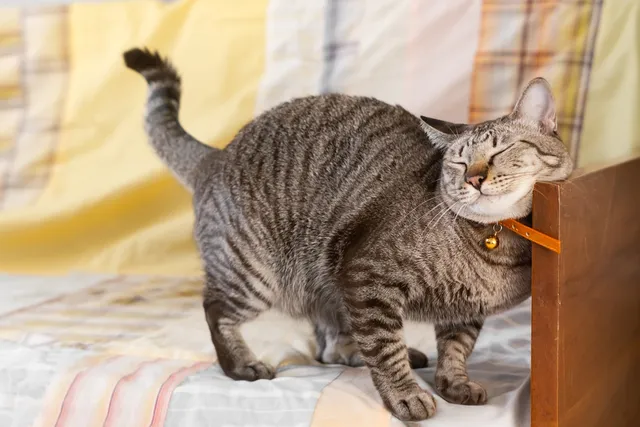
One of the most heart-warming feelings is a kitty rubbing up against you, asking to be pet. But have you ever stopped to wonder what those gestures mean in cat language? There are two main ways a cat rubs their human friends—something called head bunting and leg rubbing.

Body language can teach you so many important things about how your cat feels. When they give attention, it’s only natural to reciprocate. But what if it’s not the attention they seek? Find out what each of these actions means so you can better decode kitty speak.

divider cat faces oct 2024

Cats & Olfactory Senses

Smell is your cat’s primary sense. They use scent more than any of the others to learn things about their surroundings. Unlike people who only have 5 million odor sensors, cats have over 200 million! While they use their nose to navigate their surroundings, they also leave a trail of their own.

Cats have scent glands on their face (among other places), and whenever a cat rubs their head on you in a loving manner, they’re essentially transferring their scent onto you—kind of a claiming tactic (aw!).

divider cat faces oct 2024

Types of Cat Rubbing

There is a different meaning to each way your feline approaches you. Most commonly, when a kitty rubs against your leg or hand—they’re trying to accomplish something more than just being affectionate. It’s a means of communication, but what are they trying to say?

1. Head Bunting

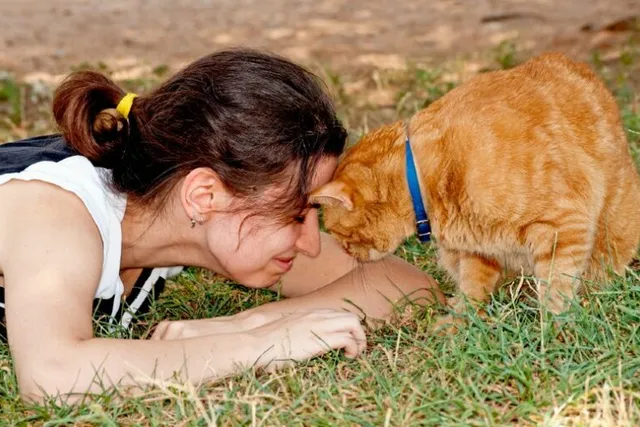
We’ve all been bunted before—your cat just comes up and forces you to pet them by pushing their head into your palm. But are they demanding attention, or is it something more?

Bunting is a well observed trait—big cats do this to each other in the wild. Another term for the behavior is “allorubbing.” They use this method to gather your scent and leave their own on you. It’s very much a territorial, lovable gesture.

Ultimately, your cat is saying that you’re part of their circle, and they left their mark to prove it’s true.

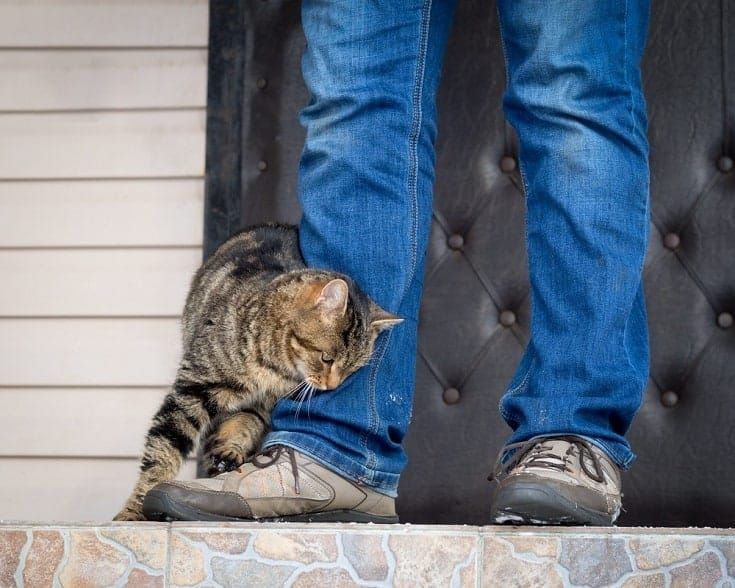
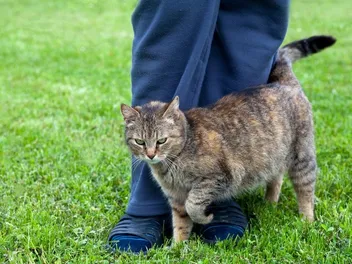
cat rubbing face on man's leg
Image Credit: AlenaBalotnik, Shutterstock

2. Leg Rubbing

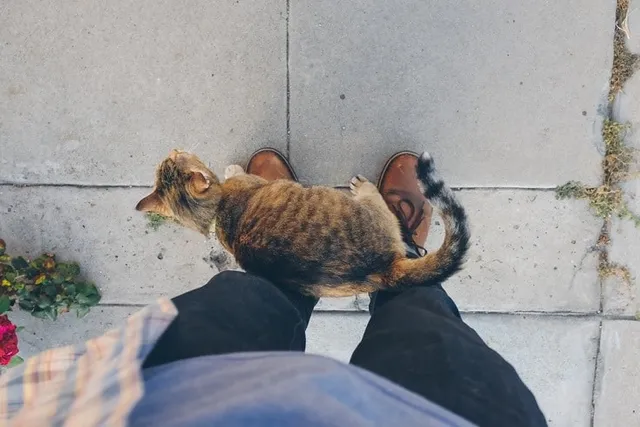
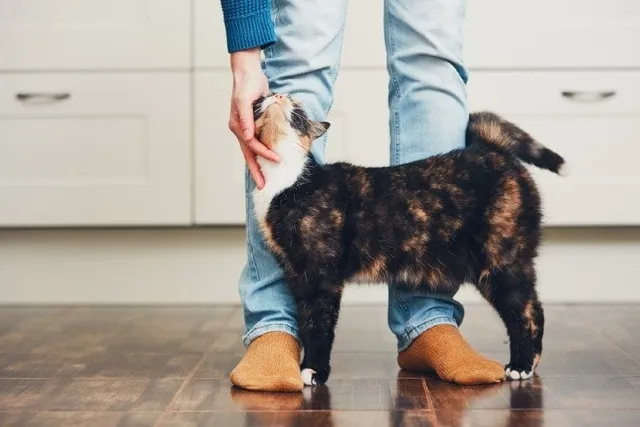
Leg rubbing is something even people who don’t own cats have probably encountered. This is a greeting to say hello—but it’s also a way to mark you, or to grab your attention (if it’s worked before for this purpose). Some cats will do this to strangers if they’re extra friendly, but most reserve this behavior for their humans.

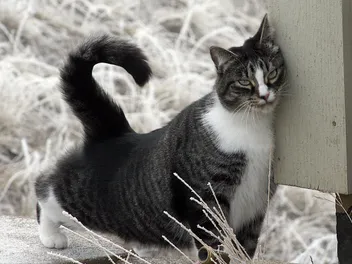
You might find that they rub on your legs when they are welcoming you or when they’re hungry. We’ve all tripped over our cats as they weave through our legs, begging for food or scratches with loud meows. Cats will even rub against inanimate objects in this manner.

While it can be a nuisance when we’re in a hurry, it’s an adorable gesture from our feline friends that every cat lover can appreciate.


3. Rolling

When a cat is rolling, it’s often a sign of happiness and contentment. You might find them rolling to show you their belly when you enter the room. This is likely your cat’s way of saying they’re pleased with whatever is going on, and they’re excited to see you.

If you’re lying next to your kitty, they may roll onto you while purring. They are comfortable, cozy, and love their current company. Be careful, though—we all know how one accidental touch of the tummy can send your cat into attack mode, gloves off!

domesticated orange tabby cat rolling around in the dirt
Image Credit: Fitzgerald, Shutterstock

4. Smelling or Rubbing on Human Feet

If your feet are sweating or secreting any scents, you might not always smell it, but your kitties do.

If you’re relaxing in your recliner and your cat won’t stop rubbing and sniffing your feet, they are probably just checking out the scents your body is putting off. They may want to contribute to these scents by giving you some of their own.

divider cat faces oct 2024

Final Thoughts

So, now we know that almost all feline rubbing has to do with marking. It is yet another way cats can use scent glands to show possession—both of other beings and their territory.

Kitties have interesting body language—including their bunting and marking. It is fascinating just how they perceive us, and it is always best to know how they feel about you. Rubbing against you means they leave their stamp of approval—and that should make you feel special.

Sources

Related Reads: 


Featured Image Credit: Irina Kozorog, Shutterstock

Want content like this delivered to you?

Sign Up For Our Newsletter

News, insights, expert advice, and everything cat

* By submitting, you agree to our Terms & Conditions and Privacy & Cookies Policy.


How useful was this post?

Click on a star to rate (you can leave written feedback after clicking submit)

Help us improve Catster for pet parents!

Your feedback really matters.

What did you like about this post? Also how can we improve it?

Join the conversation

2 Responses

    1. Hi Cristy,

      Thank you for your question! It's quite common for cats to rub their heads as a sign of affection or to mark their territory, but the sudden bite might be their way of playing or communicating.

      For more insights, I recommend checking out this article:
      – https://www.catster.com/cat-behavior/why-does-my-cat-bite-my-feet/

      Kind Regards

Leave a Reply

You’re very welcome to leave a comment or question. Please know that all comments must meet our community guidelines, and your email address will NOT be published. Let’s have a positive and constructive conversation.


Talk With A Vet Online

Peace of mind,
anywhere, anytime

Affordable vet advice

Do Cats Cause Schizophrenia? Scientists Find a Link – Here’s What It Means

Being a fierce advocate (and occasional recipient of) mental health support and awareness, the term ‘crazy’ is not one I like to fling...

One in 100 Cats Gets Diabetes – Here’s How to Catch It Early

One in every 100 cats develops diabetes.1 That’s not a rare, unlucky condition reserved for cats with obvious health problems. It’s common enough...

Dramatic Rescue Turns Into Dramatic Reunion

What started as a routine call for the RSPCA became a heroic, five-hour rescue featuring one trapped and traumatized cat, an emotional family...

Ask Dr. Paola – Help! How Do I Know if it’s Ear Mites! (May 4, 2026)

Welcome to our “Ask Dr. Paola” series, where every Monday we bring expert advice straight from Dr. Paola Cuevas (MVZ) to help our...

More related

FIV in Cats (Feline Immunodeficiency Virus): Vet Explained Causes, Signs & Care

It is always a bit concerning when your cat seems ill, so you might feel more comfortable if you took them to the...

Why Do Cats Trill & What Does It Mean? Vet-Verified Feline Vocalization Facts

Cats make quite a few different noises, and one of the cutest that we’ve ever heard is trilling. This is a blend between...

100+ Egyptian Cat Names: Ideas for Enlightened & Divine Cats

One quick search of ancient Egypt, and you’ll quickly realize how important cats are to Egyptian history. The ancient Egyptians are said to...

Which Breeds Inspired Snowball the Cat? History of The Simpsons Cat

For over three decades, “The Simpsons” has been entertaining audiences around the world with its quirky humor and relatable characters. One of the...

Keep reading

Osteochondrodysplasia in Scottish Folds: Vet Approved Signs, Causes & Care

Scottish Fold cats are sweet, mellow, laid-back, and fun. They’re known for their folded ears, chubby faces, and sweet temperaments. The breed’s folded ears are related to a genetic mutation that causes skeletal and joint deformities. Cats with folded ears...

vet holding a senior cat

Why Do Cats Lift Their Tail When Petted? 4 Vet-Reviewed Reasons

If you have ever been petting your cat, you may have noticed that they lift their tail or bum in the air. There is a lot of confusion as to why cats do this and what the meaning behind the...

woman owner petting and playing with her cat at home

Why Does My Cat Hide and Sleep in the Closet? 9 Vet-Reviewed Reasons & Tips

Cats are fun pets, but they can exhibit many strange behaviors, one being hiding and sleeping in the closet. We know it can be alarming when your pet suddenly disappears, especially if you aren’t sure why your cat might be...

ginger cat hiding in the closet

How Often Should You Wash a Cat’s Bed: Vet-Reviewed Tips & Tricks

Just like you should wash your bedding every week or two, the same is true for your cat’s bedding. Ideally, you’ll want to wash it once a week, but if they don’t spend all that much time using it, you...

Cat near a Washing Machine

Is Cat Palm Toxic to Cats? Vet-Approved Facts & FAQ

There are many common houseplants that people keep in their homes, but owners with pets need to be vigilant about the safety of various common houseplants. In general, pet owners will try to keep their new plant friends out of...

Catster_Is Cat Palm Toxic to Cats

How Often Should You Wash a Cat’s Food & Water Bowls? Vet-Approved Advice

Keeping your cat’s food and water bowls as clean as possible is important. Cleaning them regularly can reduce the risk of dangerous bacterial contamination, which can lead to health issues for your pet. But how often should you be washing...

Washing animal food bowls under the tap in the kitchen sink.

Cat Pregnancy Timeline & Stages: Vet-Verified Week-by-Week Facts

Cats evolved to get pregnant very quickly, and the act of mating stimulates the release of eggs from the ovaries. So the odds of them getting pregnant are very high. Usually, the average feline pregnancy takes about 60 to 65...

Pregnant cat laying on a staircase

Identifying & Treating Bug Bites on Cats: 9 Vet Approved Tips

Bugs aren’t just a nuisance for us humans. They will bite or sting anyone they deem a threat, including your innocent and beloved kitty. Your cat might one day be sniffing around your backyard when they gets a little too...

Cat wearing collar scratching and itching

Love Cats? So Do We! Join the Catster Community

Stay informed with expert pet care insights delivered straight to your inbox! Discover professional guidance on animal behavior, feeding tips, trusted product picks, and much more.


Sign up for the Catster Email Newsletter

Stay informed with expert pet care insights delivered straight to your inbox! Discover professional guidance on animal behavior, feeding tips, trusted product picks, and much more.