Do Cats Run Away to Die? Vet-Reviewed Feline Behavior


In this article
There’s no shortage of exciting ideas about what extra senses cats have. Some people have even heard that cats can sense when they are going to pass away and will often run away to die. But how much truth is there to that? Do cats hide or run away when they are dying?
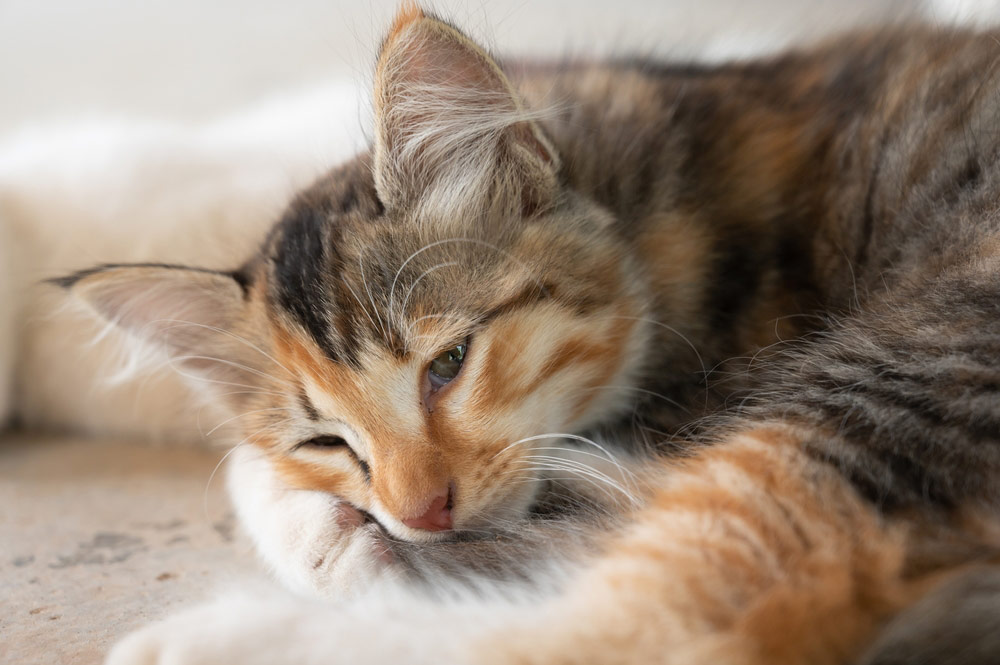
The short answer is no; cats do not run away when they’re going to die. While it’s hard to say for sure, it’s unlikely that cats know they’re going to die when they start to isolate. This desire for isolation is part of an evolutionary defense mechanism that cats have when they’re sick.
Additionally, unwell cats aren’t going to get far. If you look around, you should be able to find your cat even if they’re hiding because they’re sick. What little energy they have will be spent trying to recover or maintain their current condition; they’re not going to run far from home, even if they’re sick.
Read on to learn more.

Why Do Cats Isolate When They Are Unwell?
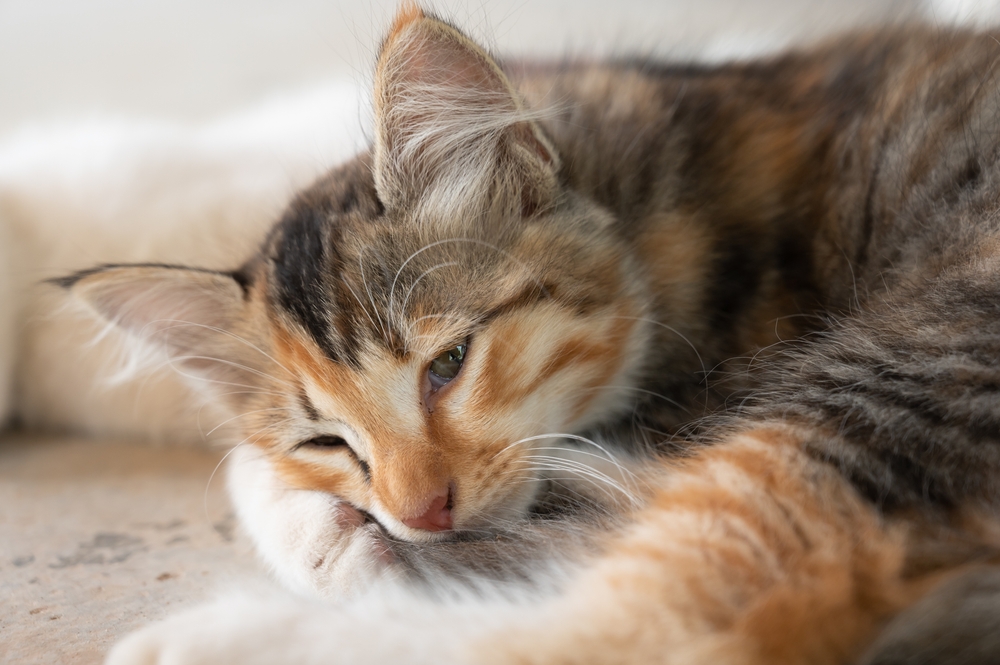
While cats may not know they’re about to die, they’re acutely in tune with their bodily functions, just as humans are. So, they can tell when they’re sick and weak, and cats may isolate themselves when they feel this way.
Many factors cause cats and other animals to isolate when they feel unwell. Predators, environmental stressors, and conserving energy are the most prominent factors in their isolation behavior.
1. Predators
The natural wild world can be a challenge for all animals. Even though cats are predators, they can still find themselves in the position of the prey when up against larger carnivores and even smaller omnivores. By isolating themselves from the world, they can protect themselves from predators who may see a sick, weak cat as an easy meal.

2. Conserving Energy
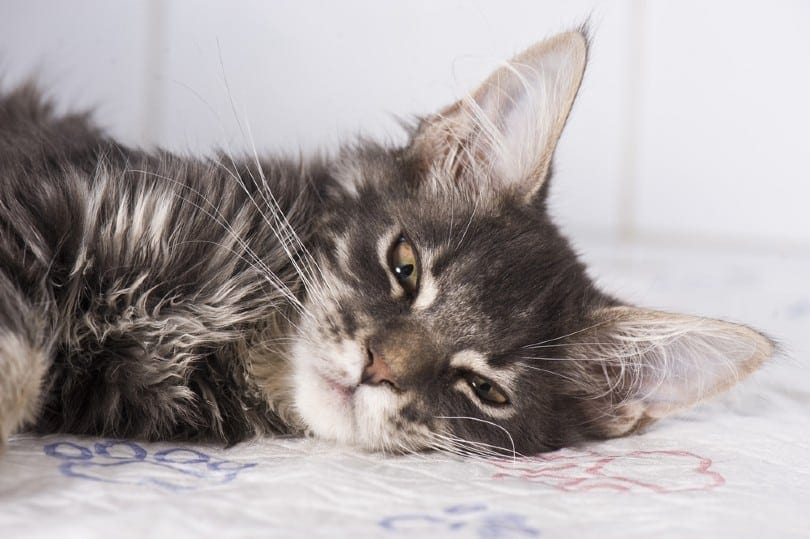
Humans want to sleep when they catch a cold, and so do cats. Conserving energy allows cats to ensure that their bodies maintain critical functions while enabling them to allot their power to recover. When ill, cats don’t want to use energy to be social or play. So, by isolating themselves, they remove these environmental stressors that allow them to focus on getting better.
Oftentimes, they will feel weak and unwell, so any excessive movement is tiring and may cause them stress, particularly if they have breathing difficulties, cardiovascular illness, severe organ system disease, dehydration, shock, anemia, or something else.
3. Peace and Quiet
Additionally, isolating themselves allows them to find a peaceful, safe place to deal with their illness without environmental stressors that may hamper their chances of recovery. Being social takes energy, but so does fielding interactions with their grieving and stressed owner. An extremely ill animal, or even a dying one, wants to do so with as little fanfare as possible.
Petting and affection may also be uncomfortable for a sick cat. They may be avoiding you because you want to make the last of your time together memorable with lots of pets and snuggles while they want to relax in peace.
These factors make isolation a chief component of a cat’s survival instinct for illness.

Do Cats Know When They Are Dying?
While some anecdotal evidence suggests that some cats seem to know when it’s their time to go, there’s no way to know for sure if cats know they’re going to die. There are many factors to this. For instance, we are unaware of which animals can even perceive the concept of death. However, behavior of some animals, even cats, dogs, and cows, may be interpreted by their owners in a way that they may seem to understand what death is. But there are no scientific or empirical studies on whether cats can perceive the concept of death, and these observations may be attempts of people to anthropomorphize their beloved pets, which is understandable.
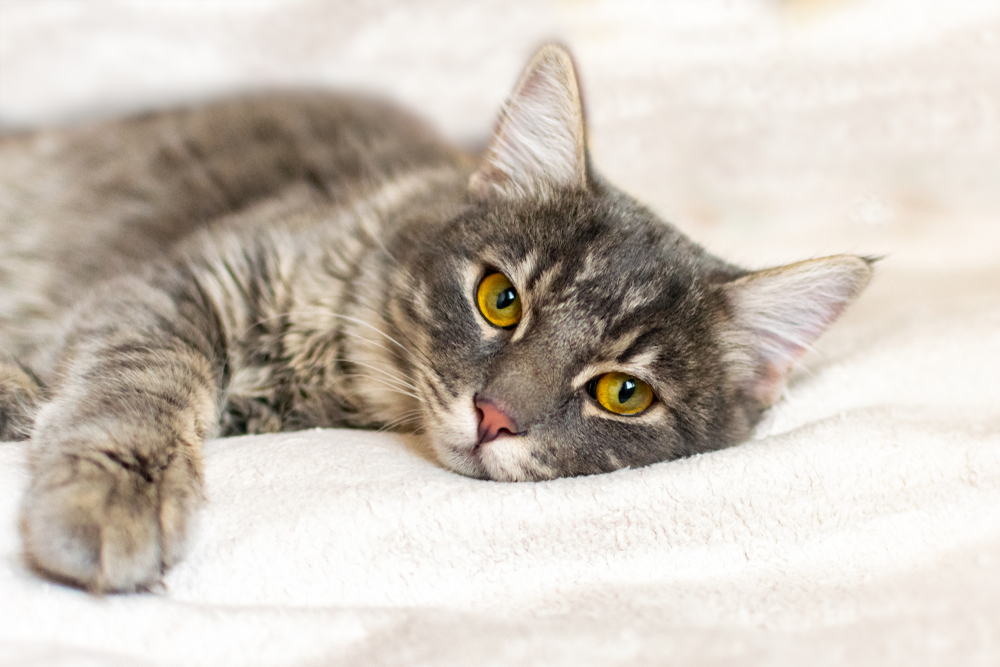
Still, whether cats can perceive the concept of death or not, they’re perfectly capable of sensing their illness. Like a human can feel that their stomach hurts, a cat can do the same. While your cat may be possibly aware of the coming end of their days, it’s more likely that they’re feeling too tired and weak to perform their usual daily activities and are trying to rest and recover from their illness in a quiet, peaceful place. Additionally, some cats have been recorded as becoming very affectionate and clingy in their final days. So, just because your cat likes their alone time doesn’t mean they’re going to die!
If you have any doubts or concerns about your cat’s health or welfare or they are showing any signs of illness, it’s important to get them checked out by a vet immediately.
Where Do Cats Go When They Are Going to Die?
As we’ve covered, when a cat starts to feel ill, most have an instinct to isolate themselves. Thankfully, they don’t usually go far. A sick cat isn’t liable to travel far away; it would be a total waste of energy.
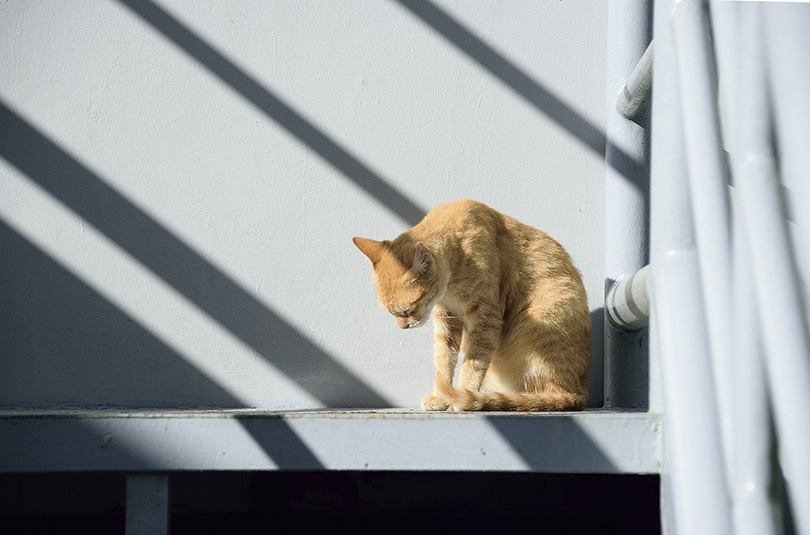
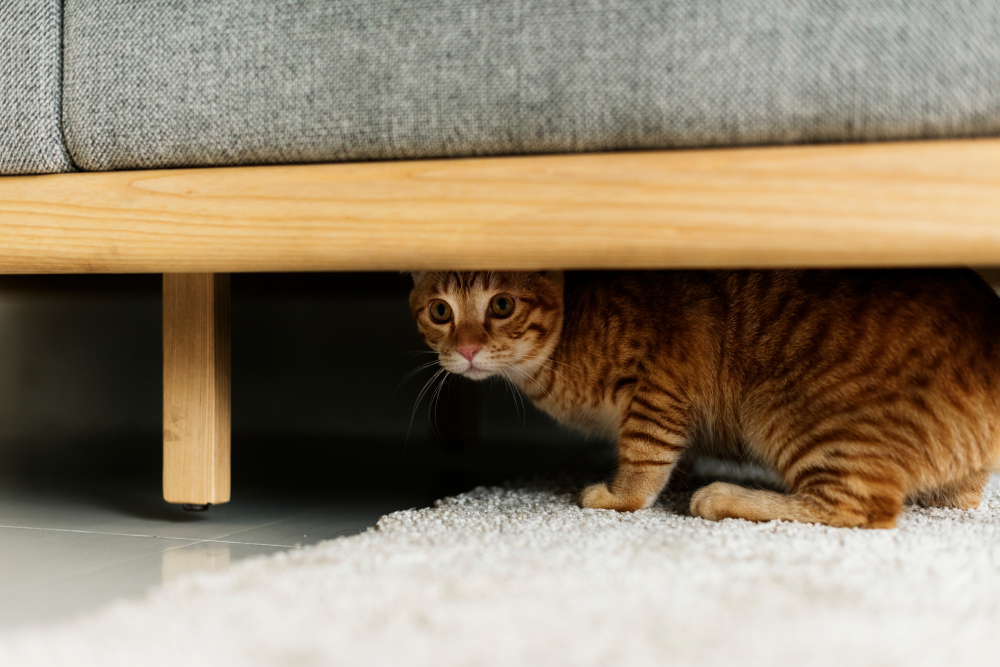
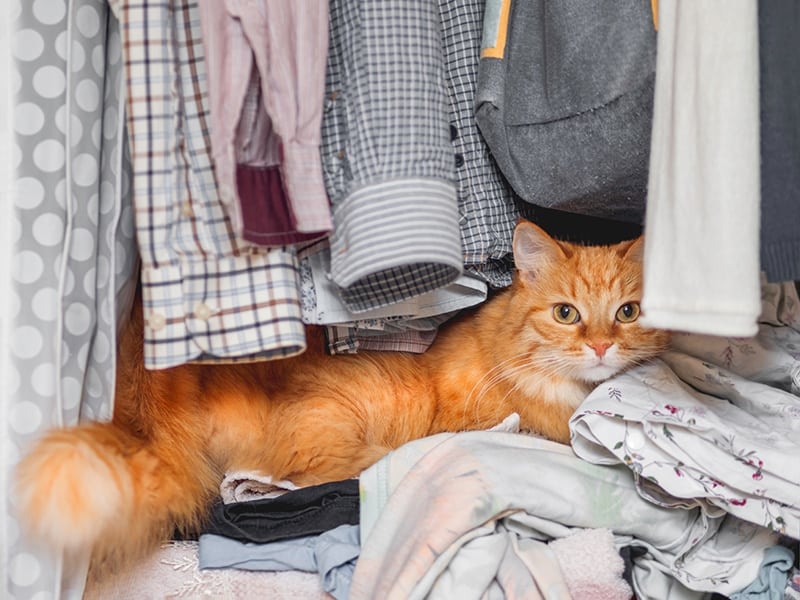
A sick cat will likely find the nearest space they can that satisfies their requirements for isolation: temperate, enclosed, and quiet. If your cat is indoor-only, start checking closets and other enclosed spaces where your cat may be hiding.
If they’re an outdoor cat, look for places near your property. Your cat is unlikely to have strayed far from home. They likely don’t have the energy for it. Some cats will be clingy and will seek the company of their owners instead of hiding.
Final Thoughts
It’s unlikely that cats have a sixth sense for death, but that doesn’t mean we can’t learn from their behavior to help treat them better.
Cats don’t run away to die, but they may hide or become withdrawn when they feel sick. We may not know exactly why they do it, but the behavior is well documented, and we can point to the exact nature of when and why they exhibit it. A veterinarian must oversee your cat if you think they’re exhibiting any changes in behavior that indicates illness.
If your cat is uncharacteristically distant, a veterinarian will know what signs to look for when evaluating your cat and, hopefully, will be able to get them back to total functioning capacity.
Sources
Featured Image Credit: Nils Jacobi, Shutterstock

Expert cat care, straight to your inbox
Vet-reviewed advice, behavior tips, and the best of Catster. Free, and you can unsubscribe anytime.
By signing up, you agree to our Terms & Conditions and Privacy & Cookies Policy.
Luxifa is a freelance writer with a passion for animal science and technology. She loves to share the world of animal science with people to help them make informed decisions for themselves and their pets. Luxifa has worked in professional pet care for over six years and strives to help change the world of pet care by bringing the information people need to them in terms they can understand. Knowledge is power, and Luxifa loves to help everyone become the most informed they can be.
Join the conversation
Ask a question, share your story, or send private feedback.