Get

In Your Inbox

Catster is reader-supported. When you buy via links on our site, we may earn an affiliate commission at no cost to you. Learn more.

3 Food Sources of Thiamine for Cats (Vitamin B1): Vet Reviewed Options

Share

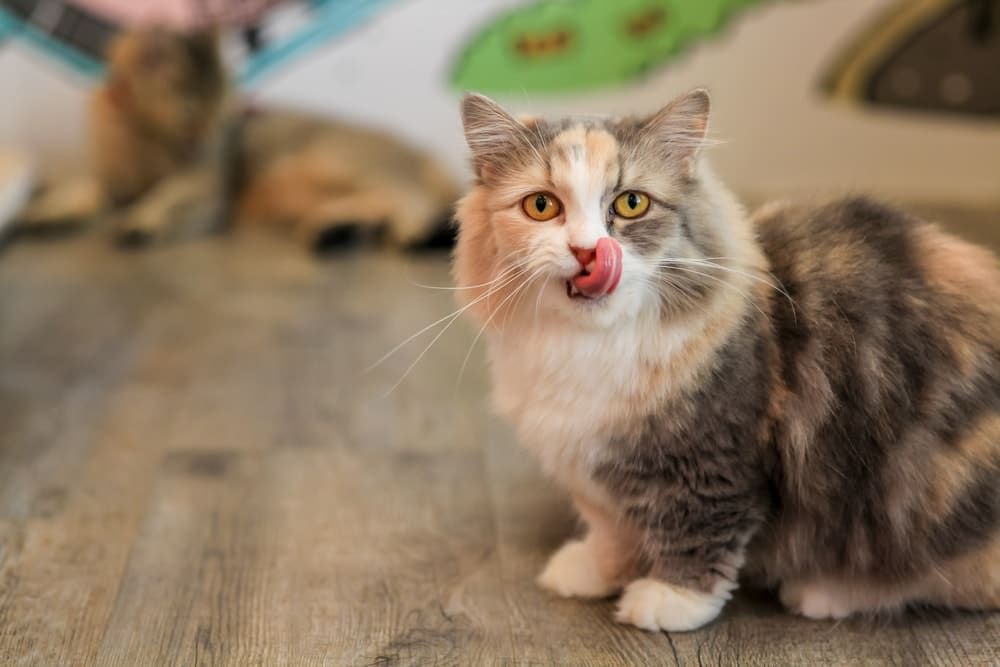
Munchkin cat eating

We all want our cats to be healthy, happy, and with us for as long as possible. That’s why we take them to the vet for checkups, feed them high-quality, protein-filled food, and keep them indoors most of the time.

However, when cats are not fed enough vitamin B1, they can suffer from a thiamine deficiency (the lack of vitamin B1). There are a few foods that will ensure your cat gets the thiamine they need to be healthy and happy. We’ll discuss them and the signs of thiamine deficiency below.

|Important to Note:

“Vitamin B1 is an essential dietary nutrient, and cats must get enough of it in their diets to stay healthy. The vitamin is involved in many processes throughout your cat’s body. Cats require two to four times more thiamine per day than dogs. Feeding your cat a balanced and complete diet is key to their wellbeing.”

divider cats oct 2024

Top 3 Food Sources of Thiamine for Cats

1. Whole Grains

Whole grains are a great source of thiamine for your feline pal. Of course, cats don’t require large portions of whole grains, but you can find them in many cat foods. Some of the most common grains you’ll see in pet food brands include maize, brown rice, and oatmeal.

Although whole grains are a reliable source of thiamine, cats typically shouldn’t get more than 10% of their calories from carbohydrates.1 Therefore, it’s best to avoid carb-heavy cat treats and focus on meals and treats higher in meat-based proteins. Unless your veterinarian determines that your cat has a thiamine deficiency, they will get enough vitamin B1 from high-quality cat food.


2. Pork/Beef/Fish

Pork, beef, and fish are excellent sources of thiamine for your kitty. Several cat food brands use the proteins in their formulations, and you should look for brands that list pork, beef, or fish as the first ingredient. Cats are obligate carnivores and must eat a lot of protein to stay healthy.

If you serve meat or fish, ensure it’s cooked thoroughly. Raw and inadequately cooked fish pose a risk of thiamine deficiency for your cat. This happens because some fish and shellfish’s raw flesh and viscera contain an enzyme (thiaminase) that destroys thiamine (Vitamin B1).

As with anything else you cook and feed your cat, do not add seasonings and spices such as salt, garlic, and onions. Feeding your cat cooked meat without any seasoning is best to prevent an upset stomach or toxic reaction to garlic and onions.

can cats eat pork
Image Credit: WiP-Studio, Shutterstock

3. Legumes

Several legumes can help with your cat’s thiamine levels as well. Legumes are often listed as ingredients in cat food, but if your cat consumes any of the legumes below, ensure they are cooked without seasonings.

Thiamine levels are decreased when legumes are cooked, and it’s better to serve your pet cat food with thiamine because it’s formulated to include the proper amount. However, the legumes below can boost their thiamine levels:

  • Chickpeas
  • Green beans
  • Kidney beans
  • Black beans
  • Lentils
  • Lima beans
  • Peas
  • Soybeans
  • Pinto beans

These are not the only sources of Vitamin B1. It can also be found in other foods like liver, eggs, brewer’s yeast, and asparagus.

divider cats oct 2024

Signs of Thiamine Deficiency in Cats

Now that you know which foods will ensure your cat has enough thiamine to be healthy, we’ll list the signs of a thiamine deficiency below.

  • Ventroflexion: the cat’s neck is bending towards the floor or curling
  • Circling
  • Falling
  • Incoordination
  • Spastic or abnormal gait
  • Dilated pupils
  • Head is tilting
  • Opisthotonos: when the head, neck, and spine arch backward
  • Seizures
  • Stupor

How Is Thiamine Deficiency Treated?

Thiamine deficiency is treated with oral or injected medication if your cat already shows neurological signs. However, providing adequate quantities of thiamine with a diet change is the treatment of choice for this condition.

You can prevent the deficiency from happening by feeding your cat high-quality, protein-filled, balanced and complete cat food. An experienced veterinarian can be a great assistance with this, so don’t hesitate to give a call to one.

divider cats oct 2024

Conclusion

Thiamine deficiency is a condition that affects cats and dogs. A lack of vitamin B1 causes severe health issues that can lead to death. If you see any signs of thiamine deficiency in your cat, rush your cat to the emergency clinic immediately. If caught in time, the condition can be treated, but it can be prevented by feeding your cat well-balanced cat food containing thiamine sources like the ones we discussed.


Featured Image Credit: Twinsterphoto, Shutterstock

Want content like this delivered to you?

Sign Up For Our Newsletter

News, insights, expert advice, and everything cat

* By submitting, you agree to our Terms & Conditions and Privacy & Cookies Policy.


How useful was this post?

Click on a star to rate (you can leave written feedback after clicking submit)

Help us improve Catster for pet parents!

Your feedback really matters.

What did you like about this post? Also how can we improve it?

Join the conversation

Leave a Reply

You’re very welcome to leave a comment or question. Please know that all comments must meet our community guidelines, and your email address will NOT be published. Let’s have a positive and constructive conversation.


Catster's Digital Magazine is Back!

Vet-approved health & behavior advice

Real cat stories & community features

Chatting About the Importance of Spaying/Neutering, Cat Retail Shopping Ban & Red-Level Storms | Chatty Cattys, Episode 30

In this episode of Catster’s Chatty Cattys podcast, Nicole and Dr. Karyn are celebrating a major legal win for pets before diving into...

Is Your Cat Happy? Here’s How You Can Tell

Cats have a reputation for being indifferent, even inscrutable. But despite their seemingly ambivalent appearance, cats experience many emotions, including happiness, and they...

Human Brains Age Like Cats – New Study Debunks the 7-Year Rule

If you’ve ever caught your senior cat staring blankly at a wall, wandering the halls at 3 am, calling out for no clear...

Chatting with Devin About Here! Have a Kitten, Fostering, & Why Two Are Better Than One | Chatty Cattys, Episode 29

In this episode of Catster’s Chatty Cattys podcast, Nicole & Dr. Karyn sit down with Devin, the founder and one-woman show behind “Here...

More related

Are There Birth Control Pills for Cats? Vet-Reviewed Facts & Alternatives

Most pet parents of female cats, unless they are intending to breed them, are keen to prevent their cats from having kittens and...

How to Get Your Cat to the Vet: 6 Vet-Approved Tips If They Really Don’t Want to Go

Going to the vet will be a routine (but hopefully not regular!) part of your cat’s life, but they might never acclimate well....

73 Adorable Bombay Cat Names – Unique & Fun ideas

For centuries, many cat owners have wondered what it would be like to have a big cat living in their home. There’s something...

Best Waters for Cats: 6 Vet-Reviewed Types & FAQ

Although cats aren’t known to lap up a bowl of water like dogs, they need to remain hydrated, and it is also crucial...

Keep reading

Can Cats Eat Tuna? Vet-Reviewed Nutrition Facts & FAQ

Tuna is one of the human foods most offered to cats, either as a treat or part of their daily diet. However, just because your cat loves tuna doesn’t mean it’s healthy or safe for them. Cats shouldn’t eat tuna...

Can Cats Eat Tuna

Can Cats Eat Duck? Vet-Approved Nutritional Facts & FAQ

Cats are obligate carnivores, which means they need meat in their diets to get all the nutrients they need to survive, such as vitamins and minerals. Animal protein is essential for their overall well-being, but is all meat safe for...

Can Cats Eat Duck

10 Best Food for Cats With IBD in 2026 – Reviews & Top Picks

We all want to feed our cats the best food, but when they have irritable bowel disorder (IBD), finding it can be a bit of a challenge. Since simply switching their food can cause a flare-up, you want to get...

grey cat just finished eating

Why Does An Adult Cat Go Limp When You Grab Their Scruff? Vet-Verified Reasons & FAQ

When mother cats want to move their kittens, they gently bite the skin on their necks to lift them. The kittens almost always react the same way: They go completely limp. There’s even a scientific name for this inert, lifeless...

Owner grabbing a cat by the Scruff

3 Food Sources of Thiamine for Cats (Vitamin B1): Vet Reviewed Options
We all want our cats to be healthy, happy, and with us for as long as possible. That’s why we take them to the vet for checkups, feed them high-quality, protein-filled food, and keep them indoors most of the time....

Munchkin cat eating

How to Get Cats to Get Along: 9 Tips & Tricks

Getting a new cat seems like a great idea. You’ll have a new pet to love and care for, and your current kitty will have a new friend to nap and play with. However, some cats don’t get along. Instead...

young woman introducing two cats with each other

How to Take Care of Your New Kitten: 8 Vet-Approved Tips

Bringing home an adorable new kitten is an exhilarating time. Kittens are incredibly energetic and never fail to entertain you with their antics. But if you’ve never owned a cat, it can also feel like a huge responsibility. Check out...

bicolor ragdoll kitten

Can Cats Have Tics? Vet-Verified Signs, Causes, Treatment & More

Have you ever noticed your cat twitching uncontrollably or showing some type of repetitive behavior, such as excessive grooming, tail chasing, or frantic biting? Such a display may point to a neurological issue, and to some, these the signs may...

white cat wave his paws

Love Cats? So Do We! Join the Catster Community

Stay informed with expert pet care insights delivered straight to your inbox! Discover professional guidance on animal behavior, feeding tips, trusted product picks, and much more.


Sign up for the Catster Email Newsletter

Stay informed with expert pet care insights delivered straight to your inbox! Discover professional guidance on animal behavior, feeding tips, trusted product picks, and much more.