Catster is reader-supported. When you buy via links on our site, we may earn an affiliate commission at no cost to you. Learn more.

Cat Breeds

Male vs Female Siberian Cats: What's the Difference? (With Pictures)

By Patricia Dickson · Reviewed & fact-checked by Dr. Ashley DarbyVet Approved
Dr. Ashley Darby
Reviewed & Fact-Checked byDr. Ashley DarbyBVSc (Veterinarian)
Ash has worked in mixed and small animal emergency clinics and general practice ever since 2017 after graduating from Sydney University. She grew up in South Africa and England before moving to Australia, and her passion for animals came from many childhood safaris in the Kruger National Park.View authorThe information is current and up-to-date in accordance with the latest veterinarian research. Read about our vets
Share
Male VS Female Siberian

If you’re considering adopting a cat, you can’t go wrong with the Siberian cat. The breed is loving, fluffy, big, and has an excellent personality. The problem comes in when it’s time to choose between a male and a female. Both make great pets, but their temperament and size are slightly different.

Anecdotally, Siberian cat owners report that males are more playful, loving, and engaging, but the breed is energetic and friendly as a whole. As with any breed, the cat's traits are influenced more by their environment and upbringing than their sex.

In this article, we’ll outline the differences between the female and male Siberians, so you can make an informed decision on which one you want to give a forever home.

divider cat paws oct 2024

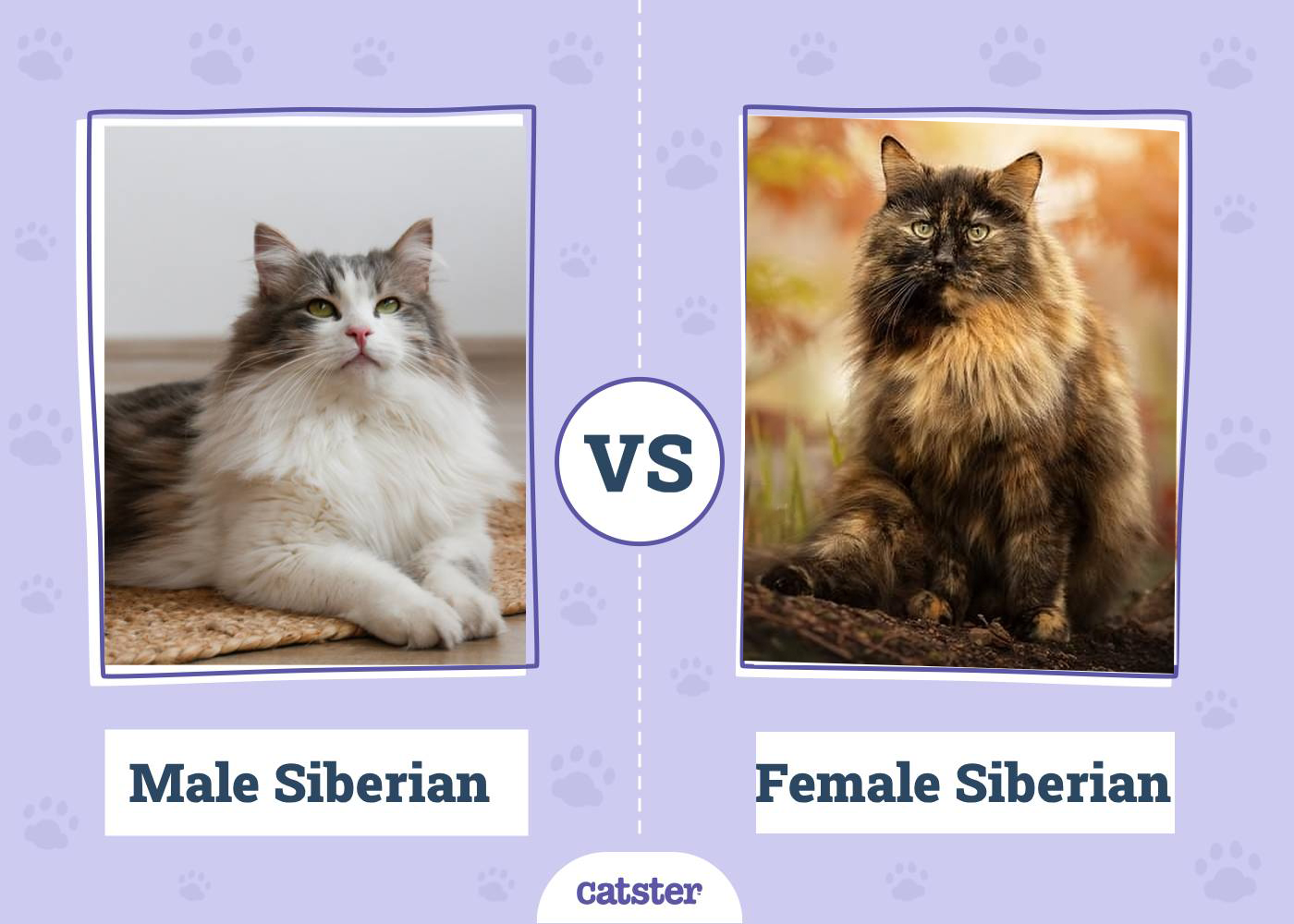
Visual Differences

Male vs Female Siberian Cat Side By Side
Image Credit: Left - Eric Isselee, Shutterstock | Right - Nynke van Holten, Shutterstock

At a Glance

Male Siberian Cat

  • Average height (adult): 10–12 inches
  • Average weight (adult): 11–17 pounds
  • Lifespan: 10–18 years
  • Exercise: Lots of playtime
  • Grooming needs: Moderate
  • Family-friendly: Yes
  • Other pet-friendly: No pocket pets, okay with other cats and dogs with correct socialization
  • Trainability: Easy

Female Siberian Cat

  • Average height (adult): 9–11 inches
  • Average weight (adult): 8–14 pounds
  • Lifespan: 10–18 years
  • Exercise: Lots of playtime
  • Grooming needs: Moderate
  • Family-friendly: Yes
  • Other pet-friendly: No pocket pets, okay with other cats and dogs with correct socialization
  • Trainability: Easy
divider cat paws oct 2024

Male Siberian Cat Breed Overview

The male Siberian cat seems to be a favorite among the Siberian cat owners. We’ll explain why below.

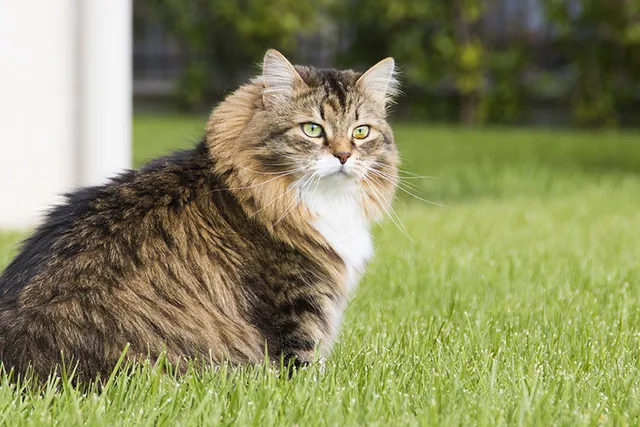
Siberian cat
Image Credit: photobabycomua, Shutterstock

Personality / Character

In general, the male Siberian cat is reported to be more loving and affectionate than the females, which makes him more inviting and more playful. This results in the males becoming more attached to their owners and makes them great companions for someone willing and able to spend a lot of time with the breed.

Males also have no problem with strangers due to their friendliness. In fact, they see anyone who comes into your house as a chance to get more attention.

Maturity

Siberian males can take 3–5 years to reach full maturity. This is longer than most other cat breeds but keep in mind the growth rate will slow considerably after around 18 months.

Health & Care

Both sexes of Siberian cats are prone to dental disease, obesity, and hypertrophic cardiomyopathy (HCM). It is extremely important to monitor your Siberian cat’s weight. When overweight, the males are more prone to diabetes and urinary obstruction than their female counterparts.

If affected by HCM the males generally present with more severe disease earlier in life.

Siberian cats have been noted to produce fewer allergic reactions in people than other cats. Although not yet scientifically confirmed, this is backed up by findings that these cats have mutations in the genes that code for allergen production.

Unneutered males carry the highest levels of Fel-d1—the protein in cat saliva that causes allergic reactions in some people—while neutered males have lower levels, making neutered males more suitable for pet lovers who have allergies.

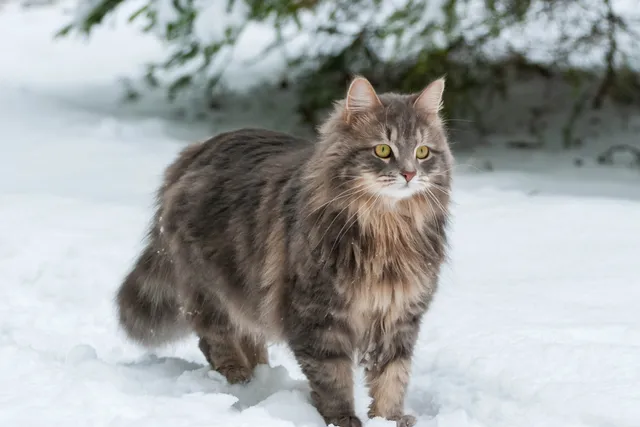
Siberian domestic cat sitting in snow during wintertime
Image Credit: Dmitry Naumov, Shutterstock

Suitable for:

The male Siberian cat is suitable for anyone who wants a loving, affectionate, playful companion. They are also ideal for families since he's active and enjoys playing. Since the male Siberian is very social, it’s best if he goes to a family where someone is home with him most of the time.

divider cat paws oct 2024

Female Siberian Cat Breed Overview

While the female is pretty similar to the male, she has differences we'll discuss below.

Ginger Siberian cat walking in rural yard
Image Credit: fantom_rd, Shutterstock

Personality / Character

The female Siberian cat is friendly, affectionate, and loving but more reserved than her male counterpart. In the social department, the female has no problem with strangers but is more aloof around them than males are.

She has a certain level of dependence on her owners but has no problem being left alone for a bit. However, as with any breed, males and females will develop their personalities and other characteristics according to the individual cat rather than their gender.

Maturity

The female Siberian usually matures to a smaller size than the males. She may reach maturity at an earlier age than the male.

Health & Care

If not spayed, the female Siberian cat will come into heat and show behaviors like vocalizing, lordosis, and rolling on the floor. Without spaying she will also have a higher risk of mammary cancer.

Like the males, the females can become obese with overfeeding. This can lead to joint problems and other issues. You must ensure to feed the appropriate amount of calories each day.

You should groom your Siberian cat a few times a week to maintain their hair coat. If they have mobility issues and can’t groom themselves you will have to step in to help them more often. Feeding dental treats and training your cat to have their teeth brushed are great ways to prevent plaque, dental calculus, and periodontal disease.

Siberian Cat lying in a summer garden
Image Credit: Dmitry Naumov, Shutterstock

Suitable for:

Like the males, the females like to play, are affectionate, and are suitable for families and anyone looking for a loving pet. She is a bit more aloof than a male but will still love her family to no end, often bonding closely with a specific family member.

divider cat paws oct 2024

Which Breed Is Right For You?

These are a few of the differences between the female and male Siberian cats you should know about before deciding which sex is the best choice for you. Remember, though the female is a little aloof and slightly smaller, both cats are loving, affectionate, sweet, and even-tempered, and perfect for families who have the time for them.

See also: 

Sources

Featured Image Credit: Left - evrymmnt, Shutterstock | Right - Dany Store, Shutterstock

The Catster Newsletter

Expert cat care, straight to your inbox

News, insights, and useful advice, delivered to you.

No spam — unsubscribe anytime.

By signing up, you agree to our Terms & Conditions and Privacy & Cookies Policy.

Click a star to rate. You can leave written feedback afterwards. (We read all feedback.)

Patricia Dickson
Authored by

Patricia Dickson

Leave a Reply

You're very welcome to leave a comment or question. Please know that all comments must meet our community guidelines, and your email address will NOT be published. Let's have a positive and constructive conversation.

Siberian Cat Breed: Info, Pictures, Temperament & Traits

Siberian Cat Breed: Info, Pictures, Temperament & Traits

The Siberian cat is an anomaly. After all, the ancestor of our pets is the African Wild Cat (Felis silvestris lybica), which isn't a cat we’d associate with th…

Chris Dinesen Rogers
By Chris Dinesen Rogers ·
Male vs. Female British Shorthair: Principal Differences (With Pictures, Vet-Reviewed)

Male vs. Female British Shorthair: Principal Differences (With Pictures, Vet-Reviewed)

Our beautiful friends from across the pond make great pets, as any British Shorthair owner can tell you. But if you’re thinking about adopting a British Shorth…

Chelsea Mortensen
By Chelsea Mortensen ·
How Long Do Siberian Cats Live? Vet-Verified Lifespan Facts & FAQ

How Long Do Siberian Cats Live? Vet-Verified Lifespan Facts & FAQ

The Siberian, also known as the Siberian Forest Cat, originates from Siberia, Russia, and is highly resistant to cold weather and cold conditions. It has a flu…

Matt Jackson
By Matt Jackson ·
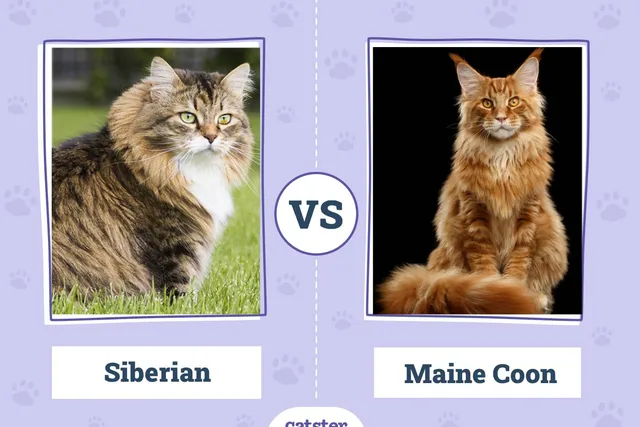
Siberian Cat vs. Maine Coon: What’s the Difference? (With Pictures)

Siberian Cat vs. Maine Coon: What’s the Difference? (With Pictures)

If you’re planning on adding a new kitten to your family, you might be researching to see which breed will suit you best. Maybe you’re drawn to the wild and na…

Christian Adams
By Christian Adams ·

Male vs Female Bengal Cat Breed: What’s the Difference? (With Pictures, Vet-Reviewed)

The Bengal cat breed is an exotic-looking domesticated breed that comes from hybrids of other domestic cats, such as the Asian leopard cat. Whether male or fem…

Christian Adams
By Christian Adams ·
Male vs Female Bengal Cat Breed: What’s the Difference? (With Pictures, Vet-Reviewed)

Male vs Female Ragdolls: What’s the Difference? (With Pictures)

With many creatures in the animal kingdom, there is often a stark temperamental difference between the males and females of that species. It isn’t uncommon to…

Hallie Ballard
By Hallie Ballard ·
Male vs Female Ragdolls: What’s the Difference? (With Pictures)

Norwegian Forest Cat vs Siberian Cat: What’s the Difference (With Pictures)

When looking for a new cat to bring into your home, it’s hard to choose between breeds. This is especially true when it comes to breeds with numerous similarit…

Christian Adams
By Christian Adams ·
Norwegian Forest Cat vs Siberian Cat: What’s the Difference (With Pictures)

Applehead vs. Wedgehead Siamese: Key Differences (With Info & Pictures)

Siamese cats are one of the most popular and recognizable cat breeds, with their pointed coats, unique vocalizations, and deep blue eyes. The Siamese breed hai…

Christian Adams
By Christian Adams ·
Applehead vs. Wedgehead Siamese: Key Differences (With Info & Pictures)

Neva Masquerade (Colorpoint Variety): Info, Pictures, Facts & Traits

The Neva Masquerade is a colorpoint variation of the Siberian, named after the Neva River in Siberia. Like all Siberians, it is a friendly and amiable cat that…

Christian Adams
By Christian Adams ·
Neva Masquerade (Colorpoint Variety): Info, Pictures, Facts & Traits

Birman vs Siamese Cat: Main Differences (With Pictures, Vet-Reviewed)

There is something so elegant and beautiful about a faded cream to gray or brown shade on cat coats. On top of their coats having gorgeous shades of soft earth…

Ashley Bates
By Ashley Bates ·
Birman vs Siamese Cat: Main Differences (With Pictures, Vet-Reviewed)

Flame Point Siamese Cat Breed: Vet-Verified Info, Pictures, Care Guide & More

The Flame Point Siamese Cat (also known as Red Point Siamese) is a color variation that typically results from crosses with other breeds and is often recognize…

Christian Adams
By Christian Adams ·
Flame Point Siamese Cat Breed: Vet-Verified Info, Pictures, Care Guide & More

Siamese Maine Coon Mix: Info, Pictures, Care & Traits

Maine Coons and Siamese cats are easily recognizable, and each is stunningly unique in temperament and appearance. It’s no surprise then that cat lovers have b…

Beth Crane
By Beth Crane ·
Siamese Maine Coon Mix: Info, Pictures, Care & Traits

Love Cats? So Do We! Join the Catster Community

Stay informed with expert cat care insights delivered straight to your inbox! Discover professional guidance on feline behavior, feeding tips, trusted product picks, and much more.

You may opt-out at any time. View our Privacy Policy for more information.

The Catster site on a phone