Why Does My Cat's Pee Smell Sweet? Our Vet Explains 4 Possible Causes

In this article
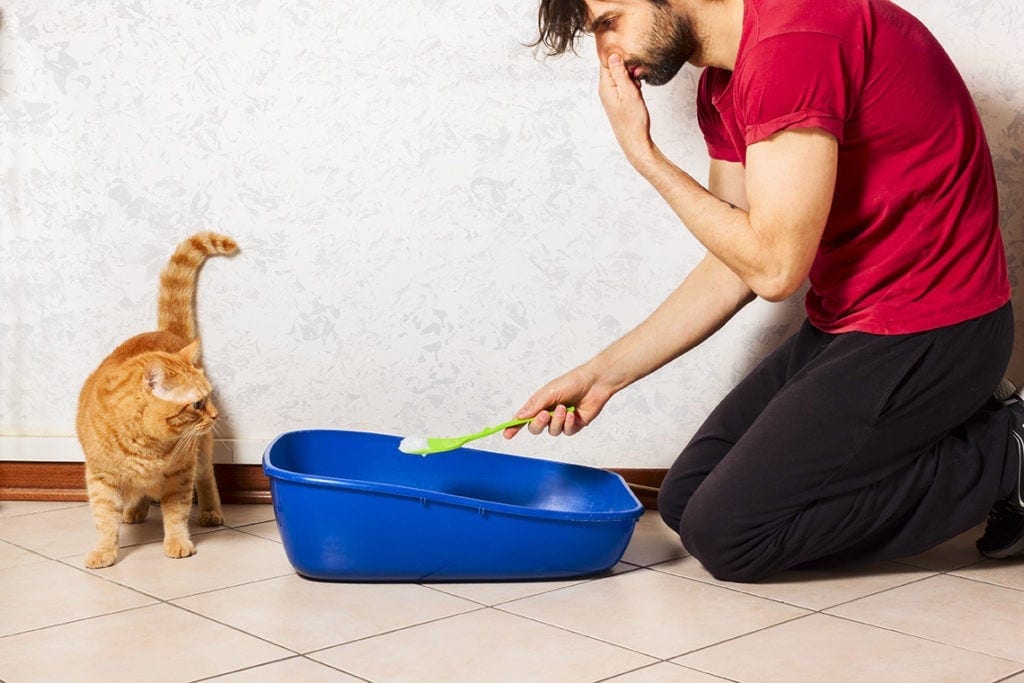
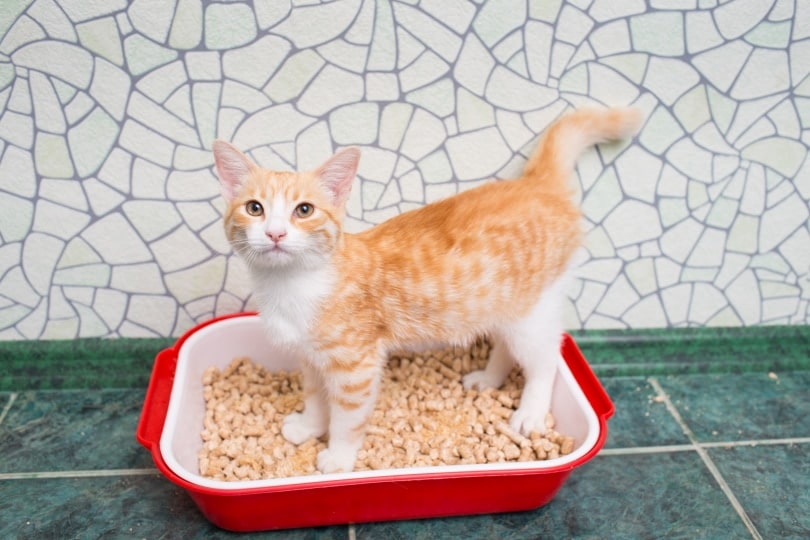
Cat urine isn’t typically known to have a nice smell. That’s why cat litter companies have worked so diligently to create products that trap or mask the natural odor. While sweet-smelling cat urine may sound like a blessing, it can actually be a sign that something is wrong with your pet. So, if your cat’s urine starts to smell this way, it’s time to see the vet. Here are a few potential reasons for the sudden sweetness emanating from your cat’s litter box.

The 4 Causes of Sweet-Smelling Cat Pee
1. Diabetes Mellitus
Diabetes is a fairly common issue among our feline friends, especially middle-aged and older cats. This disease occurs when a cat’s body either doesn’t produce enough or doesn’t respond properly to insulin, a hormone produced by the pancreas that moves glucose from the blood into cells to be used for energy. This leads to overly high blood glucose and the potential for damage to the cells that need that glucose for energy and aren’t getting it. Instead, they have to look for energy elsewhere, typically by breaking down fat stores. This can cause a cat to lose weight even though they are eating well.
As blood glucose levels rise, excess glucose can spill over into the urine, creating a sweet smell and sticky appearance. To help balance the high levels of glucose in the urine, the kidneys will increase water consumption to try to dilute the concentration. What you’ll notice in your cat is an increase in water consumption, followed by an increase in urination. Basically, they’ll be frequently drinking and then peeing sweet-smelling, sticky-looking urine. Along with this, the breakdown of fats can produce ketones, which can also spill into the urine. Ketones tend to have a fruity smell too. Male cats that are overweight with a more passive lifestyle are more predisposed to diabetes, although it can occur in both males and females of any age.
Diabetes requires lifelong management, including weight loss, a change in diet, and usually, supplemental insulin. See your veterinarian if you notice a sweet smell or sticky appearance to your cat’s urine or if they are losing weight or drinking more water than normal.

2. Kidney Disease
Diabetes is by far the most common reason that your cat’s urine will smell sweet, but another cause can be kidney disease. This condition typically creates a concentrated, overly strong ammonia smell, but some people may interpret this odor as sweet rather than acidic or otherwise.
Look out for other signs, such as increased water consumption, increased urination, inappetence, weight loss and lethargy. Kidney disease in cats requires lifelong treatment. Acute kidney disease may occur at any stage in a cat’s life, often due to bacterial or viral infections, toxin exposure, hypotension, a urinary blockage and others, while chronic kidney disease is more common in older cats.
3. UTI
A urinary tract infection (UTI) is a common cause of smelly pee in a cat. While it usually leads to what’s described as a foul or fishy smell, some owners may interpret it as sweet. UTIs may also produce cloudy or bloody urine, increased drinking, frequent trips to the litter box, and straining to pee. Cats may lick their hind end with a newfound ferocity.
UTIs may require a course of painkillers or antibiotics and sometimes a diet change if the cat is also having problems with urinary crystals or stones. In male cats, it can lead to a urinary blockage or inability to pee, manifesting as straining in the litter box while passing no urine at all or very little, that can be bloody. This condition requires emergency veterinary care.
4. Skin Infection
A skin infection around the genitals can be to blame for your cat’s sweet-smelling pee. Bacteria and yeast love areas that are warm and moist, two easy conditions to achieve if your pleasantly plump kitty has extra skin folds in their hind-end region. Heavy cats or those with painful back issues like arthritis may also have difficulty cleaning back there, enabling an infection to set in and grow unchecked.
You may notice a sweet or foul odor in the area, along with redness, oozing, or constant licking.

What Should Normal Cat Pee Smell Like?
It’s hard to judge whether something is abnormal until you know what’s normal in the first place. Healthy cat urine should have a stronger scent than your own pee or a dog’s urine. It typically has an ammonia smell, especially if it sits a day or two in the litter box. The smell of fresh cat urine shouldn’t knock your socks off, but it will be noticeable. Cat urine that leaves your eyes watering or that has a fishy odor or sweet smell means something is wrong.

Is Sweet-Smelling Feline Urine a Concern?
While it might seem like every cat owner’s dream for the ammonia odor of normal cat pee to be replaced with something else, sweet-smelling urine is a red flag that indicates that something is off with your cat’s health. Any changes in urine smell, color, or amount or your cat’s urinary habits warrant a visit to your veterinarian.

What to Do If Your Cat’s Urine Starts Smelling Sweet
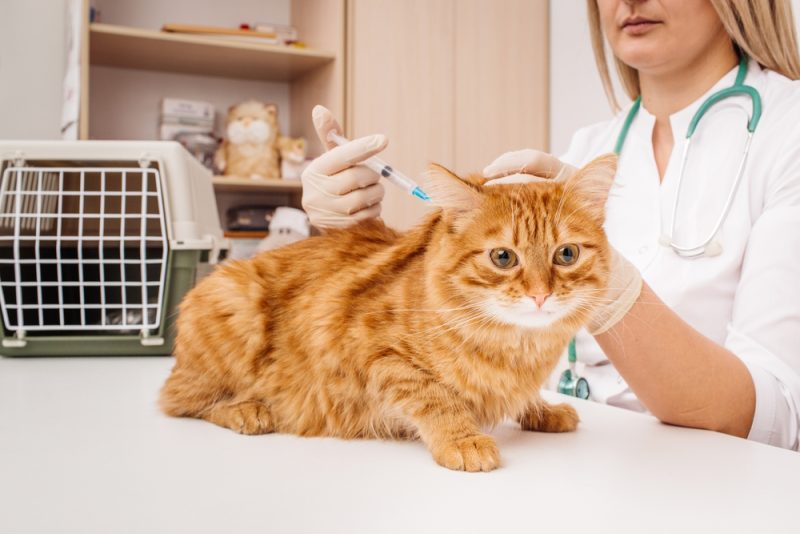
Get your kitty to the vet as soon as possible, especially if you’re noticing other signs, such as weight loss, increased thirst, lethargy, or bad breath. Your vet will start with a thorough exam to check your cat’s hydration levels, among other things. They will probably also run bloodwork and do a urinalysis to check organ function, blood glucose levels, and urine glucose and to see if your cat’s signs are due to a UTI, diabetes, kidney disease, or something else.
Treatment will commence from there, with UTIs receiving anti-inflammatories and potentially antibiotics or a diet change. Skin infections can be treated with proper hair clipping and cleaning and oral or topical medications.
Kidney disease will likely be treated with a diet change, maybe fluids, and other medications to help with blood pressure, anemia, and protein loss. Diabetes is usually managed with a low-carbohydrate diet and insulin administration. It will require frequent monitoring to ensure that a proper dose of insulin is being given. Neither kidney disease nor diabetes can be cured and will require lifelong treatment and management.
How to Clean Up Cat Urine
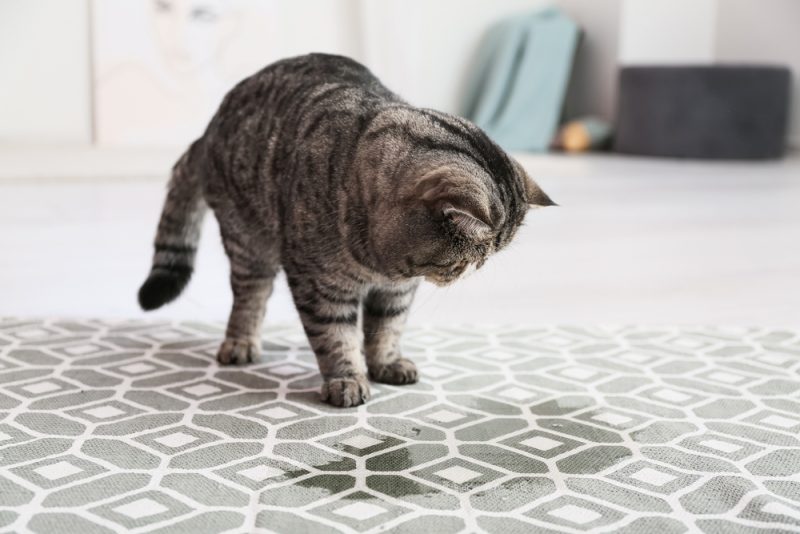
Any of these health conditions may also cause your cat to pee outside of their litter box. This can be bad news for your carpet, rugs, floors, or furniture. Feline urine is particularly hard to clean because you have to get rid of all its components to properly eliminate the odor. Urine from diabetic cats may be sticky due to being full of glucose and may prove to be even more difficult to remove.
The best way to clean up cat pee for good is to use an enzymatic cleaner. This product truly breaks down the urine’s components into compounds that can be removed and that no longer smell. Start by blotting up as much of the liquid as possible, and then apply the cleaner. Some products require that you scrub it in, while others just need to sit on the spot until dry. Afterward, you may need to follow up with a quick wipe, and then the urine odor and residue should be gone.
Our Favorite Enzyme Cleaner
The Hepper Advanced Bio-Enzyme Pet Stain & Odor Eliminator Spray is our favorite enzyme cleaner out there. It permanently removes even the very worst kitty stains and smells, leaving your home fresh and clean! Click here to learn more about this amazing product and get yourself a bottle.

- ADVANCED ENZYMATIC CLEANER - Penetrates the most stubborn smells and stains at the deepest molecular levels to dissolve any pet mess you encounter and lift it away at the source.
- FOR ANY MESS, ON ANY SURFACE - This pet odor eliminator cleans your carpets, floors, furniture, fabrics, and more. Whether it's urine, feces, vomit, or drool, you can erase all foul spots and smells!
- FRESH, NATURAL ODOR - Our unique formulation doesn't rely on dangerous or unpleasant chemical fragrances to get the job done. We eradicate smells and stains, not just cover them up.
At Catster, we’ve admired Hepper for many years, and decided to take a controlling ownership interest so that we could benefit from the outstanding products of this cool cat company!

Conclusion
Your cat’s urine starting to smell sweet may seem like a dream come true but is often an indication of feline diabetes, a potentially serious disease if untreated. It may also be due to a few other things, such as kidney disease, a UTI, or a skin infection, so it’s always best to see your veterinarian if your cat’s urine odor changes in any way or if you notice other signs, such as increased drinking, weight loss, or lethargy.
Sources
Featured Image Credit: sandyman, Shutterstock

Expert cat care, straight to your inbox
Vet-reviewed advice, behavior tips, and the best of Catster. Free, and you can unsubscribe anytime.
By signing up, you agree to our Terms & Conditions and Privacy & Cookies Policy.
Dr. Chyrle Bonk DVM (Veterinarian)
On top of healing animals and writing for veterinary publications, Dr. Chyrle Bonk owns a small cattle herd! When she’s not busy with those things, she can be found somewhere in the Idaho outdoors with her husband and two kids.
Chyrle has practiced in a mixed animal clinic for over 10 years. She also writes for various veterinary websites and magazines, like Catster!
Dr. Chyrle Bonk received her Doctor of Veterinary Medicine (DVM) from Oregon State University in 2010.
Join the conversation
Ask a question, share your story, or send private feedback.