What Are the Benefits of Cat Acupuncture? Are There Any? (Vet Answer)

In this article
Acupuncture is a pillar of traditional Chinese medicine and has been practiced for thousands of years. As a popular form of alternative medicine, it is currently used to treat several health conditions in humans—but what about our four-legged friends? Can acupuncture provide relief if your cat is suffering from a medical condition?
We’ll discuss the practice of acupuncture in veterinary medicine, indications for its use in felines, the benefits of acupuncture, and what you can expect from acupuncture treatments for your cat.

What Is Acupuncture and How Does It Work?
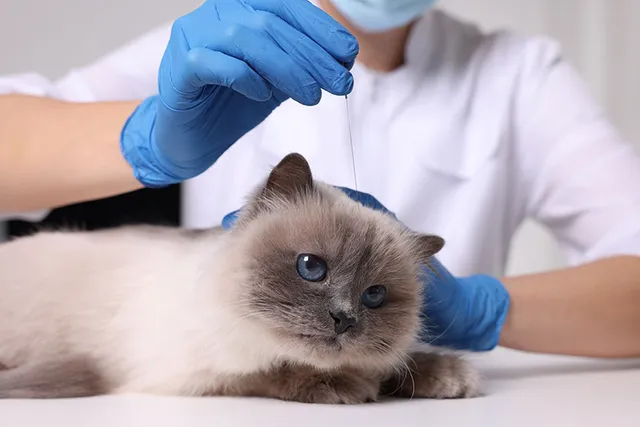
The practice of acupuncture involves stimulating specific points on the body. The most common technique used in veterinary medicine is dry needle acupuncture, which involves the insertion of small, thin needles into the skin at specific points throughout the body.
Specific acupuncture points are closely associated with nerve endings, veins, lymphatics, and mast cells. The physiologic effects produced by needles placed in the locations are local and systemic, and they occur when the central and peripheral nervous systems are stimulated. Local effects of acupuncture include muscle relaxation, vasodilation, and histamine release.
Systemic effects of acupuncture include the body’s release of natural painkillers, hormones, and neurotransmitters. However, the method of acupuncture may be explained differently depending on the practitioner's philosophy.
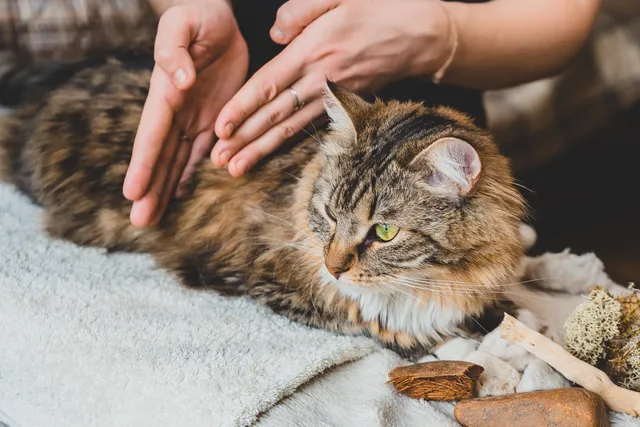
While the mechanism for acupuncture’s effects is described in Western medicine, those practicing traditional Chinese medicine (TCM) view acupuncture as a technique for balancing energy flow, also known as chi or qi. By placing needles at specific points along meridians (pathways through which energy flows), TCM practitioners believe that an animal’s energy will re-balance.

What Is the History of Acupuncture in Veterinary Medicine?
Veterinary acupuncture originated in ancient China, where it has been used to treat animals for over 2,000 years. One of the first texts describing veterinary acupuncture, Bole's Canon of Veterinary Acupuncture, was written by Sun Yang (also known as Bole Zhen Jing) in the mid-7th century BC.
From its origin in China, veterinary acupuncture has spread globally and is used today to treat various medical conditions in animals. In the United States, acupuncture entered the veterinary scene in the 1970s and has continued to grow in popularity ever since.
Cats, dogs, and horses commonly receive veterinary acupuncture treatment; however, laboratory animals such as primates, rabbits, and rats have also benefited from acupuncture.
What Conditions Can Acupuncture Treat in My Cat?
Acupuncture has been used to treat a variety of feline diseases, including the following:
- Musculoskeletal conditions, including arthritis and trauma
- Urinary tract disease, including bladder inflammation and kidney failure
- Skin conditions involving inflammation or itching
- Gastrointestinal diseases, including diarrhea and constipation
- Respiratory tract disease, including feline asthma
- Neurologic conditions, including vestibular disease
- Immune-mediated diseases, including hemolytic anemia

How Can Acupuncture Benefit My Cat?
While acupuncture has been used to treat several conditions in felines, the benefits attributed to acupuncture include pain relief and improved healing due to increased blood flow. Of these benefits, pain control is the most frequently discussed application of acupuncture in the veterinary literature.
The American Association of Feline Practitioners (AAFP) and American Animal Hospital Association’s (AAHA) 2015 Pain Management Guidelines for Dogs and Cats promote acupuncture as a “compelling and safe method for pain management in veterinary patients” and state that it should be considered a valid component of multimodal pain management plans.
AAHA’s most recent Pain Management Guidelines, endorsed by the AAFP, state that acupuncture has been reported as a helpful component of postoperative pain control in cats following spay procedures. The AAHA states, however, that there is a lack of evidence-guided studies supporting the use of acupuncture and that further evaluation is still needed.
Acupuncture can be used to treat cats independently; however, it is also commonly used in conjunction with more typical treatments used in Western medicine. Speaking to your veterinarian can help you determine whether acupuncture may be an appropriate and beneficial treatment for your cat.
How Can I Find a Clinic That Performs Acupuncture?
When searching for a provider who performs acupuncture, qualified candidates must have a veterinary medical license and certification in veterinary acupuncture. Your veterinarian may have recommendations for veterinary acupuncturists in your area; if not, several websites can direct you toward a qualified provider:
- International Veterinary Acupuncture Society
- Chi University
- CuraCore VET

What Can I Expect From Acupuncture Treatment for My Cat?
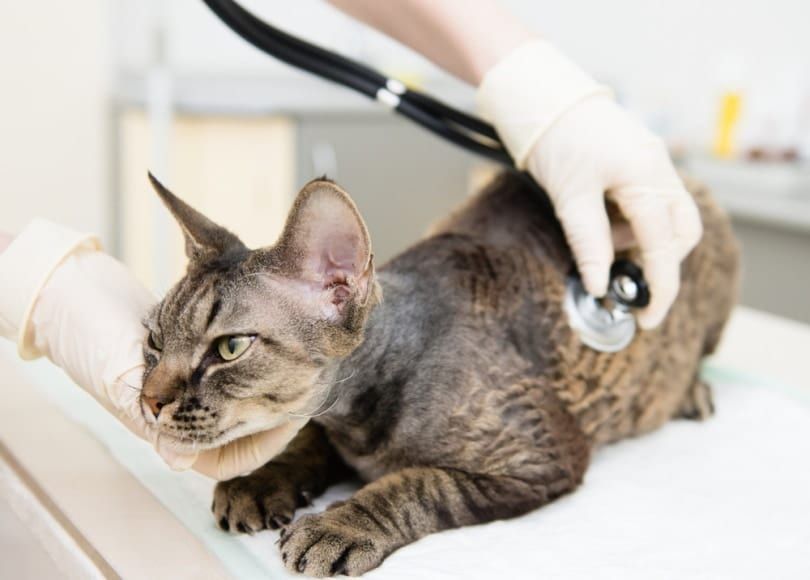
After you locate a certified veterinary acupuncturist, an initial consultation will likely be recommended to allow your veterinarian to examine your pet and review their medical history. The frequency and duration of acupuncture treatments for your cat will vary depending on the recommendations of your provider.
They will likely be tailored to the specific condition being treated and the duration of your cat’s signs. In general, acupuncture treatments may initially be recommended once or twice weekly for several weeks, with sessions lasting anywhere from 10 to 60 minutes. Although immediate pain relief may be noted following an acupuncture treatment, the benefits from treatment are typically most evident after two or three sessions.
How Well Do Cats Tolerate Acupuncture?
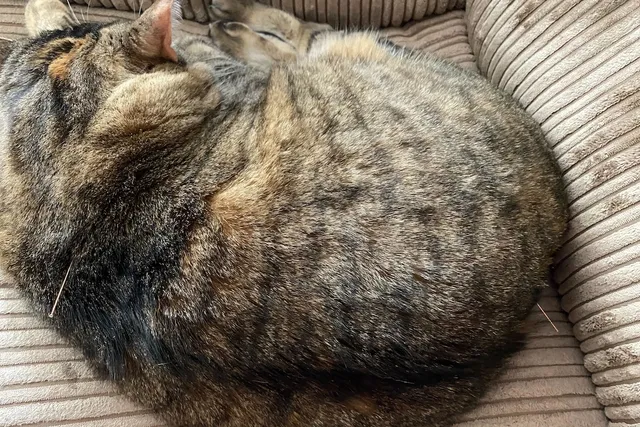
In general, cats appear to tolerate acupuncture sessions very well. Feline-friendly practices will ensure your cat is relaxed and comfortable during their acupuncture session, and some cats even fall asleep during treatment!
The insertion of the needles used during sessions is not painful when performed by a veterinarian with advanced training in acupuncture. After an appropriate length of time, the needles are removed and your cat can go home.

How Much Should I Expect to Pay?
Costs associated with veterinary acupuncture vary depending on your geographical location, the experience and credentials of your provider, and the treatment plan recommended for your cat.
On average, however, you can expect an initial consultation to cost $100–$200, with subsequent sessions costing $50–$100 per visit. The most accurate estimate of the cost of acupuncture treatments for your cat can be obtained from the clinic or veterinarian providing the service.
What Are the Risks of Acupuncture for My Cat?
When performed by a certified veterinary acupuncturist, acupuncture has few adverse effects and is considered a safe treatment option for felines. Common, minor side effects that may be experienced following acupuncture treatments include tiredness, soreness, muscle spasms, mild bleeding, or increased water intake. More serious side effects such as broken needles and skin infection or inflammation occur rarely.
Acupuncture is a safe, well-tolerated complementary therapy used to treat several medical conditions in cats. It's recognized in the veterinary community for its role in pain relief, and acupuncture may be a treatment option to improve your favorite feline's comfort and well-being.
Featured Image Credit: Ermolaev Alexander, Shutterstock
Expert cat care, straight to your inbox
News, insights, and useful advice, delivered to you.

No spam — unsubscribe anytime.
By signing up, you agree to our Terms & Conditions and Privacy & Cookies Policy.
How useful was this post?
Click a star to rate. You can leave written feedback afterwards. (We read all feedback.)
Dr. Leigh Wilder DVM (Veterinarian)
Leigh is a veterinarian with almost 10 years of experience in the US. She has loved animals since she was a child, and grew up caring for hamsters, guinea pigs, rats, fish, and dogs. Leigh received her Doctor of Veterinary Medicine degree from the University of Minnesota and has worked in both small animal clinical practice and shelter medicine since graduation. Leigh enjoys small animal preventative medicine and surgery and loves helping pet owners by sharing her knowledge. Outside of work Leigh enjoys spending time with her family, reading, and traveling.