Cat Butts: How They Provide Crucial Info About Your Kitty's Health (Vet-Verified)


In this article
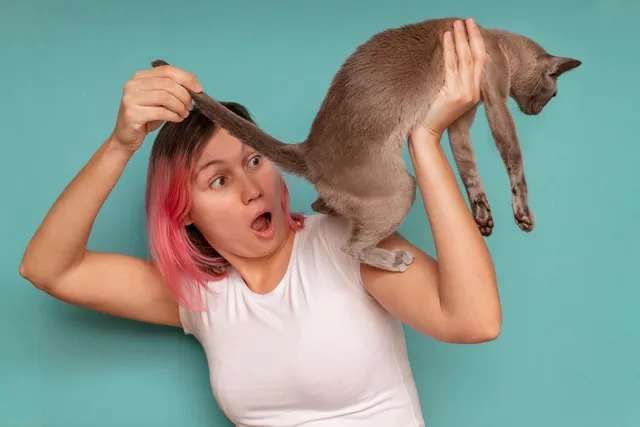
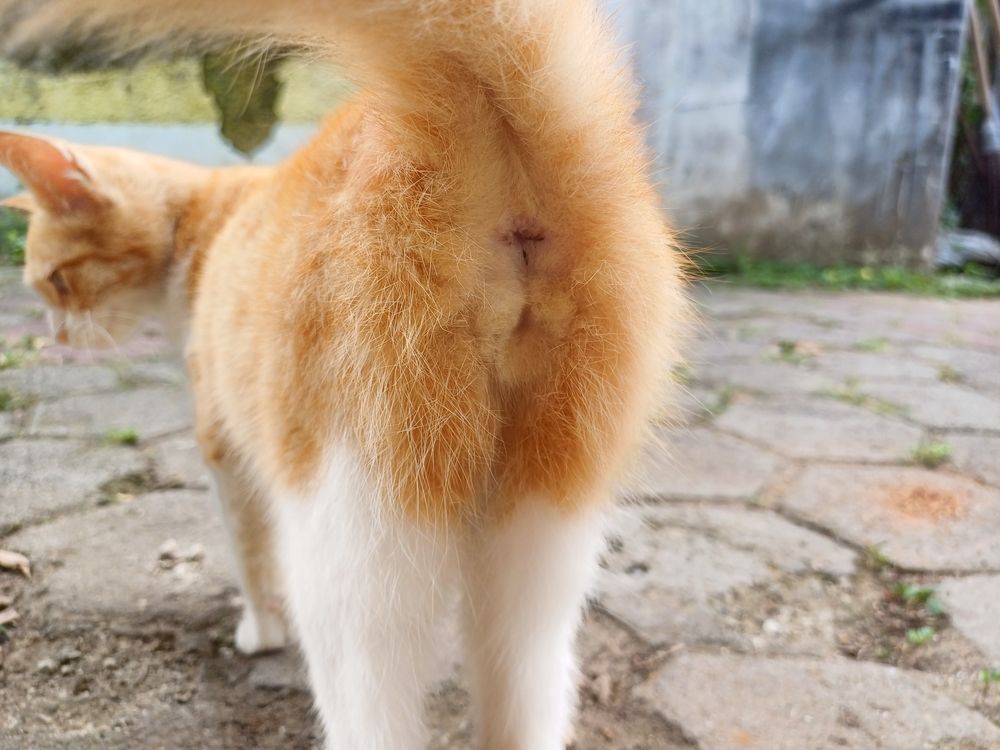
Your cat's butthole may not be the most glamorous aspect of feline anatomy, but it can provide valuable information about your kitty's health. Let’s discuss what a healthy cat butt should look like and most importantly, what can be a cause for concern.

Care Tips for a Healthy Cat Butt
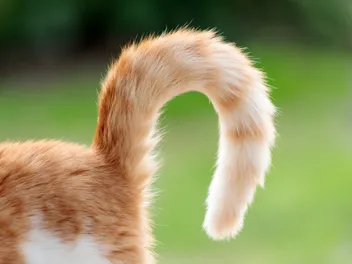
Taking a good look at your cat's rear should be part of their grooming routine. It doesn't have to be complicated: You can get into the habit of observing your cat's anus during brushing sessions and by monitoring their pooping habits.
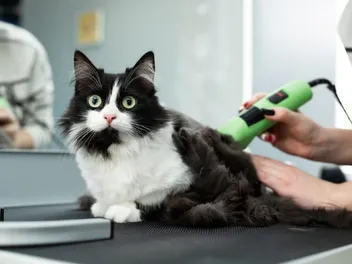
If your cat has very long hair, you or a groomer can gently trim the fur around the anus to make it easier for you to observe any potential issues. This will also make it simpler to clean if there is dried poop and other debris in the area. If your cat frequently has a dirty anus or otherwise doesn’t seem to be cleaning themselves, contact your vet.

- Gentle Care For All Pets - Infused with moisturizing hypoallergenic ingredients & enriched with cucumber & aloe fragrance for healthier fur, coat & skin, the ultimate dog and cat cleaning wipes
- Deep Cleans From Head to Tail - Tackle the toughest dirt & messes with our extra strong pet wipes for dogs, cats and other pets while being gentle on sensitive areas like the face, ears, butt & paws
- Freshness On The Go - Each dog grooming wipes pack contains 30 counts of premium dog wipes that leaves your pets fresh. Packed in resealable packaging, keeping the cat wipes fresh & ready whenever
Cleaning your cat's sensitive areas can be tricky, but high-quality wet wipes can make it much easier. Try a natural, hypoallergenic option like Hepper's Wash Wipes, made with moisturizing ingredients and specifically designed to gently clean your cat's skin and fur. These wipes are as convenient as they are effective!
At Catster, we’ve admired Hepper for many years and decided to take a controlling ownership interest so that we could benefit from the outstanding designs of this cool cat company!
Why Are Cat Butts Important to Cat’s Health?
A cat's rear end can be a goldmine of information if you know what to look for. A cat's anus is not only used for normal digestive functions, but it also allows the cat to communicate with their fellow felines and mark their territory.
In fact, the anal glands, located on either side of the anus, play a vital role in communication. These glands produce a unique odor that is released when the cat rubs against objects. This odor is unique to each feline, which is particularly useful for stray cats, as it enables them to mark their territory and communicate with other felines.
Furthermore, a cat's butt can be indicative of underlying problems. For example, the anal glands can become infected or inflamed, which will lead to discomfort and pain. By carefully observing your cat's anus, you should be able to see if there is fecal residue, abnormal and smelly discharge, blood, or even intestinal parasites, such as tapeworms.

What Are the Different Types of Cat Butt Issues?
A few things can go wrong with cat butts, especially with the anal glands.
1. Impaction
In a healthy cat, the anal glands normally empty during bowel movements. However, if the anal sac canal becomes inflamed, fluids cannot be drained properly. In this situation, the anal glands may become impacted (i.e., plugged), and the fluid that accumulates inside becomes thicker and darker.
Several signs may indicate that your cat's anal glands are impacted:

2. Infection
If left untreated, anal gland impaction can progress to an infection in your cat. Indeed, when the normal drainage of the anal glands is disrupted, the bacteria present in the area take the opportunity to multiply, which can lead to the formation of an abscess due to the accumulation of pus.
The signs of an anal gland infection are much the same as those of an impaction. There may also be redness and swelling around your cat's anus. In any case, it is necessary to consult your veterinarian as quickly as possible, so they can treat the infection by expressing the infected gland. If necessary, the veterinarian may need to puncture the abscess to facilitate drainage.
3. Presence of a Smelly Fluid
Cats use their anal glands to communicate with their feline companions, but they also function as a response to fear or stress. So, if you notice a foul-smelling beige or brown fluid around your cat's anus, they probably just expressed their anal glands.
However, smelly fluid leaks can also occur if the anal glands rupture. Other potential causes of smelly fluid include diarrhea and pus resulting from infections.

4. Anal Bleeding
Anal bleeding in cats can be worrying. It can result from ruptured anal glands or diarrhea and from other things like parasites or internal trauma. If your cat is experiencing severe anal bleeding and it is accompanied by severe vomiting or diarrhea, lethargy, weakness, and pale gums, you must seek veterinary attention urgently.
5. Parasites
Small rice-like segments near the anus could be a sign of tapeworms. These tiny bits of white or yellowish tapeworms may also be visible in your cat's fur, in their litter box, or on their bedding. Fortunately, most parasitic infestations can be easily treated with appropriate deworming medications prescribed by your veterinarian.
6. Weight Issue
Overweight cats may have difficulty grooming themselves properly, which is why their rear ends aren't spotless. A well-kept and clean normal cat anus is a positive sign.

7. Arthritis
Just like overweight cats, cats with arthritis may have their mobility affected, meaning they will have difficulty grooming their butt meticulously.
8. Rectal Prolapse
The rectum is the part of the intestinal tract that connects the large intestine to the anus. Rectal prolapse occurs when part or all of the rectal tissue protrudes beyond your cat's anus. This is a serious and painful condition that must be treated as quickly as possible.
Rectal prolapse can be caused by intestinal parasites, constipation, or diarrhea, most commonly. Signs include swelling, redness, and inflammation around the anus.
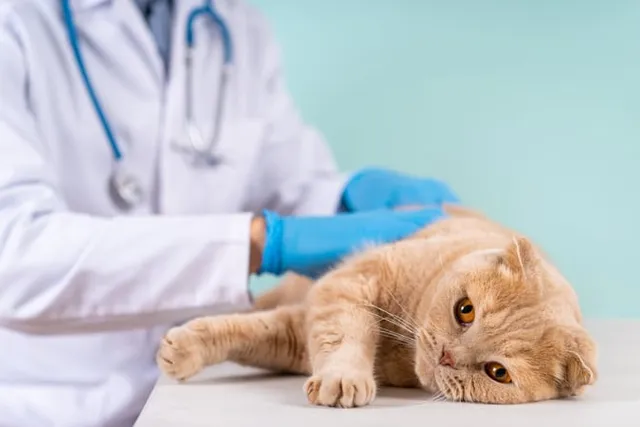
If your cat shows signs of the symptoms above or you suspect they might be suffering from underlying health issues, you should contact your vet.

Frequently Asked Questions
Why Does My Cat Drag Their Bottom on the Floor?
If your cat is dragging their butt on the floor, or “scooting,” it might mean they have an issue with their anal glands, so it's best to see your vet for the right diagnosis and treatment. Scooting can also happen when your cat's rear end is itchy. There are various reasons, such as parasites, allergies, or simply fecal matter being stuck in the fur around their anus.
How Can I Prevent Tapeworms in My Cat?
Regular deworming, flea control, and keeping your cat indoors can help prevent tapeworm infestations.
What Should I Do If I Notice Redness or Swelling Around My Cat's Anus?
Seek prompt veterinary attention, as it could be a sign of rectal prolapse, infection, or other anal gland issues that require medical care.


Conclusion
Checking your cat’s butt may sound like funny advice, but your cat’s anus can actually reveal vital information about their health. Indeed, a cat’s behind can be a good indicator of underlying health issues, mostly related to their anal glands, but it can also indicate parasite infestations, digestive issues, or even a weight problem. Therefore, next time that you take your cat to the vet, ask them to take a good look at your cat’s butt, so you can have better peace of mind knowing that your cat’s behind is as healthy as it can be.
See Also:
Featured Image Credit: Hendragalus, Shutterstock
Expert cat care, straight to your inbox
News, insights, and useful advice, delivered to you.

No spam — unsubscribe anytime.
By signing up, you agree to our Terms & Conditions and Privacy & Cookies Policy.
How useful was this post?
Click a star to rate. You can leave written feedback afterwards. (We read all feedback.)
Genevieve is both a biologist and a science writer, driven by her deep love for capuchin monkeys, pumas, and kangaroos. Her dedication to wildlife has taken her across the globe, from Bolivia and Guatemala to Canada and Australia, working and volunteering at various rehabilitation centers. As a Canadian living in Argentina, Genevieve starts her days with horses and cows greeting her from the plains outside her home office. She is the proud parent of three rescued dogs—Lemmy, Nala, and Pochi—and an energetic kitten named Furiosa. The opportunity to share her passion and expertise in animal care brings her great satisfaction.