Rectal Polyps in Cats: Our Vet Explains the Causes, Signs & Treatments
In this article
If your cat is straining to pass feces, or you’ve noticed some blood in their poop, there are several possible reasons this could be happening, one of which is rectal polyps; small growths from the lining of the rectum that can cause bleeding and discomfort.
Rectal polyps are usually benign, rarely painful, and not very frequently diagnosed in cats. However, it’s not unusual for owners to report blood on or in their cat’s feces, so it is possible that rectal polyps could be more common than we realize.
Let’s learn a little more about rectal polyps in cats so you know what to be on the lookout for, and when you need to see the vet.

What Are Rectal Polyps?
A polyp refers to a growth or outpocketing of tissue from the mucous membrane, in this case, of the rectum. They are typically benign, but in rare cases, they may be cancerous. Rectal polyps are not commonly reported in cats, and cancerous ones are even less so.
Polyps come in two forms:
- Pedunculated - looks like a small sac attached by a stalk
- Sessile - a raised, flat outpocketing
What Are The Signs of Rectal Polyps in Cats?
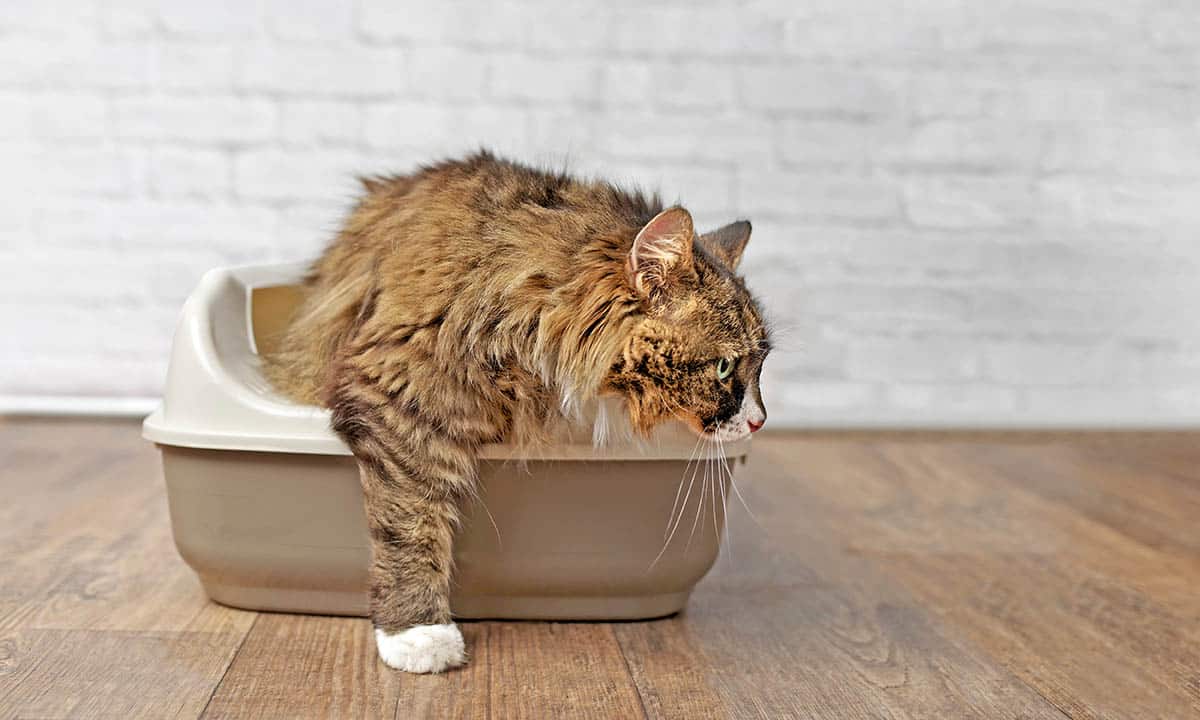
Polyps bleed quite easily, and the most common sign of rectal polyps in cats will be fresh blood on the feces, although they do not usually appear to be painful. If the polyps grow large enough, they may cause difficulty passing feces (tenesmus), or result in diarrhea due to inflammation. Occasionally, straining may cause a polyp to prolapse through the anus, where it would be visible as a moist, red, or bleeding lump.
How Are Rectal Polyps Diagnosed?
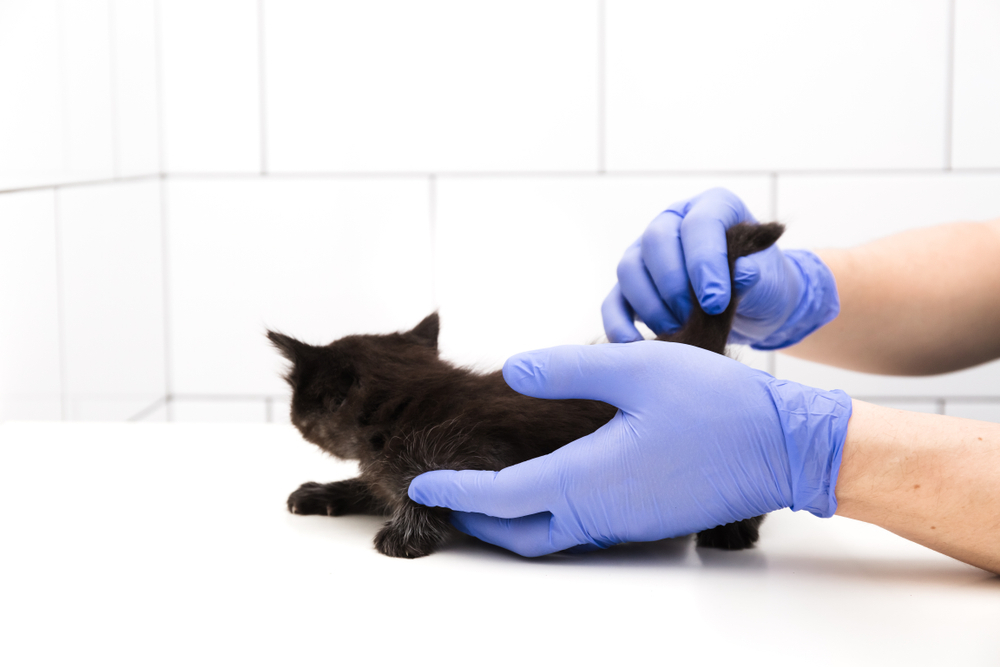
The diagnosis of rectal polyps is usually based on physical and visual examination. Your vet will use a finger to feel for any abnormalities inside the rectum, and may even use an endoscope to examine the lining of the colon.
If the polyp is removed, your vet may also recommend sending the tissue away to confirm the diagnosis and ensure there are no signs of malignancy (cancer).

How Are Rectal Polyps in Cats Treated?
In many cases, polyps are just monitored, as treatment may not be needed.
However, if the polyp(s) is growing in size, causing discomfort, or difficulty with passing feces, surgical removal may be needed. The most difficult aspect of removing rectal polyps is getting good access and visualization; the removal itself is usually straightforward, and recovery tends to be quite quick and uneventful.
When Should My Cat See The Vet?
It’s not uncommon for cats to experience occasional bouts of mild constipation and a small amount of fresh blood in the feces isn’t necessarily a major cause for concern. However, that doesn’t mean we should be ignoring these signs. If you are seeing any of the signs below, it’s time to book your cat in for a check-up:
- No feces for more than 48 hours
- Straining to pass feces for more than 24 hours
- Frequent constipation (more than 2 or 3 times a year)
- Frequent blood in/on feces
- Large amount of blood in/on feces
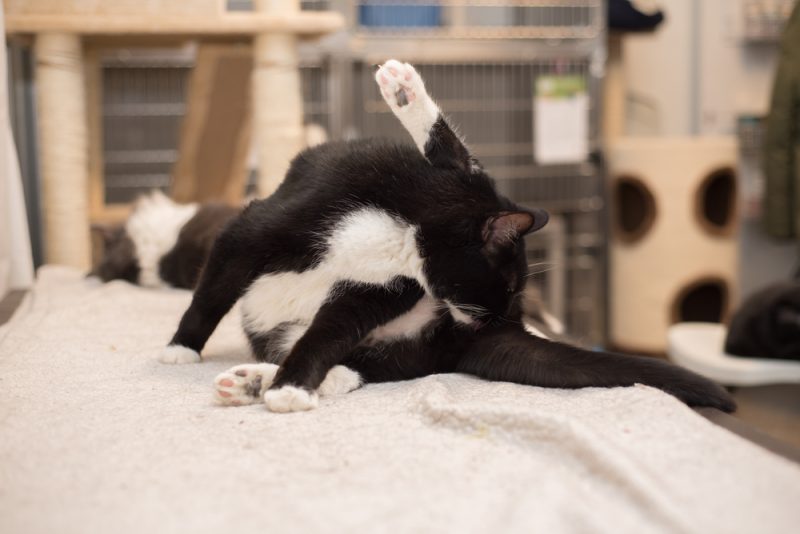
- Intense licking of anus/genitals
- Swelling or lumps around the anus
- Bloated abdomen
- Reduced appetite
- Any other signs of illness/pain
What Can I Do For My Cat With Rectal Polyps?
If your cat has been diagnosed with rectal polyps, the most important step you can take to minimize the risks of them causing problems or prolapsing is feeding your cat the right diet. Being carnivores, cats do not need fiber in their diet from a nutritional standpoint, but it does play an important role in producing healthy stools in domestic cats.
Formed, firm stools are always ideal, particularly if your cat has rectal polyps. Poops that are quite soft or loose will get caught up on these polyps, putting your cat at risk of further inflammation and infection. However, we need to avoid overly large poops, as this can cause stretching and bleeding of polyps, as well as the rectal wall and anus.
Look for a diet that contains around 5% fiber for active cats, and close to 15% for our more sedentary felines.
Making sure your cat has regular checkups with the vet is also important so that they can monitor the size of the polyps.
What Other Conditions Have Similar Signs To Rectal Polyps in Cats?
Being a relatively uncommon condition in cats, it is important to be aware of some other, more common conditions that may have similar clinical signs to rectal polyps. They include:
All the above conditions can cause tenesmus, blood in the feces, and inflammation & irritation around the anus, and all of the above conditions require veterinary help to solve.
Final Thoughts
Rectal polyps are not very common in cats and are rarely cause for major concern. However, they occasionally need to be removed, and can also mimic several other conditions. While the occasional trace of blood in the feces isn’t an emergency, if your cat is regularly having difficulty going to the toilet, spending a lot of time licking ‘down there’, or if bloody poops are becoming a frequent occurrence, do not hesitate in booking your cat in for a checkup with the vet.
Sources
Featured Image Credit: Nils Jacobi, Shutterstock

Expert cat care, straight to your inbox
Vet-reviewed advice, behavior tips, and the best of Catster. Free, and you can unsubscribe anytime.
By signing up, you agree to our Terms & Conditions and Privacy & Cookies Policy.
Dr. Karyn Kanowski BVSc MRCVS (Veterinarian)
Dr. Karyn comes from Queensland, Australia, and has lived in the UK for the past 10 years. In 2010, she graduated from The University of Queensland School of Veterinary Science and also has a Bachelor’s degree in Zoology. She is passionate about using evidence, experience, and owner collaboration to provide the best solutions for pets, and believes in making reliable information about animal health accessible to all. Dr. Karyn shares her home with five cats, four dogs, and one husband. When she is not in the scrubs, she spends her time writing, gardening, and cleaning up pet hair!
Join the conversation
Ask a question, share your story, or send private feedback.