Do Cats Have Scent Glands in Their Paws? Vet Approved Facts & FAQ

In this article
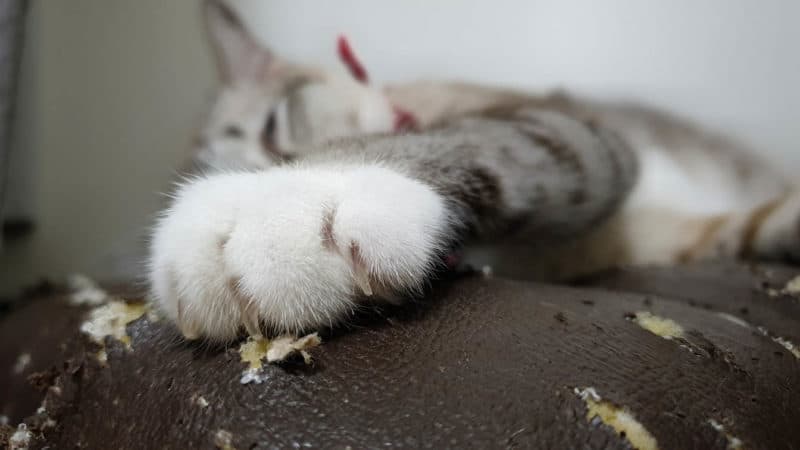
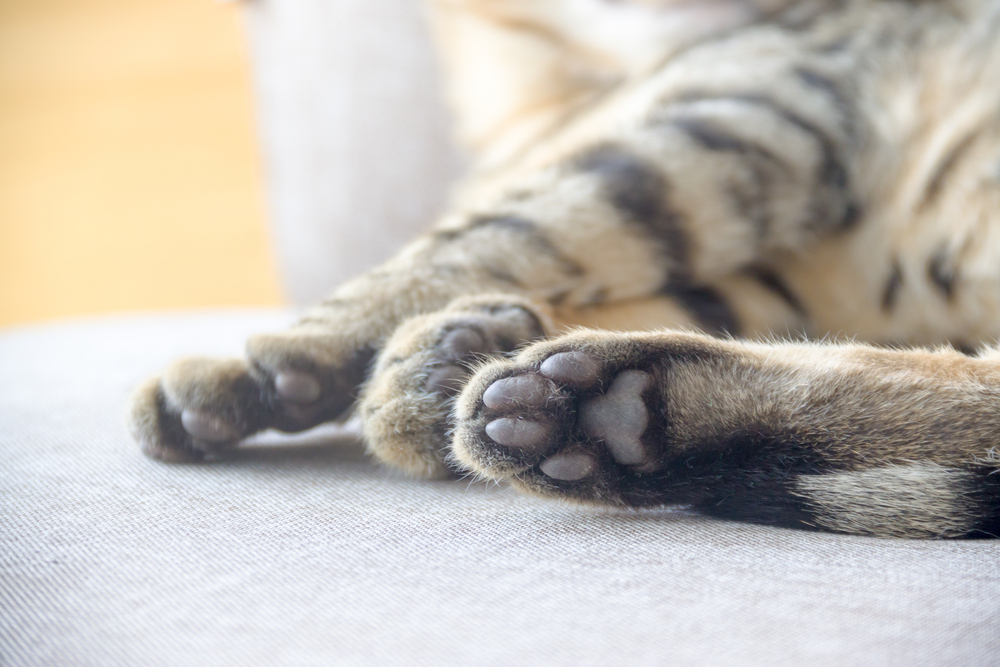
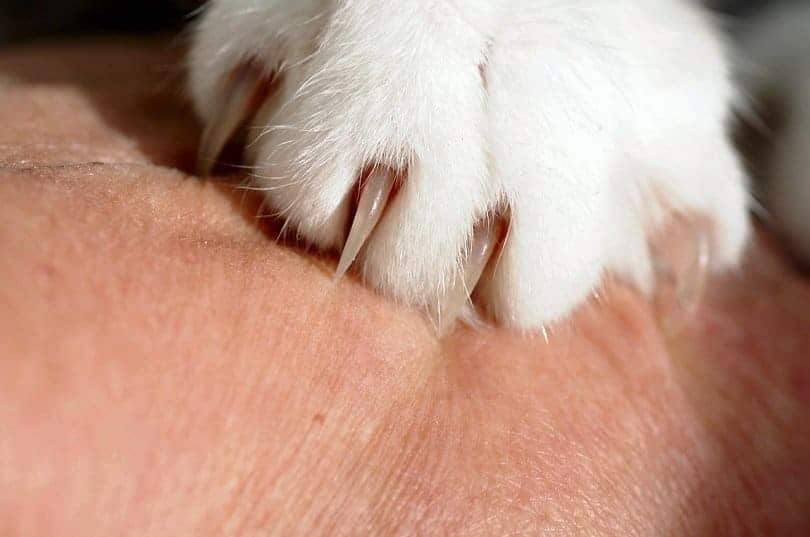
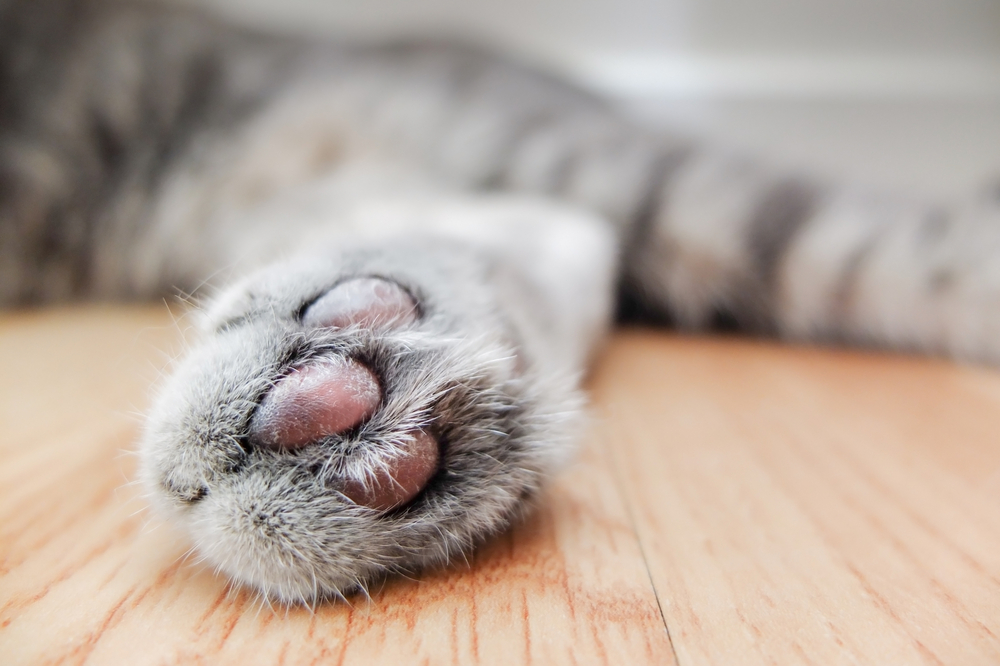
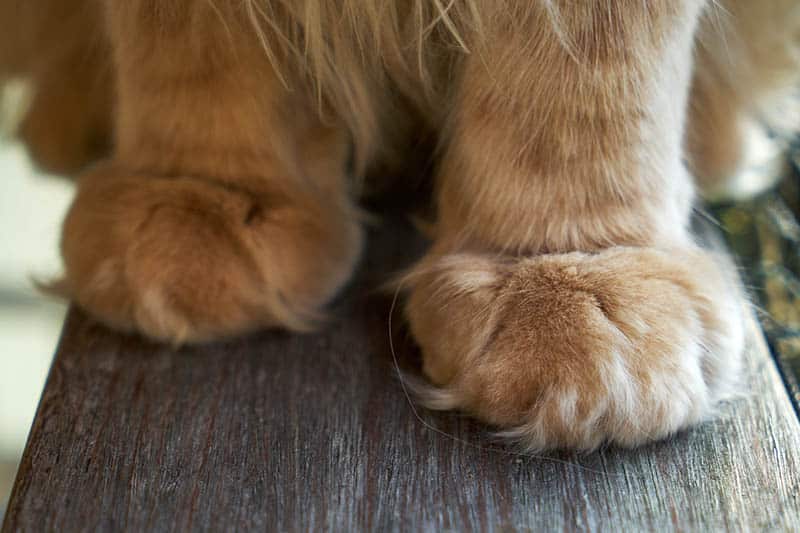
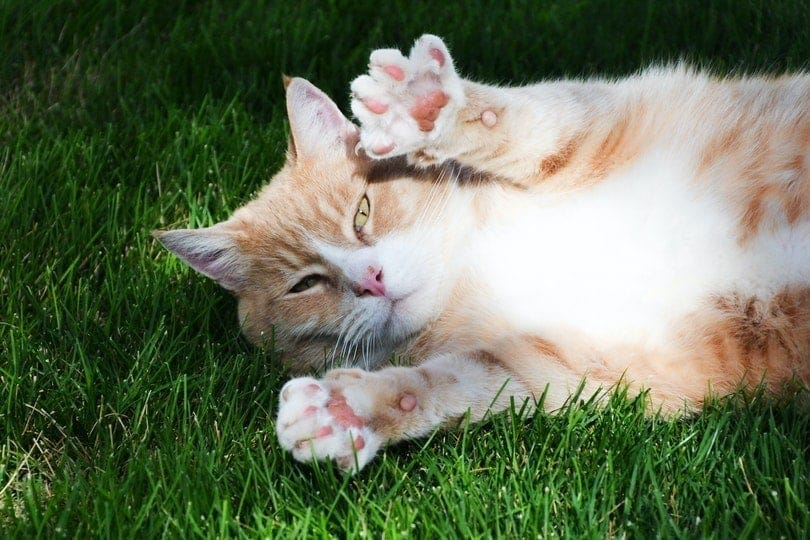
Cats use scent in various ways to communicate with other cats and, indirectly, with humans. Cats have scent glands throughout their body that are used in different ways, including in their paws. These interdigital glands can be frustrating for some pet parents when their kitty’s instinct to scratch and mark their scent becomes destructive.
Cats are unique and complex pets that have many of the same instincts as their big cat cousins living in the wild. Keep reading to learn more about scent marking, natural scratching behavior, and what you can do to help prevent it if necessary.

Where Are a Cat’s Scent Glands?
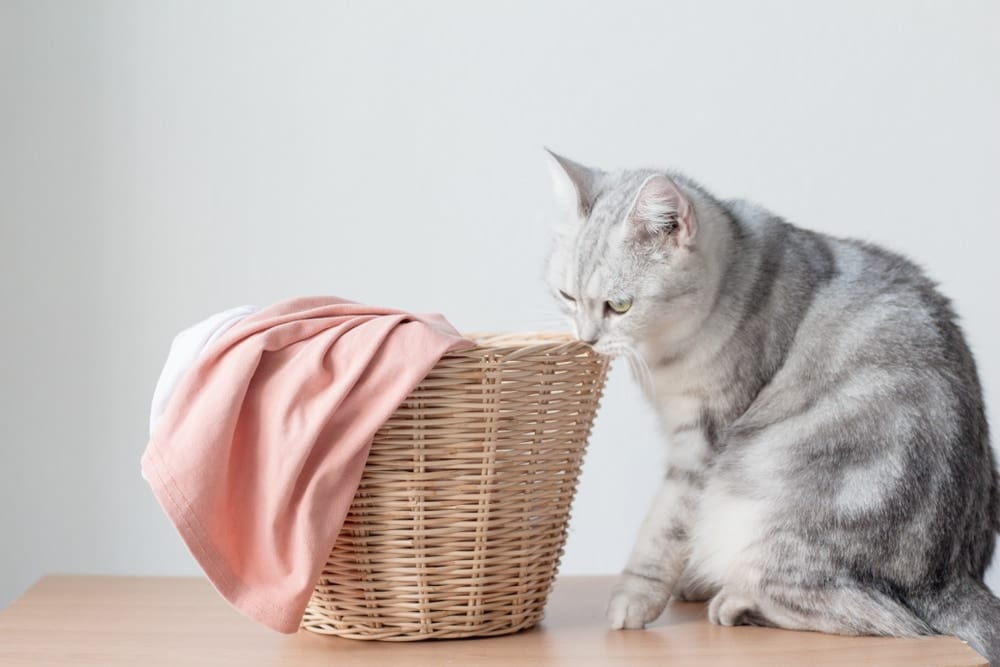
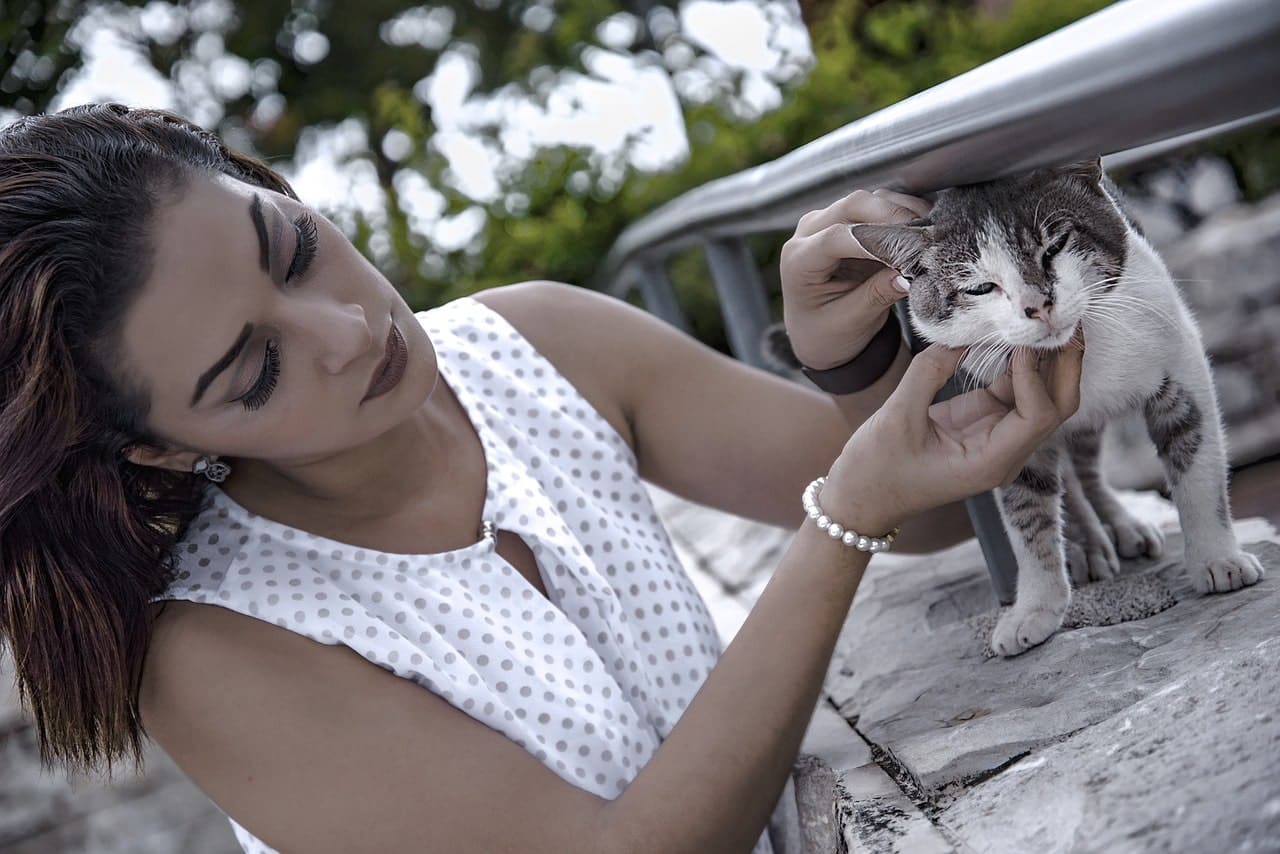
Including the ones in the paws, cats have nine sets of scent glands. Does your cat rub the side of their face on objects around the home? This is because of the cheek glands. Do they give you loving headbutts from time to time? They are marking you as their human because of the temporal and pinna glands at the top of the head and ears. Even when a cat rubs against your legs when greeting you leaves their scent.
Feline Scent Glands:
How Do Cats Use Scent?
Each scent gland is used for a different type of communication. The scents are undetectable by humans and dogs, so they are meant only for other cats or to satisfy their instinctual needs.
For example, the glands in the head and ears are primarily used to mark territory, objects, and people. A cat surrounded by their own scent will be much more at ease and feel truly at home. Headbutting may seem like a friendly gesture, but it means much more. Your kitty has claimed you!
Scenting is a primal instinct passed down from ancestors that is still a vital part of survival for feline predators that live in the wild, like lions and tigers. Because cats are so sensitive to their own smells, they are receptive to most others. In 2013, big cats at the Taronga Zoo in Australia were offered a variety of enrichment games. One of their favorite activities involved a specific brand of perfume.


But Why Scratching?
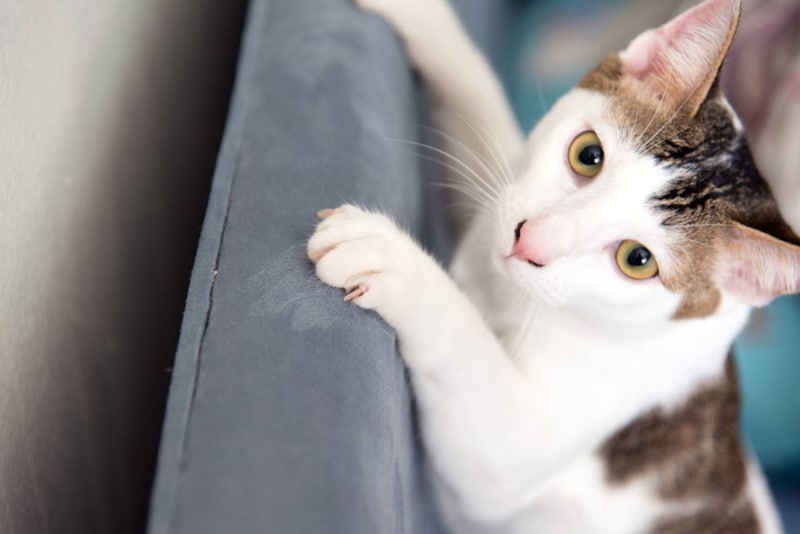
If your cat spends any amount of time outdoors, scratching is most likely a big part of their daily activities. They will have to set boundaries to let other cats know it’s unsafe to enter without the express permission of the king or queen. Indoor cats can’t shut off this instinct to set boundaries, and they will scratch objects around the home to do so, even if they are the only ones living there.
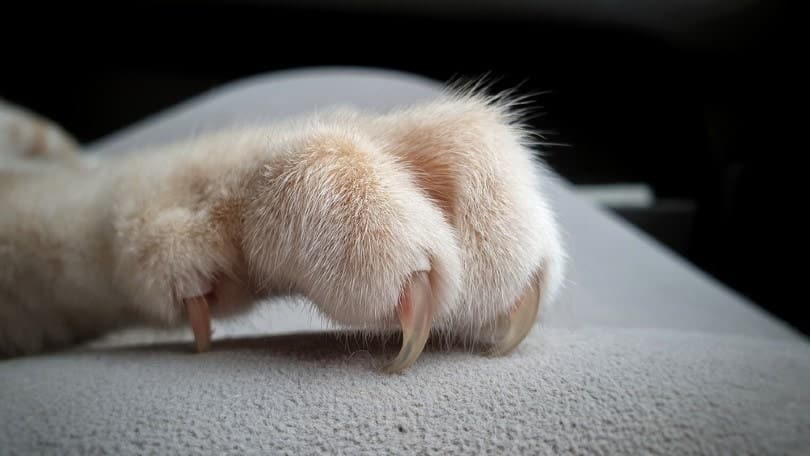
Scratching also helps maintain healthy paws and claws and encourages stretching that keeps them flexible and limber.
Another excellent way to help your cat maintain their nails is by introducing them to a cat scratcher. The Hepper Hi-Lo is the perfect alternative to a regular scratching post or cat tower and doubles as a fun and exciting way for them to keep their nail length at bay. Cardboard is the main attraction, because we all know how much cats can't resist it, and the scratcher itself was created to encourage play with its multi-position design.

- Premium Materials - Hepper's cardboard scratcher is made with dense, B-flute cardboard, and a metal core. Encased in a 1/2" plywood frame with gloss coating. Stable and beautiful, use after use
- High, Low and Lower - A single cat scratch pad won't keep your cat engaged. 3 unique positions keeps them coming back, and back, and back again. Finally, something to get them away from the couch!
- Activates Muscles - The Hi Lo isn't just a cat nail file to stop the chief cat couch scratcher. The deep cat scratcher wave encourages maximum musculoskeletal activation for a healthier workout
If you are looking to keep nail trims to a minimum and your cat entertained for hours, the Hepper Hi-Lo Cat Scratcher is a must-have.
At Catster, we’ve admired Hepper for many years, and decided to take a controlling ownership interest, so that we could benefit from the outstanding designs of this cool cat company!

The 4 Ways to Prevent This Behavior
Declawing a cat is highly discouraged for several reasons, including the chance of chronic pain, infection, and lameness. Fortunately, there are more positive and practical solutions if your cat’s scratching has become destructive.
1. Provide Other Options
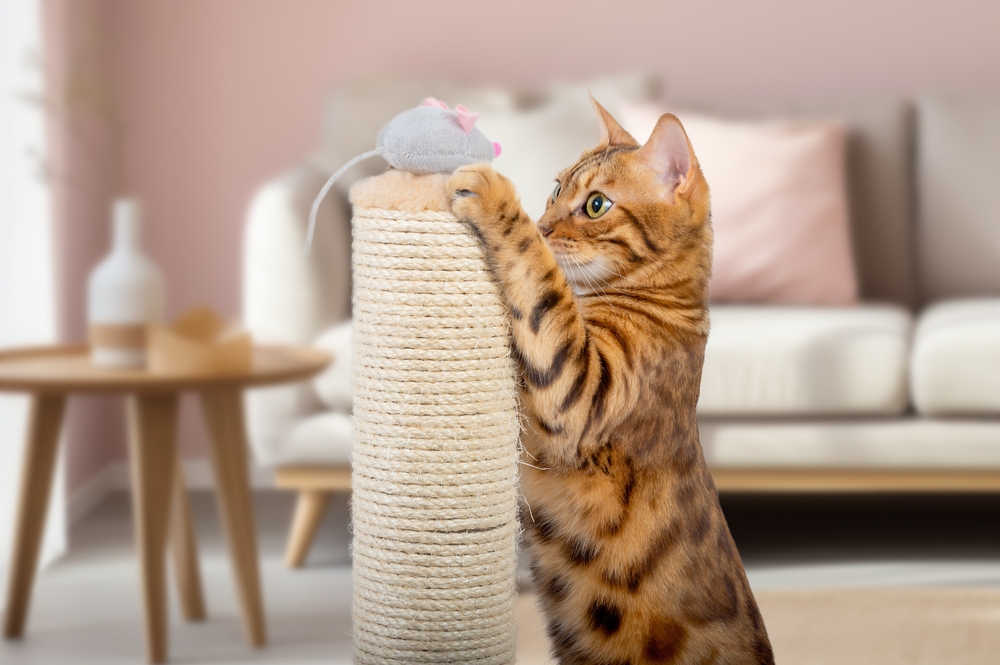
They may divert their attention from your furniture by offering plenty of other surfaces to scratch that they prefer, such as scratching posts, cat trees, boards, and mats. If they aren’t interested in them, you may need to tempt them with catnip or a toy. Do not force them to use the scratching surfaces, or they may never try on their own.
2. Discourage Destructive Scratching
After giving them plenty of other options, remove the items they have been scratching that they are not supposed to. If you cannot remove them, try covering them with a furniture cover or scratch-resistant material for a short time to discourage the behavior, at least until they’ve discovered the new scratching posts or boards.

3. Clip or Cover Their Nails
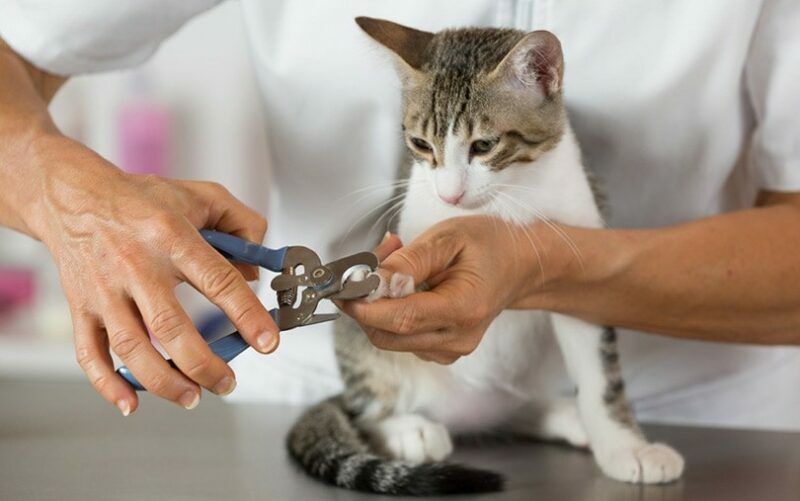
If long claws or a grooming habit causes your cat’s scratching behavior, helping them with it could lessen the behavior. If you aren’t comfortable clipping their nails, you could get a friend to help you or take them to the vet or groomer. Claw covers are another option.
4. Use Artificial Pheromones
Artificial pheromones mimic the scent that your cat would leave behind if they have already marked the location. Applying it to their favorite scratching surfaces could help because they would not feel the urge to scratch it again.


Conclusion
Cats have many scent glands and use them often and in different ways. However, the ones in their paws can cause the most trouble for pet parents. You can manage their behavior only when you understand how cats think. If your cat is scratching the wrong items around your home, try encouraging more positive use of their instincts.
Related Read: What Is a Cat Scent Soaker?
Sources
Featured Image Credit: Kevin Bidwell, Pexels

Expert cat care, straight to your inbox
Vet-reviewed advice, behavior tips, and the best of Catster. Free, and you can unsubscribe anytime.
By signing up, you agree to our Terms & Conditions and Privacy & Cookies Policy.
Krysha is the owner of a chatty Tortie cat named Shelly, whom she rescued and cares for. Through her experiences caring for various animals such as dogs, cats, turtles, lizards, hamsters, and fish, Krysha has been motivated to promote awareness about local animal shelters and advocate for simple ways to assist them.
Join the conversation
Ask a question, share your story, or send private feedback.