Cat Dingleberries: Vet Reviewed Causes & Prevention Tips


In this article
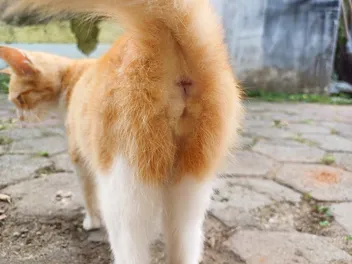
Dingleberries (singular dingleberry) is a slang term for dried feces stuck onto a cat's fur around the anal area and back end. While it's not a pleasant topic, and many cat parents may wish to leave that area alone, it's important to address this issue for the well-being and health of your cat. Likewise, even if your cat has not had a problem to date with dingleberries, keeping on check on the back end is part of good cat ownership and preventative health.
There are several potential reasons why cats may develop dingleberries, either as a one-off or chronically, and these can range from insufficient grooming to upset tummies to obesity. Certain types of cats are also more prone to the poo problem, such as those with long hair.
To discover more about why dingleberries occur and what to do with them, as well as learn a few tips to help prevent them from reoccurring, you have landed on the right article.

Why Does My Cat Have Dingleberries?
Dried-on poop around the anus and backend area is perhaps more common than you think, although it may be less talked about. It can happen at any age or point in your cat's life. There are plenty of reasons why this occurs; some are simpler and more solvable than others, but regardless, it needs addressing. If you find dingleberries on your kitty, see if these causes resonate with you or fit the circumstances.
1. Long Hair
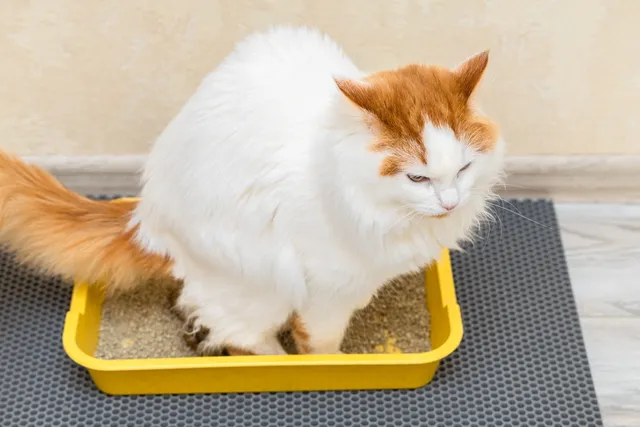
Cats with long fur, whether pedigree or domestic long-haired, are prone to dingleberries. During defecation, due to the length of fur in that area, which can often be thick, too, parts of the poop or all of it can become entangled and messed up within the hair. This is especially true around the tail and hindquarters, and long hair can easily trap feces, making it difficult for your cat to clean itself.

2. Obesity
Overweight or obese cats frequently have difficulty in reaching and cleaning their anal area properly, leading to the accumulation of feces, which then becomes stuck in the fur and hardens if it is not removed. Weight problems are common in cats, and if your cat is a little chubby, checking their bottom is important.
3. Gastrointestinal Issues
Cats with digestive problems or any issue disrupting the gastrointestinal tract are prone to conditions such as diarrhea and or constipation. In the case of diarrhea, liquid feces easily become entangled and mixed in with the fur, especially if there are frequent bouts of it. Constipation, in contrast, can also cause the same as they struggle to squeeze out the feces; poop becomes entrapped within the fur, particularly if it is only small pieces.

4. Lack of Grooming
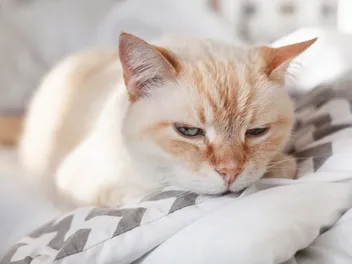
Cats are normally studious, if not obsessive groomers which helps to prevent many health problems like dingleberries. If they are not grooming, they won't be cleaning their rear ends, causing their bottoms to become dirty, and also, the fur will begin to mat if left untreated, which could block the anus completely. Lack of grooming is usually a sign, not a condition, indicative of an underlying medical or behavioral issue such as arthritis, mouth pain or anxiety.
5. Old Age
Senior cats (those over eight years old) may experience mobility issues or arthritis, making it challenging to groom themselves effectively. Turning their necks and spines can become difficult and painful, for example, which leads to a lack of grooming.

What Do I Do if My Cat Has Dingleberries?
If your cat has dingleberries, it's important to address the issue promptly to ensure your cat's comfort and prevent any potential health problems. Should the problem continue, become a frequent issue, or you are not winning at clearing the beastly poo away yourself, check in with a veterinarian or a professional cat groomer for further help.
The following suggestions should help you sort them out and prevent them in the future.
- Gentle Grooming. Try to comb or brush out the dried poop carefully. Comb from the root to the tip, and be careful not to scratch the skin with the comb's teeth. If it is still wet, you may need to give their bottom a quick wash or wipe (see below). Alternatively, or for stubborn areas and poop, use a pair of blunt-end scissors to trim the fur around the affected area carefully. Be very cautious not to cut the cat's skin. If the dingleberries are particularly stubborn, you may need to use clippers, but extreme care is necessary.
- Warm Water Bath. If the dingleberries are not easily removable, consider giving your cat a warm water bath. Use a pet-safe shampoo, if necessary, not human shampoo or soap, as these are too acidic for their skin and cause irritation. Keep the water warm (not hot or cold), and dry your cat thoroughly afterward.
- Wet Wipes or Damp Cloth. Pet wipes are readily available, making a convenient and easy alternative to a bath. Do not use human or baby wipes; these, like shampoo, are the wrong pH and can cause skin irritation and problems. A damp cloth may also be used to gently clean the affected area. Either of these will help to remove dried feces without the need for a full bath.
- Regular Grooming Routine. Establish a regular grooming routine for your cat, paying close attention to the hindquarters. Regular brushing and/or combing can help prevent future dingleberries from forming. If you are unsure what to do or how often to groom, consult a good cat groomer; they will be more than happy to help you and offer demonstrations.
- Supervised Outdoor Time. If your cat goes outdoors, monitor their activities and whereabouts! Outdoor cats may be exposed to different types of dirt and debris whilst getting up to all sorts of no good. This can possibly contribute to dingleberries.
- Food. Evaluate your cat's diet, their main meals, and treats. Are they receiving a balanced and appropriate feline diet? Are they being fed the correct amount? Consider whether dietary adjustments may be necessary to improve stool consistency again; a veterinarian or vet tech can help enormously with this topic.
- Weight Management. If your cat is overweight or obese, work with a veterinarian and vet nurse/vet tech to develop a weight management plan using proper weight reduction food and exercise regime.
- Hydration. Water is essential to life and in creating and maintaining proper defecation and consistency of their stools. Your cat must always have constant access to fresh water. Proper hydration can cause abnormal bowel movements.
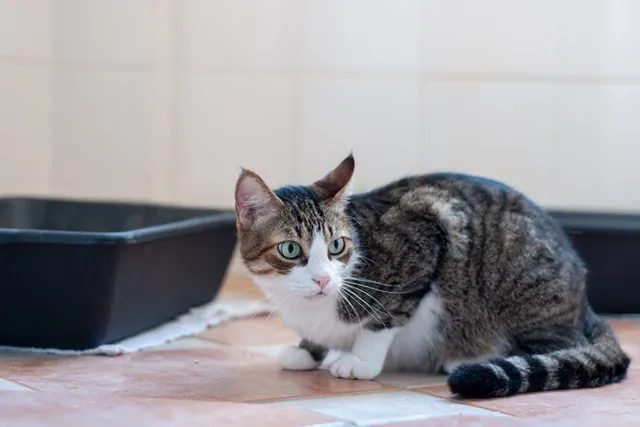
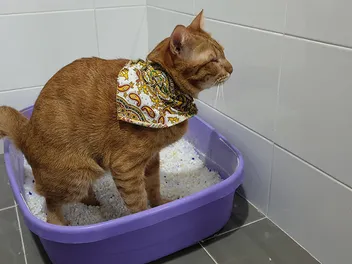
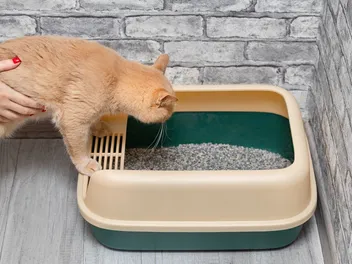
- Litter Box. Keep their litter box clean and topped up. Cats are more likely to develop dingleberries if they avoid using the litter box due to cleanliness issues or a dislike of the litter. Ensure it is placed away from the feeding and drinking bowls.
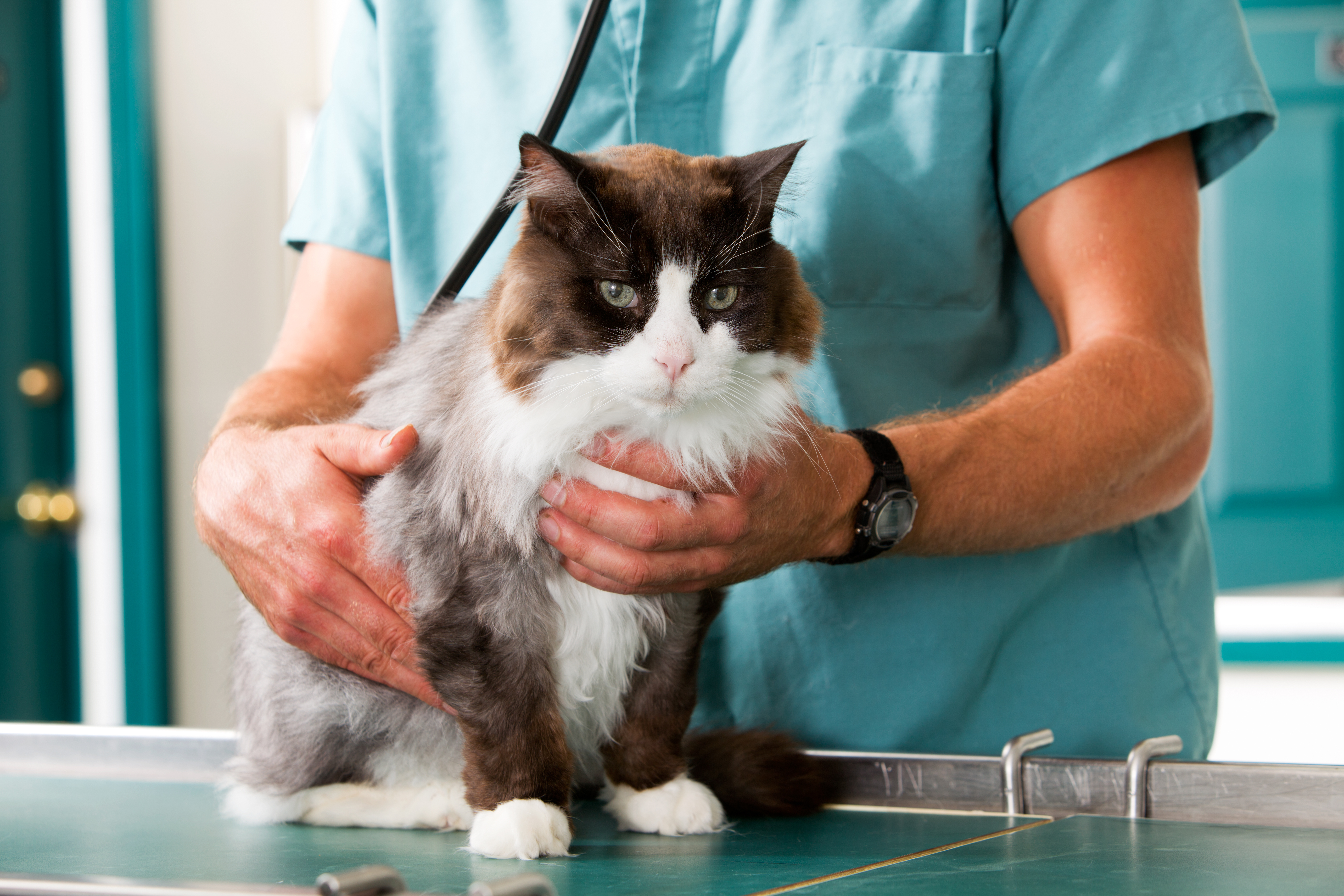
- Consult With a Veterinarian. If the dingleberries persist or your cat appears uncomfortable or ill, it's important to consult with a veterinarian. Underlying health issues, such as gastrointestinal problems, mobility issues and pain, may need to be addressed.
By implementing these preventive measures and checks, you can help keep your cat clean and comfortable, reducing the likelihood of dingleberries. Regular attention to your cat's grooming needs and overall health is key to treating, preventing, and managing this issue.
Conclusion
Remember that maintaining your cat's hygiene is vital for your kitty's health and well-being and plays a decent part of your responsibilities as a pet parent, even the icky bits! If you're unsure about the cause of the dingleberries on your kitty or if your cat is showing signs of distress or other signs of illness, book in with a veterinarian for a check-over, who can give you tailored advice rather than leaving the dingleberries or struggling on with the situation.
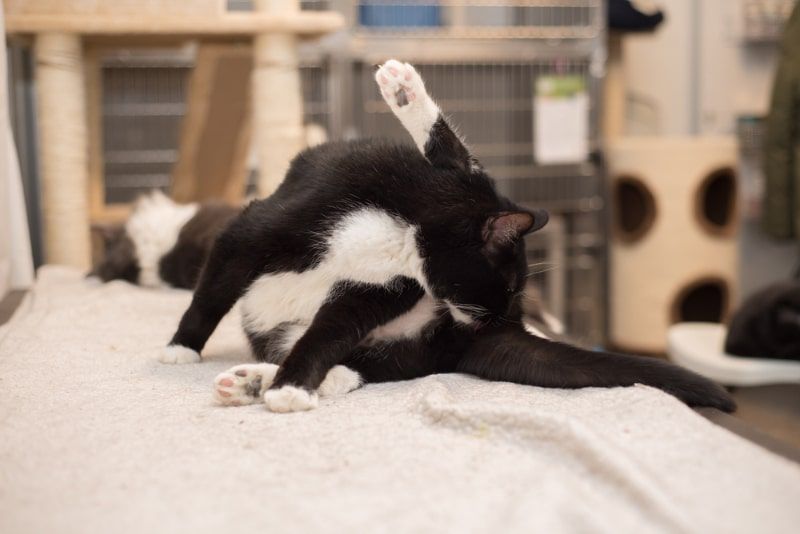
Feature Image By: Melissa Sue, Shutterstock
Expert cat care, straight to your inbox
News, insights, and useful advice, delivered to you.

No spam — unsubscribe anytime.
By signing up, you agree to our Terms & Conditions and Privacy & Cookies Policy.
How useful was this post?
Click a star to rate. You can leave written feedback afterwards. (We read all feedback.)
Annaliese qualified as a veterinary nurse from Edinburgh and went on to attain a diploma in advanced veterinary nursing in surgery from London. Throughout this time, she worked in both small and mixed veterinary practices and gained head nurse status.
Having cared for thousands of patients and owners, and after more than two decades in the veterinary and pet care industries, both as a vet and a writer, she has now officially retired her scrub suit and now works as a full-time writer.