Get

In Your Inbox

Catster is reader-supported. When you buy via links on our site, we may earn an affiliate commission at no cost to you. Learn more.

How to Tell if My Cat Needs Their Glands Expressed? 6 Vet-Verified Signs

Share

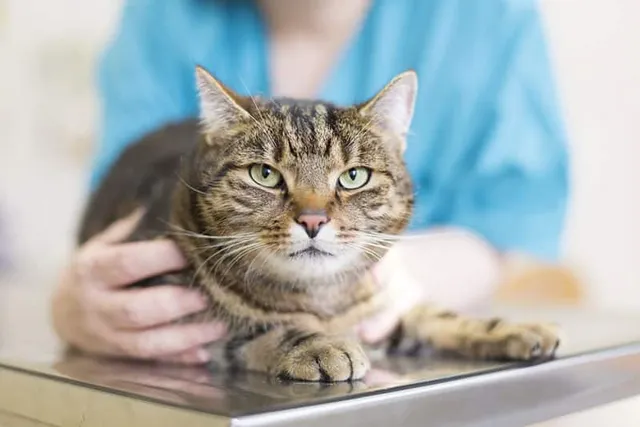
Cat sitting on a vet metal table

As a cat owner, you need to make sure your beloved friend is healthy, and sometimes that means dealing with bodily functions that aren’t so pleasant. Cats have two anal sacs that help them mark their territory. The sacs are located on either side of the anus and emit a smelly, dark substance. Most of the time, the liquid is expelled when they pass feces.

Generally, most healthy cats don’t need these sacs removed or expressed, but they can sometimes lead to health problems. Common issues associated with cat anal glands include infections, clogging, and abscesses.

Keeping your cat healthy requires the right knowledge and awareness. Here are six signs to help you tell if your cat needs glands expressed.

divider cats oct 2024

The 6 Signs Your Cat Needs Their Glands Expressed

1. Chasing Their Tail

Some animals find chasing their tail fun and entertaining, and if this is a typical behavior your cat shows, it’s probably not a huge problem. But if your furry friend has never done this before and just picked the habit up, keep looking for other signs of anal gland concerns.

Also, watch for an increase in tail chasing. While this behavior alone might not indicate anal gland compaction is the problem, it’s still a concerning behavior that needs to be monitored.


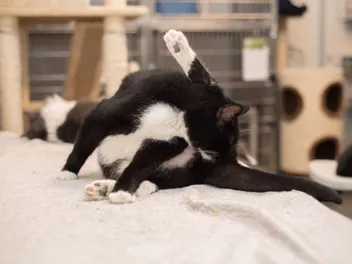
2. Scooting on the Floor

Anal gland issues are more common in dogs than cats, so it’s not surprising that dogs usually “scoot” like this. While dogs are more likely to do this, it’s also a good indicator there’s something wrong with your cat’s anal glands. Your cat is likely trying to relieve uncomfortable or itchy feelings by rubbing their bottom on the ground. Exhibiting this behavior now and again isn’t a huge deal, so take note of the frequency.


3. Licking the Area Frequently

ginger cat licking tail
Image Credit: Katho Menden, Shutterstock

Cats groom often and usually keep themselves relatively clean by licking their fur. So, it’s normal to see your cat cleaning around their private areas. However, take notice if they’re doing so much more than ever before. They may start licking or even biting around the base of the tail, too. Check under the cat’s tail for abscesses, other sores or anal gland discharge if you notice this behavior.


4. Your Cat Seems to Be in Pain

It’s challenging to tell if your cat is in pain because they naturally hide or minimize their feelings. Masking pain is likely a leftover survival mechanism, but it makes your job as a pet owner harder.

You don’t want your feline to suffer, so look for straining when the cat poops or struggles to sit normally. They might try to keep their bottom and tail from touching anything or avoid putting pressure there.


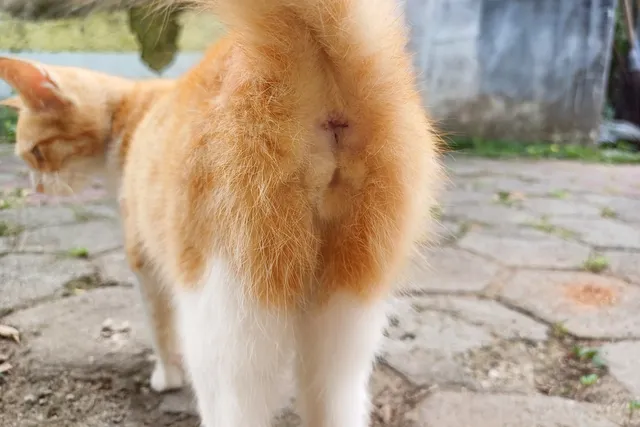
5. Swelling Around the Anal Area

healthy vs blocked anal sacs glands
You are free to use this image but we do require you to link back to Catster.com for credit

You know your kitty better than anyone, so you’ll be the one to pick up on any strange behaviors or health problems that weren’t there before. If they’ve started licking their butt and tail or showing signs of pain, inspect the outer area for swelling. You can gently touch the sides, and if you feel a rigid mass, there is likely a problem. Even if it’s not anal gland-related, you’ll want to get the cat checked out by a vet. There may also be an open wound if the gland has ruptured.


6. Meowing to Get Your Attention

This is a behavior that not all cats will show, as they all have different personalities. But meowing more than usual could mean your cat has a health issue. Pay attention to their vocalizations and if the sounds seem strained. This behavior alone does not indicate the problem is related to impacted anal glands but could be an indication something out of the ordinary is going on.

If your cat shows signs of the symptoms above or you suspect they might be suffering from underlying health issues, you should contact your vet.

divider cats oct 2024

Conclusion

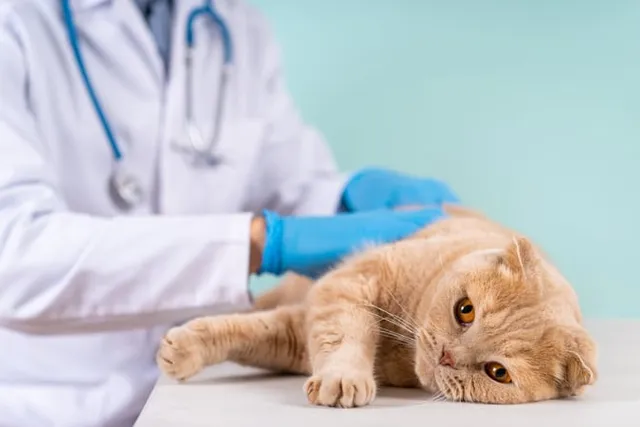
Have you noticed any of the signs mentioned above? If so, the best way to know if your cat needs their anal glands expressed is to take them to the veterinary clinic. The vet can thoroughly evaluate your cat and usually express the anal glands at the appointment. The veterinarian can also protect your pet from worsening signs like an infection.


Featured Image Credit: Tyler Olson, Shutterstock

Want content like this delivered to you?

Sign Up For Our Newsletter

News, insights, expert advice, and everything cat

* By submitting, you agree to our Terms & Conditions and Privacy & Cookies Policy.


How useful was this post?

Click on a star to rate (you can leave written feedback after clicking submit)

Help us improve Catster for pet parents!

Your feedback really matters.

What did you like about this post? Also how can we improve it?

Join the conversation

Leave a Reply

You’re very welcome to leave a comment or question. Please know that all comments must meet our community guidelines, and your email address will NOT be published. Let’s have a positive and constructive conversation.


Talk With A Vet Online

Peace of mind,
anywhere, anytime

Affordable vet advice

The Cat Biting Mistakes Most Owners Make (And What Works Instead)

Cat bites sent more than 400,000 people to emergency rooms in the US each year.1 Not scratches. Bites. And the reason they’re so...

Do Cats Cause Schizophrenia? Scientists Find a Link – Here’s What It Means

Being a fierce advocate (and occasional recipient of) mental health support and awareness, the term ‘crazy’ is not one I like to fling...

One in 100 Cats Gets Diabetes – Here’s How to Catch It Early

One in every 100 cats develops diabetes.1 That’s not a rare, unlucky condition reserved for cats with obvious health problems. It’s common enough...

Dramatic Rescue Turns Into Dramatic Reunion

What started as a routine call for the RSPCA became a heroic, five-hour rescue featuring one trapped and traumatized cat, an emotional family...

More related

7 Best Cat Trees in Canada in 2026 – Reviews & Top Picks

If you’re on the hunt for a brand-new cat tree but don’t know where to start, you’ve come to the right place! We...

300+ Japanese Cat Names: Great Ideas for Your Exotic Cat

There are so many foreign cat breeds that it only makes sense to pay homage to their homelands by choosing a name from...

How Much Do Maine Coons Purr? Vet-Reviewed Facts & Info

Maine Coons are known for their luxurious coats, large size, and charming personalities and are one of the most popular cat breeds in...

Persian Kittens For Sale in Pennsylvania: Breeders List 2026

Catster advocates for adopting before shopping, though we fully understand there are many reasons for seeking a breeder. So, we encourage it to...

Keep reading

How to Handle Food Aggression in Cats: 11 Vet-Reviewed Tips & Tricks

Dealing with food aggression in a cat can be overwhelming and even scary at times. Food aggression can exhibit itself in a variety of ways, including growling, biting, food stealing, and attacking. Unfortunately, without appropriate management, food aggression will almost...

tabby cat eating cat food out of bowl inside

Why Do Cats Invade Your Personal Space? 4 Vet-Reviewed Reasons

After thousands of years of domestication, it’s surprising that cats still haven’t adopted any social mores that direct their human owners. They’ll knock plants over without a second thought, scratch up furniture and rugs, or pee on the carpet if...

cat-rubbing-against-owner

8 Best Kitten Foods for Sensitive Stomachs in 2026 – Reviews & Top Picks

Some cats have sensitive stomachs. Whether due to genetics or their gut microbiome, some kittens can’t handle the same foods that other cats can. The stomach upset that follows can be frustrating for you, but it can be quite painful...

American cat kittens eating

How to Put a Cat on a Diet: How, Why & 4 Vet-Approved Steps to Follow

As you may or may not know, cat obesity is a problem in the United States, so much so that up to 63% of cats are deemed overweight 1. If you have an overweight cat, helping your cat shed that...

grey domestic hungry cat

Is Alstroemeria Toxic to Cats? Vet-Approved Advice

If your cat just ate some of your Peruvian Lily or rubbed on the petals you may be panicking. Although the ASPCA lists Peruvian Lily, also known as Alstroemeria, as safe for cats, dogs, and even horses, it is listed...

Catster_Is Alstroemeria Toxic to Cats

Are Goldfish Plants Poisonous to Cats? Vet-Reviewed Houseplants Examined

Hardy and colorful goldfish plants can make stunning additions to your home. The brightness of the flowers and the movement of leaves can also be an enticing sight to your curious feline. Fortunately, goldfish plants aren’t poisonous to cats and...

Catster_Are Goldfish Plants Poisonous to Cats

Why Is My Cat’s Bottom Lip Swollen? 9 Vet Reviewed Reasons & What to Do

Your cat’s health is your responsibility—but sometimes you might not be sure whether anything is wrong. If you notice your cat has a swollen bottom lip, should you be worried about it? Should you call an emergency vet? The truth...

cat opening its mouth

Cat Life Stages Explained (Plus 12 Vet-Approved Tips To Improve Their Wellbeing)

It’s not uncommon for cats to live well into their 20s, and certainly into their late teens, largely thanks to improved healthcare and nutrition, but also as a result of greater awareness from owners. The basic route to providing a...

young woman holding cute siberian cat with green eyes

Love Cats? So Do We! Join the Catster Community

Stay informed with expert pet care insights delivered straight to your inbox! Discover professional guidance on animal behavior, feeding tips, trusted product picks, and much more.


Sign up for the Catster Email Newsletter

Stay informed with expert pet care insights delivered straight to your inbox! Discover professional guidance on animal behavior, feeding tips, trusted product picks, and much more.