How Much Do Maine Coons Purr? Vet-Reviewed Facts & Info


In this article
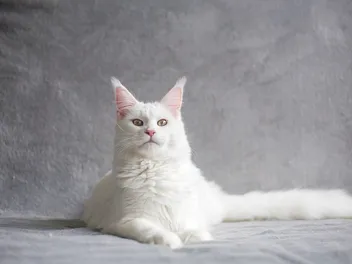
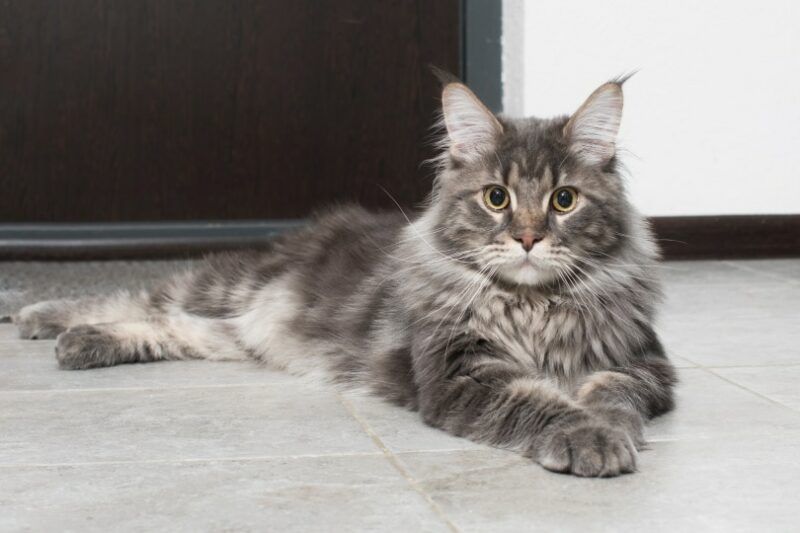
Maine Coons are known for their luxurious coats, large size, and charming personalities and are one of the most popular cat breeds in the world. If you are curious about these gentle giants, one question you might have is how much do Maine Coons purr? As a breed, Maine Coons are fairly vocal, and purring is one of the sounds they make, but the frequency will vary among individuals.
In this article, we’ll discuss why Maine Coons purr and why it may seem like they do more than other cats. We will also let you know if you ever need to worry about how much your Maine Coon is purring.

Why Maine Coons Purr
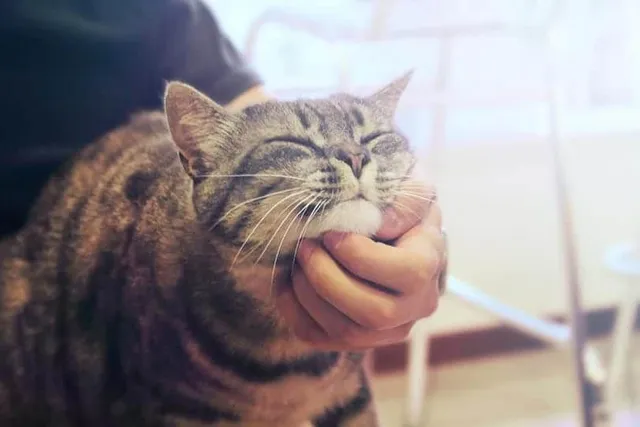
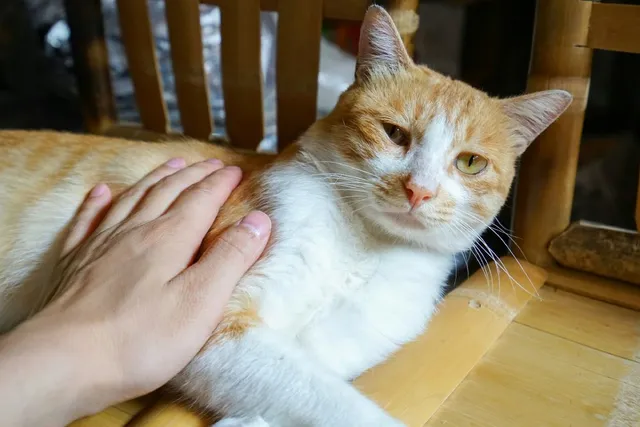
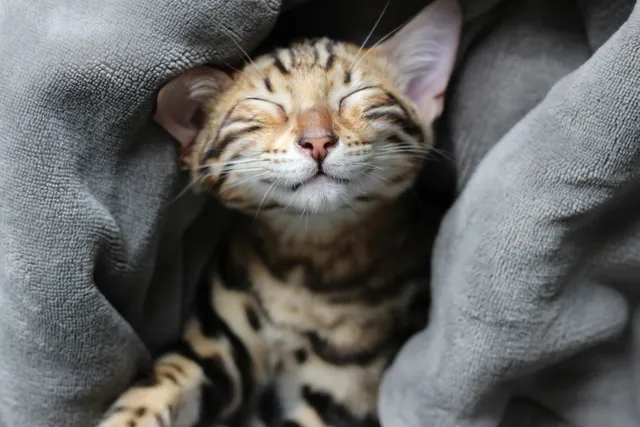
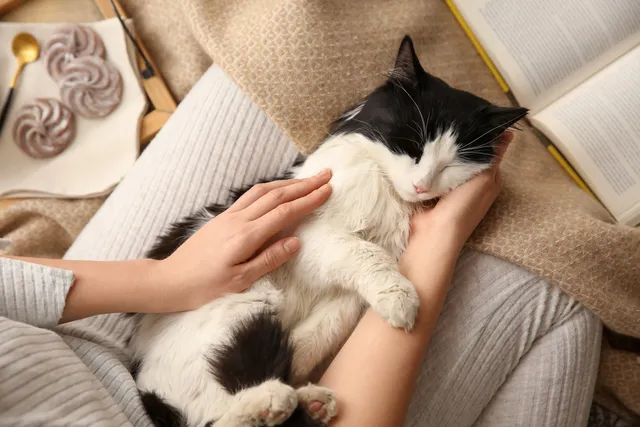
Like all cats, Maine Coons purr as a way to communicate how they’re feeling. Typically, we associate purring with a cat feeling content and relaxed. This is often the case, but not always (more on this later).
As a breed, Maine Coon cats are often described as dog-like, thanks to their exceptional friendliness and good nature. Since purring is one way to communicate happiness and contentment, it makes sense that people would assume that an affectionate breed like the Maine Coon might be prone to doing so more often than others.
It also might seem like Maine Coons purr a lot because they’re constantly around their owners. Most Maine Coons are acquired from breeders and come with a hefty price tag. As a result, they’re often raised as indoor pets and spend more time with their owners than cats that roam. As a result, their purrs might be more noticeable than that of other breeds.

Should You Worry About Your Maine Coon Purring a Lot?
As we mentioned, purring is often a sign that a cat is comfortable and content but can also indicate more troubling feelings. stressed, sick, or injured cats may also purr frequently.
Purring is thought to serve as a way for cats to calm themselves down. Research has also indicated that cats purr at a frequency that may assist with healing.1 Purring cats may use the sound to fix whatever is wrong with them.
Because purring is sometimes an indication of pain or stress, it could be a cause for concern if your Maine Coon is doing it a lot. Cats have a survival instinct to hide signs of weakness, including sickness. This can make it hard for you to know when something is wrong with your Maine Coon, so paying attention to subtle signs like purring is a must.
If your cat is purring for a troubling reason, you’ll likely notice other signs, such as hiding, a decreased appetite, and a decreased activity level. Watch for abnormal physical signs like coughing, vomiting, and diarrhea. If you’re concerned, take your cat to the vet for a checkup.
Another reason a cat may purr is to request food from their caretakers (AKA you!).2 Like all other pet cats, Maine Coons may also purr while eating (possibly to showcase contentment).
How Do Cats Purr?
So how exactly does your Maine Coon produce this mysterious purr that communicates their feelings? Scientists believe that the sound is produced by the movement of air over vibrating muscles along your cat’s neck, creating a rattling tone. Unlike other sounds, purring can occur as the cat inhales and exhales air from the lungs. The cat’s brain triggers the purring behavior, but we don’t know the exact mechanism yet.
Some wild species can also purr, including bobcats and cheetahs. However, large cats that can roar (such as lions or leopards) do not purr. Kittens usually develop the ability to purr pretty early, which serves as a way for them to bond and communicate with their mother and littermates.

Final Thoughts
Besides purring, Maine Coon cats produce other sounds like meowing, chirping, and trilling to communicate with their humans. If you want a cat who will be seen and not heard, the Maine Coon is not the one for you! Fortunately, many humans find purring just as relaxing as the cats. The Maine Coon’s personality is one of their most significant charms, and plenty of purring is often part of the package.
Sources
Featured Image Credit: Remark_Anna, Shutterstock
Expert cat care, straight to your inbox
News, insights, and useful advice, delivered to you.

No spam — unsubscribe anytime.
By signing up, you agree to our Terms & Conditions and Privacy & Cookies Policy.
How useful was this post?
Click a star to rate. You can leave written feedback afterwards. (We read all feedback.)
Elizabeth Gray is a lifelong lover of all creatures great and small. She got her first cat at 5 years old and at 14, she started working for her local veterinarian. Elizabeth spent more than 20 years working as a veterinary nurse before stepping away to become a stay-at-home mom to her daughter. Now, she is excited to share her hard-earned knowledge (literally--she has scars) with our readers. Elizabeth lives in Iowa with her family, including her two fur kids, Linnard, a husky mix and Algernon, the worldʻs most patient cat. When not writing, she enjoys reading, watching all sports, and spending time outdoors with her family.