How Do I Tell If My Cat Is Constipated? 8 Vet-Reviewed Signs to Watch For


In this article
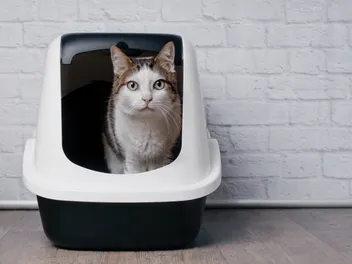
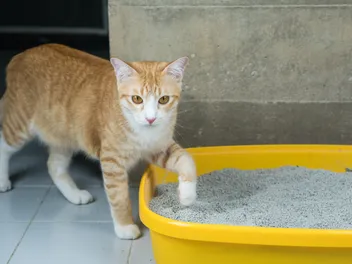
If you’ve noticed that there hasn’t been poop in the litter box for a few days (and your cat isn’t going somewhere else), it could mean that your cat is constipated. Some signs of constipation are more obvious than others, but cats are often quite stoic and only give subtle signs that they are experiencing discomfort.
While most cats poop at least once a day, bathroom habits can differ between individual cats. Knowing your cat's daily habits can help you know when there is a problem. But there are other ways to tell that your cat might be constipated.

The 8 Signs of Constipation in Cats
1. Hard, Dry Stools
Normal stools should be brown and look well-formed without being runny. When the stool is fresh, it should be soft and moist-looking. If your cat’s stool is dry, it means it doesn’t contain enough moisture. This is often a sign of dehydration or constipation.

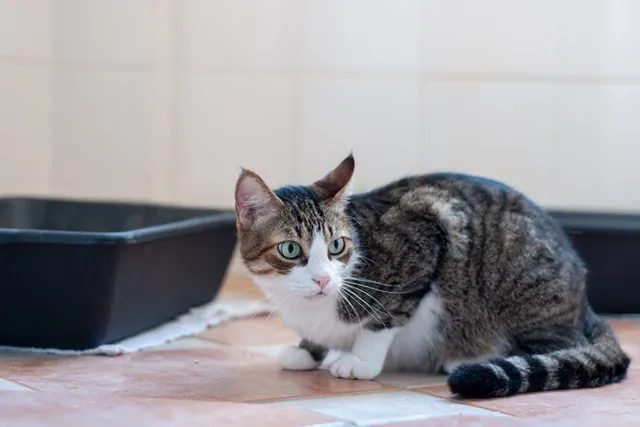
2. Straining or Meowing in the Litter Box
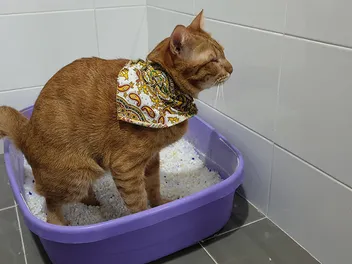
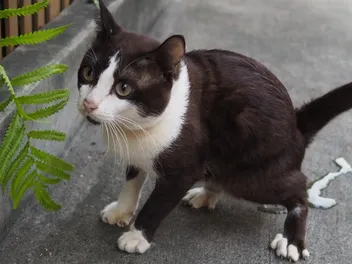
Cats that are constipated often show signs of discomfort when using the litter box. They may vocalize or look like they are straining to go. This can be a sign of constipation but is also a symptom of urinary tract infections, so look for other symptoms to narrow down the problem.
3. Lethargy
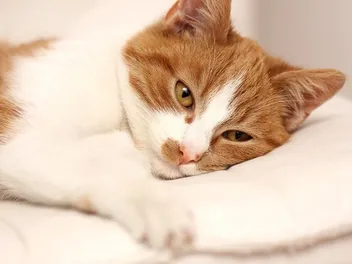
If you notice issues with your cat’s stool and your cat is more tired than normal, this can indicate that your cat is constipated.

4. Frequent Litter Box Trips Without Results
In addition to straining or vocalizing in the litter box, you may notice your cat making frequent trips to the litter box but not getting any results. This is a sign that your cat needs to go to the bathroom but can’t.
5. Loss of Appetite
Any abdominal discomfort will result in your cat not eating properly. This includes constipation. Adding more food will only cause them more pain, so constipated cats tend to stop eating.

6. Hard Abdomen
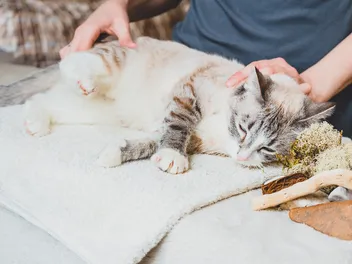
If your cat is retaining stool, their abdomen may feel firm or distended. Sometimes you can even feel the lumps of stool that need to be passed.
7. Diarrhea
Although this sounds counterintuitive if cats are constipated, sometimes with all the straining they can pass liquid feces around the constipation.

8. Hiding
It is a natural feline instinct to hide when they are sick. If your cat is hiding and won’t come out, or you find yourself constantly looking for them, this is a sign that they are experiencing discomfort of some kind.

What Causes Cat Constipation?
Dehydration is the most common cause of constipation in cats. Sometimes, the constipation is mild and can be resolved at home, while other times, it requires more intervention.
Other causes of constipation include:
Chronic diseases that can make cats prone to constipation are:
Cats that are experiencing anal sac rupture or abscesses may also have difficulty going to the bathroom because it causes them pain.

Treatment for Constipation
If your cat’s constipation isn’t easily resolved through rehydration, it may be time to see your vet. It’s important to treat constipation quickly, as prolonged distention of the intestines can cause permanent damage.
Treating constipation involves finding the underlying cause, removing the feces from the colon or intestine, and preventing constipation from reoccurring.
For immediate relief, your vet may give your cat an enema to help them pass stool. Do not attempt this at home, as many over-the-counter enema solutions are toxic for cats.
If there is a more serious cause of your cat’s constipation, your vet will run tests to determine the problem.
Home Remedies for Constipation
Mild, uncomplicated cases of constipation can often be resolved at home. Here are a few things that you can do to help your cat get things moving:
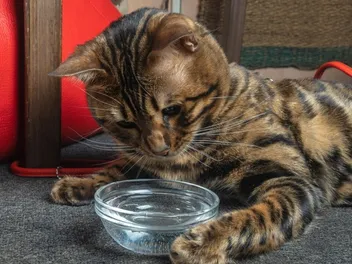
- Increase water intake — The easiest way to do this is to give wet food to your cat. You can also set up fountains or extra water bowls around the house to encourage drinking. Adding flavor to the water with tuna juice or chicken broth may also encourage your cat to drink.
- Maintain a healthy weight — Obesity causes the intestines to slow down. If your cat is overweight, consult with your vet about dietary and lifestyle changes to help.
- Increase exercise — Getting your cat moving will help get their stool moving. Encourage playtime and movement. This also helps with relieving stress and weight maintenance.
- Minimize anxiety — If your cat has experienced changes in their routine, this could be why they’re constipated. Give your cat a safe space to retreat to, make sure you are giving them plenty of attention, and be patient. If your cat seems to be experiencing higher than normal levels of anxiety, speak with your vet. Sometimes, medications are useful for treating anxiety.
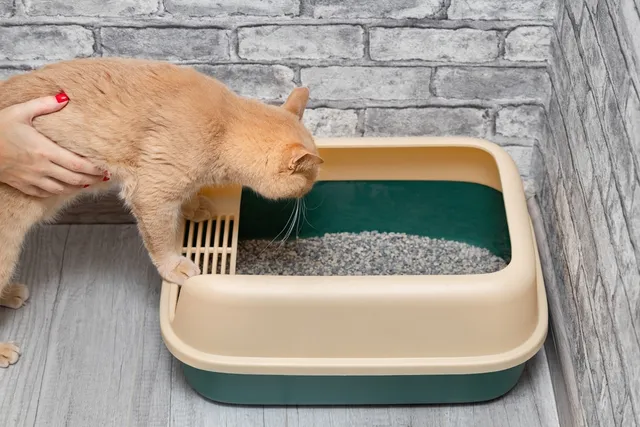
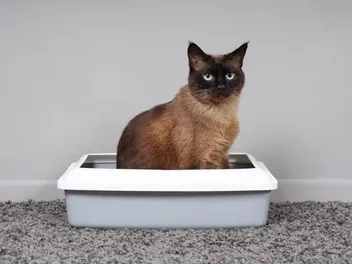
- Add more litter boxes — Cats are picky about their litter boxes and can stop using a box if they don’t like the litter or the location. Try adding an extra in a different room.

Conclusion
If you think that your cat is constipated, it is best to have them checked out by a vet. There is a simple solution in most cases, such as increasing fluid intake or moving the litter box. Sometimes, underlying disease processes can lead to constipation. Keeping track of your cat’s regular bathroom habits will help you identify issues sooner, making them easier to fix. Keeping your cat healthy, hydrated, and active on a daily basis is the best way to prevent recurrences of constipation.
Featured Image Credit: Inoprasom, Shutterstock
Expert cat care, straight to your inbox
News, insights, and useful advice, delivered to you.

No spam — unsubscribe anytime.
By signing up, you agree to our Terms & Conditions and Privacy & Cookies Policy.
How useful was this post?
Click a star to rate. You can leave written feedback afterwards. (We read all feedback.)
Chelsie is a freelance writer who is passionate about helping owners and cats live their best lives. She currently lives in rural Alberta, Canada with her husband and two children, and is currently a pet parent to four horses, four cats, and a border collie.