From Fast Food to First Aid
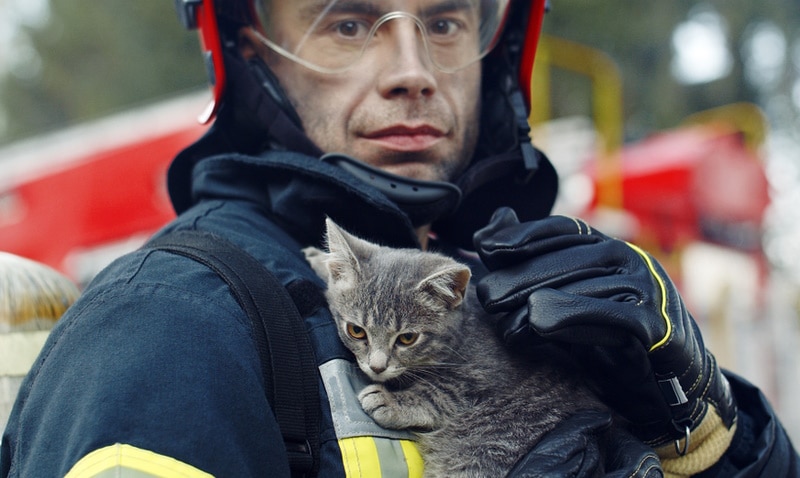
How One McDonald's Became an Emergency Hub for People and Pets After Venezuela's Earthquake
Most of us pull into a McDonald's expecting burgers, fries, and maybe an ice cream if the machine is working, but after Venezuela's devastating earthquakes on June 24-25, 2026, one restaurant traded burgers and fries for bandages, stretchers, and lifesaving care. While physicians treated injured people, volunteer veterinarians cared for rescued cats, dogs, and other companion animals, all under the same roof.
It almost sounds too extraordinary to be true, but that's exactly what happened.
Led by veterinarian Dr. Ángel Matute and supported by more than 70 volunteers, the veterinary team transformed part of the restaurant into a temporary field clinic and rehoming center after the earthquake damaged local infrastructure. With electricity, running water, and enough space to receive patients, La Guaira’s golden arches quickly became an emergency response center where both medical and veterinary teams could continue helping those affected. Reports indicate that more than 140 companion animals were rescued, and at least 60 received veterinary treatment in the days following the disaster.
It is certainly an inspiring story of resourcefulness, but for cat lovers, it is also a reminder that helping animals recover after a disaster takes much more than good intentions.

Cats Do Not Wait to Be Rescued
If you've ever spent hours searching for your cat only to find them squeezed into a space you would have sworn was physically impossible, you've already witnessed one of their greatest survival skills. Cats are masters at finding safe hiding places, and when they feel threatened, disappearing is often their first line of defense.
During an earthquake, that instinct becomes both a blessing and a challenge.
A narrow gap beneath fallen concrete, the crawl space under a damaged home, or a pocket hidden within a pile of debris may protect a cat from immediate danger, but those same hiding places can make rescue incredibly difficult. Cats often remain silent, tucked away in spaces that are hard to reach and easy to overlook.
Finding them is only the first step.
Cats can be frustratingly mysterious patients, especially in an emergency. They have a remarkable ability to convince us that everything is fine, even when it isn't, which may have been a pivotal survival skill for their wild ancestors, but it also means veterinarians never assume a rescued cat is uninjured simply because it's standing or walking. In the wild, appearing weak could attract predators or rivals, so felines became experts at masking discomfort. That means a cat rescued from the rubble may seem surprisingly composed while still suffering from dehydration, shock, internal injuries, or even painful fractures.
One of the first lessons we learn in veterinary medicine is that cats rarely read the textbook. A patient who appears calm can still be critically ill, which is why careful observation is every bit as important as diagnostic tests during emergency situations. It is one of the many reasons every rescued cat deserves a thorough veterinary examination, even when they appear to have escaped unscathed.
Healing the Body Takes More Than Just Medicine
Earthquakes leave behind more than damaged buildings. They completely change a cat's world.
Imagine waking up to unfamiliar sounds, unfamiliar smells, unfamiliar people, and a home that no longer looks or feels like home. Such devastation is hard enough for humans, who have some understanding of what has happened, to process, so it’s no surprise that many rescued cats are frightened, exhausted, and reluctant to interact with anyone, even their own families.
As veterinarians, we know that stress is not simply an emotional response. It has real effects on the body. Cats experiencing intense fear may stop eating, become withdrawn, or react defensively when handled. Those responses are completely normal, but they also make medical care more challenging.
That is why emergency veterinary medicine is about far more than treating cuts and broken bones. Pain management, fluid therapy, careful monitoring, nutritional support, and gentle, low-stress handling techniques all work together to give cats the best possible chance of recovering, both physically and emotionally. Finding space to do this in a disaster zone is obviously quite a challenge.

Why Veterinary Teams Matter During Disasters
When natural disasters make the news, we naturally focus on the people whose lives have been turned upside down. Yet companion animals are part of those stories too.
For many families, pets are not possessions waiting at home. They are family members whose absence adds another layer of worry during an already overwhelming time. Some people even put themselves at risk by returning to unsafe buildings in search of a missing pet.
That is one reason veterinary professionals have become an increasingly important part of disaster response around the world. Their work relieves animal suffering, supports public safety, and helps preserve the extraordinary bond people share with their pets.
The volunteer veterinarians in Venezuela demonstrated exactly what that looks like. While rescue operations continued outside, they stabilized injured animals, assessed those whose injuries were not immediately obvious, and cared for frightened pets until they could be reunited with their families or transferred for continued treatment. Doing all that from a fast-food restaurant was something they didn’t expect.
The Golden Arches Became a Beacon of Hope
Although it’s not so unusual to hear about large businesses or corporations making financial contributions to disaster relief, you don’t expect to see a restaurant as famous as McDonald’s being converted into a treatment hub. But once you read past the surprising headline, it becomes clear that this story is not really about a fast food restaurant at all.
It is about people who refused to overlook companion animals during a humanitarian crisis.
It is about veterinarians who adapted their skills to an unlikely setting because injured pets needed them.
And it is about the cats whose survival instincts helped them endure long enough to be found.
Long after the grills went cold, this Venezuelan McDonald’s became a place where families found hope, one rescued pet at a time. For those lucky enough to be reunited with a beloved pet, that reunion was more than just a happy ending. It was one small piece of normal life returned at a time when almost everything else had changed.

At first glance, this is a story about a McDonald's that stopped serving burgers. Look a little closer, though, and it's really a story about compassion, adaptability, and the remarkable bond between people and their pets. When disaster changed everything, volunteer veterinarians made sure cats and other companion animals were not forgotten. Sometimes, healing begins with something as simple as refusing to leave any member of the family behind, including the ones with whiskers.
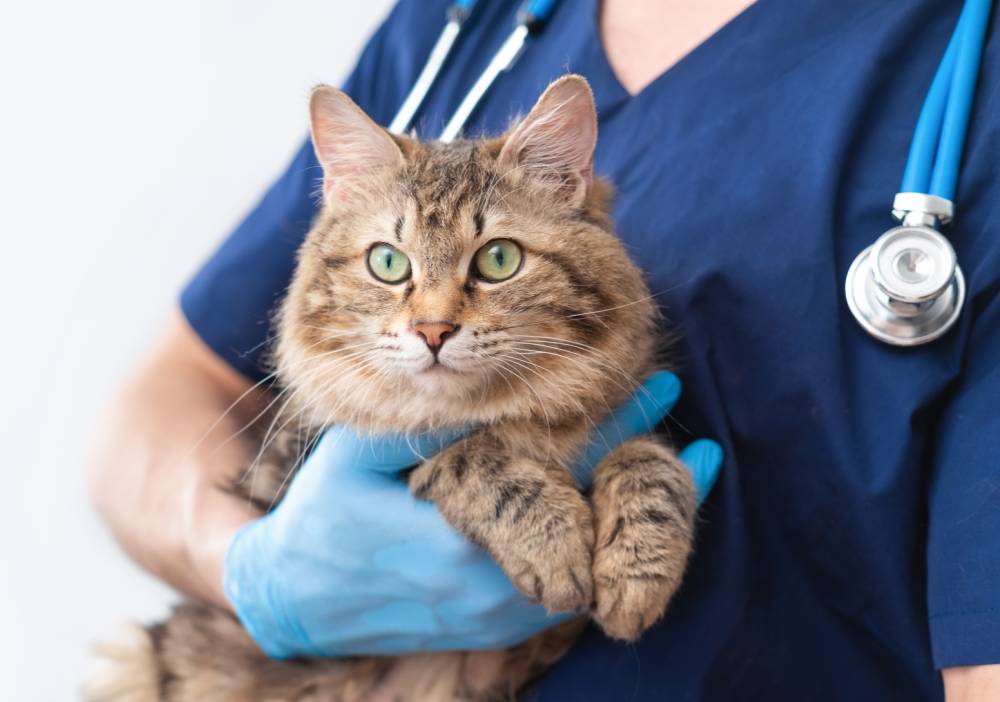
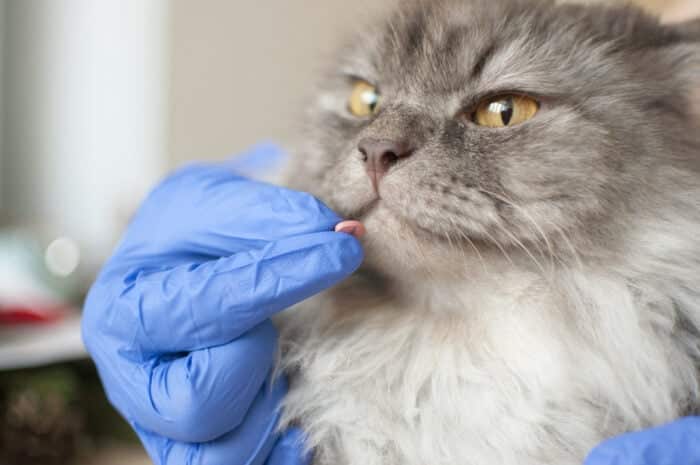
Feature Image Credit: VAKS-Stock Agency, Shutterstock
Did You Know?
- Our brand-new posts are rounded up and included in our weekly emails. Don't miss out on the latest - sign up for our newsletter below!

Expert cat care, straight to your inbox
Vet-reviewed advice, behavior tips, and the best of Catster. Free, and you can unsubscribe anytime.
By signing up, you agree to our Terms & Conditions and Privacy & Cookies Policy.
Dr. Paola Cuevas MVZ (Veterinarian)
Dr. Paola Cuevas is the Senior In-House Veterinarian at Pangolia, the parent company of Catster. She has over 18 years of experience as a veterinarian and animal behaviorist. Paola's focus is on preventive medicine and animal welfare. Paola has a large range of skills in from diagnostic imaging to nutrition and clinical pathology. Paola enjoys sharing her extensive knowledge of animal training with our Catster readers and is always happy to answer reader questions as our in-house veterinarian.
Join the conversation
Ask a question, share your story, or send private feedback.