The Secret to National Happiness is More Cats…or is it?
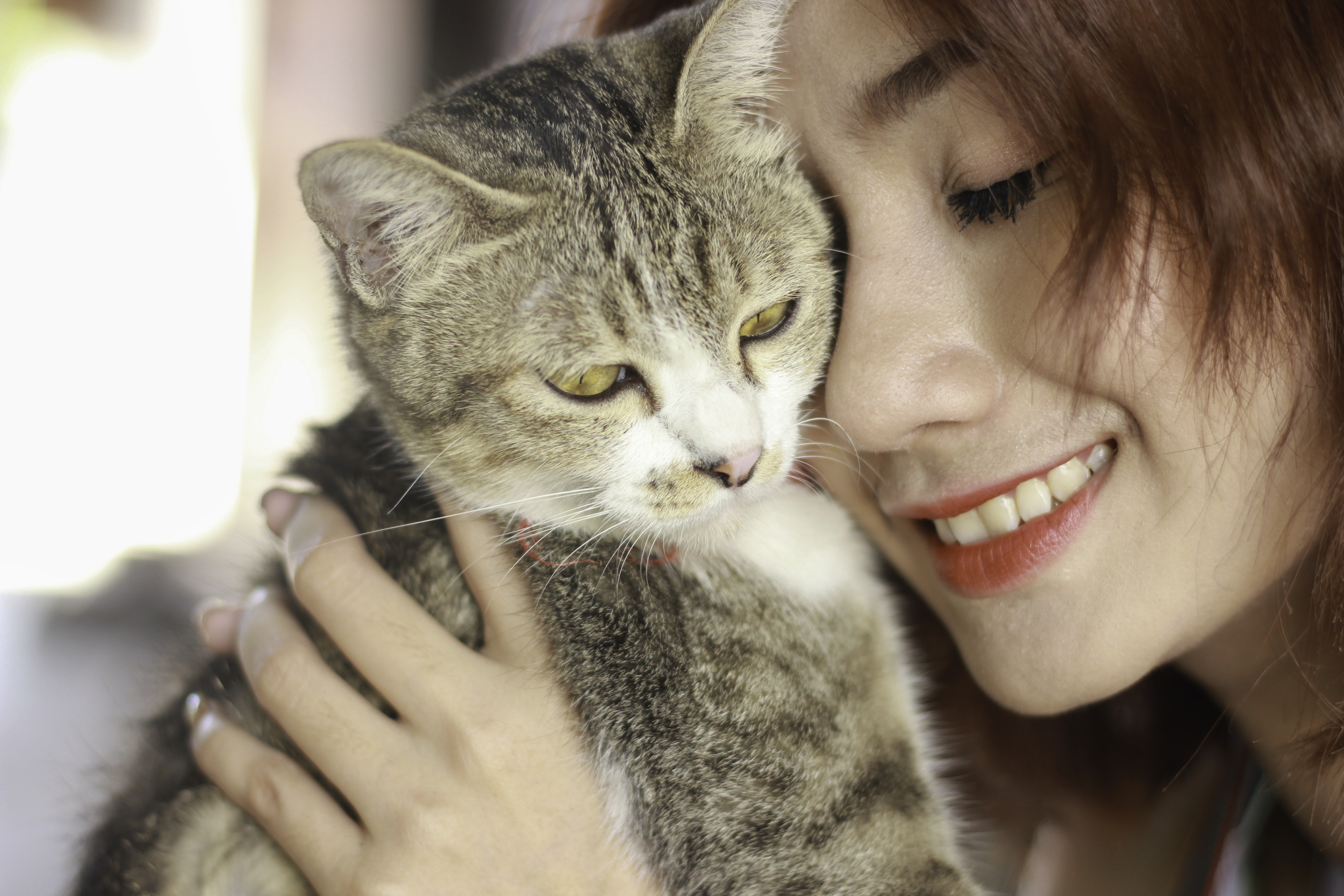
Cats = happiness. It’s an equation that neither cat lovers nor the cats themselves will find surprising, but it’s not something you expect to be evaluated, let alone proven, through scientific research. In a recent correlational study of subjective well-being across 93 countries, researchers examined the relationship between cat density, exposure to Toxoplasma gondii, socioeconomic status, and national happiness, with interesting results.
According to the study, countries with more pet cats tend to report higher happiness levels, a discovery that some news and social media headlines have taken a little out of context. The key word in this study is correlational. Researchers have not discovered that happiness levels are the result of larger feline populations – ie, a causal relationship – only that there is a notable connection between countries reporting higher numbers of pet cats and those ranked highest on the World Population Review’s 2025 report on the Happiest Countries in the World.
So before you trade your antidepressant prescription for a kitten, there are a few things worth understanding.
Apparently, Cats Are Good for the National Mood
The researchers found a positive correlation between estimated cat density and national happiness scores. In plain English, countries with more cats tended to report higher happiness levels.
Interesting? Absolutely. Proof that cats make people happier? Not quite.
The study compared data from entire countries rather than following individuals before and after they adopted a cat. So it cannot tell whether cats improve happiness, happier people are more likely to keep cats, or something else is going on.
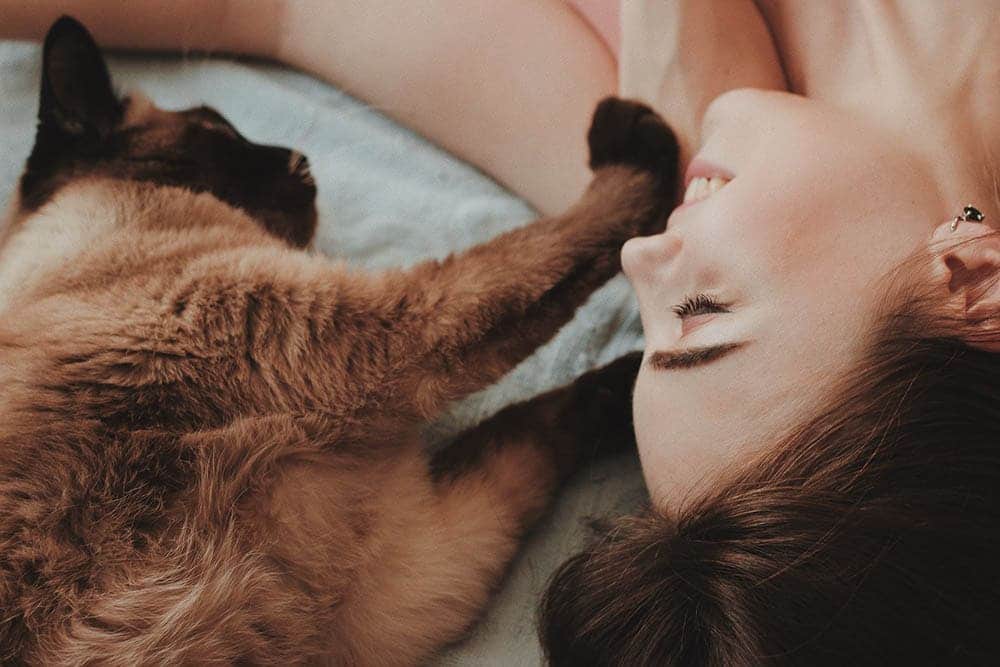
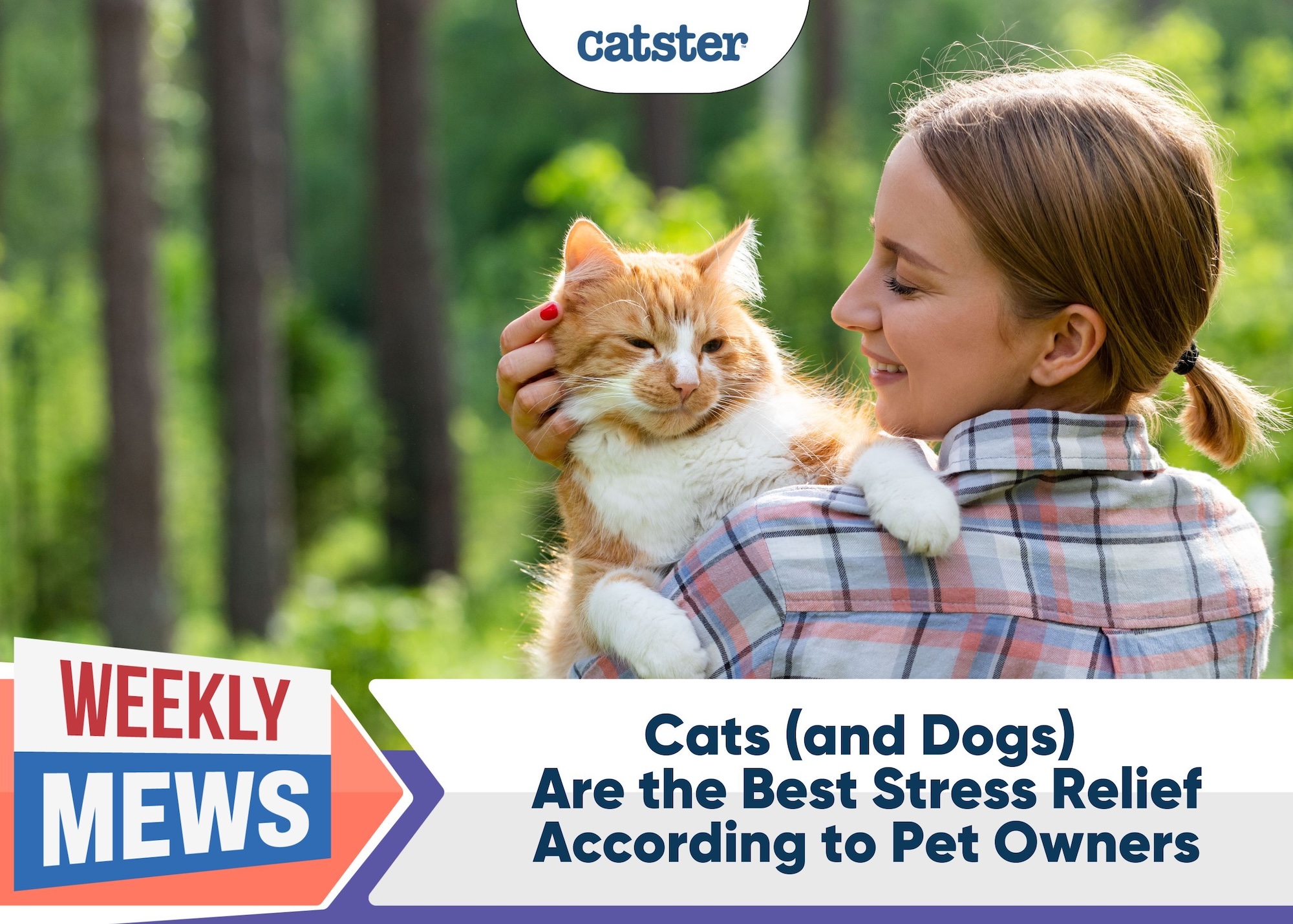
We know that pet cats offer companionship and amazing moments of genuine connection. They somehow have the ability to draw a smile on our face without saying a single word, simply by lying on our lap or sitting beside us after a difficult day. Emotional support comes in many forms, and cats seem to know just the right way to make us feel happier, calmer, and more at ease.
But personal experience and national statistics are two different things. A purring companion can brighten someone's day; proving that cats raise an entire country's happiness score takes considerably more evidence.
The Not-So-Small Matter of Money
Here’s where the story gets interesting. Not too surprisingly, economic prosperity had a stronger relationship with happiness than cat density. The relationship between national income and happiness had a Pearson correlation coefficient of around 0.80, compared with 0.62 for cat numbers.
In other words, a country's wealth was more closely associated with how happy its people reported feeling than the estimated number of cats living there. Money certainly doesn't guarantee happiness, but it can definitely make life less stressful when we compare it with living with no resources.
Financial security can help afford nutritious food, veterinary visits, pay the rent, and have the peace of mind of being able to cover unexpected medical bills. Access to healthcare, personal safety, and stable living conditions are important too.
This wider picture could help explain why cat density and happiness move together. The relationship might reflect the broader social environment rather than some magical feline effect.
Cats can enrich our lives, absolutely. But even the most accomplished biscuit-maker cannot fix unaffordable housing. And a cat's approach to financial planning remains questionable at best. Knocking an expensive object off a shelf to demand dinner is hardly a sustainable economic strategy.

The Parasite Plot Twist
The researchers also examined Toxoplasma gondii, a parasite that reproduces in cats and other felids.
Countries with more people showing signs of a recent infection tended to have lower happiness scores. To explore this, researchers considered two types of antibodies: one that can sometimes indicate a more recent infection and another generally associated with past exposure. Neither provides a perfect timeline of when the infection occurred.
There’s another important detail. The researchers used infection estimates from pregnant women, and that may not accurately represent the entire population.
Most importantly, the study does not prove that T. gondii causes unhappiness. Differences in hygiene, food safety, healthcare access, and economic circumstances could influence both infection rates and well-being. After all, health and happiness are difficult to separate from the conditions we live in. Ask anyone who cannot turn on a tap and count on clean, safe water. A parasite may be part of the picture, but so are the everyday resources that help us stay healthy, feel secure, and simply have an easier and more comfortable day-to-day.
T. gondii can spread through undercooked contaminated meat, contaminated soil or produce, water, and accidental ingestion of infectious material from cat feces. Simply petting a cat or sharing a home with one does not automatically cause infection.

Cats Are Not Furry Dopamine Dispensers
Pets can offer us comfort and companionship, but research on pet ownership and mental health has produced mixed results. Benefits vary between individuals, and caring for an animal can also bring financial pressure, stress, disrupted sleep, allergies, property loss or damage, and even grief.
Cats are not standardized wellness products with a purring function. Some adore cuddles; others prefer admiration from a respectable distance. A cat who retreats, flattens their ears, or flicks their tail may be asking for space. Ignoring those signs because a human wants affection isn't bonding; it's treating a living, breathing creature like a plush toy.
Good care means respecting those boundaries. Hiding places, elevated resting spots, predictable routines, interactive play, and regular veterinary care all help support feline well-being. Changes in behavior often signal pain or illness, so they deserve attention rather than an automatic label of “bad behavior.”
And no, not every cat wants to be carried around like a furry handbag. Some barely tolerate being looked at when they're minding their own business. That's not a character flaw. It's a cat making its position very clear.

Cats, Happiness, and a Little Reality Check
The study points to a connection between cat density and national happiness, but it cannot prove that cats make countries happier or that toxoplasmosis explains national differences. The findings raise interesting questions; they don't settle the debate.
For cat families, the practical health advice is simple: litter box hygiene is paramount. Scoop the poop daily, since T. gondii oocysts generally need one to five days after being shed to become infectious. Wash your hands after handling litter, wear gloves while gardening, cook meat thoroughly, and make sure you wash and disinfect fruits and veggies before eating.
Pregnant women and those with a weak immune system should consult their doctor about appropriate precautions. During pregnancy, having someone else clean the litter tray is recommended, but a healthy cat should not need to be rehomed because of toxoplasmosis concerns. Good hygiene is more useful than panic.
Ultimately, happiness depends on a complicated mix of economic security, health, social circumstances, and personal relationships. Cats may enrich human lives, but no single animal can explain the mood of an entire nation.
A familiar purr, a gentle head bump, or a cat choosing your lap to nap in can brighten an ordinary afternoon and put a smile on anyone’s face. The 3 a.m. bedroom sprints and hairballs left over the Persian rug, however, remain entirely separate research questions!
Did You Know?
- Our brand-new posts are rounded up and included in our weekly emails. Don't miss out on the latest - sign up for our newsletter below!
Expert cat care, straight to your inbox
Vet-reviewed advice, behavior tips, and the best of Catster. Free, and you can unsubscribe anytime.
By signing up, you agree to our Terms & Conditions and Privacy & Cookies Policy.
Dr. Paola Cuevas MVZ (Veterinarian)
Dr. Paola Cuevas is the Senior In-House Veterinarian at Pangolia, the parent company of Catster. She has over 18 years of experience as a veterinarian and animal behaviorist. Paola's focus is on preventive medicine and animal welfare. Paola has a large range of skills in from diagnostic imaging to nutrition and clinical pathology. Paola enjoys sharing her extensive knowledge of animal training with our Catster readers and is always happy to answer reader questions as our in-house veterinarian.
Join the conversation
Ask a question, share your story, or send private feedback.