Could Vegan Cats Help Feed 70 Million People? Exploring the Veganuary Debate
In this article
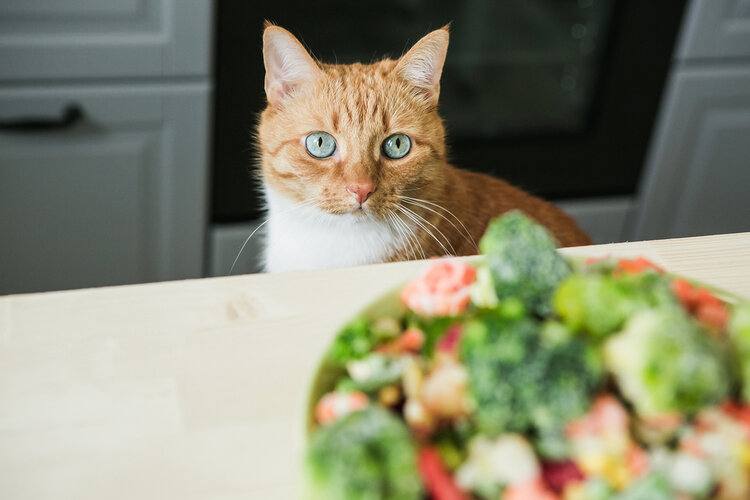
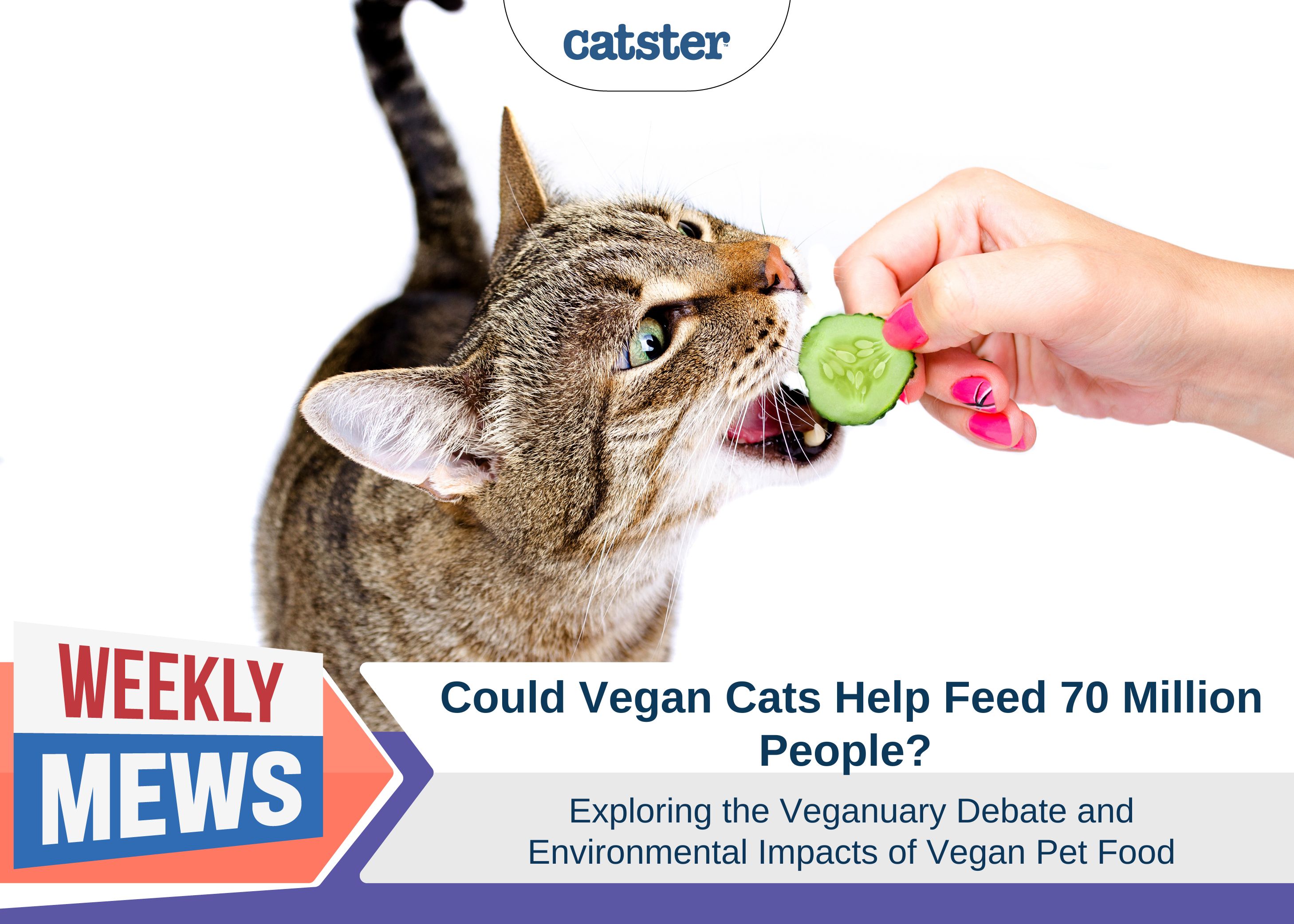
Have you heard of Veganuary? Each January, millions of people worldwide embrace vegan diets as part of the Veganuary campaign. In 2024, approximately 25 million people sought a fresh start for their health and the environment by adopting plant-based eating habits. While Veganuary has primarily focused on human participants since its inception in 2014, veterinary Professor Andrew Knight, a Veterinary Professor for Animal Welfare, is now advocating for an extension of the initiative to include pets.1

Potential Health Benefits of Vegan Diets for Cats and Dogs
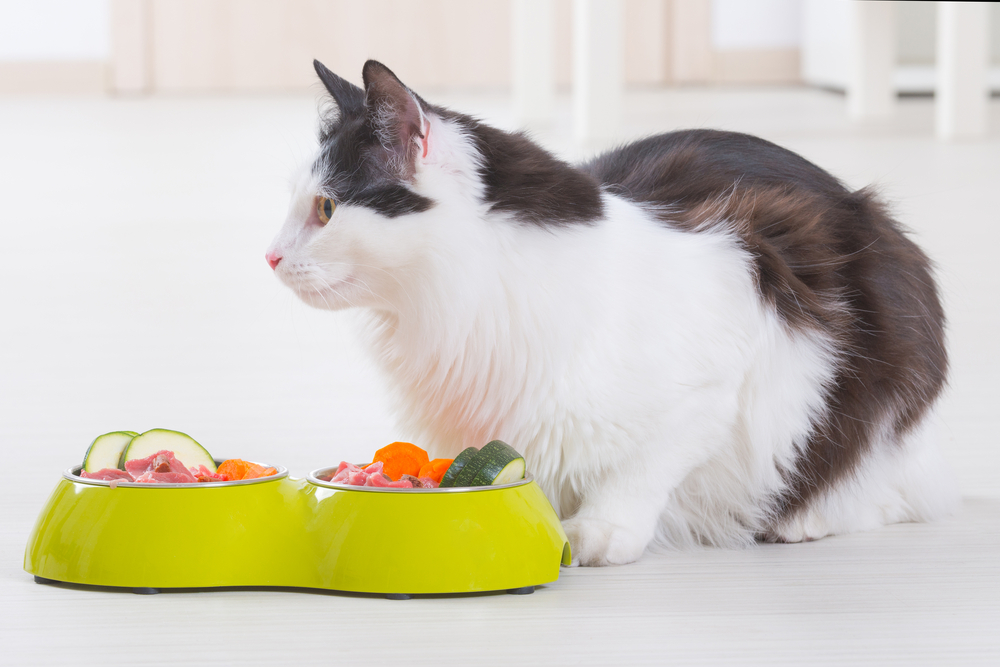
In his recent article in The Conversation, Professor Knight highlights the potential health benefits of vegan diets for pets. "By late 2024, 11 studies in dogs, three in cats, and one systematic review covering both had all demonstrated that dogs and cats thrive on modern vegan or vegetarian diets," he writes. According to Knight, consistent health benefits include "a reduction in obesity and of conditions that may be triggered by animal-sourced allergens, like itchy skin and ears and gastrointestinal problems." However, he stresses that "all diets, including vegan diets, should be manufactured by reputable pet food companies which carefully formulate their food to be nutritionally sound."

Cats and the Nutritional Challenges
Despite these findings, transitioning cats to vegan diets remains controversial. Cats are obligate carnivores, meaning they require specific nutrients like taurine and arachidonic acid, typically derived from animal sources. Critics argue that even well-formulated vegan cat foods may not fully replicate the nutritional profile of a natural diet, potentially leading to deficiencies.
Supporters of vegan pet diets counter that modern advancements in pet food science can address these concerns. Synthetic versions of essential nutrients can now be added to vegan formulations, making them nutritionally complete. However, experts still emphasize the importance of consulting a veterinarian before making dietary changes, particularly for cats.
Environmental Impact of Pet Diets
Professor Knight’s most recent research sheds light on the environmental implications of pet food. In high pet ownership nations like the U.S., pet food accounts for around 20% of all land animals killed for food, as well as billions of fish and marine animals. Globally, this figure is approximately 9%, even after accounting for by-products of human food production.
The scale of this impact is staggering. According to Knight, feeding the world’s approximately 470 million pet dogs with nutritionally sound vegan food could save six billion land animals annually. Such a transition would also spare 0.57 gigatonnes of CO2-equivalent greenhouse gases each year—1.5 times the emissions of the UK in 2023.
While the environmental benefits are smaller for the world's roughly 370 million pet cats, they remain significant. Knight estimates that a global shift to vegan cat food could save enough food energy to feed 70 million people annually, equivalent to the population of the UK.

Ethical Considerations and Controversies
As mentioned earlier, the idea of vegan cats sparks ethical and practical debates. On one hand, reducing the demand for animal-based pet foods aligns with broader environmental and ethical goals. "An average-sized dog can consume as much meat as a person," notes Knight. "If you want better health and environmental outcomes in 2025, try Veganuary—and please don’t forget your pets!"
However, critics contend that imposing vegan diets on obligate carnivores like cats prioritizes human values over animal welfare. They caution against overlooking the physiological differences between species in the pursuit of sustainability. But if it can be done in a way that prioritizes animal welfare, as Professor Knight suggests, then it surely is a win-win.
Moving Forward with Informed Choices
For pet owners considering a vegan diet for their cats or dogs, Knight advises seeking professional guidance. Advice is available via his website.
The Veganuary campaign’s growing influence invites a broader conversation about the role pets play in sustainability efforts. Whether or not cats and dogs should embrace plant-based diets, the dialogue highlights the interconnectedness of human, animal, and environmental health. The choices we make—for ourselves and our pets—could shape a more sustainable future for us all.
What Our Vet Says
Our own Dr. Karyn Kanowski took a look at the research and projections that Dr. Knight provided and wanted to share her insights to help break it down for readers:
Adopting a healthy and nutritionally balanced vegan diet and lifestyle undoubtedly carries a number of health and ethical benefits for humans, but deciding to implement one for your pets is something entirely different, particularly when it comes to cats.
Over 10,000 or so years of domestication, dogs have evolved from the wolf, whose diet was obtained through hunting and scavenging, to one that is hand-delivered by humans. Their changing diet has led to a changing digestive system, moving from being primarily carnivorous to facultative carnivores, and now approaching an omnivorous diet. Because of this, the nutritional needs of the domestic dog can be relatively well met with a plant-based diet. However, there simply isn’t enough data to be able to confidently recommend this—yet.
Cats, on the other hand, became favored companions of humans, due in large part to their hunting skills, keeping disease-spreading rodent populations at bay. Although the modern domestic feline is more likely to be seen stalking a laser pointer than a mouse, their physiology remains that of an obligate carnivore. They need animal protein to survive.
Supporters of feeding vegan diets to cats claim that the essential nutrients found in meat can be artificially supplemented, but the question remains: why?
Professor Knight’s research suggests that feeding cats a vegan diet could free up enough resources to feed close to 70 million people. That’s all well and good, but let’s look at the other figures:
The cat food industry accounts for only 2.3% of livestock consumption in the US, 1.2% worldwide.
Humans consume 80% of livestock in the US, and 91% worldwide.
If the study results are accurate, feeding cats a vegan diet can free up enough resources to feed another 70 million people.
If humans adopted a vegan diet, there would be enough food to feed an additional 5.3 billion people worldwide.
However, it is worth noting that a lack of global resources is NOT the reason so many people in this world go hungry. The 2019 State of Food Security and Nutrition in the World showed us that, while just over 800 million people are underfed and hungry, over 1 billion of the world’s population is overweight and obese. And when you factor in the amount of food that goes to waste every day, it’s clear to see that the problem with world hunger isn’t a lack of food, but a lack of fair distribution. World hunger is a problem caused by war and politics, and feeding your cat a vegan diet is not going to change that.
There are many challenging problems faced in the world today, and ethically speaking, reducing—even stopping–the number of animals that are killed and suffer to meet humans' dietary preferences, would be a good thing. However, depriving carnivorous animals of meat to comply with our principles is both unnecessary and unethical. A vegan and vegetarian diet is a choice that can, perhaps should, be made by humans; it is not something to be forced on our pets.
If you are uncomfortable feeding animal-based protein to your cat, consider adopting a herbivorous species next time.

What are your thoughts? Is this something you adopt for your cat? In January, or long-term? Or would you stay as far away from it as you can? We’d love to hear from you in the comment section below.
Did You Know?
- Our breaking news articles are featured in our weekly emails. Don't miss out on the latest and sign up for our newsletter below!

Expert cat care, straight to your inbox
Vet-reviewed advice, behavior tips, and the best of Catster. Free, and you can unsubscribe anytime.
By signing up, you agree to our Terms & Conditions and Privacy & Cookies Policy.

Nicole is a lover of all animals, especially of the feline variety. She's mom to four, three fur babies and a human baby. She and her husband, John, live on a large forest property down in New Zealand.
Their beautiful Burmese cat Baby (who is now 17 years old) was their first child, though he is now called Baby Cat since their human baby joined the party in 2022. The dogs Rosa and Mac also love cats, but the whole family agrees that King Baby Cat is enough cat for this household.
Nicole is the Director of Content Management at Catster and Pangolia. With a Bachelor's degree in Education and years of online experience, she shares her pet knowledge and the knowledge of other professionals with the world, aiming to improve pets and pet parents' lives.
Join the conversation
Ask a question, share your story, or send private feedback.