Get

In Your Inbox

Catster is reader-supported. When you buy via links on our site, we may earn an affiliate commission at no cost to you. Learn more.

Can Cats Eat Sour Cream? Vet-Approved Nutritional Facts & Safety Tips

Can Cats Eat Sour Cream

Many people love to use sour cream on their favorite foods, particularly tacos, fajitas, burritos, and chili. Sour cream is dairy, like milk, and milk is commonly given to cats. So, you might surmise that sour cream is a perfectly safe treat to serve your favorite feline.

Sour cream isn’t toxic or poisonous for cats. Your cat won’t face serious medical harm from eating a little bit of sour cream, but it’s certainly not an ideal food for cats. In fact, neither is milk nor any dairy product. Still, small amounts are harmless, though they can still result in digestive issues.

divider cat paws oct 2024

Cats & Lactose Intolerance

Some people are intolerant to lactose, but humans are not the only ones to suffer from this condition. Most adult cats are lactose intolerant, so any type of dairy is bad for them. That doesn’t mean that a small dollop of sour cream or a saucer of milk will kill them; it almost certainly won’t. But depending on your cat’s intolerance, certain amounts of dairy could cause digestive problems for your feline.

Can Sour Cream Benefit Your Cat?

Sour cream contains a miniscule amount of protein. As obligate carnivores, cats require substantial amounts of protein in their diets, but the small amount in sour cream isn’t sufficient to really help your cat in any way.

a calico cat eating from metal bowl at home
Image Credit by: Jaromir Chalabala, Shutterstock

Is Sour Cream Bad for Cats?

The truth is that each cat can react to sour cream and any dairy product in a completely different manner. As humans all have their tolerances and allergies, so do cats. Still, most felines are lactose intolerant, so there’s a likelihood that your cat won’t respond well to dairy.

However, if you only give your cat sour cream in very small doses, it might not have any adverse effects, even if your cat is lactose intolerant. If your cat is not intolerant to lactose,  it might not hurt them to eat moderate amounts of sour cream.

Nonetheless, sour cream lacks any meaningful nutrition for your pet, therefore, even if they don’t react adversely to it, the food itself isn’t healthy for them. Therefore, it’s still recommended that you limit the amount of sour cream to very small and occasional doses.

Sour cream contains a lot of fat. Cats are not well equipped to digest the fat found in sour cream, as it is different from natural animal fats their bodies are used to handling. In some cases, eating a large meal of fat, such as a large portion of sour cream, can even cause hyperlipidemia, where there’s too much fat in the bloodstream.

The other side effect won’t happen from a single meal, but offering fatty treats to your cat too often can easily lead to them becoming overweight and obese. This will inhibit your cat’s physical ability and lower their overall quality of life. Furthermore, overweight cats are more likely to deal with severe physical disorders, including osteoarthritis, hip dysplasia, and diabetes mellitus, as well as poor cardiovascular health. If you suspect your cat could be overweight, reach out to a veterinarian and ask them to work out the perfect diet for your cat.

Need veterinary advice but can't get to the clinic? Catster recommends PangoVet, our online veterinary service. Talk to a vet online and get the answers and advice you need for your cat without having to leave your living room — all at an affordable price!

PangoVet_Mention-in-Content for PangoVet2 save money

How Much Sour Cream Can You Feed Your Cat?

Sour cream isn’t toxic for your cat, so feeding it to them occasionally won’t cause them any illness. Still, as we’ve demonstrated, sour cream isn’t an optimal food for cats, so you should always limit the amount and frequency that you feed your cat.

We recommend never feeding your cat more than a teaspoon of sour cream at a time. It’s also best if you only give your cat sour cream once in a while; remember that even if it doesn’t cause digestive problems, it’s not healthy for them.

Hepper NomNom - Spill Proof Elevated Cat Bowl
  • NO MESS - The 360° tray on this cat food and water bowl set has a raised design to catch and...
  • WHISKER FRIENDLY - Shallow and wide metal containers with flat bottoms ensure your kitty can enjoy...
  • CHEW-SAFE MATERIALS - Kittens and cats love chewing on silicone and soft rubber - but it's a choking...

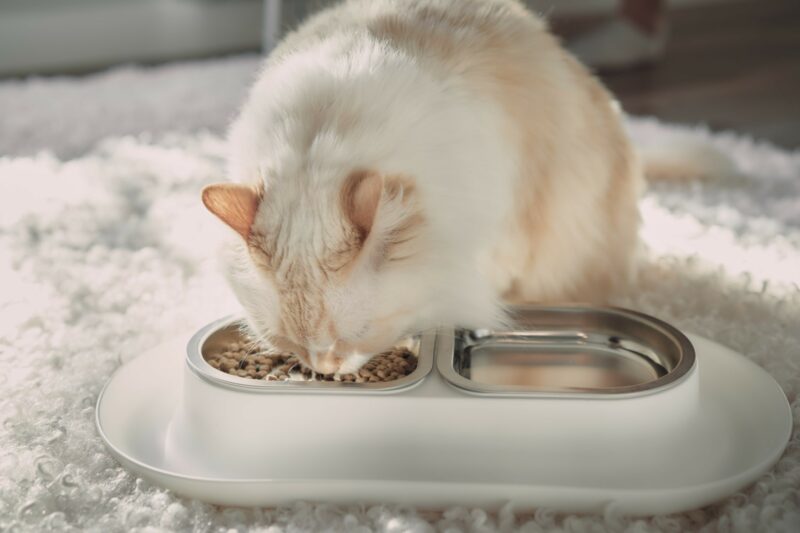
Learning about what your cat can and cannot eat is a crucial part of keeping them happy and healthy! Choosing a bowl to serve cat-friendly foods in is another important decision pet owners face. Satisfy the specific needs of your cat with the innovative design of the Hepper NomNom Cat Bowl. Learn why it’s our (and our cats!) favorite food and water dish here.

At Catster, we’ve admired Hepper for many years and decided to take a controlling ownership interest so that we could benefit from the outstanding designs of this cool cat company!

divider cat paw scratch oct 2024

Conclusion

Since sour cream is not poisonous for your cat, it is acceptable (but not recommended) to offer it to them as a treat. However, many cats are lactose intolerant, so you should only give them a small amount and see how they react. Even if they don’t have any adverse effects from eating sour cream, you should limit how much and often you offer it to your feline. Overeating sour cream can lead to an overweight cat, which brings along a host of health issues.


Featured Image Credit: Welikodub, Pixabay

Want content like this delivered to you?

Sign Up For Our Newsletter

News, insights, expert advice, and everything cat

* By submitting, you agree to our Terms & Conditions and Privacy & Cookies Policy.


How useful was this post?

Click on a star to rate (you can leave written feedback after clicking submit)

Help us improve Catster for pet parents!

Your feedback really matters.

What did you like about this post? Also how can we improve it?

Join the conversation

Leave a Reply

You’re very welcome to leave a comment or question. Please know that all comments must meet our community guidelines, and your email address will NOT be published. Let’s have a positive and constructive conversation.


Talk With A Vet Online

Peace of mind,
anywhere, anytime

Affordable vet advice

How to Get an Older Cat to Accept a Kitten: 7 Vet-Approved Steps

Adding a new kitten to your family can be a fun time, but what if you already have an adult cat at home?...

Can Cats Eat Mushrooms? Vet-Verified Facts, Risks & FAQ

If you’re cooking a delicious mushroom risotto, you might be surprised to find your cat brushing up against your legs and showing interest...

What Is a Barn Cat? A Comprehensive Vet-Approved Guide

Many people have heard of barn cats, or farm cats, as they’re sometimes called. They look like regular house cats, but it’s easy...

Cat Toothache Pain: Vet-Reviewed Signs & How to Help

Did you know that February is Pet Dental Health Month? It’s true, and though this facet of our pet’s care is often forgotten...

More related

Why Does My Cat’s Tail Twitch? 6 Vet-Reviewed Reasons

Cat ownership would be a lot easier if our pets could tell us their thoughts. However, until someone develops a cat-to-human translator, we...

Are Munchkin Cats Hypoallergenic? Vet-Reviewed Info & Management Tips

Munchkin cats are arguably one of the cutest cat breeds out there. With their tiny legs, they run around in a waddle-like way...

Why Is My Cat’s Nose Raw? Vet-Reviewed Causes & Treatment

A cat’s nose is extremely sensitive. It is one of the only parts of the body that is not covered in protective hair....

Turkish Vankedisi: Info, Pictures, Care & Traits

The Turkish Vankedisi is a medium to large-sized cat known for their luxurious white coat. They also have affectionate and friendly personalities, and...

Keep reading

Do Cats Need Water Fountains? Vet-Approved Benefits & FAQ

All cat owners tend to want the best for their feline friends. You may have noticed that your cat is finicky about their water and may even prefer to drink from the faucet or a running source rather than a...

cat drinking water from fountain

Feline Hyperesthesia Syndrome: Vet-Reviewed Signs, Treatment & FAQ

Feline hyperesthesia syndrome (FHS) is a condition in which a cat’s skin becomes ultra-sensitive1. It’s also known as twitchy cat disease and most often involves the fur and skin on a cat’s back, especially close to the tail. Cats with...

a woman's hands petting a cat

Do Cats Attack Chickens? Can They Coexist? Vet-Reviewed Precautions

If you have a cat but are considering adding chickens to your household, you’re likely pondering the wisdom of that move. After all, cats are predators, this is a hard-wired instinct and many will attack the chickens even if they...

cat looking at a chicken

Is Your Cat Constipated? 12 Simple Remedies Vets Recommend Trying at Home

Few things worry cat parents more than when their kitty can’t go. Constipation is one of the most common digestive issues cats face — and one of the most uncomfortable. While some cases are mild and manageable at home, others...

cat outside the litter box

9 Best Whisker Relief Cat Bowls for Cats in 2026 – Reviews & Top Picks

Your cats’ whiskers help your cat balance and navigate their way through life. They are also attached to blood vessels and nerves, causing them to be incredibly sensitive. Whisker fatigue can happen when your cat has to dip their face...

himalayan persian cat eating hepper nom nom bowl

How Long Do British Shorthair Cats Live? Average Lifespan Data & Facts

The British Shorthair cat is well known for its sweet personality, large appearance, and lengthy lifespan of 9–15 years. Providing them with veterinary care and attention, along with a healthy diet and a safe, stimulating environment, can help ensure they...

Blue British Shorthair cat on blue background

Why Is My Cat’s Third Eyelid Showing? 5 Vet Reviewed Reasons & Advice

Cats do not see the world in the same way that humans do. Their eye anatomy is different, and their eyes glow due to a reflective membrane at the back of their eyes that helps them see well in the...

Vet ophthalmologist examining a cat_s eyes with a slit lamp

Veterinary Telehealth for Cats: Vet Reviewed Pros, Cons & Best Options

There are few things as stressful as having a sick cat. Your mind can race to horrible conclusions instantly, especially when you don’t have your vet’s expertise to help you get to the bottom of the issue. In a perfect...

woman staying at home with pet cat consulting a doctor via video call using laptop

Love Cats? So Do We! Join the Catster Community

Stay informed with expert pet care insights delivered straight to your inbox! Discover professional guidance on animal behavior, feeding tips, trusted product picks, and much more.



Sign up for the Catster Email Newsletter

Stay informed with expert pet care insights delivered straight to your inbox! Discover professional guidance on animal behavior, feeding tips, trusted product picks, and much more.