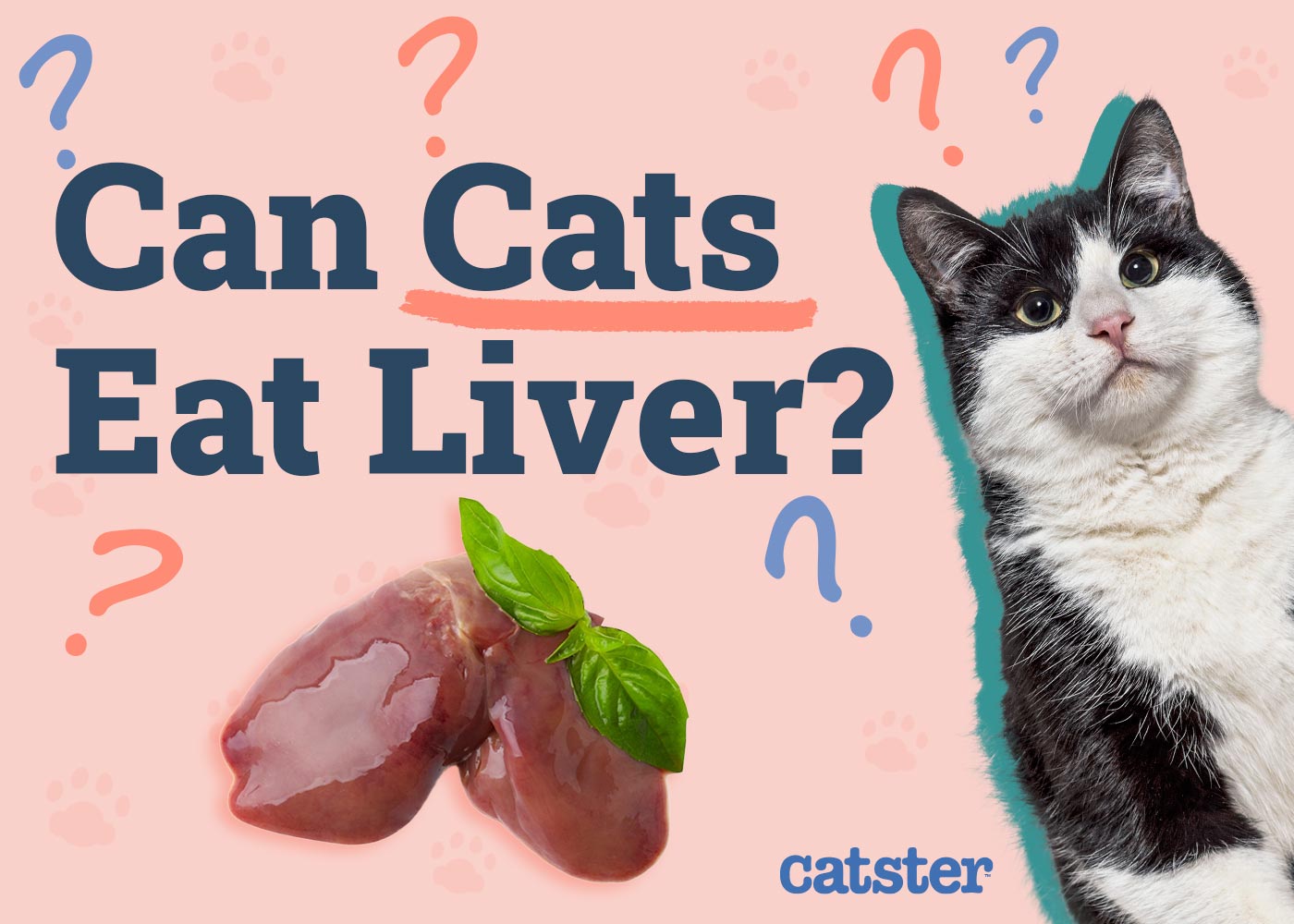
Can Cats Eat Liver? Vet-Approved Nutrition Facts

In this article
Liver is packed full of vitamins A and B and contains other essential minerals. In small quantities, it is not only safe for cats to eat liver, but it is considered good for them. However, the vitamin content in liver can also cause harm to your cat.
Vitamin A toxicity can cause lethargy, weight loss, skin problems in the neck and front limbs, constipation, a dull coat, and in extreme cases, malformation of the bones, which can be seen as painful movements and abnormalities in posture. In very rare circumstances, it can even be fatal to your cat. Liver is rich and has a high-fat content, so it should only be fed in moderation and not at every meal. Give your cat a small amount of liver as a treat on occasion.
Read on for more instructions on how to safely feed liver to your cat.

Cats and Liver
In the wild, cats would have eaten the liver of their prey. This would have included bird and mouse livers rather than lamb and beef livers. Not only would they have found it tasty, but cats cannot naturally produce vitamin A, and liver would have been one of the only sources of this essential vitamin.
Although cats are rarely expected to hunt for their meals, they still benefit from having liver in their diet. It is often found in wet food and as an additive in dry food.
Is Liver Safe?
Liver is generally considered safe for cats, but it should be fed in moderation, and chicken liver is preferred over lamb’s liver. There is debate over whether the liver should be fed raw or cooked. The liver would have been eaten raw in the wild, but this increases their likelihood of contracting foodborne illnesses caused by the bacteria in raw meat. Always reach out to a veterinarian if you would ever be unsure how to feed livers to your cat, which ones to choose and how to prepare them.
Preparing Liver for Your Cat
Cooking chicken liver prevents the dangers of feeding bacteria to your feline friend. It is also easy, and while you may not enjoy the smell as it cooks, your cat certainly will. You can boil the chicken liver to prepare it for your cat. Boil it in a large pan of water, and do not add any seasoning or other ingredients.
You can cut, chop, or even grate the chicken liver for your cat. Adding grated chicken liver to dry food can help increase the protein-to-carbohydrate ratio of your cat’s meal. You can also use the broth created during cooking to add flavor and moisture to your cat’s dinner.
Health Benefits
- Vitamin A – Vitamin A is in liver, eggs, fish, and meat. It is found in high quantities in liver because that is where the body stores it. Cats are unable to naturally produce vitamin A, but the essential vitamin aids with skin regeneration and helps your cat see in the dark.
- Vitamin B12 – Liver also contains vitamin B12 or cobalamin. Cats have high vitamin B12 requirements. This water-soluble vitamin is another compound that plays a very important role in the cat’s gut health, digestion, immune system, and nervous system. B12 is essential to the cat’s cognitive functions.
- Copper – This essential mineral is used to develop healthy red blood cells. It also forms bone, tissue, and collagen and works as an antioxidant. It keeps your cat’s hair looking healthy and enables them to develop strong joints.
- Protein – Liver is a great source of protein. In fact, one of the reasons that some owners add liver to their cat’s dry food is to replace the high levels of carbohydrates in dry food with protein. Cats need a lot of protein, which they use as energy whenever available.
Dangers: Vitamin A Toxicity
While liver holds certain key benefits for cats, some dangers are associated with feeding too much. The main concern is vitamin A toxicity. This is more often caused by feeding cats beef liver but can occur if your cat is fed too much chicken liver.

Vitamin A toxicity leads to muscle soreness. It can also lead to a form of arthritis where new bones form around existing joints. This can prevent your cat from being able to use their joints and may completely fuse them. This is common around the vertebrae in the neck.
Dangers: Rich and Fatty
Since it's high in protein and fat, liver is rich food. While your cat can digest small amounts of it, feeding too much liver can lead to gastrointestinal complications such as vomiting and diarrhea. That is one of the reasons that you should feed in moderation.
While sharing human food with your cat is not always safe, we have a solution that will keep you both smiling.
We've currently got a 40% discount to share on the HUMAN-GRADE premium cat food that ranked number #1 in our reviews! CLICK HERE & use code Catster24 to SAVE 40% on Smalls cat food!
How Much to Feed Your Cat
Liver can be a good source of vitamin A and other essential vitamins and minerals, but it can also lead to vomiting and diarrhea in the short term and vitamin A toxicity in the long term. These problems are usually associated with feeding too much of the food. It's safest to only serve liver to your cat occasionally as a treat.
Experts agree that liver should not constitute more than 5%-10% of a cat’s total diet, which is roughly equivalent to one meal a week. Rather than feeding it in a single meal, you can split it over multiple meals.

- NO MESS - The 360° tray on this cat food and water bowl set has a raised design to catch and contain stray crumbs and drips. Protect your indoors and floors from wet and messy meals!
- WHISKER FRIENDLY - Shallow and wide metal containers with flat bottoms ensure your kitty can enjoy mealtime free from whisker fatigue!
- CHEW-SAFE MATERIALS - Kittens and cats love chewing on silicone and soft rubber - but it's a choking hazard. Our cat feeding station materials are anti-chew for a 100% safe feeding frenzy!
Learning about what your cat can and cannot eat is a crucial part of keeping them happy and healthy! Choosing a bowl to serve cat-friendly foods in is another important decision pet owners face. Satisfy the specific needs of your cat with the innovative design of the Hepper NomNom Cat Bowl. Learn why it’s our (and our cats!) favorite food and water dish here.
At Catster, we’ve admired Hepper for many years and decided to take a controlling ownership interest so that we could benefit from the outstanding designs of this cool cat company!
Is Liver Safe for Cats?
Liver is considered safe for cats when fed in moderation. In fact, it can provide your feline friend with vitamins A, B, C, and D, as well as minerals, including copper and iron. However, it should only make up 5% of a cat’s weekly diet to prevent vitamin A toxicity and problems associated with feeding rich foods. Remove the fat, boil the liver in hot water, and cut or grind it into their food as a simple means of feeding. Bon appetit!
You might also like:

Expert cat care, straight to your inbox
Vet-reviewed advice, behavior tips, and the best of Catster. Free, and you can unsubscribe anytime.
By signing up, you agree to our Terms & Conditions and Privacy & Cookies Policy.
Christian started writing for a local newspaper as a teenager, and he's been involved in the publishing industry for most of his adult life. Combining his love of writing with a passion for animals, he is currently the Director of Editorial at Pangolia and the Editor-in-Chief at Catster.
Christian lives in the Philippines with his wife, son, and four rescue cats: Trixie, Chloe, Sparky, and Chopper.
Join the conversation
Ask a question, share your story, or send private feedback.