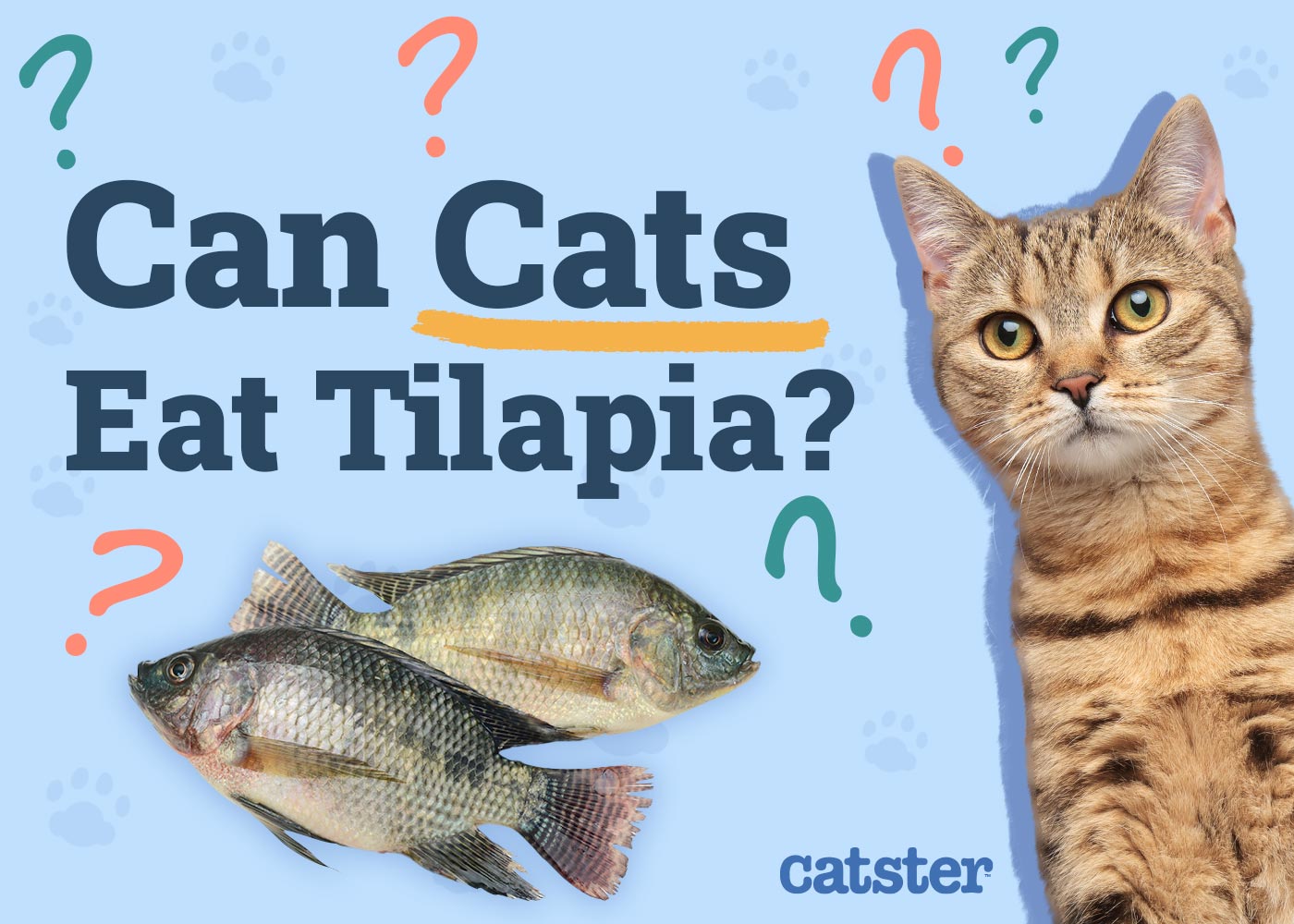
Can Cats Eat Tilapia? Vet Approved Nutrition Advice


People often associate cats with foodstuffs like milk and fish. Interestingly, both myths have somehow become part of the collective knowledge about felines. It turns out that most cats are lactose-intolerant after weaning. That’s not surprising, given the fact that cats share 90% of our DNA. Nearly 70% of humans share this trait, so it makes sense we’d see it in cats, too.
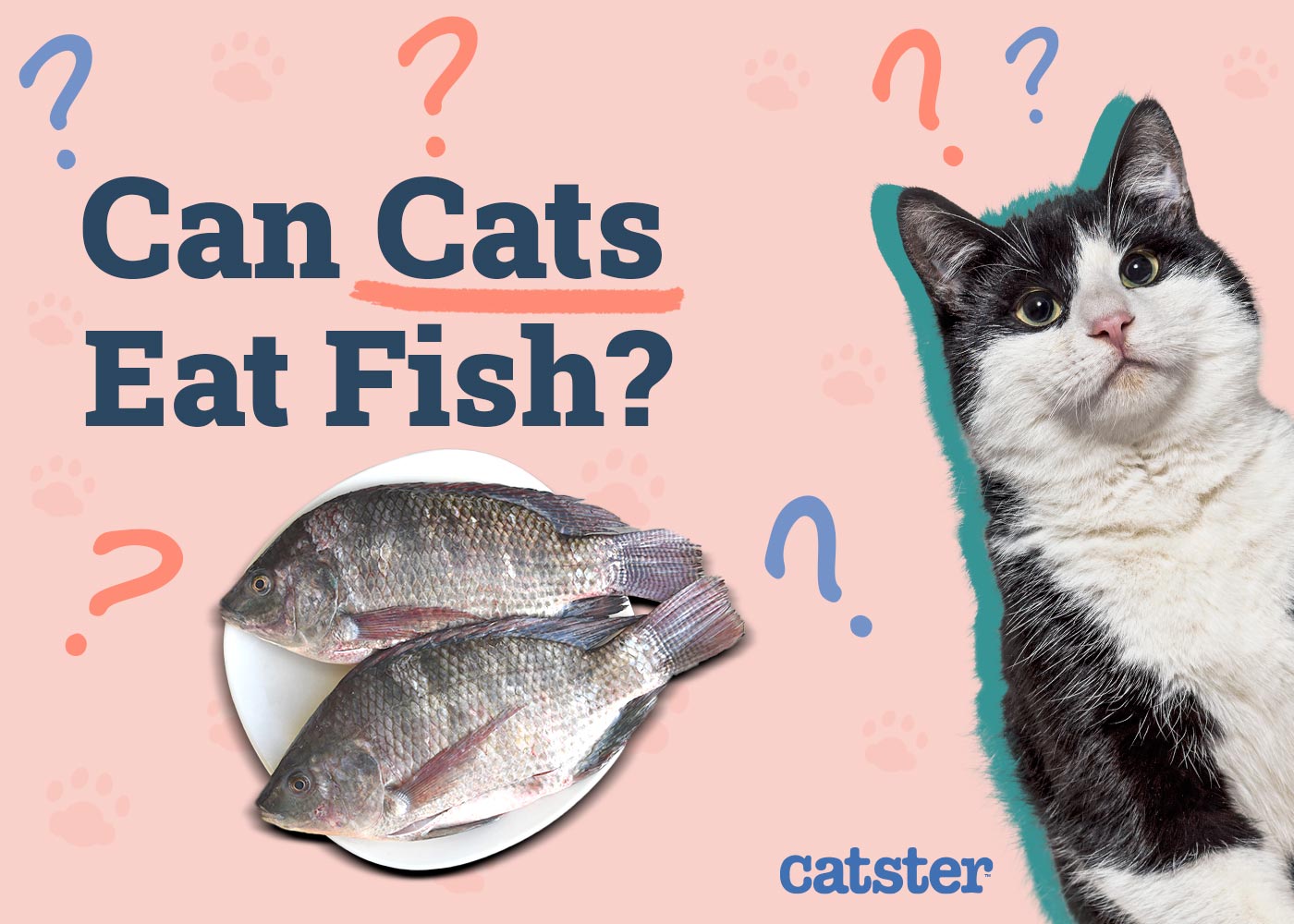
While felines are obligate carnivores that get most of their nutrition from animal sources, the fact remains that our pets evolved from desert species that won’t have eaten fish as a regular part of their diet. Nevertheless, tilapia offers an excellent source of protein at 26.2 grams per 100-gram serving. According to the National Research Council (NRC), kittens need 45 grams of protein, and adults need 40 grams per day.
Tilapia is an excellent source of this vital macronutrient your cat can eat. However, there are a few caveats worth noting.

Tilapia as a Food
Tilapia is a generic name used in the industry to describe many cichlid species. It is an important commercial fish because it grows fast to a decent size. It’s also affordable and sustainable to raise, making it an excellent choice for consumers and food manufacturers alike. If you’ve cooked with it, you probably know it has a mild flavor. It works well with various preparations, but can your cat enjoy it, too?
Nutritional Needs of Cats

As we’ve seen, 100g of tilapia offers over 50% of the protein that your cat needs. It’s a complete protein as an animal source, so your pet will get all the essential amino acids. That’s a critical point, given that over 70% of their diet comes from meat. High-quality protein is crucial. It’s a vital point since it also manifests itself in the morphology and physiology of felines.
Cats are well-adapted to a carnivore lifestyle. They have large carnassial teeth that help them cut through flesh. Sharp claws help them tear apart their prey. Their GI tract is relatively short to digest animal protein better since it is easier to metabolize than plant sources. Tilapia fits the bill.
Nutritional Value of Tilapia
Tilapia is relatively inexpensive, making it an excellent choice for pets and people. Its protein content is decent, too. It is also low in fat while providing good sources of potassium, phosphorus, and magnesium. According to Seafood Watch, it is the best choice. While it doesn’t offer much for vitamins and other minerals, it’s not a deterrent to giving it to your cat as a treat or part of a balanced diet. Tilapia covers protein nutritional bases adequately.
Cats as Carnivores

Humans are omnivores, making it difficult to view nutrition from a feline point of view. Plant matter passes relatively quickly through our digestive systems. Protein sources like tilapia take some time. That’s why you—and your pet—feel sated longer after eating meat. The same thing applies to tilapia. It takes our bodies longer to metabolize this protein source, so we feel full for a longer time, like our cats.
Fish and Cats
To understand the place of fish in your cat’s diet, it’s helpful to look to the past. Early humans, cats, and dogs share a common ancestor that goes back 94 million years ago. Yet, even today, we share 90% of our DNA with our feline companions. Thirty-eight species of cats currently exist from the original eight lineages.
The domestic housecat’s closest ancestors are the smaller ones, such as the Sand Cat and African Wildcat. Our pets diverged from their wild cousins about 10 million years ago. The fact remains that these felines primarily eat small mammalian prey. One notable exception is the appropriately named Fishing Cat from Asia, which is a true fish-eating animal.
That’s not to say that felines won’t eat fish if given a chance. Your cat will probably eat it, too. After all, your kitty shares 95.6% of its DNA with the tiger, the ultimate opportunistic hunter. It’s safe to say that your pet probably won’t turn up its nose at a tilapia dinner.
Tilapia and Your Pet
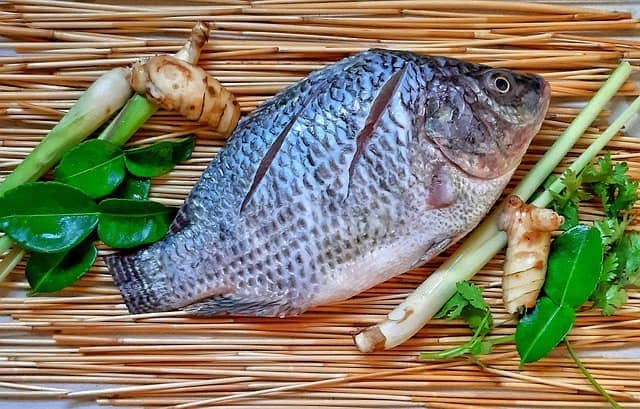
We know that tilapia is an excellent protein source, even if fish isn’t something your cat would necessarily hunt for in the wild. However, does that mean it’s safe for your pet to eat this fish?
We have to eliminate the obvious things that would take tilapia off the table, such as allergic reactions, bones in the meat, and sauces or seasonings containing ingredients cats can’t eat. Those include onion, garlic, and citrus. Large amounts of fat could also cause nausea and GI distress. That leaves us with the plain, cooked fish.
Heavy Metals
Heavy metals, such as mercury, are a concern when consuming fish, particularly for pregnant women. Species on the top of the food chain, like tuna, often contain more of these chemicals. Fortunately, that’s not the case with tilapia. You’ll typically see it as a farm-raised fish under controlled conditions that would prevent high concentrations of heavy metals.
Vitamin Absorption
Of course, you want the best for your pet. Perhaps you’re looking at foods like tilapia as nutritional additions to your cat’s diet. Unfortunately, this species raises a couple of red flags on this front. Like other fish, such as tuna and mackerel, Tilapia contains varying levels of an enzyme called thiaminase. It breaks down thiamine or vitamin B1.
Over time, it can deplete your kitty’s stores of this vital nutrient. Symptoms of a B1 deficiency include:
- Lethargy
- Loss of appetite
- Weakness
- Weight loss.
Sadly, cooking tilapia doesn’t get rid of this destructive enzyme. That fact alone eliminates this fish as a regular part of your pet’s diet. Another concern exists with vitamin E.
The interaction between a fish diet and vitamin E isn’t as adverse as thiamine. However, it is worrisome, nevertheless. The issue is whether cats consuming a diet high in polyunsaturated fatty acids (PUFAs) may have an increased risk of a vitamin E deficiency or steatitis. Researchers looked at the long-term effects of a diet with and without dietary supplementation.
While giving cats a diet high in PUFAs didn’t cause a deficiency, it increased their recommended daily intake to meet their dietary needs. These and similar findings prompted the National Research Council (NRC) to up its vitamin E recommendations up to fourfold if you offer your pet a diet high in PUFAs. An adult cat needs a minimum of 10 milligrams for maintenance. Tilapia is not as high in PUFAs as some fish species, but it still bears consideration.
Hyperthyroidism and Fish
Yet another concern exists with increasing rates of hyperthyroidism. Early findings focused on environmental contaminants, such as polychlorinated biphenyls (PCBs). While scientists don’t know the causes, new evidence suggests a link between fish-flavored foods and this disorder. Symptoms of hyperthyroidism include:
- Hyperactivity
- Weight loss
- Increase in appetite
- Increased water intake.
Further research is necessary to determine the precise mechanism and confirm this association with hyperthyroidism.
It’s worth noting the typical feline diet. While many are opportunistic feeders, fish aren’t a significant dietary source for many species, including related wild cats. It could hinder the evolution of adaptations to digest these foodstuffs better without exposure to them. That may explain the caveats our research uncovered about feeding your pet tilapia.
Considering everything mentioned above, we can't stress enough the importance of reaching out to a veterinarian before you will try to alter your cat's diet in any way.
Final Thoughts
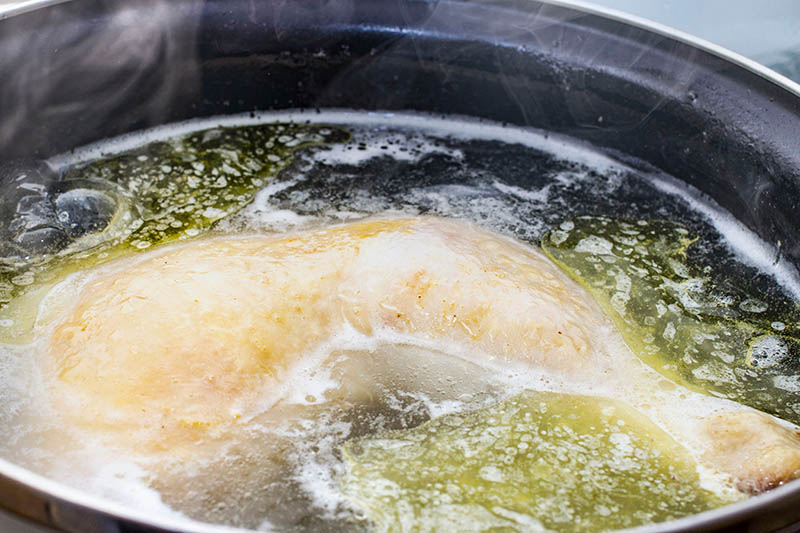
Proper nutrition is the cornerstone of good health for your cat. That includes a diet rich in protein. While tilapia succeeds on that score, several factors make a strong case against making it a regular part of your pet’s diet. You can offer your kitty some as an occasional treat as long as it’s plain cooked fish with no added fat or spices.
See Also:
Sources
https://www.niddk.nih.gov/health-information/digestive-diseases/lactose-intolerance/definition-facts
https://fdc.nal.usda.gov/fdc-app.html#/food-details/175177/nutrients
http://www.vetstreet.com/our-pet-experts/are-dogs-carnivores-heres-what-new-research-says
https://www.ncbi.nlm.nih.gov/pmc/articles/PMC2045150/figure/F2/
https://www.aspca.org/pet-care/animal-poison-control/people-foods-avoid-feeding-your-pets
https://pdfs.semanticscholar.org/b0be/1a2c67d0c30d1e0ff097a341e468e2916cd3.pdf
http://www.vetstreet.com/our-pet-experts/how-to-spot-and-treat-felinehyperthyroidism
Featured Image Credit by: Pxhere

Expert cat care, straight to your inbox
Vet-reviewed advice, behavior tips, and the best of Catster. Free, and you can unsubscribe anytime.
By signing up, you agree to our Terms & Conditions and Privacy & Cookies Policy.
Chris has been a science-focused pet writer since 2009, specializing in health and the environment. She lives with her husband Norm and three amazing cats in the land of 10,000 lakes. When she's not writing about cats, Chris also enjoys boating and sampling wine. She has her WSET 1 and 2 certifications and is currently pursuing her Certified Wine Specialist Award (CSW).
Join the conversation
Ask a question, share your story, or send private feedback.