Why Some Cats Never Purr (And Why That's Okay)


In this article
There's your cat, sprawled across your lap in a patch of afternoon sunlight, eyes half-closed, perfectly relaxed. You wait for it - that familiar rumble, the tiny motor that usually starts up when they're content. But there's nothing. Just silence. And suddenly you're wondering: Is something wrong?
Here's the reassuring answer: probably not. Some cats simply don't purr much, or at all. Others purr so quietly you'd never hear it without putting your hand on their chest. And while a sudden change in purring habits can sometimes signal a problem, a naturally quiet cat is usually just being themselves.
Let's unpack why cats purr in the first place, and the most common reasons yours might be keeping things quiet.

What Purring Actually Means

We tend to think of purring as the universal sign of a happy cat, but it's more complicated than that. Kittens are born blind and deaf, and their mother's purr creates vibrations that guide them toward warmth and food. From day one, purring is a survival tool.
Adult cats purr when they're content, sure - but they also purr when they're stressed, in pain, or trying to calm themselves down. Scientists believe purring releases endorphins that help cats self-soothe, which means a purring cat isn't always a relaxed one. Body language matters just as much as sound.
Some cats have also figured out that purring gets results. If it earns them treats, attention, or extra cuddles, they'll use it strategically. Others just don't bother with it at all.

Reasons Why Your Cat Might Not Purr
1. They're purring too quietly to hear.
Not all purrs are created equal. Some cats produce such a soft, subtle purr that it's almost impossible to detect without touch. If you suspect your cat never purrs, try gently placing your hand on their chest or throat when they're relaxed. Even if you can't hear anything, you might feel the vibrations.
2. They communicate differently.
Cats are individuals. Some are chatty and expressive, while others prefer silent signals. One cat might purr and rub against your legs to beg for dinner, while another just plants themselves next to the food bowl and stares until you take the hint. If you already understand what your cat wants through their body language and facial expressions, purring might be unnecessary. Silence doesn't equal unhappiness - it's just a different communication style.

3. There's a physical issue with their vocal cords.
If your cat has never purred, or they used to purr but stopped, a physical problem could be involved. Injuries, inflammation, or conditions like laryngeal paralysis can make purring uncomfortable or impossible. Tumors can also affect vocalization. In some cases, damage may have happened early in life and gone unnoticed. If your cat suddenly stopped purring after being vocal for years, it's worth mentioning to your vet.
4. They're not feeling well.
Cats are experts at hiding illness—it's an evolutionary survival strategy. In the wild, a sick or injured animal becomes vulnerable to predators, so cats instinctively go quiet and withdraw when something's wrong. If your once-chatty cat has become unusually silent and is also sleeping more, eating less, or avoiding interaction, illness could be the reason. A vet visit can help rule out health problems.

5. Stress has them shut down.
Cats thrive on routine, and even minor disruptions—a new pet, a baby, a move, changes to your schedule—can unsettle them. A stressed cat may become quieter and less affectionate, including purring less often. If stress seems likely, try adding enrichment, creating safe hiding spots, or using artificial pheromones to help them feel secure again.
6. It's just not their thing.
Some cats are naturally reserved. If a cat prefers minimal interaction or doesn't enjoy being handled, they may feel no need to vocalize for attention. In these cases, the lack of purring isn't a problem - it's just your cat's personality.

Can You Get a Quiet Cat to Purr?
If your cat has a physical condition affecting their vocal cords, there may be little you can do. Some cats regain the ability to purr after medical treatment or surgery, but it's not guaranteed.
For naturally quiet cats, gentle encouragement sometimes helps. Many cats are more likely to purr when they feel safe, relaxed, and content. You can try spending time petting them in their favorite spots, cuddling if they enjoy close contact, creating cozy resting areas, and playing regularly to keep them mentally and physically stimulated.
That said, not every cat will become a purrer, and that's perfectly fine.
When to Worry
A cat that's never purred and otherwise seems healthy is usually nothing to be concerned about. But changes matter. If your cat suddenly stops purring and shows signs of illness, stress, or pain—loss of appetite, low energy, poor grooming, withdrawal - it's time to consult your vet.
Purring is only one piece of the puzzle when it comes to your cat's well-being. Pay attention to the bigger picture.

Final Thoughts
Not all cats purr, and silence alone isn't a red flag. Some communicate differently, some purr too quietly to notice, and others simply don't rely on vocalizations. As long as your cat is healthy, comfortable, and acting like themselves, there's no need to worry. Whether your cat rumbles like an engine or shows love in quieter ways, the bond between you is just as strong.
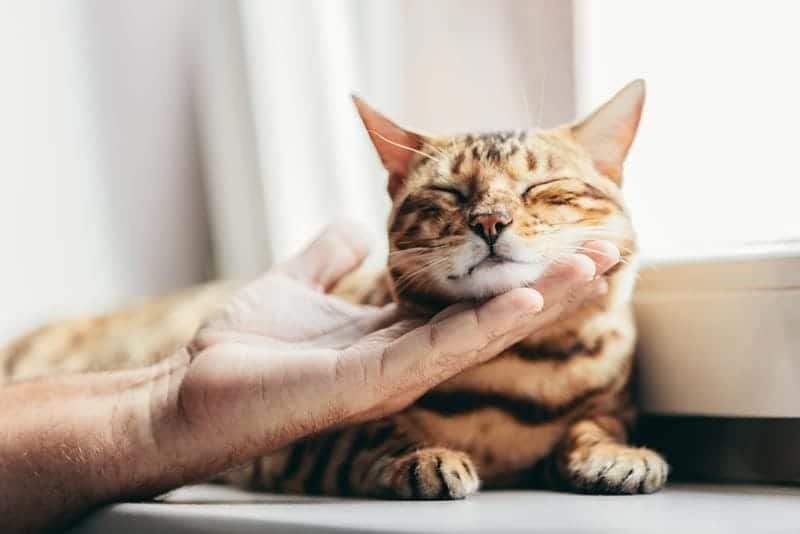
Feature Image Credit: PHOTOCREO-Michal-Bednarek, Shutterstock
Did You Know?
- Our brand-new posts are rounded up and included in our weekly emails. Don't miss out on the latest - sign up for our newsletter below!
Expert cat care, straight to your inbox
News, insights, and useful advice, delivered to you.

No spam — unsubscribe anytime.
By signing up, you agree to our Terms & Conditions and Privacy & Cookies Policy.
How useful was this post?
Click a star to rate. You can leave written feedback afterwards. (We read all feedback.)
Dan has been working in the pet world for over 4 years covering cats, dogs, and all other pets in between. He loves helping pet parents keep their companions happy, healthy, and of course, totally spoiled! Originally from London, Dan now travels and works remotely, which unfortunately means no pets at home, but it gives him plenty of opportunities to fuss over other people's furry friends.