5 Natural Home Remedies For Ear Mites in Cats

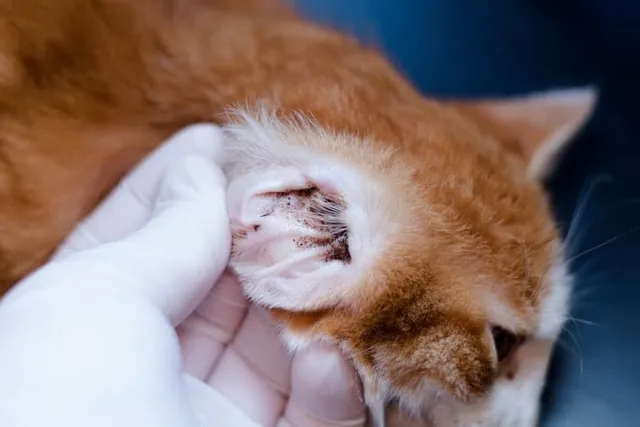
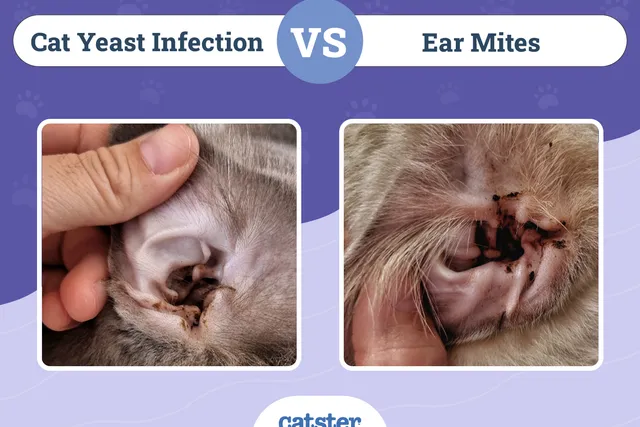
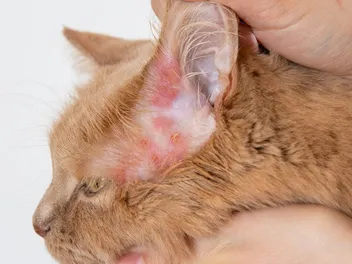
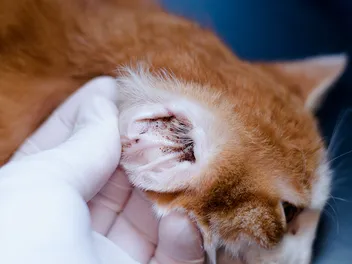
You know your cat is fastidious about grooming and keeping themselves clean, so if you’ve noticed a grim-looking blackish-brown discharge from their ears, you know it’s not just that they’ve let themselves go. Itching, inflammation, pain and discharge from the ears can have a number of different causes, such as allergies, bacterial infections, yeast overgrowth and ear mites.
Ear mites, or more accurately Otodectes cynotis, are microscopic eight-legged critters that make their home in the cat’s external ear canal, feeding on skin oils and ear wax, causing significant discomfort in the process. Ear mites are a relatively common external parasite in cats, seen most often in younger felines, particularly in warm conditions, or where there is overcrowding, and they are a regular issue for cats and kittens in animal shelters.
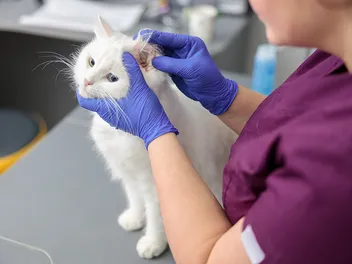
Treating and preventing ear mites is usually quite straightforward, with a wide variety of targeted treatments, and many flea prevention products also protect cats from these frustrating freeloaders. However, as there are more than one cause of dirty ears in cats, getting a proper diagnosis from the vet is key to successful eradication, as the wrong product could be ineffective or even cause damage to your cat’s ears.
If you know you’re dealing with ear mites and would like to avoid chemicals, there is a lot of confusing and contradictory information about natural alternatives for getting rid of them. Some of these remedies are simply a waste of time, while others could be downright dangerous. Although it may not be your first choice, if selected carefully and used judiciously, chemical treatments will often save you a lot of frustration and give your kitty immediate relief.
If your heart is set on finding a more natural approach to tackling ear mites, there are a few things you can do at home to get those ears clean and help minimize your cat’s risks, but these remedies won’t kill the mites or disrupt their life cycle, so are more effective when used as prevention rather than treatment. You may also consider purchasing some organic or natural ear cleaners that have been formulated for pets; they may not be as effective as prescription ear drops, but it is a safer alternative to using incorrect or undiluted ingredients.
Keep in mind that the life cycle of Otodectes cyanotis is around three weeks, so you’ll need to be committed and consistent with whatever option you choose.


The 5 Natural Home Remedies For Ear Mites in Cats
1. Clean with Olive Oil or Coconut Oil
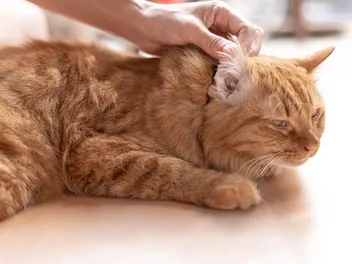
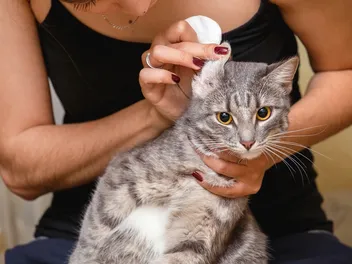
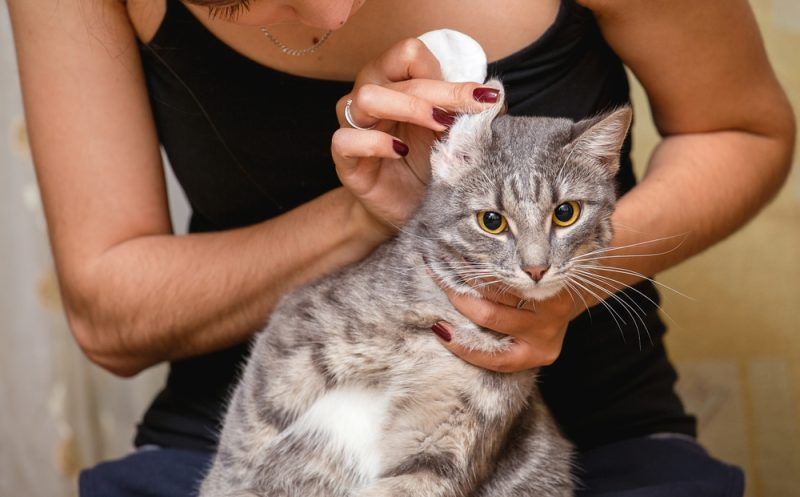
Ear mites often cause thick, crumbly discharge that can be difficult to shift. A few drops of olive oil or warmed coconut oil can help break up this material, making it easier to clean the ears. The oils won’t kill the mites, but daily cleaning may give your cat’s immune system a fighting chance. Only apply 3 to 5 drops at a time, working gently and slowly to remove the buildup.
2. Isolation and Quarantine
Ear mites are highly contagious, and the primary source of infection in cats is other cats. If you’re bringing a new cat into the home, resist the temptation to make immediate introductions. Instead, allow some time apart until you are confident that your new family member hasn’t brought along any unwanted hitchhikers.
3. Diatomaceous Earth

This is NOT for treating the ear, but to use as a repellent around the home. Made from powdered fossilized microscopic algae (diatoms), diatomaceous earth is harmless to your pets, but its abrasive texture damages the exoskeleton of creatures like fleas and mites. It’s perfect for sprinkling into hard-to-reach nooks and crannies, and can be placed around the outer wall of the home. If your neighbors spot you, just tell them you’re warding off demons and ghosts!
4. Vaseline
A pretty common product in most homes, Vaseline or Petroleum Jelly is a safe product to use around your cat, though it won’t do much to eradicate ear mites. Like the coconut and olive oil earlier, it can be used to help soften the discharge and soothe inflamed ears, but if you’re not careful, it could get lodged in your cat’s ear canal, making the problem worse, not better. However, if you are carefully using cotton tips to clean your cat’s ears, a little bit of Vaseline can make the process a little more pleasant for your patient.

5. Keep Your Cat Indoors
Indoor cats are protected from many of the dangers that impact and shorten feline lives, including infections, attacks, and parasites. It’s important to keep your indoor kitty entertained and enriched with lots of different hiding places, climbing opportunities, games, and toys, but ultimately, cats that are not exposed to other cats, dogs, or wild animals are protected from a multitude of problems, including ear mites.
What NOT Use
As we mentioned, there is a lot of misinformation out there, so it’s important to recognize the home remedies you should absolutely avoid.
Apple cider vinegar – ineffective and can cause skin irritation or burns
Neem oil – questionable safety and effectiveness
Yellow Dock Root or Garlic – toxic to cats, useless against mites
Tea Tree Oil – toxic to cats, even through skin absorption
You might notice that some of these ingredients are included in ‘natural’ ear cleaning products, but they have been diluted to concentrations that pose minimal risk to pets. They should never be used in the raw or undiluted form.

Wrapping Up
If your cat is dealing with the frustration of ear mites, there are lots of different ways you can help them, but the first and most important step is to get them checked by your vet to make sure that the problem actually is ear mites, and not something else. While there are lots of ‘helpful’ tips and tricks out there about how to treat your cat’s ear mites with ingredients found in the home, it’s important to remember that many of these home remedies are ineffective, and some may even be toxic to your cat.
Medicated ear drops continue to be the best and safest way to effectively eradicate ear mites, but the tips we’ve covered may help manage minor cases, or better yet, prevent them from happening at all.
Related Reads:
Featured Image Credit: frantic00, Shutterstock
Expert cat care, straight to your inbox
News, insights, and useful advice, delivered to you.

No spam — unsubscribe anytime.
By signing up, you agree to our Terms & Conditions and Privacy & Cookies Policy.
How useful was this post?
Click a star to rate. You can leave written feedback afterwards. (We read all feedback.)
Dr. Karyn Kanowski BVSc MRCVS (Veterinarian)
Dr. Karyn comes from Queensland, Australia, and has lived in the UK for the past 10 years. In 2010, she graduated from The University of Queensland School of Veterinary Science and also has a Bachelor’s degree in Zoology. She is passionate about using evidence, experience, and owner collaboration to provide the best solutions for pets, and believes in making reliable information about animal health accessible to all. Dr. Karyn shares her home with five cats, four dogs, and one husband. When she is not in the scrubs, she spends her time writing, gardening, and cleaning up pet hair!