My Washing Machine Smells Like Cat Pee! How to Remove the Odor & Useful Tips
In this article
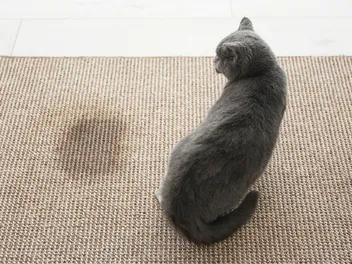
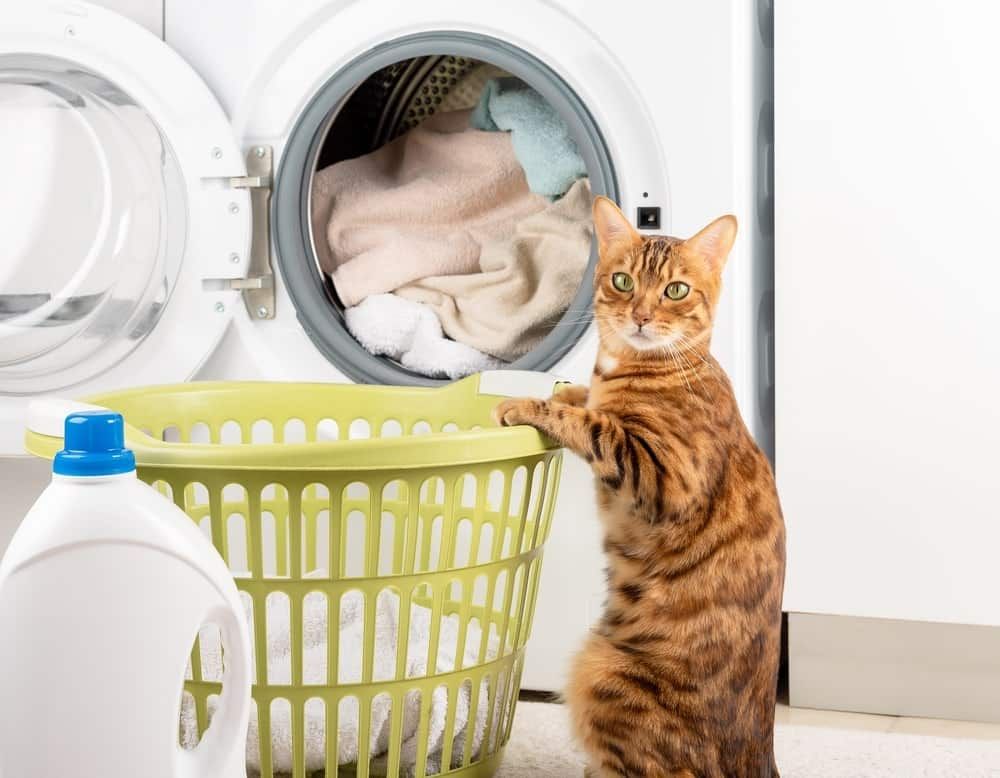
If you’ve ever owned a feline friend, you know that accidents happen, especially when they’re kittens. And whether it's a new kitten who hasn't quite mastered the litter box or an older cat with health issues, dealing with cat pee stains and odors can be a frustrating and unpleasant experience. But what do you do when your washing machine smells like cat urine? Not only can this be unpleasant, but it can also transfer the odor onto your clean clothes. Fortunately, there are a few steps you can take to get cat pee smell out of your washing machine.

How to Remove Cat Pee Odor From Washing Machines
1. Gather Your Materials
First, gather up all of your products and cleaning items. In this case, you’ll only need white vinegar, baking soda, a washcloth, and regular hand or dish soap.

2. Wash With Vinegar
The first step is to clean the interior of the washing machine thoroughly. Start by emptying the machine and wiping down the interior with a damp cloth. Then, mix a solution of one part white vinegar (don't worry, the smell will dissipate) and one part water and pour it into the washing machine. Run a cycle on the hottest setting possible to allow the solution to break down and remove any remaining urine residue.
3. Try Baking Soda
If the cat urine smell persists, you may want to try using baking soda. Sprinkle a cup of baking soda into the drum of your washing machine and run a hot water cycle. Baking soda is a natural deodorizer that can neutralize even stubborn odors like cat urine.
It's also important to remember that prevention is key when it comes to removing cat urine odor from your washing machine. If your cat has a habit of urinating on clothing or bedding, be sure to wash these items as soon as possible and consider using a stain remover or odor eliminator before putting them in the washing machine.

Best Methods for Dealing With Cat Pee Stains and Odors
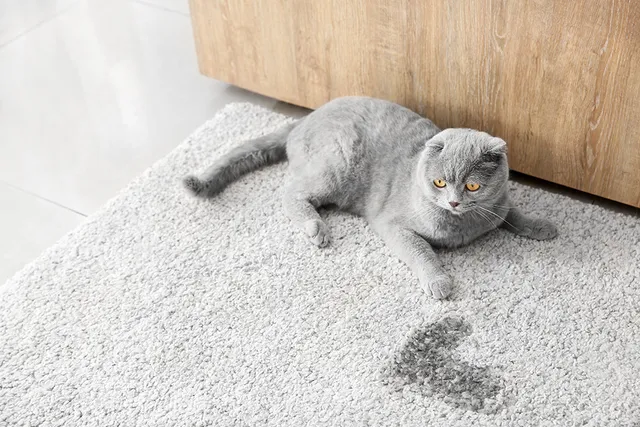
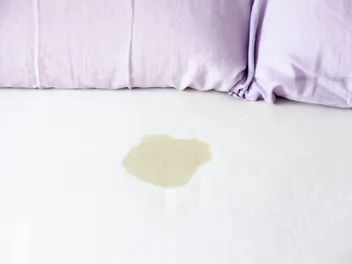
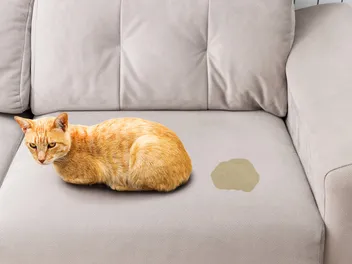
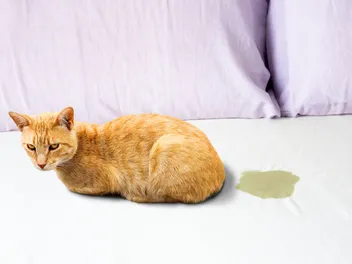
Once you’ve removed the cat urine smell from the washing machine, you want to prevent it from coming back. The best way to do this is to make sure that you clean up messes promptly when your cat goes outside of the litter box. When dealing with cat pee stains and odors, time is of the essence. The longer you wait to clean up the mess, the more difficult it’ll be to remove the stain and odor. As soon as you notice that your cat has peed outside the litter box, it's important to take action.
The first step is to blot up as much of the urine as possible with a clean towel or paper towel. Be sure to apply pressure and blot until the towel is no longer absorbing any liquid. Avoid rubbing the area, as this can push the urine deeper into the clothing, carpet, or furniture fibers. There are actually several methods you can use to remove cat pee stains and odors. Let’s discuss.
Method 1: Using Warm Water and Dish Soap
One of the simplest methods to eliminate cat pee stains and odors is to use warm water and dish soap. This method is effective for fresh stains that haven't had time to set in.
To start, mix a solution of warm water and dish soap in a bowl or bucket. Wet a clean towel or sponge with the solution and apply it to the affected area. Blot the area gently, being careful not to rub or spread the urine. Continue blotting until the stain is no longer visible.
Once the stain has been removed, rinse the area with clean water and blot dry with a clean towel. If the odor persists, you can use a natural odor absorber like baking soda or white vinegar to help neutralize the smell.
While this method is effective for fresh stains, it may not be as effective for older or more stubborn stains. In these cases, you may need to use a more powerful cleaning method.

Method 2: Using an Enzymatic Cleaner
Enzymatic cleaners are specially designed to break down the proteins in cat urine, which is what causes the odor. These cleaners use natural enzymes to eliminate the stain and odor, rather than simply masking it.
To use an enzymatic cleaner, first blot up as much of the urine as possible with a clean towel or rag. Then, saturate the area with the enzymatic cleaner and allow it to sit for 10–15 minutes. Be sure to follow the manufacturer's instructions for the specific cleaner you’re using.
After the cleaner has had time to work, blot up any excess moisture with a clean towel. Then, allow the area to air dry completely. It's important to let the area dry completely, as any remaining moisture could lead to mold or mildew growth.
Enzymatic cleaners can be highly effective for removing cat pee stains and odors, but they can be more expensive than other cleaning methods. However, the cost may be worth it for severe or persistent stains.
Did you know there's an enzyme cleaner that does it all? The Hepper Advanced Bio-Enzyme Pet Stain & Odor Eliminator Spray permanently removes the very worst smells and stains (truly, everything you can imagine!), and they offer a 100% satisfaction guarantee! Click here to get yourself a bottle.

- ADVANCED ENZYMATIC CLEANER - Penetrates the most stubborn smells and stains at the deepest molecular levels to dissolve any pet mess you encounter and lift it away at the source.
- FOR ANY MESS, ON ANY SURFACE - This pet odor eliminator cleans your carpets, floors, furniture, fabrics, and more. Whether it's urine, feces, vomit, or drool, you can erase all foul spots and smells!
- FRESH, NATURAL ODOR - Our unique formulation doesn't rely on dangerous or unpleasant chemical fragrances to get the job done. We eradicate smells and stains, not just cover them up.
At Catster, we’ve admired Hepper for many years, and decided to take a controlling ownership interest so that we could benefit from the outstanding products of this cool cat company!
Method 3: Using Baking Soda and Hydrogen Peroxide
Baking soda and hydrogen peroxide are two super powerful cleaning agents that can be used together to eliminate cat pee stains and odors. To use this method, first blot up as much of the urine as possible with a clean towel.
Then, mix 1/2 cup of hydrogen peroxide and 1 teaspoon of dish soap in a bowl or bucket. Add in 1 tablespoon of baking soda and mix well. Apply the mixture to the affected area and let it sit for about 10–15 minutes.
After the mixture has had time to work, blot up any excess moisture with a clean towel. Next, take your baking soda and sprinkle it over the area and let it sit for around another 10–15 minutes. Vacuum up the baking soda and allow the area to air dry completely.
This method can be highly effective for old or persistent cat pee stains and odors. However, it's important to test the solution on a small, inconspicuous area first to make sure it doesn't cause any discoloration or damage.

Method 4: Using Commercial Pet Stain and Odor Removers
Sometimes natural home remedies simply don’t work, particularly for old odors or those embedded in porous surfaces. So, if natural cleaning methods aren't effective for your cat pee stains and odors, you may want to try a commercial pet stain and odor remover. These products are specifically designed to eliminate pet stains and odors, and they can be highly effective.
To use a pet stain and odor remover, follow the manufacturer's instructions carefully – some may require dilution. Typically, you'll need to saturate the affected area with the cleaner and let it sit for a set amount of time. Then, blot up any excess moisture and allow the area to air dry completely.
Keep in mind that pet stain and odor removers can be more expensive than other cleaning methods, but they can be worth the cost for severe or persistent stains.
Method 5: Using an Ozone Machine
An ozone machine is a high-tech solution that uses ozone gas to eliminate odors. These machines almost look like little space heaters. Ozone is a highly reactive gas that breaks down and neutralizes odors on a molecular level.
To use an ozone machine, first remove any people or pets from the room. Then, place the machine in the affected area and turn it on. Allow the machine to run for several hours, or as directed by the manufacturer.
After the machine has run its course, ventilate the room thoroughly by opening windows and doors. It's important to note that ozone can be harmful to humans and pets (and clothes, shoes, plastics, furniture, etc.), so always follow all safety precautions and manufacturer's instructions when using them. They typically cost around $45–$100.
Method 6: Hiring a Professional Carpet Cleaner
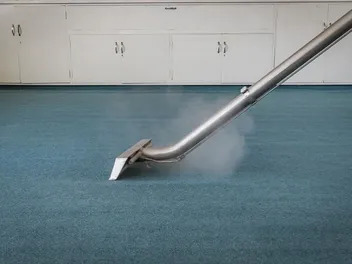
If your cat pee stains and odors are particularly severe or difficult to remove, you may want to just consider hiring a professional carpet cleaner. Professional cleaners have access to more powerful cleaning solutions and equipment, and they can often remove even the toughest stains – and odors.
When hiring a professional carpet cleaner, be sure to choose a reputable company with experience in pet stain and odor removal.
Method 7: Replacing the Affected Carpet or Furniture
In some cases, cat pee stains and odors may be so severe that the only option is to just replace the affected carpet or furniture. This can be a costly solution (but not so much so if you DIY), but it may be necessary for severe or persistent stains.
When replacing carpet or furniture, be sure to choose materials that are resistant to stains and odors (consider tile, linoleum, or wood instead of carpet). You may also want to consider using a waterproof barrier under carpeting to prevent future accidents from soaking through to the subfloor.


Prevention Is Key When It Comes to Pet Odors
The best way to keep your house from being bogged down with pet urine odors is really prevention. This means taking immediate action when accidents happen and finding ways to prevent your cat (or dog) from peeing all over the place. Here are a couple of preventative methods to consider.
Train Your Cat to Use the Litter Box
Training your cat to use the litter box can help prevent future accidents. It may take some weeks to do, but it’s so worth it. Also, make sure your cat has access to a clean, well-maintained litter box at all times, and consider using a litter attractant to encourage your cat to use the box.
If your cat keeps peeing outside the litter box, it may be a sign of a medical issue. Be sure to take your cat to the vet for a check-up to rule out any underlying health issues.
Using Deterrents to Keep Your Cat Away From Certain Areas
If your cat is constantly peeing in a specific area of your home, you may want to consider using a deterrent to keep your cat away. There are several natural and commercial deterrents on the market, including motion-activated sprays and indoor cat repellents.
When using a deterrent, be sure to follow the manufacturer's instructions carefully. It's also important to provide your cat with an alternative area to use the bathroom, such as a clean litter box.


Wrapping Things Up
Dealing with cat pee stains and odors in your washing machine and elsewhere can be a frustrating and unpleasant experience. But with the right preventative methods and techniques, you can eliminate those pesky stains and odors from your home for good. Whether you prefer natural remedies or high-tech solutions, there's a method out there that will work for you. By taking immediate action, using the right cleaning solutions, and training your cat to use the litter box, you can keep your home odor-free and fresh.
Featured Image Credit: Nacho Posse, Pexels
Expert cat care, straight to your inbox
News, insights, and useful advice, delivered to you.

No spam — unsubscribe anytime.
By signing up, you agree to our Terms & Conditions and Privacy & Cookies Policy.
How useful was this post?
Click a star to rate. You can leave written feedback afterwards. (We read all feedback.)

Christian started writing for a local newspaper as a teenager, and he's been involved in the publishing industry for most of his adult life. Combining his love of writing with a passion for animals, he is currently the Director of Editorial at Pangolia and the Editor-in-Chief at Catster.
Christian lives in the Philippines with his wife, son, and four rescue cats: Trixie, Chloe, Sparky, and Chopper.