Get

In Your Inbox

Catster is reader-supported. When you buy via links on our site, we may earn an affiliate commission at no cost to you. Learn more.

Cats & Toddlers: 6 Tips How to Keep the Peace Between Your Pet & Child (Vet-Verified)

Share

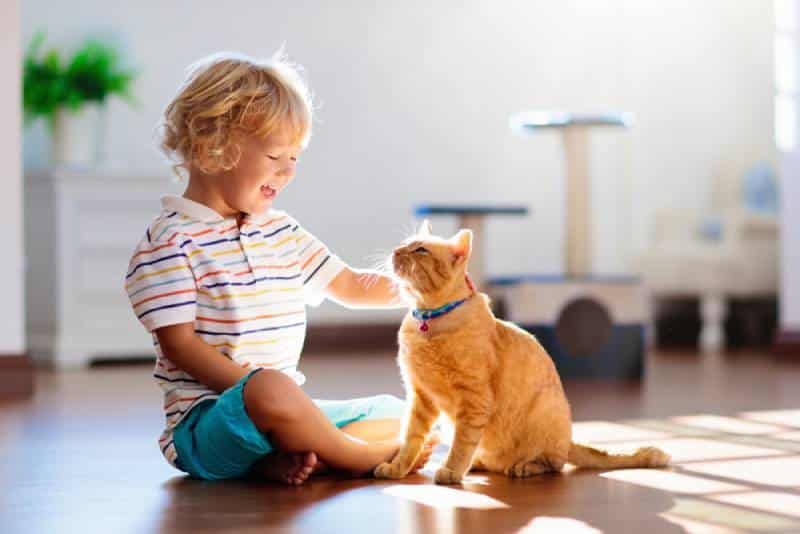
a happy kid petting a cat at home

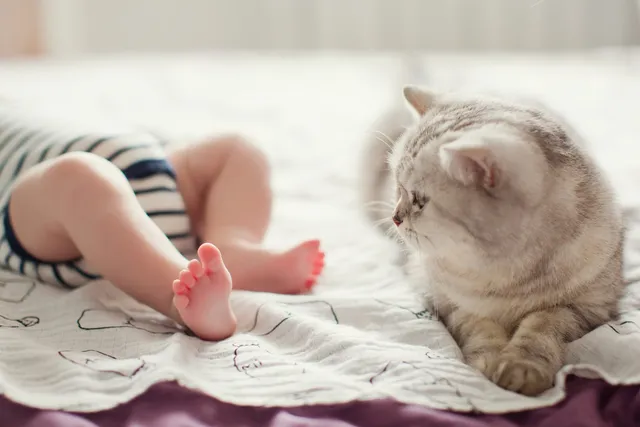
Toddlers are curious, and most love to explore as they learn about our world. It’s natural for them to want to pet and interact with cats. Yet, their attempts to show love can rub cats the wrong way, which can result in stress and, ultimately, unwanted behavior. Thankfully, there are ways you can maintain order and keep your child and cat safe. Keep reading for six tips to help keep the peace between your child and your cat.

divider cat paw scratch oct 2024

The 6 Tips on How to Keep the Peace Between Your Cat and Toddlers

1. Supervise All Interactions

Cats and toddlers should always be supervised to ensure that everyone stays safe and interactions are positive. Even the most well-behaved toddlers can do things that annoy and stress cats, which can lead to aggression if they become overwhelmed and feel cornered.

Cats can react feistily when toddlers pet them too hard or grab their tails. Being around during all the interactions allows you to manage the situations lovingly and proactively. You should model the behavior you wish your toddler to learn when caring compassionately for another living being.

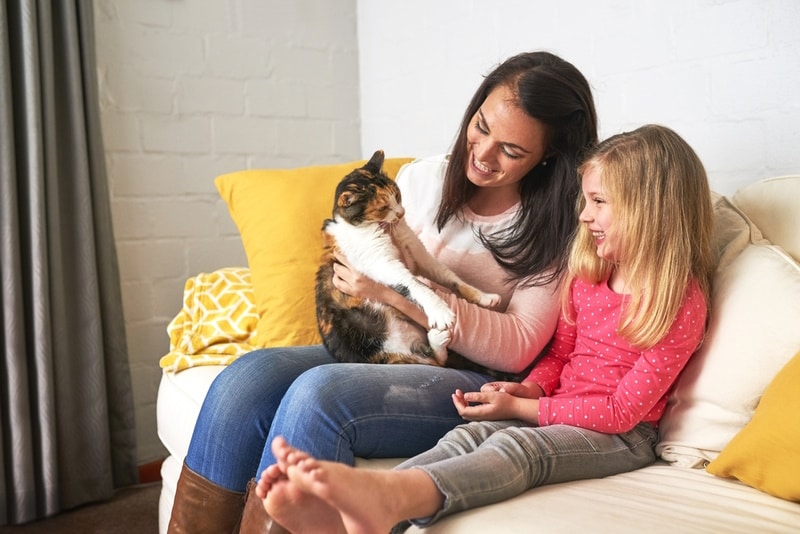
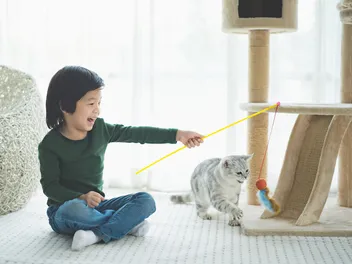
mother and daughter playing cat
Image By: Yuri A, Shutterstock

2. Set Up a Space for Your Cat

Providing cats with calm, safe places to hang out can prevent them from becoming overly stressed from interactions with kids. Consider creating a dedicated space for your cat where they can go and decompress in peace; make sure it’s somewhere quiet and in a room your toddler can’t find their way into.

Include a warm bed to nap, food and water bowls, and a litter box. You can also add a few toys and a scratching post to create a welcoming environment for your cat to relax.


3. Interpreting Your Cat’s Body Language

Ending interactions between your cat and child before they become heated can keep them safe and prevent injuries. Body language such as flattened ears, a thwacking tail, and narrowed eyes indicate a cat is stressed.

Frightened cats often have dilated pupils and pulled-back whiskers. Some tuck their tails under their bodies when they feel threatened.

However, happy cats usually purr, knead, and stretch out when lounging. By interpreting your cat’s body language, you can determine if it’s an appropriate time for your child to play with them.

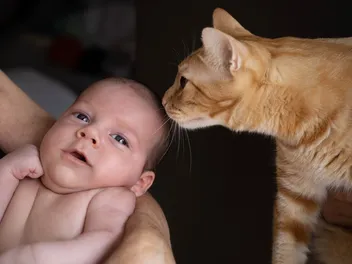
cat owner talking to his pet
Image By: Aziz Acharki, Unsplash

4. Teach Your Kid How to Pet Cats

Gentle, open-palmed strokes are the way to go with cats. Toddlers need help with their petting techniques since many are prone to poking, prodding, and hitting the cats.

Cats also have strong preferences regarding where they’re touched; they like to be petted on their backs, necks, shoulders, and behind their ears. It’s best to warn your child to avoid petting your cat on their tail, tummy, or paws.


5. Make Sure Your Child Knows When to Stay Away

Ensure your toddler stays away from your cat if they’re hissing, growling, or thrashing their tail. Cats can become aggressive out of fear if not allowed the time and space to collect themselves. They should also be taught to leave the cat alone when they’re sleeping.

daddy with little girl petting cat
Image Credit: goodluz, Shutterstock

6. Provide High Perches

Cats typically love hanging out in high places, and it’s a good idea to have perches and shelves for them to enjoy. However, it becomes even more important when cats and toddlers share the same home.

If your child’s energy is too much for your cat to handle, your pet can climb up to their perch or shelf to get away. When a cat has an escape route, they’re less likely to attack an overly excitable kid.

divider cat paw scratch oct 2024

Conclusion

Cats and toddlers both bring love, light, and laughter into the world, but they can sometimes have trouble getting along. Supervising all interactions is essential to ensure the safety and well-being of your child and cat. Providing your cat with safe places to retreat when feeling overwhelmed, and high places to hang out, can establish a comfortable environment where they can appropriately manage their stress. Teaching your kid when to leave the cat alone and providing guidance about how to pet them can also improve the chances of peaceful interactions.


Featured Image Credit: FamVeld, Shutterstock

Want content like this delivered to you?

Sign Up For Our Newsletter

News, insights, expert advice, and everything cat

* By submitting, you agree to our Terms & Conditions and Privacy & Cookies Policy.


How useful was this post?

Click on a star to rate (you can leave written feedback after clicking submit)

Help us improve Catster for pet parents!

Your feedback really matters.

What did you like about this post? Also how can we improve it?

Join the conversation

Leave a Reply

You’re very welcome to leave a comment or question. Please know that all comments must meet our community guidelines, and your email address will NOT be published. Let’s have a positive and constructive conversation.


Talk With A Vet Online

Peace of mind,
anywhere, anytime

Affordable vet advice

Chatting About Fake News in the Pet World, AI Again, and New Age Journalism | Chatty Cattys, Episode 23

Navigating the modern digital landscape requires a sharp eye to distinguish fact from fiction. In this episode of Catster’s podcast, Chatty Cattys, Nicole...

The Surprisingly Sweet Reason Behind Cats Chewing Human Hair (and Others)

Cats have a talent for turning the ordinary into something slightly bizarre. One minute, there’s a peaceful evening on the couch, and the...

Could This 19th-Century Technology Save Raw Pet Food? How E-Beams Are Changing the Industry

One of the most important developments in the pet food industry over the last century was the ability to create meals that were...

Why 2026 Is Being Called the “Year of the Cat”

Cats Are Finally Getting the Attention They Deserve Cats are having a major cultural moment, and the numbers help explain why. According to...

More related

What Kind of Cat Breed is Toulouse from The Aristocats? Disney Felines Explained

The Aristocats was released in 1970 and quickly gained popularity. It would probably be harder to find someone who didn’t watch the movie...

10 Pet-Friendly Hotels in Las Vegas (2026 Update)

Traveling with pets is extremely important for many people, which usually means needing to find a pet-friendly hotel. If you’re planning to visit...

Do Cats Need to Fast Before Having Surgery? What You Need to Know!

When a cat needs surgery, owners have several questions about how they can prepare them for the upcoming procedure. One of the most...

Do Cats Need Sunscreen When Going Outside? Vet-Approved Facts

Applying sunscreen to a cat may sound a little messy or unnecessary, but some breeds and those with light-colored coats could benefit from...

Keep reading

Can a Male and Female Cat Get Along? Vet-Reviewed Info

When it comes to cat compatibility, there are various factors at play, rather than just their gender. How well and whether two cats will get along, will mainly depend on the cat’s personality, early socialization, previous experiences with other cats,...

Can Male and Female Cats Get Along

How to Tell if My Cat is in Pain: 7 Vet-Reviewed Signs to Look For

Cats are notorious for hiding their illnesses. From an evolutionary standpoint, it makes sense. Cats hide their illnesses to ensure they are not seen as easy targets by predators. While cats no longer have to worry about predators in our...

sick cat with feline disease

Chronic Diarrhea in Cats: Our Vet Discusses Signs, Causes & Treatment

Nobody likes it when their cat has diarrhea, the kitty included. Not only is it potentially messy, but it can also be frustrating if it’s been going on seemingly without end or if it keeps popping back up when you...

maine-coon-cat-using-the-litter-box

Is Christmas Cactus Poisonous to Cats? Vet-Reviewed Houseplants Examined

The unfortunate truth of living with cats is that you’ve signed up to live with a pet that will get into everything—plants included. If you have a Christmas cactus in your home, you might wonder if this plant is poisonous...

Catster_Is Christmas Cactus Poisonous to Cats

Can Cats Eat Pumpkin? Vet-Reviewed Facts & FAQ

Yes, cats can eat pumpkin. It isn’t suitable as their whole diet or even most of their diet. However, it can be a nice treat or be used in specific circumstances to add nutrients to your cat’s diet. Pumpkin has...

Can Cats Eat Pumpkin

What to Feed an Old Cat to Gain Weight: 5 Vet-Approved Tips

While to a certain extent, it’s normal for a cat to lose weight during their senior years, it’s also essential for you, as a pet parent, to do everything that you can to tempt their appetite and keep them as...

tabby cat eating from metal bowl

Do Cats Really Play With Their Prey Before Killing Them? Vet-Approved Behavior Explanation

We easily forget that our cute, fluffy cats are natural-born killers. Perfectly evolved to chase, stalk, and hunt small animals to devour them, even our domestic cats can often bring home their prey. Cats are often thought to be malicious...

cat hunting mouse outdoor

Why Is My Cat Clingy When I’m On My Period? Vet-Verified Facts & Info

Stomach cramps, bloating, and feelings of nausea and irritability. These are all common symptoms associated with being on your period. But, one sign that some owners are all too acutely aware of, but other women may not recognize, is having...

woman-and-her-cat-resting-in-sofa

Love Cats? So Do We! Join the Catster Community

Stay informed with expert pet care insights delivered straight to your inbox! Discover professional guidance on animal behavior, feeding tips, trusted product picks, and much more.


Sign up for the Catster Email Newsletter

Stay informed with expert pet care insights delivered straight to your inbox! Discover professional guidance on animal behavior, feeding tips, trusted product picks, and much more.