How Much Do Turkish Angora Cost In 2026? Complete Price Guide
In this article
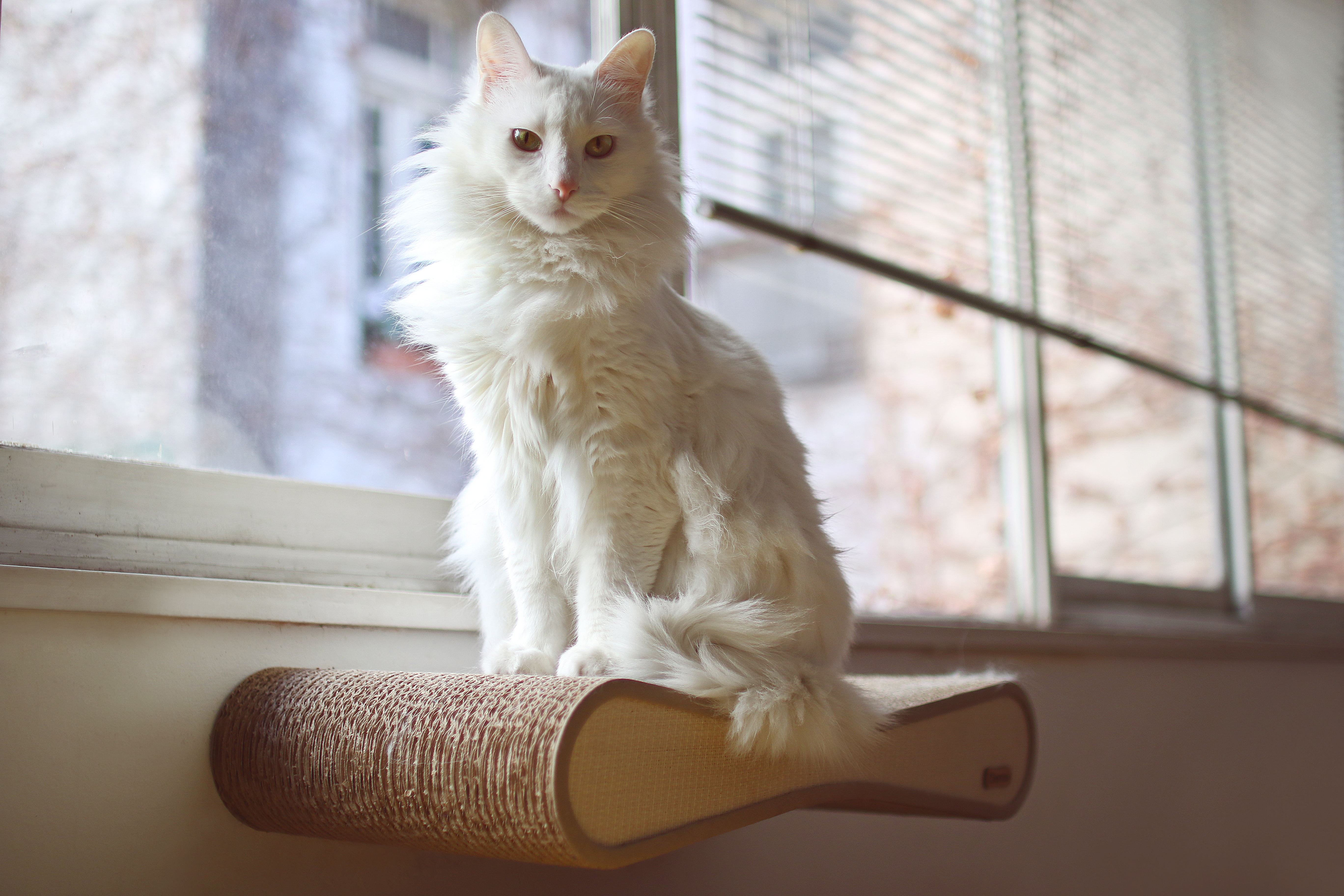
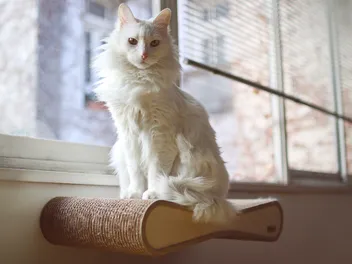
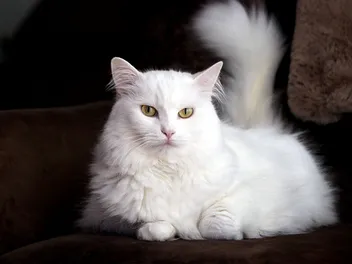
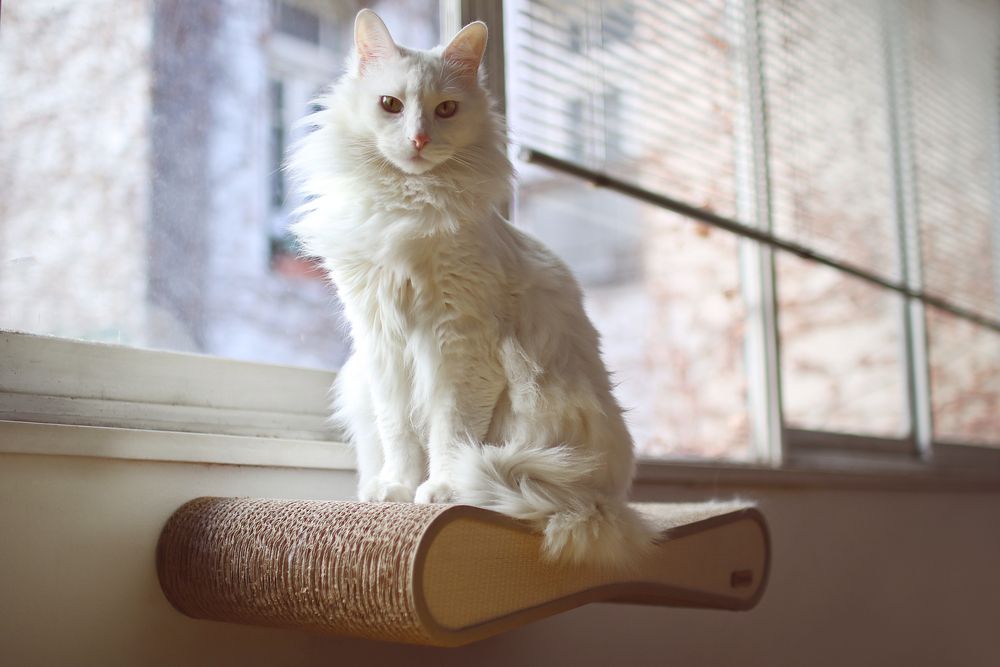
The Turkish Angora is one of the sweetest and most beautiful breeds in the cat world. These playful, affectionate cats are a favorite in the United States and make wonderful pets. Turkish Angoras are elegant cats with fine lines and no undercoat, making it much easier to care for and groom them. They get along well with other cats but, if kept alone, need a lot of toys and mental stimulation to stay healthy and happy. Therefore, the estimated expenses of owning one of these cats are between $600 and $2,500.
Interestingly, these cats nearly went extinct, save for the fact that they were kept in zoos in Turkey because of their beauty and gracefulness. It was in the 1960s that the breed first came to the United States. The information below will help you determine how much it will cost to own and care for a Turkish Angora should you adopt one of the gorgeous cats.

Bringing Home a New Turkish Angora: One-Time Costs
Unless you get lucky and find a Turkish Angora in a shelter or cat rescue, you should be prepared to spend between $600 and $2,000 for one of your own. Although accepted by the Cat Fancier’s Association (CFA) in 1973, this breed is still relatively rare in the U.S. and not widely bred 1. Plus, to be registered, you must be able to trace their lineage back to the Ankara Zoo in Turkey, which increases the cost substantially.

Free
Any cat must be dewormed, vaccinated, spayed or neutered and possibly need other health services. So, even if you get your Turkish Angora from a shelter or a friend whose cat has just delivered kittens, you must remember these costs. Yes, it will be less than buying from a breeder, but no cat is truly “free.”
Adoption
- $75–$200
If you’re lucky enough to find a Turkish Angora at a shelter or cat rescue, the cost will likely run between $75 and $200. That is a bargain compared to buying one from a breeder. However, if you find one, it will likely be an adult given up by its previous owners. If that’s the case, the initial healthcare costs might be much less since the cat will likely be spayed or neutered and have had all of its shots.

Breeder
- $600–$2,000
Several factors will affect the price you pay if you purchase your Turkish Angora from a breeder. That includes its sex (females usually cost more), pedigree and lineage, and how closely your kitten conforms to the Turkish Angora breed standards set by the CFA and other cat organizations. The cost also depends on the breeder’s standards, location, etc.
One important thing to note is that you should seek out a breeder registered with one of the cat associations in the United States. This will ensure your kitty was bred in good hands but will usually mean you pay a premium.

Initial Setup and Supplies
- $465–$895
The initial costs when adopting any cat, including the Turkish Angora, are typically the highest you’ll pay throughout your new pet’s life. Many are one-time costs that you’ll never have to pay again, including chipping, spaying, neutering, brushes, nail clippers, etc. Food, treats, litter, pet insurance, and other items are ongoing costs, but you’ll pay less than you would for a dog.

List of Turkish Angora Care Supplies and Costs
| ID Tag and Collar | $45 |
| Spay/Neuter | $150–$300 |
| Microchip | $30–$50 |
| Dental X-rays | $100–$250 |
| Cat Bed | $50 |
| Nail Clipper | $10 |
| Brush | $12 |
| Litter Box | $25–$80 |
| Litter Scoop | $10 |
| Toys | $30–$60 |
| Carrier | $40–$100 |
| Food and Water Bowls | $10–$30 |
| Climbing/scratching post | $45–$150 |
How Much Does a Turkish Angora Cost Per Month?
- $100–$200 per month
After the initial costs of spaying or neutering, microchipping, and so forth, the cost of owning a Turkish Angora is about the same as any other breed. Items like pet insurance, food, litter, and toys will be the most significant costs. An older Turkish Angora, however, may need medications and other types of care that will increase the cost.

Health Care
- $35–$300 per month
Turkish Angoras are a healthy cat breed that, as kittens and adult cats, likely won't need much medical intervention if kept in a safe environment. Your Turkish Angora will likely need more care and medications as they age. However, a good insurance plan can often cover most of these costs. Feeding your Turkish Angora a healthy diet will undoubtedly help reduce their healthcare costs.
Food
- $20–$60 per month
Feeding your Turkish Angora high-quality cat food is critical to keeping them healthy and preventing medical issues as they age. The good news is that cats eat much less than dogs, and you won’t be buying hundreds of pounds of food for your kitty. You should also factor in cat treats, but if given in moderation, they won’t add much to your monthly cat food bill.

Grooming
- $10–$100 per month
Your Turkish Angora will need regular brushing to keep its coat from matting and getting tangled. Its nails will need regular clipping, also, and its teeth should be brushed at least once a week (if not more). You can provide all these grooming needs yourself, of course, or take your cat to a groomer. The former will cost nothing once you’ve purchased the right tools, but the latter will cost upwards of $100 per month.
Medications and Vet Visits
- $0–$300 per month
As mentioned earlier, Turkish Angoras are a healthy breed and not prone to many congenital or health issues. Most cats will need more veterinary care as they age, but some might need very little.
Like most cats, the Turkish Angora is at risk for infections, panleukopenia, calicivirus, and rabies, but most of these health issues are preventable via vaccination. An indoor cat will also be exposed to far fewer health risks than an indoor cat.

Pet Insurance
- $30–$60 per month
Like health insurance for humans, pet insurance is a practical method of reducing your cat’s veterinary costs. While highly recommended by vets, the fact is that most cat owners don’t purchase pet insurance for their cats. For a Turkish Angora, however, a cat that can cost upwards of $2,000, the small extra cost of providing health insurance is almost a no-brainer.
Yes, all cats are valuable, but we think you’ll agree that a cat that costs as much as a used car should have an insurance plan just in case.
Environment Maintenance
- $30–$80 per month
Maintaining your Turkish Angora’s environment isn’t all that difficult or expensive once the initial costs have been paid. The few items you’ll need include the following:
| Litter box liners | $20/month |
| Litter | $20/month |
| Deodorizing spray or granules | $20/month |
| Cardboard Scratcher | $10/month |
Entertainment
- $10–$40 per month
Unless you have the time to spend hours a day entertaining your Turkish Angora, you must provide them with a continuous supply of toys and treats. One of the best ways to do that today is to subscribe to a monthly cat toy box subscription.
Companies like Barkbox provide subscription boxes and deliver them monthly to your home with new and different toys and treats for your cat to enjoy. When compared to running to your local pet store once or twice (or more) a month to buy toys and treats, a subscription box makes a lot of financial sense.

Total Monthly Cost of Owning a Turkish Angora
- $135–$940 per month
Before stressing over the nearly $1,000 monthly to care for your Turkish Angora, you should know that the lower number is closer to the real cost. Yes, if your cat is a senior with health issues, it might be closer to the high number, but that’s a small minority of cats. One way to offset these costs is to have a good pet insurance plan in place.
Additional Costs to Factor In
As living creatures, cats are imperfect, and it’s difficult to say whether the one you adopt will be a calm kitty or a cantankerous cat that claws and scratches everything in sight. Also, if you’re like most owners, you’ll go away a few times a year and need someone to watch and take care of your precious pet. While it’s difficult to put a number on them, the following additional costs should be kept in mind:
- Pet sitters
- Pet hotels
- Damage to your furniture and home
- Behavior training
- Emergency care after an accident or illness
Owning a Turkish Angora on a Budget
We’ve seen that Turkish Angoras are expensive cats, but you can still use ways to own a cat on a budget.
- Adopt from a shelter or cat rescue
- Learn to groom them rather than using a pro groomer
- Ask friends and family to pet-sit
- Build DIY toys and scratching posts
- Keep your Turkish Angora indoors

Saving Money on Turkish Angora Care
Although you can make toys and scratching posts to save money, most supplies must be purchased from an online retailer or pet store. You can find online coupons for pet food, and you can check the Sunday paper for more deals. If your cat must be fixed, you can check to see if the local clinics are holding free spay and neuter events, and you can also save money by asking for second-hand supplies from other cat owners.

Final Thoughts on the Cost of Owning a Turkish Angora
The initial cost to adopt a beautiful and affectionate Turkish Angora (and get all the supplies you need) will run between $600 and $2,500, depending on where you get your cat.
Because they’re healthy cats, your typical monthly expenses to own a Turkish Angora will likely fall between $100 and $200 for food, toys, litter, pet insurance, etc. As they age, however, those costs can increase significantly. Like most cats, older Turkish Angoras may have more health issues. Once the initial purchase is made, a Turkish Angora shouldn’t cost more than owning any other breed. If you adopt one of these lovely, friendly cats, we wish you the best of luck for a long, happy friendship.
Sources
Featured Image Credit: Aymara Herrera, Shutterstock
Expert cat care, straight to your inbox
News, insights, and useful advice, delivered to you.

No spam — unsubscribe anytime.
By signing up, you agree to our Terms & Conditions and Privacy & Cookies Policy.
How useful was this post?
Click a star to rate. You can leave written feedback afterwards. (We read all feedback.)

Christian started writing for a local newspaper as a teenager, and he's been involved in the publishing industry for most of his adult life. Combining his love of writing with a passion for animals, he is currently the Director of Editorial at Pangolia and the Editor-in-Chief at Catster.
Christian lives in the Philippines with his wife, son, and four rescue cats: Trixie, Chloe, Sparky, and Chopper.