Do Ragdoll Cats Scratch Furniture? Vet-Verified Common Causes & Prevention Tips


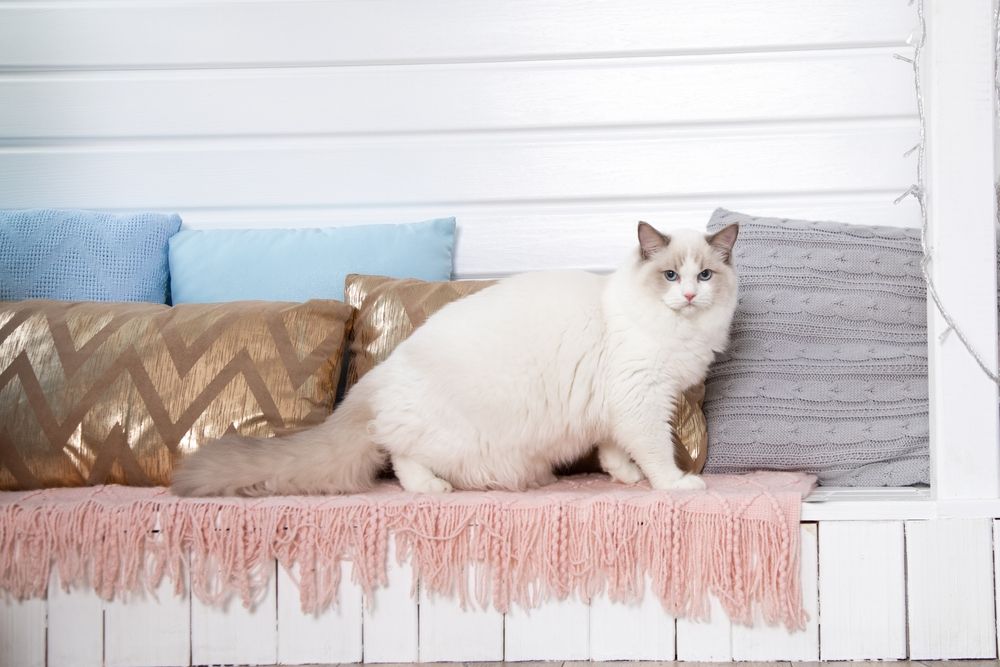
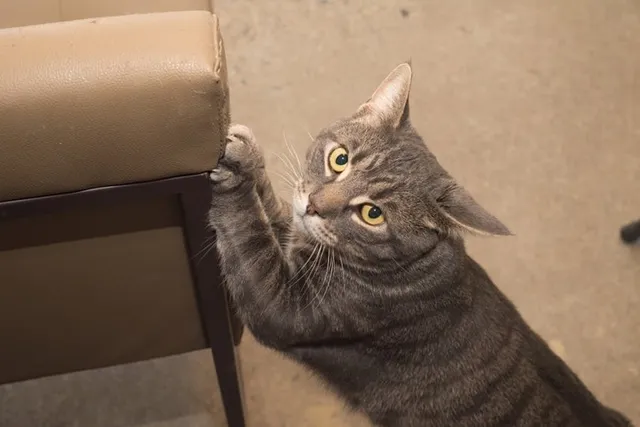
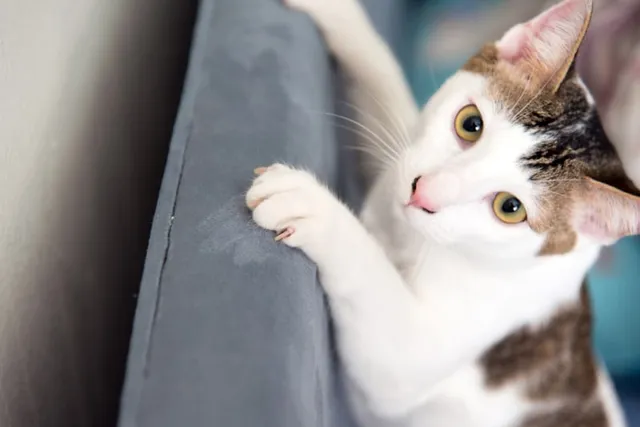
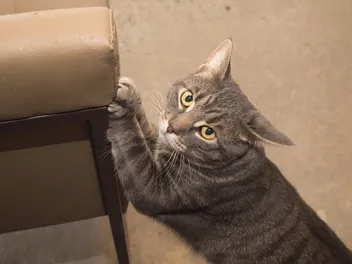
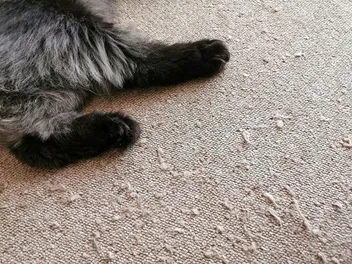
Furniture scratching is a huge thorn in the side of cat parents everywhere. If you’re thinking of getting a Ragdoll and are wondering whether they might use your furniture as a scratching post, the answer is yes, this could happen if they have nowhere else to direct their scratching urges.
Let’s take a look at why a Ragdoll might scratch furniture and how to prevent this from happening.

Why Does My Ragdoll Scratch Furniture?
Ragdoll cats are better known for their chilled-out temperaments and love of cuddling than they are for causing trouble in the house, but that doesn’t mean they won’t ever get up to mischief! Don’t get us wrong, though, scratching is a natural urge for cats, something they do purely out of instinct, not out of spite or naughtiness.
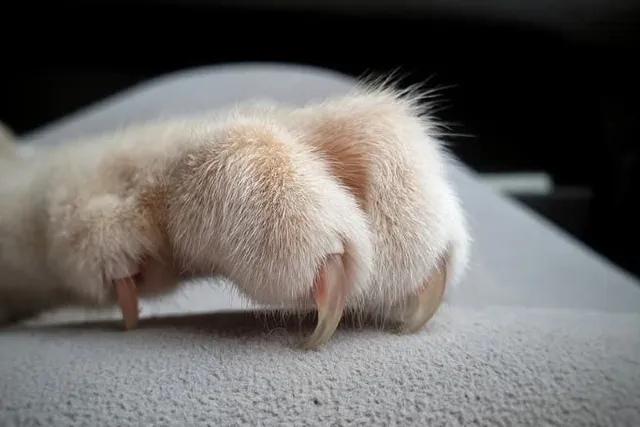
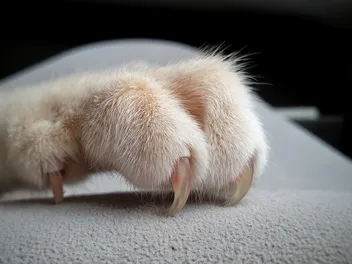
Cats scratch as a way of depositing their scent on things, shedding off their claw husks, and sharpening their claws. It is also their preferred way of having a stretch, and some cats do it to release pent-up energy when they’re excited, nervous, or bored.
One of the most common reasons cats with a scratching urge target your furniture is simply that they don’t understand that it is out of bounds. This might happen because they don’t have “appropriate” scratching areas around or they don’t like the scratching post on offer.
For example, perhaps you’ve provided a scratch post but when your cat tries to use it, it topples over or wobbles from side to side, preventing them from being able to get all those scratching urges fully out. Another reason your Ragdoll might be scratching your furniture is that they’re bored and need more mental stimulation.

How to Stop a Ragdoll From Scratching Furniture
Now that you have a clearer idea of why your Ragdoll might be taking their urges out on your furniture, what can you do to stop it? Here are some things to try.
1. Provide Solid Scratching Posts
What your Ragdoll needs is a nice, sturdy scratching post that won’t wobble or fall over while they’re scratching it. Even better, go for a cat tree with scratch posts, condos, hammocks, and platforms to make it more appealing to your Ragdoll.

2. Redirect the Scratching
When your Ragdoll sinks their claws into something they’re not supposed to, either lure them over to the scratching post with a treat or pick them up and take them to it so they know exactly where they’re supposed to scratch.
If your Ragdoll continues scratching your furniture, you could try putting the post next to or in front of the area to encourage them to scratch it instead of the furniture.
3. Keep the Claws Trimmed
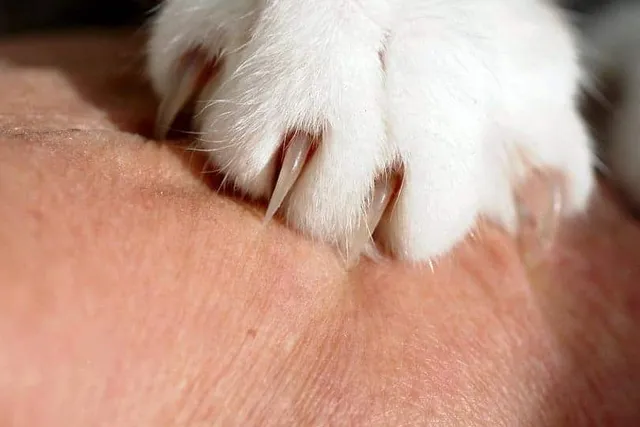
Though this may not prevent your Ragdoll from scratching your furniture, it’s an important part of damage control. Cat claws should be trimmed regularly anyway to prevent overgrowth, so it’s a win-win situation.

- Complete Set - These cat nail clippers include both a large and small pair, meaning it works well as a kitten claw trimmer when they're a small kitty, and then before you know it, as a cat nail cutter
- Razor Sharp Stainless Steel - The most comfortable cat nail clippers for indoor cats provide a fast and clean cut. And for rough residuals remaining, the free cat nail file included can smooth it all.
- Safety First - With a safety nail guard and locking spring, you can make sure every grooming cut is stress free for you, and pain free for your purry pal
Trimming your cat's nails at home can be hard, but having a professional do it can be expensive. With the help of great tools like Hepper's Cat Nail Clipper Set, you can easily and quickly trim your cat's nails at home. This set includes two pairs of stainless steel clippers with safety guards and locking mechanisms, plus a built-in nail file and a convenient pouch.
At Catster, we’ve admired Hepper for many years and decided to take a controlling ownership interest so that we could benefit from the outstanding designs of this cool cat company!
4. Make the Scratching Post More Appealing
Encourage your Ragdoll to use the scratching post by making it as inviting as possible. Try sprinkling catnip or silvervine on the surface, or placing it near a favorite resting or play area. Cats often scratch after waking up, so positioning the post close to their sleeping spot can also increase its use.

Conclusion
Scratching is a completely natural behavior for cats—it helps them stretch, mark their territory, and maintain healthy claws. Providing sturdy, well-placed scratching posts or trees gives your Ragdoll an appropriate outlet for this instinct and protects your furniture in the process. Remember, declawing is never an acceptable solution, as it causes pain and long-term health issues.
Related Reads:
Featured Image Credit: tativophotos, Shutterstock
Expert cat care, straight to your inbox
News, insights, and useful advice, delivered to you.

No spam — unsubscribe anytime.
By signing up, you agree to our Terms & Conditions and Privacy & Cookies Policy.
How useful was this post?
Click a star to rate. You can leave written feedback afterwards. (We read all feedback.)
Kit Copson is a freelance writer and lifelong animal lover with a strong interest in animal welfare. She has parented various furry beings over the years and is currently a proud cat mom of two—one very chilled (unless hungry) Siamese and a skittish but adorable Domestic Shorthair—and dog mom of one—an adopted Bichon Poodle cross. When not writing about or spending time with animals, Kit can be found doodling in her sketchpad, reading, or more often than not, drinking tea.