History of Calico Cats - Taking a Look at Their Past

In this article
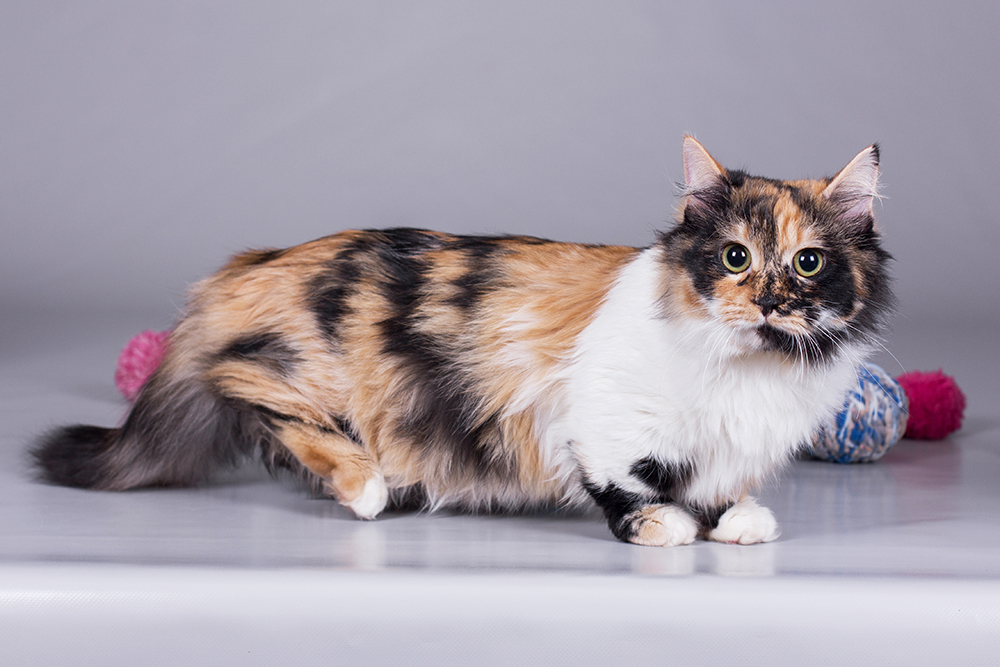
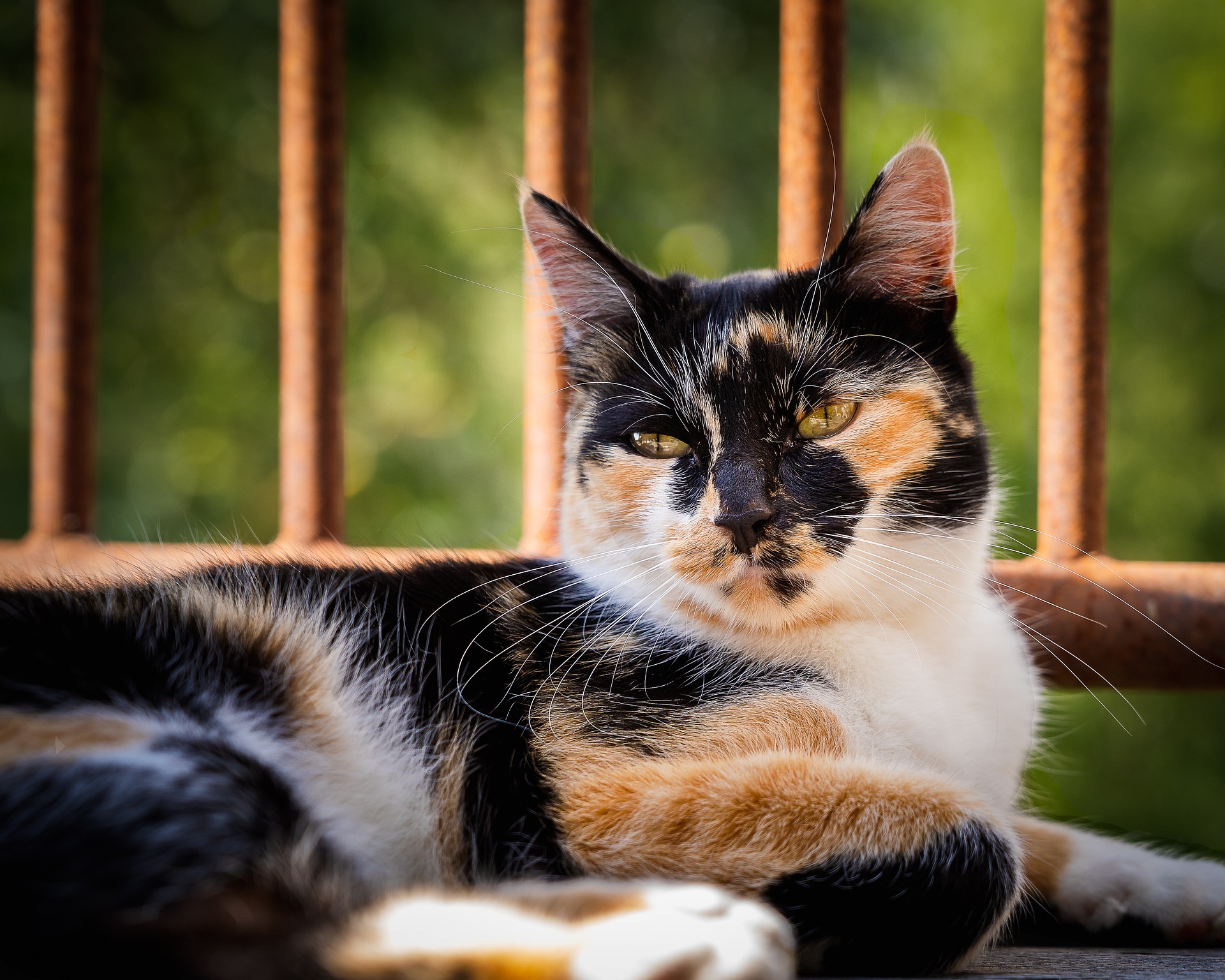
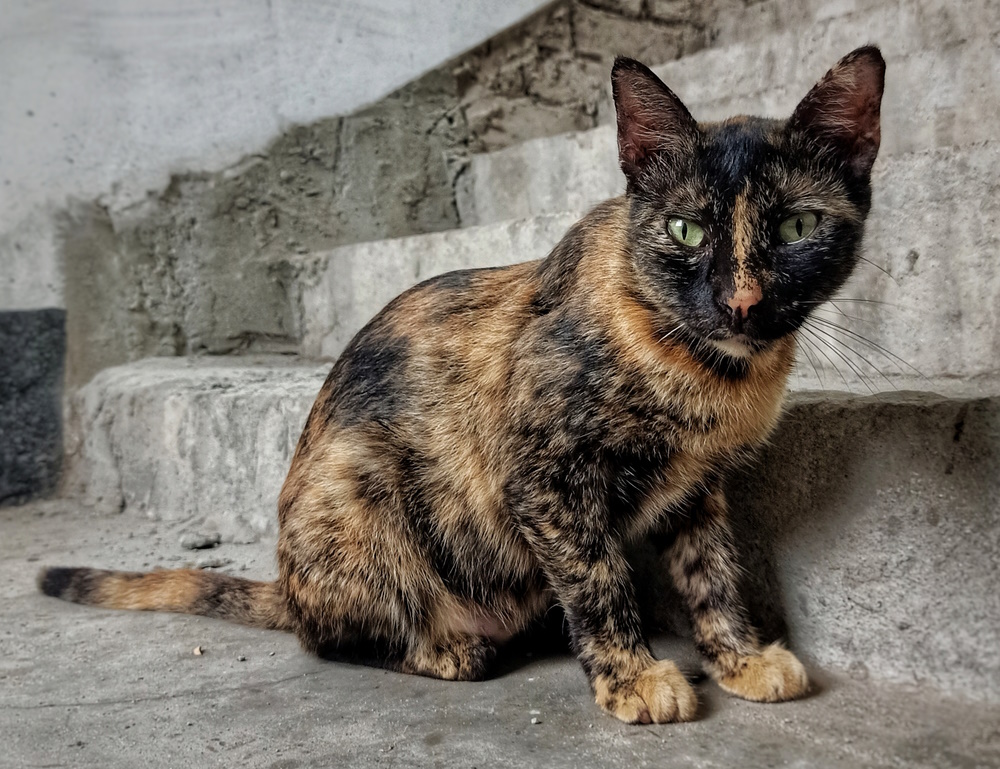
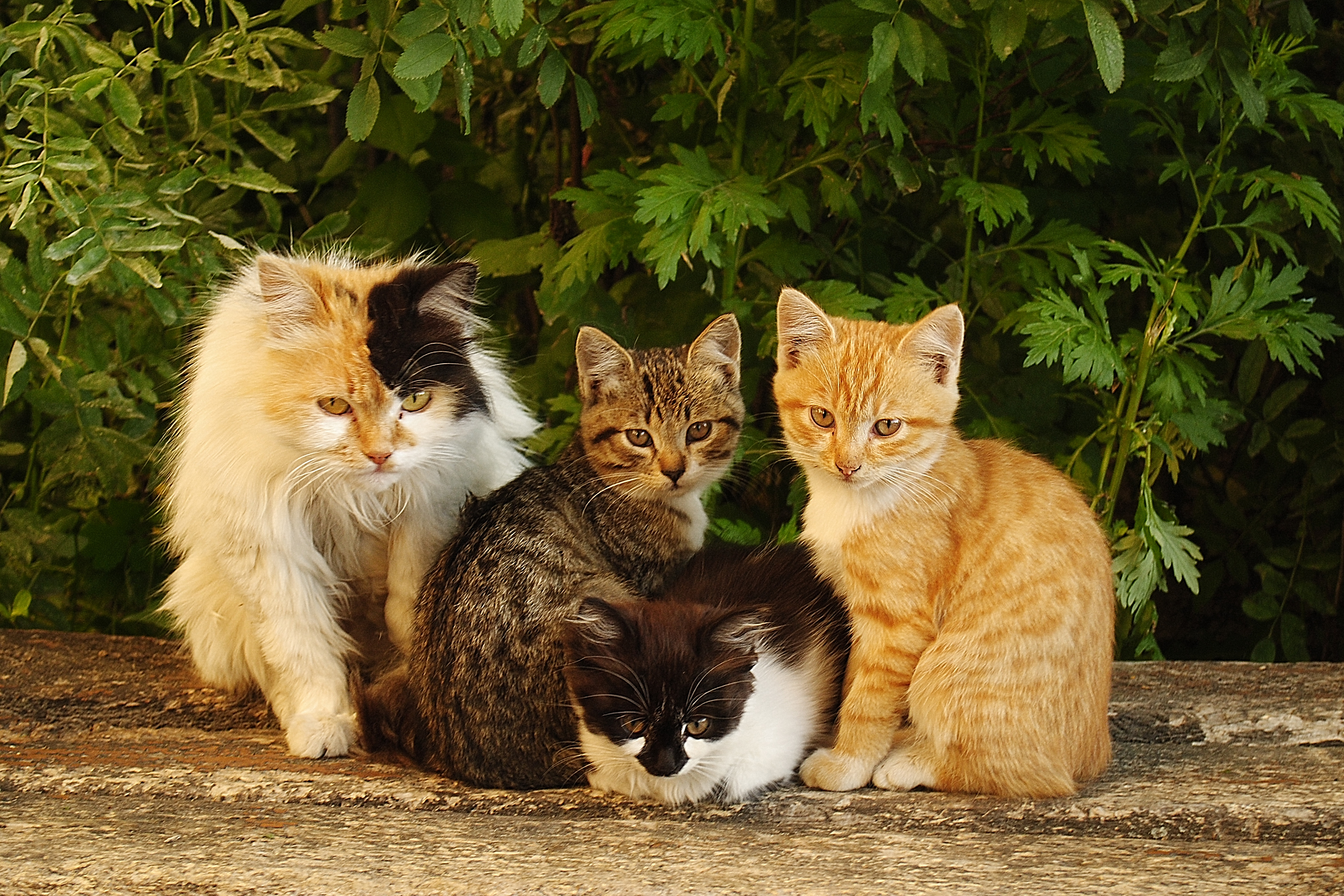
The calico coloration is a distinctive mix of colors and patterns. They’re different from their tortoiseshell cousins, but the pronounced white fur that makes up 25%–75% of their coat is mottled with patches of orange and black.
This unique coat first emerged as a mutant gene but has become a prominent and recognized coloration for many cat breeds. Behind this coat lies a long record of history, biology, and folklore. Exciting and unforgettable moments are dotted through the calico's history, making them even more unique.

The Emergence of the Calico
Genetics
The calico initially appeared in domestic cats because of a genetic mutation. Genetically, calicos are tortoiseshells, except they express a gene that creates white spotting. Evolution occurs when genetic mutations help the animal’s survival, and they go on to breed until this gene has been established.
This process has differed for domestic cats, as human activity has influenced breeding. The calico was favored for its beautiful appearance, and the cats were beloved by humans, allowing them to breed further to make calicos an established pattern.

History
The pinpointed origin of the calico is primarily unknown, but a historian named Neil Todd traced them back to Egypt. He believed the merchants brought calicos on their trade ships to ward off pests.
The calicos were then traced along trade routes from Northern Africa to the Mediterranean. Records in Greece, France, Spain, and Italy noted the calico cat.
Etymology
These records are backed up across the globe. In Quebec, calico cats are dubbed “chatte D'espagne,” meaning “cat of Spain.” It’s not known when calicos were first named within their history. But it has been traced back to a type of fabric in India.
When this calico fabric made its way to the United States, a language barrier created a separation of the word when settlers believed that “calico” referred to the pattern of the fabric, not the material itself.
The word “calico” then became known to describe a mottled pattern of colors. Hence, it found its way as the namesake for gorgeous calico cats.
Other names include:
Most Calicos Are Females
Over time, people began to realize that almost every calico cat they came across was a female, and male calicos were as rare as a blue moon.

1940’s
Some of the first official studies in calico genetics found an abnormality in their nerve cells compared to those of standard-colored domestic cats. Inside the nuclei of nerve cells in female calicos were large masses that resembled drumsticks. They were named “Barr Bodies” after the scientist who first discovered them with his team of students.
1950’s
Japanese biologists studied Barr Bodies and summarized that they were, in fact, X chromosomes that were tightly coiled and unable to be used by the cell. Males possess just one X chromosome in every cell, and one Y. Females have two X chromosomes.
1960’s
This information was used to develop the concept of “X-inactivation,” when one of the two X chromosomes of a female shuts off. In the case of calico cats, this X-inactivation is the cause of calico coloration.
Since males only have one X chromosome, they don’t have the gene sequence to express the coloration. However, male calicos can occur as a rare genetic abnormality.
A fault in a cat’s development can cause a male to have an extra X chromosome. This is called Klinefelter syndrome or XXY syndrome, and it causes infertility in males. So, male calicos are extraordinarily rare and completely infertile.
Calicos in History
Folklore of Calicos
These rare and beautiful calico cats have a rich history. They are also embedded into the folklore of many countries and cultures and are generally considered good luck worldwide.
- United States - Called “money cats” and thought to bring good fortune.
- Ireland - Irish folklore believes calicos can cure warts by rubbing their fur up against them, but only in the month of May!
- Japan - Fishermen brought calicos on ships to ward off ghosts and protect them from storms.
- Germany - Named “Glückskatze,” meaning “lucky cat.”

Famous Figurine
If you’ve ever been to an Asian store or restaurant, you will recognize the “Maneki Neko.” This famous figurine depicts a sitting cat with one paw up and waving. The figurine attracts wealth and good luck and is often called the “money cat.”
Important Positions
- Stationmaster: In 2007, a calico named Tama was dubbed the official Stationmaster of Kishi Station in Japan. Tama was the first feline Stationmaster of Japan, but not the last! Tama even went on to be knighted by the local governor.
- Official State Cat: Since 2001, calico cats have been considered Maryland’s official state cat. They were chosen because the tri-color pattern resembles the colors of their state insect (checkerspot butterfly) and their state bird (Baltimore oriole.)
- Pest Control: Washington Observatory housed a calico named Inga, who keeps mice at bay.
- Mayor: A Calico named Sweet Tart was elected the mayor of the community of Omena, Michigan. This position was only ceremonial, but this cat’s election campaign raised $7,000 for the historical society of Omena.

Biological Breakthrough
A calico cat was also the center of a biological breakthrough in genetics. A calico named Rainbow bore offspring in scientists’ attempts at cloning her genetics. The kitten, named CC (copycat), was a success! She was born with a DNA profile identical to her mother.
However, CC came out with a tiger tabby coloration, not a calico. This study proved that even though two animals can have identical genetics, you can never achieve an exact clone since several factors are involved in their genetics.
Show Cats
Calicos are undoubtedly beautiful, but not all breeds accept calico coloration as part of the standard for the breed. Calicos are not accepted in breeds with solid colors, such as British Shorthairs or the Bombay. They also aren’t allowed in breeds with pointed patterns, such as Ragdolls or Siamese.
Some breeds that accept calicos as breed standard include:
Final Thoughts
Clearly, there’s more than meets the eye regarding the calico cat. If you are fortunate enough to have one of these lovely cats, consider yourself lucky. Calicos are unique and often sought after. You’ll have a newly found respect for them now that you know their rich history!
Featured Image Credit: Aleksei Verhovski, Shutterstock

Expert cat care, straight to your inbox
Vet-reviewed advice, behavior tips, and the best of Catster. Free, and you can unsubscribe anytime.
By signing up, you agree to our Terms & Conditions and Privacy & Cookies Policy.

With an early start in the veterinary industry and as a conservation educator at Disney’s Animal Kingdom in Florida, Sophie has since been a successful Zookeeper and Conservationist, specializing in native New Zealand species. When she’s not bird watching in native forests or crawling through the underbrush at midnight searching for rare frog species, she can be found with her farmer husband on their sheep and beef station, far from civilization. Alongside them, they have 2 cats, 9 chickens, and 11 dogs (most notably, her sidekick, a black Labrador aptly named Jellybean). Sophie enjoys her writing career as it provides opportunities to help and support pet owners of all kinds to give animals the best welfare possible. The only downside is the long list of strange searches in her internet history!
Join the conversation
Ask a question, share your story, or send private feedback.