Will My Foster Cat Think I Abandoned Them? Vet-Verified Facts & Considerations


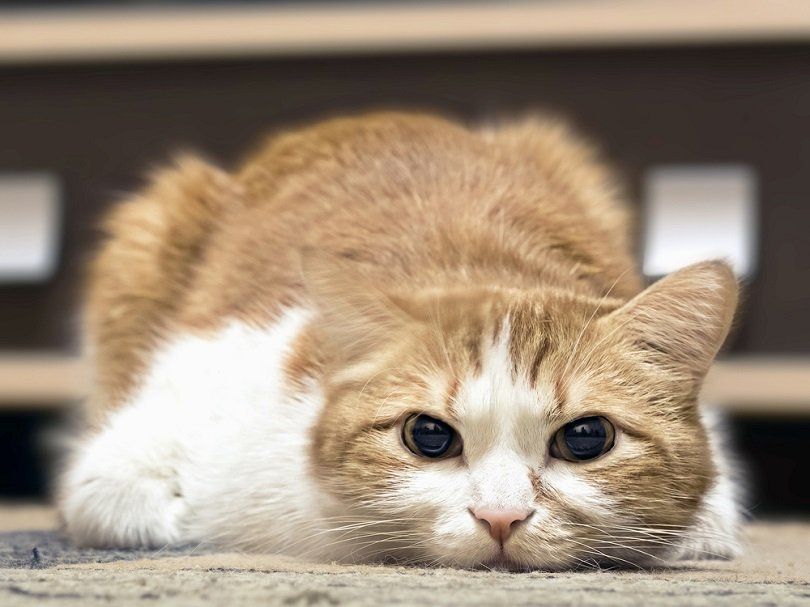
When you foster felines waiting to find their forever home, you’re opening not only your home but also your heart to them. Fostering animals can result in a true bonding experience between you and the foster. However, fostering is temporary, and many people have questions about the process of fostering a cat.
One of the most common questions about being a kitty foster parent is whether your foster cat will think you abandoned them when they move to their permanent home. The answer is complicated because every feline is different, but we know that it is possible for your foster cat to feel as though they were abandoned. Here’s what we know.

Can Cats Feel Abandoned?
Although they express them differently than humans, cats have emotions. Studies into feline emotions1 have resulted in the theory of a basic emotional system in cats comprising eight parts, which enable them to react to external information and stimuli.
These systems include fear-anxiety that helps them respond to things that are unfamiliar and could be dangerous, a care system that helps them create social bonds, a desire-seeking system designed to help them find food and more.
All of this is to say that when cats experience abandonment or rehoming, they can experience fear or anxiety over it.
However, all kitties are different. Cats don’t have the same attachment to their owners that dogs have2 so they aren’t quite as dependent on us as we’d sometimes like to think. So, one cat that has been relinquished or rehomed may feel anxiety or fear and might even mourn the loss of their people and home.3 Another may take a move as a new experience to be enjoyed. It all depends on the cat.
So, your foster cat could feel as if you’d abandoned them. However, the good news is that when a foster cat is moving to a new home where they will be loved, their initial feelings of abandonment shouldn’t last very long.

Ways to Keep Yourself (and Kitty) From Becoming Too Attached
If you’re concerned about fostering a cat because you feel that you might get too attached or if you’re worried a foster cat might feel abandoned when they find a new home, there are ways you can work to keep both of you from becoming overly attached.
- While it is almost impossible not to fall head over heels for a cat that only spends time with you, here is a great tip that works wonders. You can be loving and care for the cat without becoming attached. Keep in mind that attachment is very different from love. With love, you prioritize the well-being of the kitty regardless of the circumstances, and it fills your heart with happiness to know you were an essential part of giving them a forever home and a happy life. With attachment, you'll be upset about losing your foster pet.
- Have your family or friends help out. The more people spend time with a foster cat, the less likely they'll become overly attached to a single person. In addition, socializing with multiple people will help a cat easily acclimate to a new owner in the future.
- If possible, expose the cat to other friendly cats in your house. This will teach them how to interact and mingle with other members of their species. This can do wonders for you and the cat. It may give you a greater degree of freedom and fewer feelings of guilt every time you leave the house, knowing the cat has other cats to play with. It will help the cat with the socialization skills needed if they are to be adopted into a multiple-cat household in the future.
- See if you can find and screen potential adopters. By doing this, you’ll keep the fact that this is temporary in your mind, which should help you maintain your emotional distance.
None of these methods are guaranteed to make giving up a foster kitty less painful or keep a foster cat from feeling a sense of abandonment when they move on, but they can help.
Important Note
Though most cats adapt to new loving houses easily, at times, an individual may struggle to move on. For those cats, assistance from a cat trainer or a veterinarian is strongly advised. They may also need to be housed with a professional for rehabilitation training. Always let a potential adopter know about the cat's behavioral issues.
Conclusion
Felines are capable of feeling emotions based on motivations. A foster cat might feel a sense of abandonment and experience fear or anxiety when they move to their forever home. However, all cats are different, and most cats should adapt to their new homes without any issues. However, even if a foster cat feels anxiety or even fear, they will usually only feel it temporarily. Once your kitty is in their long-term home, they will quickly grow to feel a sense of safety and love.
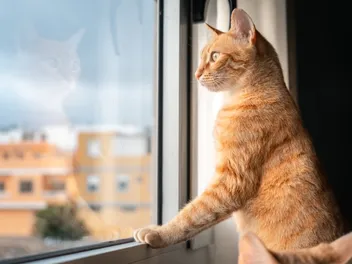
Featured Image Credit: Nikolay Bassov, Shutterstock
Expert cat care, straight to your inbox
News, insights, and useful advice, delivered to you.

No spam — unsubscribe anytime.
By signing up, you agree to our Terms & Conditions and Privacy & Cookies Policy.
How useful was this post?
Click a star to rate. You can leave written feedback afterwards. (We read all feedback.)
Misty Layne lives out in the woods in small-town Alabama with her two Siamese cats —Serafina and Jasper. She also has an array of stray cats, raccoons, and opossums who like to call her front porch home. When she’s not writing about animals, you’ll find her writing poetry, stories, and film reviews (cats, by far, her favorite writing topic, though!). In her free time, Misty enjoys chilling with her cats, playing piano, watching indie and foreign films, photographing abandoned places, and catching up on her never-ending TBR list.