How Long Does It Take a Cat to Adjust to a New Home? Vet-Reviewed Facts & FAQ


In this article
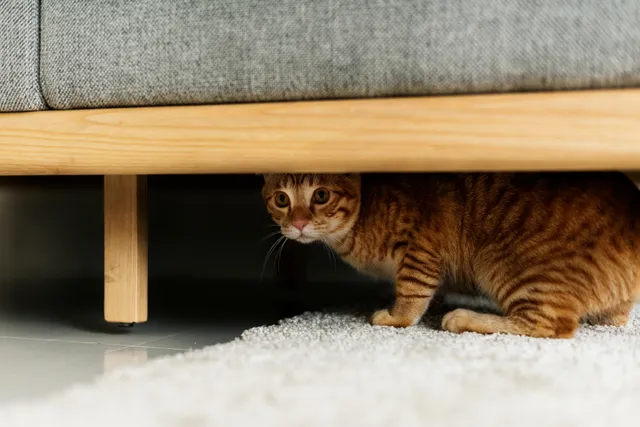
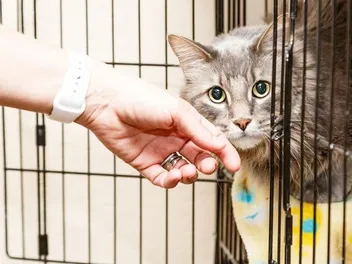
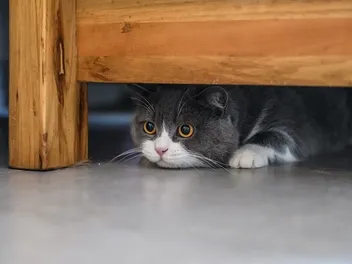
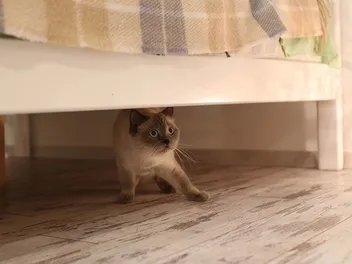
There will be an adjustment period whenever you bring home a new cat. While all animals need an adjustment period to some extent, cats typically have a more dramatic adjustment phase. While dogs may be more prone to accidents and separation anxiety, cats often hide under furniture. (Of course, every animal is different!) Typically, it takes a cat about a week to adjust to a new home.

How Long Does Adjustment Typically Take?
Some cats bounce back sooner than others after they are taken to a new home. However, others may take longer. Usually, cats do warm up in their own time. Very anxious cats may occasionally need medication or other means to calm down. If you think your cat is taking unusually long to adjust, we recommend speaking to a vet.
Many factors may affect how long it takes a cat to adjust to a new home. If a new family has just adopted the cat, then they will have even more to adjust to. Therefore, these cats usually take longer to warm up to their new home. However, if they are simply moving to a new home with the same family, their adjustment will likely be much faster.
In these cases, it may only take the cat a day or two to adjust. When they have the same family around them, it typically does not take much time for them to adapt. Of course, it also depends on the cat’s personality—some cats are more anxious than others.
Signs That a New Cat Is Adjusting

When your cat begins to adjust properly to their new home, several behavioral differences may crop up. These are signs that your cat is starting to feel safe in their new home—even if they are still acting a bit strange. Basically, if any of these signs pop up, you can bet that your cat is starting to adjust.
Appetite
Cats may not eat the first few days they are in a new home. Many are just too anxious. Plus, there is the practical problem of them not knowing where their food is as well.
However, as cats adjust to their new home, they may begin to eat normally again. Whatever your cat’s eating patterns were previously, they will return to that pattern.

Positive Body Language
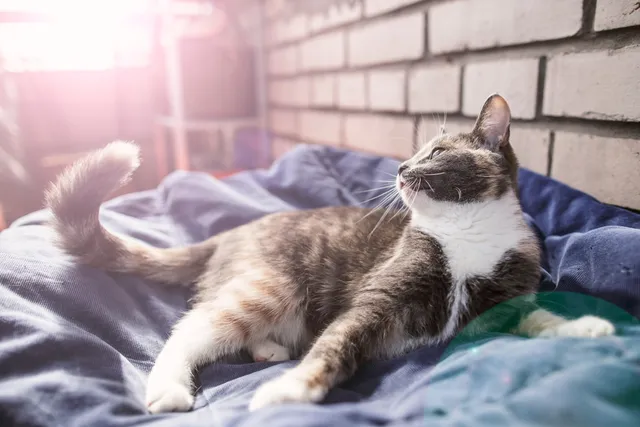
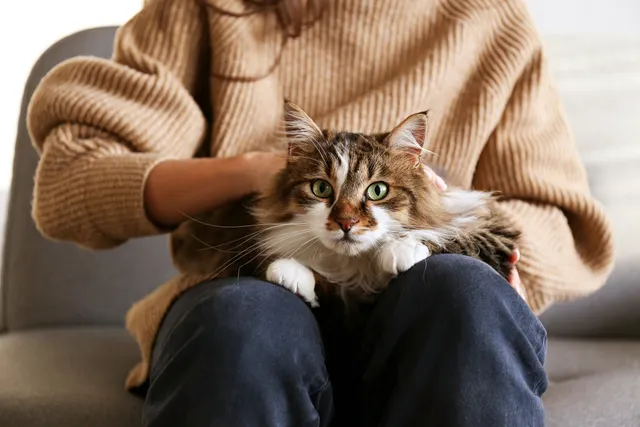
Cats confident in their surroundings and warmed up to their new home will begin to display relaxed body language. They won’t creep around the outside of rooms and may lounge around in the open. Cats will also begin to seek out attention at a normal frequency—unlike the clinginess that is sometimes apparent in anxious cats.
What counts as “normal” body language varies from cat to cat. Some are simply more uptight than others, but that doesn’t necessarily mean they are not adjusting. If you don’t know your cat’s normal, it can be difficult to gauge whether your cat is acting normal.
Generally, if your cat is acting more laidback than they were previously, they are starting to adjust.
Curiosity
When cats feel comfortable in their surroundings, they may begin exploring them. Anxious cats typically won’t partake in curious behaviors. Therefore, if you notice your cat getting out of their comfort zone and exploring, they are likely adjusting to their new surroundings.

Play
Anxious and uptight cats rarely play. Instead, they spend much of their time hiding and avoiding potential predators. When cats are comfortable in their surroundings, they will begin to play and goof off.
However, this isn’t necessarily a revealing behavior. In some cases, very active cats may play even when they are stressed. It just depends on the cat.
Fewer Meows
Cats that are anxious tend to meow more often and louder. On the other hand, cats that are less anxious will not vocalize as much. Therefore, if your cat stops meowing at two in the morning, it is likely that they are starting to get used to their home.
With that said, some cats are simply more vocal than others. For instance, Siamese cats are noisier than most other cats out there. Therefore, if your cat is simply louder, that doesn’t necessarily mean that they are anxious.

Fewer Behavioral Problems
Anxious cats often exhibit a variety of behavioral problems. Many of them may inappropriately mark around the home, for instance. Others may scratch your furniture or yowl in the middle of the night. Either way, these behaviors are driven by anxiety. Therefore, once the cat adjusts to the home, they typically stop.
Many cats suddenly act out when they are stressed, so it is important that you are patient with them during this time.

How to Help a Cat Adjust to a New Home
Whether you’re adopting a new cat or moving homes with your current cat, there are several things you can do to make the adjustment a bit easier. Keep in mind that there is no way to completely avoid the adjustment. However, you can help ease it a bit.
Provide Stability
While it may seem difficult to provide stability while you’re introducing a new cat into the home, try to keep things as stable as possible after the cat has moved in. Now is not the time to take a vacation and get a pet sitter. Keep a routine as much as possible for the first few weeks at least.
Your cat will learn to depend on the sameness in their environment. Provide them with enough stability to latch onto so that they feel more confident.

Provide Hiding Spots
Cats typically hide when they are anxious. You should allow them to do this readily, as it makes them feel more secure. Never force a cat to come out of hiding and explore.
You should also provide plenty of hiding spots for them to use. Now is a good time to introduce a cat tower for them to climb and hide in. Many cats will still prefer to hide under beds, but it is always best to give them some options.

Slowly Introduce New Things
Preferably, you should start your cat out at one end of the house. You may not want to introduce them to your other pets right away, either. Instead, slowly introduce new things so that they do not get overwhelmed. It is best if they become comfortable in one room, as this allows them to return to that room whenever they are feeling anxious.

Conclusion
Cats take a bit to get used to their new home, whether they are being adopted by a completely new family or moving homes with their current family. Either way, we highly recommend that you provide your cat with plenty of time to adjust and be patient during these first few weeks.
Usually, cats adjust to their new home in a matter of a week or so. However, all cats are different, so this period may vary widely. There are many variables involved, and a cat’s personality will have a huge effect on how long this process takes.
Luckily, there are a lot of things you can do to make it go a bit faster. For instance, you can provide them with plenty of space and slowly introduce them to the home. Put off introducing them to your other pets until they’re comfortable.
Sources
Featured Image Credit: Kolomenskaya Kseniya, Shutterstock
Expert cat care, straight to your inbox
News, insights, and useful advice, delivered to you.

No spam — unsubscribe anytime.
By signing up, you agree to our Terms & Conditions and Privacy & Cookies Policy.
How useful was this post?
Click a star to rate. You can leave written feedback afterwards. (We read all feedback.)
Kristin is passionate about helping pet parents create a fulfilling life with their pets by informing them on the latest scientific research and helping them choose the best products for their pets. She currently resides in Tennessee with four dogs, three cats, two fish, and a lizard, though she has dreams of owning chickens one-day!