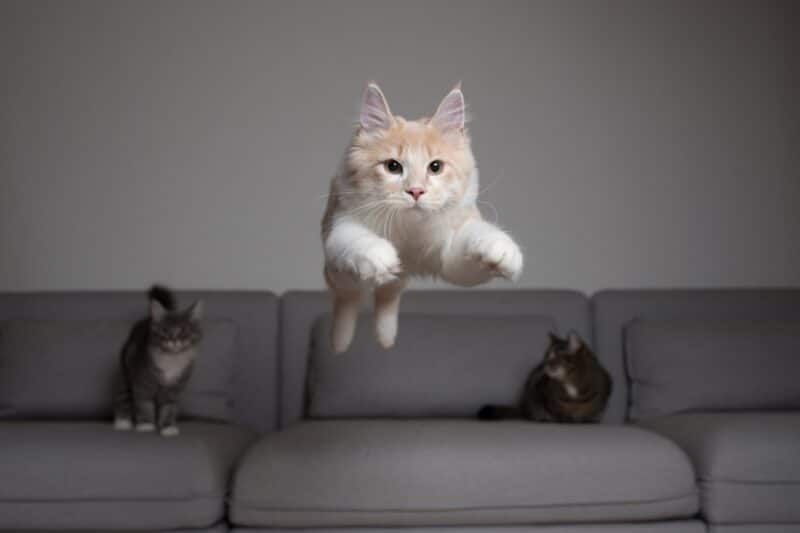
Why Do Cats Trill When They Jump? 4 Vet-Reviewed Reasons


In this article
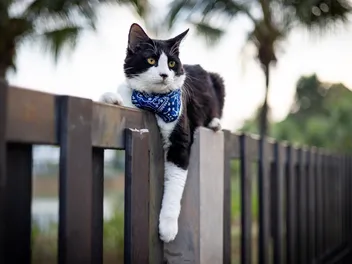
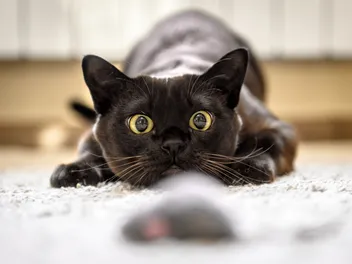
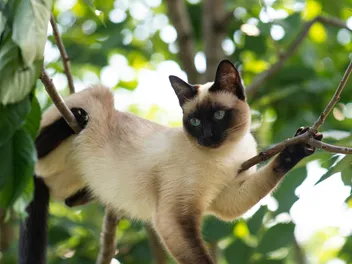
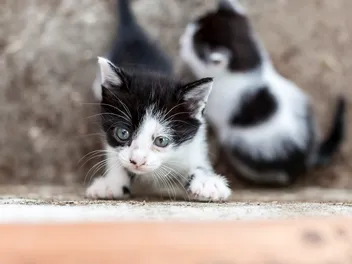
In the wild, cats remain fairly silent. Their purrs, hisses, growls, and yowls are mainly for communication, not something they do casually as they go about their day. So, why do our domestic kitties get so vocal when they jump?
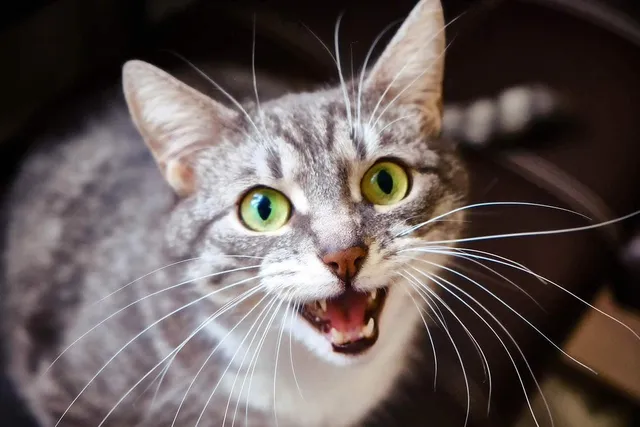
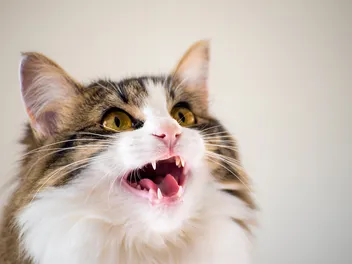
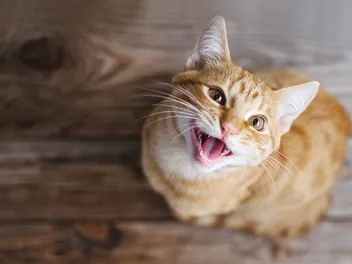
When a cat is pleased and cheerful, they will typically make chirrups and squeaky little trills. Cats often trill before they jump because they want to express something to you by doing so. Meowing, trilling, and growling are a part of a cat’s language. They use these noises to communicate with other humans and other animals.
Let's look at the common reasons that they may do this specifically when they jump across the room.

The 4 Reasons Why Cats Trill When They Jump
1. Commanding Attention
The act of trilling before actually jumping can be more than just a greeting; it can also be your cat’s way of attracting your or other household members' attention. If you appear too preoccupied with studying to notice your furry buddy alone in the living room, your cat may let you know.
Your cat may abruptly leap from somewhere in front of you after a slight trill at this stage. The seemingly random trill is intended to alert you to the fact that you're not giving them the attention they deserve at the moment—as if to say, “I’m here, notice me."
2. Exaggerated Greeting
Sometimes your cat may simply be excited to see you, and as a result will jump across the furniture, alerting you when doing so. This is an especially common greeting with cats who are young or who are happy with their home life. It's not really considered a bad thing, but more of an interesting and adorable benefit of a feline friend.

3. Satisfaction or Motivation
Cats aren’t the only ones that do this; people do as well. Can you recall sighing while kickboxing, taking a huge step forward, or jumping high? Cats gain confidence and inspire themselves by trilling before they jump.
This, understandably, may motivate them to leap higher, faster, and more accurately since they could be confronted with a new challenge. Think of a basketball player doing a slam dunk or yourself when you do air pumps after you get a raise at work or an "A" on a test.
4. Fear
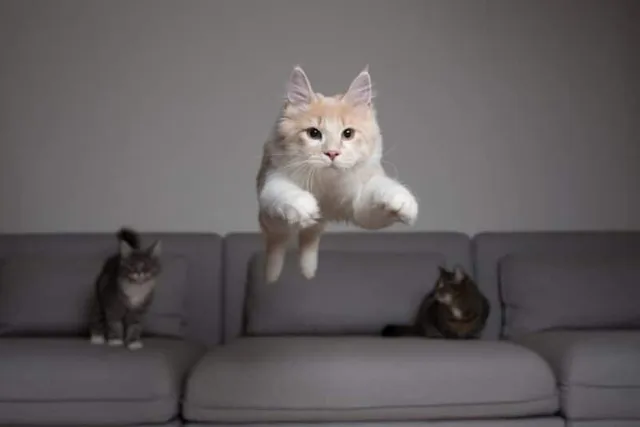
Believe it or not, cats may also struggle when they take leaps and underestimate the difference between where they are and where they plan on landing. This may result in them taking a slight tumble. You may notice the cat making this unusual sound while mid-flight or as they tumble to this floor, though they may recover pretty quickly from the fall.
If your cat doesn't recover quickly, it's best to give them a good look over to ensure that they haven't injured themselves. Also, don't be surprised if your cat immediately tries the same jump right after falling into the floor. In many ways, cats act like children; sometimes it's not what you can teach them, but more of what they have to figure out for themselves.


The 6 Reasons Why Cats Jump to and From Furniture
1. It’s a Sign of Happiness
Cats are very expressive animals, and those expressions are visible in the face, the tail, and the body. When your kitty jumps around like a pogo stick, they’re showing their delight. Maybe they’ve found a new toy or discovered a way to get up to that high shelf you’ve always told them was off-limits. Whatever the reason, cats are happy when they make noise when they jump.
2. It Can Be a Declaration of Territory
We’ve all seen pictures of cats marking their territory by spraying their scent on surfaces or making a pile of sand. Equally, we’ve seen a cat scratch up furniture or mats.
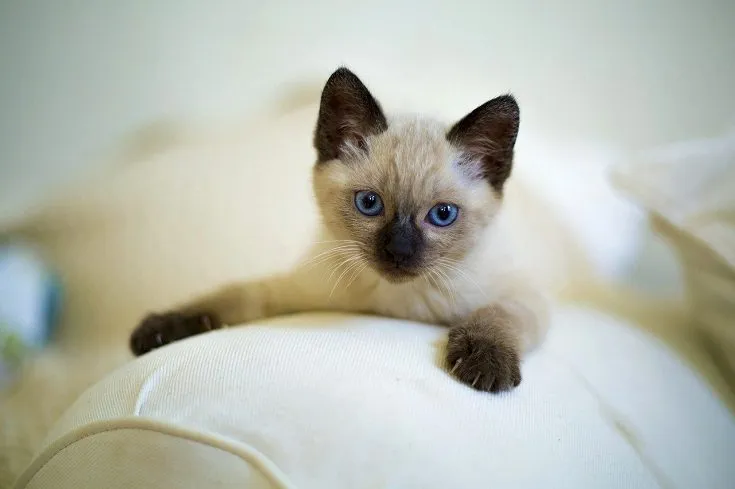
When cats jump in high places, they’re not only playing (or hunting prey), but they’re also marking their territories. They’re letting other cats and animals know that they’re in charge. Jumping on tables, counters or high bookshelves is similar to spraying their scent or scratching on a surface.
3. It Helps Them Gauge Distance
Cats are very curious creatures. When they jump, they’re not only playing or marking their territory, but they also want to know how far they can jump. If your cat has a high perch, they might gaze out the window from time to time. One reason that cats jump is to gauge the distance they need to jump down to get to that window.
Yes, cats have a very good sense of balance and can judge distances, but there’s no way they can tell how high the window is or exactly how far they have to jump to get there. By jumping up and down from their perch, they can gauge the distance and depth they need to jump to get to the window.

4. They’re Warming Up Their Muscles
Cats are very agile animals, and jumping is a big part of their hunting routine. When cats jump up high, they’re warming up their muscles not only for hunting but also for landing. When cats land, they can’t just drop down to the ground, instead, they have to control their fall and even their landing position.
When cats jump from higher places, they’re preparing for that landing position. By jumping from high places, they’re able to adjust their balance and land in a crouched position.
5. They Practicing Hunting and Killing Prey
Cats are carnivores, and they are hunters by nature. They are also very patient and cunning creatures, and they can easily wait for hours for their prey to get close enough for the kill. Jumping from high places is an important part of the hunting ritual for cats.
When felines jump from high places, they are simulating the movements and the jumps they make when hunting prey. This helps them to hone their hunting skills.

6. They Do It in Self-Defense
Cats can be very territorial, and if a larger animal (perhaps a dog) comes into the vicinity where your kitty is, they may feel the need to defend themselves. One way they do this is by jumping. Cats can jump high in the air, and if they are on a high perch or other high place, they can leap down and attack any potential threat. Because they are lighter than most dogs, they can leap down on the dog with great force and cause them pain and even injury.
Final Thoughts
To many cat owners, it may seem like cats can make any sound, and sometimes the meaning is beyond us. Some cats are extremely vocal creatures and generally use a variety of sounds to communicate with others, both human and otherwise. The most popular sounds that cats make include trilling, purring, hissing, and caterwauling.
However, when they’re happy and in a "jumpy" mood, they may make more noise. Cats may call out to their owners or other cats (even if they’re not in the room). It may be just a short chirp or a full-blown meow, and it doesn’t matter; as long as it’s coming from your cat, it usually means they’re happy.
Sources
Featured Image Credit: Nils Jacobi, Shutterstock
Expert cat care, straight to your inbox
News, insights, and useful advice, delivered to you.

No spam — unsubscribe anytime.
By signing up, you agree to our Terms & Conditions and Privacy & Cookies Policy.
How useful was this post?
Click a star to rate. You can leave written feedback afterwards. (We read all feedback.)
Christian started writing for a local newspaper as a teenager, and he's been involved in the publishing industry for most of his adult life. Combining his love of writing with a passion for animals, he is currently the Director of Editorial at Pangolia and the Editor-in-Chief at Catster.
Christian lives in the Philippines with his wife, son, and four rescue cats: Trixie, Chloe, Sparky, and Chopper.