Why Do Cats Love The “Pspsps” Sound? 4 Vet-Verified Interesting Reasons


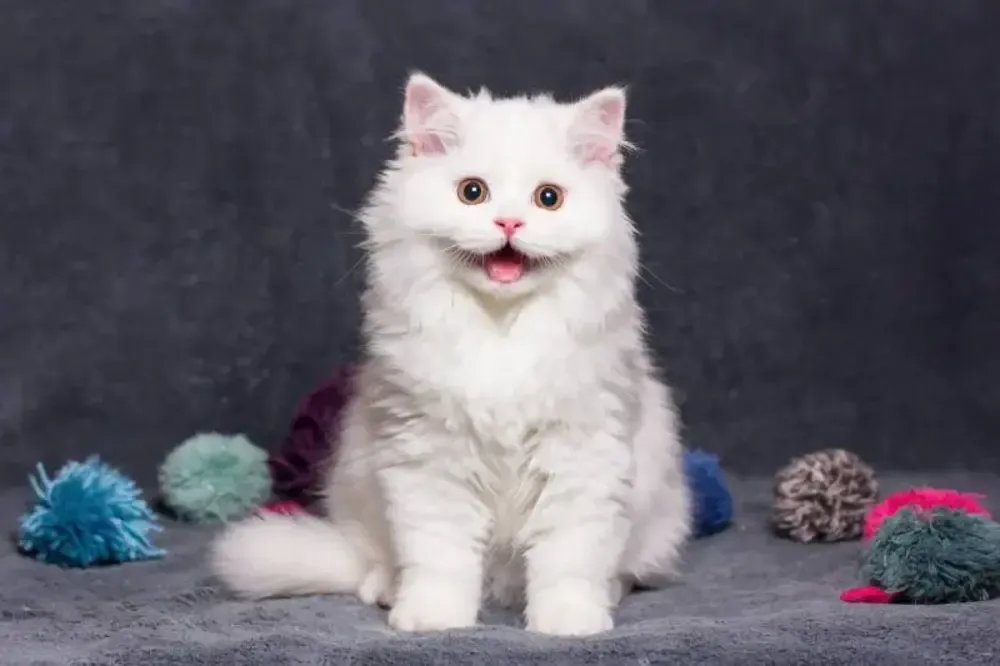
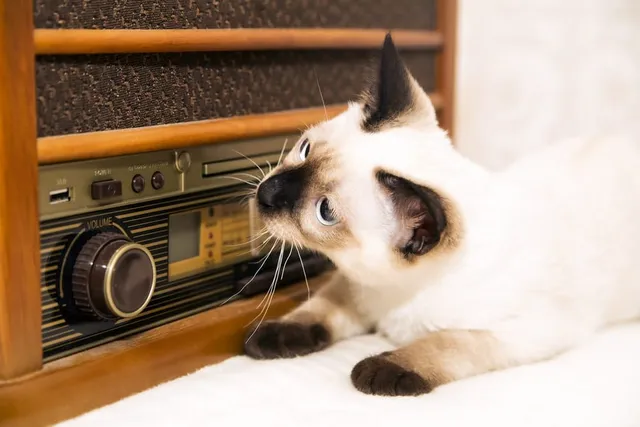
Cats have astounding hearing, with most able to hear frequencies we humans can only imagine. They have 32 ear muscles that allow them to move their ears 180 degrees to locate sounds precisely. And they can even control each ear independently to gather information to create precise sound images. But as any human cat companion can attest, feline hearing is stunningly selective.
While we know from studies that cats recognize their names, even the most bonded and loving cat will often ignore the entire situation when called by name. But many human cat companions have found their pets love the "pspsps" sound, giving them a reliable way of getting their buddy's attention. Of course, not all cats will respond to ‘pspsps,’ and that’s perfectly normal—each cat’s sensitivity and associations with certain sounds are unique. Read on for four interesting reasons cats love the "pspsps" sound.

The 4 Reasons Why Cats Love The "Pspsps" Sound
1. It Appeals to One of Their Strongest Senses
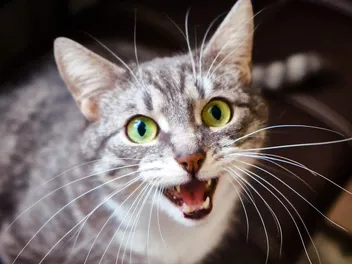
Cats have amazing ears and use them for far more than humans do. Cats can hear at the same frequencies as humans, but their range extends higher. They can hear sounds from almost four times farther away than humans can. They also have fantastic pitch and tone differentiation and can locate sounds within inches at distances of up to 3 feet away.
Even the shape of those adorable outer ears, or pinnae, gives cats an edge in the hearing department, as the cone-like shape amplifies sounds. Cats often rely on hearing when locating faraway prey as they don't have great up-close vision. The “pspsps” sound is unique in a home setting, and your cat may respond to it quickly, even if it is half asleep.

2. It Reminds Them of Nature
Cats may be particularly interested in the "pspsps" sound because it reminds them of the scurrying noises made by mice and other small critters in the wild. Cats have powerful hunting instincts and are often stimulated by sounds and movements that remind them of prey.
The "pspsps" sound could be triggering your pet's hunting instinct, causing them to at least look your way before deciding to ignore you further. It could also simply be interesting to cats because it mirrors natural sounds like rustling leaves and buzzing insects.
These natural sounds may be particularly interesting to cats that live mostly indoors, motivating them to at least take a second look to determine if there's something worth getting up and checking out.
3. You May Positively Reinforce the Behavior
Most cats learn quite quickly and are creatures of habit. Training cats using positive reinforcement with treats and lots of love is usually easy. You may have inadvertently trained your cat to respond to the "pspsps" noise simply by repeatedly responding positively enough times to your buddy's natural inclinations.
To get your cat to respond in the same way when their name is called, use the same positive techniques. Call your cat's name and give them treats and lots of love when they respond. Start with simple goals such as having your cat simply look up and acknowledge you and the treat when you say their name. Increase the distance between you and your pet over time until they essentially come to you when called.

4. The S Sound Grabs their Attention
The S, TS, and C sounds have particularly high pitches, and cats can hear higher pitches than humans. These sounds may be the closest humans can come to rodents' high-pitched squeaks. Cats appear to respond in much the same way to sounds such as "pspsps" and "ksksksks," suggesting they may be triggered explicitly by something in the ps/ks sound. Cats may also respond to the sound because it's often abrupt, standing out from other everyday indoor environmental noises.

Conclusion
While cats often have a selective hearing regarding their names, many can't resist the "pspsps" sound. Some humans find it to be an almost guaranteed way to get their cat's attention. Many suggest cats are attracted to the "pspsps" sound because it resembles the noises prey make in the wild, making it virtually impossible for cats to ignore due to their deeply ingrained hunting instincts.
However, it's also possible to train your cat to respond to their name when you call them. You have to be patient and provide treats and encouragement to keep your cat engaged in training, but eventually, your cat will get the hang of it and come when you call them.
Related Read: 10 Sounds Cats Love the Most & Why They Like Them
Featured Image Credit: Sviatoslav Shevchenko, Shutterstock
Expert cat care, straight to your inbox
News, insights, and useful advice, delivered to you.

No spam — unsubscribe anytime.
By signing up, you agree to our Terms & Conditions and Privacy & Cookies Policy.
How useful was this post?
Click a star to rate. You can leave written feedback afterwards. (We read all feedback.)
Lorre Luther is a writer who is firmly convinced that cats are smarter than humans. She left her law career in the United States and moved to the Netherlands to follow her dream of becoming a writer. Lorre currently lives in Rotterdam, she enjoys traveling and greatly appreciates the beauty of nature. Lorre has a spot for animals and admires the intelligence of cats.