How Long Can You Leave a Kitten Home Alone? Vet Approved Tips


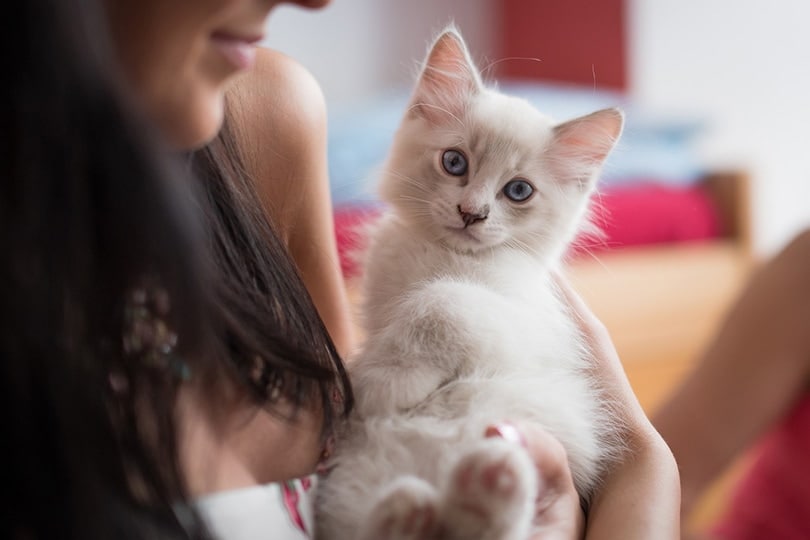
Cats are known for their independence and can stay at home alone for a few hours as long as they have food and water. If you have just brought home a kitten, you may wonder if they will be okay at home alone while you pop out for a lunch date or to see a client. It is safe to leave your kitten at home alone, but only for a maximum of 4 to 6 hours depending on their age.
Kittens require more attention and activity than adults, especially when they are young and adjusting to a new home. Every kitten is one-of-a-kind. However, there are some accepted recommendations for how long you can leave them alone.

Will My Kitten Be Okay While I’m at Work?
The first few weeks are essential for bonding and developing a relationship between you and your kitten. During the first few weeks with a new kitten, you should supervise interactions with other household pets to ensure your pet family adjusts to the new addition. Kittens will need more frequent attention than an adult cat, at least every 2–4 hours, but ideally more, and will generally need to be fed three to four times daily.
A kitten under 4 months should not be left alone for more than 4 hours. Older kittens can be left alone for 6 to 8 hours, which may be an entire day at the office, by the age of 6 months, after a period of adaptation. If you must leave your kitten unsupervised, kitten-proof one room and provide a litter box, food, toys, and fresh water.
If your kitten must be left alone for more than 12 hours, find someone your kitten has already met to check in on them, play with them for a little bit, and replenish their food and water. Having someone check in on them during the day is vital, but as your kitten grows up and develops confidence, you can start leaving them at home for longer periods.
However, spending time with your kitten and getting to know them while having fun by providing physical and mental exercise is crucial for their development. If you struggle for time, travel a lot, or work long hours, your schedule may not be suitable for a kitten.
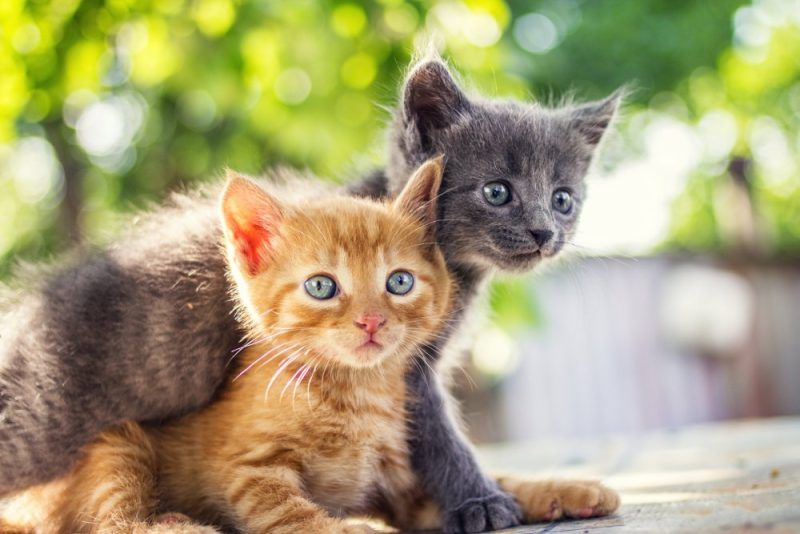
Two kittens may be better than one since they can keep each other company while you are away, and you get to enjoy double the cuddles when you arrive home. In-house baby monitors or cameras may also be a good way to monitor their behavior and make sure they are settled while you are at work or outside.

How Long Is Too Long?
If you've recently adopted a new kitty, they need time at home to get to know you and the family members, learn your schedule, get into a daily routine, and understand which behaviors are acceptable in your home.
Like any other animal, cats require a consistent supply of high-quality food and fresh water, and any pet left alone will require a clean litter box. Your cat will also appreciate play sessions, so leaving toys and scratching posts is a must, but playing with them is also essential. Plus, it’s fun watching them do all the silly things.
Kittens are curious creatures that can put themselves in danger by scratching and pawing at unstable vases or eating dangerous houseplants or their toys, so if you are going to leave your kitten for an extended period, you should always contact a pet sitter or a friend, and make sure your home or their room is pet proof. Adult cats should never be left alone for more than 12 hours without having someone check on them.
It's essential to pay attention to your cat's behavior if you are leaving the house for long periods. Cats are creatures of habit and thrive from routine, and it will be less stressful for your cat if there is a pet sitter to assist and maintain the routine, especially if it’s someone they barely know or don’t know.
Research shows that 64% of cats are securely attached to their owners and show less stress when they are with them. A change in routine frequently triggers or worsens separation anxiety, but most cases of separation anxiety are found in cats that only have one caregiver. Maintaining a consistent routine and not leaving your kitten too long can reduce the chances of them developing separation anxiety.
Do Cats Miss Their Owners?
Cats are known for their aloof personalities, and even though they seem not to care, they notice when you are gone and will miss your attention, especially as kittens when they require more attention. Seeing your kitten meowing louder than usual when you leave the room is a good sign that they miss you.

Can I Send My Kitten to a Cattery?
As long as your kitten has had all of their vaccinations, it is safe to spend time in a cattery if you need to be away for longer periods and a cat sitter or a friend is unavailable. However, your kitten should be at least 6 months old before visiting a cattery or kitty hotel.
If you are going away on vacation, arranging a pet sitter is more suitable, especially if your kitten is younger than 6 months. That way, your kitten’s routine can stay the same; they are in their safe space and can get one-on-one attention. Invite your pet sitter to your home a few days before you leave so your kitten can get used to a new face and scent.
How Can I Keep My Kitten Safe at Home Alone?
Setting up a dedicated kitten space is a great way to keep your kitten busy and distracted while you’re out, and as a bonus, it will keep the mess in one area. Choose a room that is small and easy to clean, such as the laundry room. Make sure there are no hazards, such as cleaning products, detergents, human food leftovers, sharp objects on high shelves, etc.
Fill the room with entertaining toys to keep your kitten busy while you are gone, along with a scratching post, soft bed, clean litter box, water, and food. You can also keep the television on at a low volume for background noise.
To ensure your kitten is safe, check that all electrical cords are out of reach so they are not tempted to play with them. Remove any houseplants and breakable items that your kitten could knock over. Make sure all the windows are closed and latched and any holes are covered up.
A vet is the perfect resource if you're looking for more information on kitten care,
Conclusion
Kittens require much more attention than adult cats, and their owners must be present during the first few months. It is also vital for them to establish a routine and spend time bonding with their new owner.
When your kitten is 4 months or younger, try not to leave them alone for more than 4 hours; however, once they reach about 6 months, they can be left alone for about 6-8 hours, which is usually an average workday. Someone should come in and check on your kitten, and if you need to leave for more than 12 hours, you can arrange a pet sitter.
Sources
Featured Image Credit: Václav Závada, Pixabay

Expert cat care, straight to your inbox
Vet-reviewed advice, behavior tips, and the best of Catster. Free, and you can unsubscribe anytime.
By signing up, you agree to our Terms & Conditions and Privacy & Cookies Policy.
Christian started writing for a local newspaper as a teenager, and he's been involved in the publishing industry for most of his adult life. Combining his love of writing with a passion for animals, he is currently the Director of Editorial at Pangolia and the Editor-in-Chief at Catster.
Christian lives in the Philippines with his wife, son, and four rescue cats: Trixie, Chloe, Sparky, and Chopper.
Join the conversation
Ask a question, share your story, or send private feedback.