How to Get a Cat to Come to You When Called: 7 Vet-Approved Steps


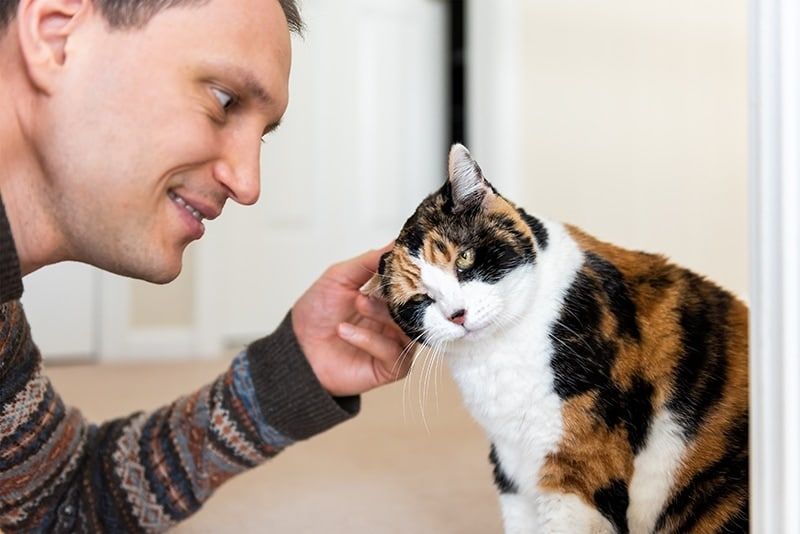
Most people don’t consider cats trainable, but that couldn’t be further from the truth. Cats may not be motivated to train in the same way dogs are, but they can be trained to follow various commands.
There are a few simple commands that every cat should know for safety purposes. “Come” is probably one of the most important. There are many situations where “come” is helpful, such as when it’s mealtime. However, it can also potentially save your cat’s life. When your feline rushes out the front door, the “come” command may be all that’s standing between them coming back or getting lost.
Luckily, training the “come” command is quite simple. There are a few basic steps, and the process is mostly about making it progressively more difficult for your cat. Let’s take a look.

How to Get a Cat to Come to You When Called
1. Get Your Supplies
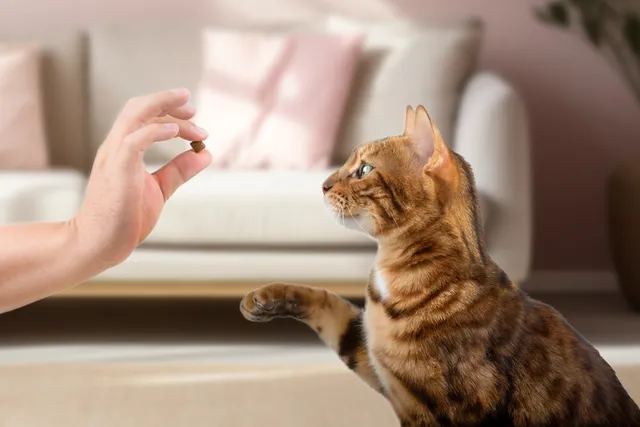
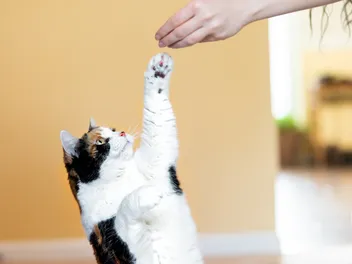
Before you begin, you’ll need one essential supply: a reward. Cats aren’t attention-motivated like some dogs, so they will almost always require a treat of some sort. Some cats may be play-motivated, though. In these cases, a toy may be a suitable reward.
Usually, treats are an easy thing to start with. You should choose a unique, high-value treat for teaching the come command; this is not everyday food. Look for treats that are meat-based or make cat-safe meat to utilize as treats.
2. Establish a Connection between the Reward and Command
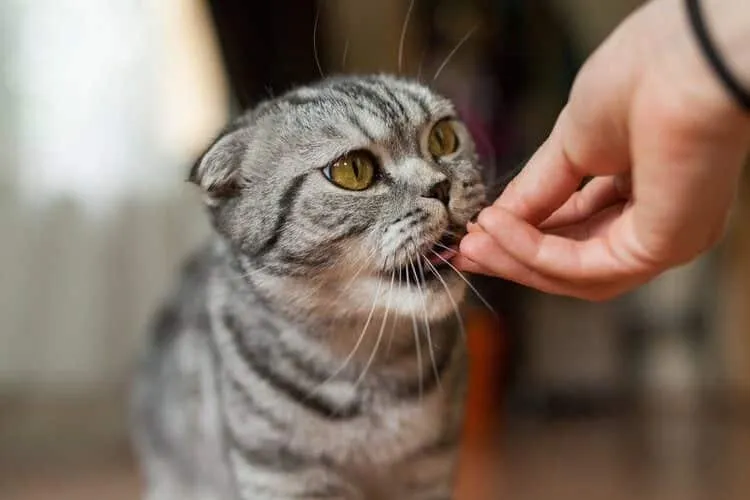
Next, you want your feline to begin associating the command with the reward. This process is straightforward. Get close to your cat, say “come,” and then give them the treat. Your cat doesn’t need to come. We aren’t there yet!
You’re just trying to get your cat to associate the reward with the command.
3. Start Using the Command
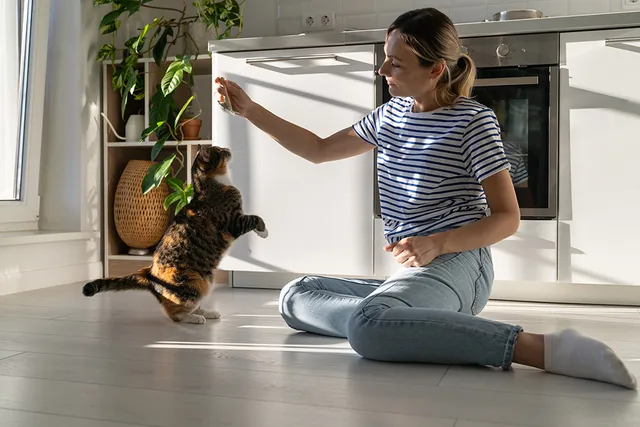
Once your cat has a clear idea that they get a treat when you say “come,” it’s time to start making things a bit more complicated. First, you can start by standing on the other end of the room. Say the “come,” command and potentially even show your feline the treat (if they need the extra encouragement). For cats that haven’t exactly caught on yet, you can crinkle the bag a bit.
Whether you need to add these extra cues, you want your feline to close the distance between you and them. As soon as they do so, give them the treat and plenty of praise. The distance may not be far, but it’s a start.

4. Increase the Distance
Now that your cat has an understanding of how this works, slowly increase the distance. Try a few times at different parts in the same room, then move outside the doorway. Finally, your goal is to be able to call from the other side of the house.
Always set your cat up for success. You don’t want to move to a distance that may have you question your cat’s ability to come to you. If you move too far and your cat doesn’t come, don’t fret. Just move closer, and practice at a safer distance for a bit.
You don’t want to mistake the distance too much, though. If your cat doesn’t come every time they hear the command, they may learn to ignore it, and that’s not something that you want to train them to do.
5. Vary the Location
Up until now, you may have been training your cat mostly in one location. If this is the case, now is the time to vary your location. Go to the bathroom, bedrooms, and any room in your house where your pet is allowed.
A typical training mistake is only training in a single place. Your cat may think that the command is only applicable to the space that you’ve always trained them in. You aren’t going to only need your cat to come into the living room. You’ll probably need your cat to come in a wide variety of distractible situations.

6. Practice with Distractions
Any time you need your cat to come, there will likely be distractions involved. When your cat escapes through the front door, it will not be in a distraction-free area. Therefore, if you want your cat to come when it matters, it is vital to train them with distractions.
You’ll likely need someone else’s help for this task. Call your cat like you usually would, but have your friend produce a distraction. At first, it should be something easy, like your friend “cooking” while you’re calling your cat. Choose a distraction that makes the environment a bit noisier but isn’t something that your cat particularly cares about.
Next, build up to more exciting or strange situations. Move chairs around. Have your friend do jumping jacks. Something that will get your cat’s attention but not necessarily attract them.
Finally, you can pull out the significant distractions. Have your friend throw a toy after you call. Or call your feline while they enjoy attention from someone else. The key is to build up your cat’s ability so they can come in nearly any situation.
7. Wean Your Cat Off of Treats
Until now, we’ve been using treats as a reward. Once your feline is capable of coming to a level that you’re satisfied with, it is time to gradually reduce the treats. You don’t want to ask your cat to do more complex things without the treat reward, so it is best to wait until the very end of their training for this step.
Keep training as you usually do, but only give treats every other time. Offer up praise and plenty of petting instead. Use a variable reinforcement schedule. This means you will give your cat one time two or three treats for coming next time, offer only a pet, then a treat, and be unpredictable. This strengthens the behavior and keeps your cat motivated long-term. Don’t use a toy or something else as a reinforcer. You should use something that you will always have, such as your ability to give your cat attention, while still occasionally offering food reinforcers to maintain reliability.
Your cat may be a bit confused at the beginning, but they shouldn’t stop coming. If they do, you’ve reduced the number of treats too quickly. Go back to giving treats every time, and then reduce the treats slowly.

Essential Tips to Remember
The basic steps have been covered. However, if you’ve never trained a cat before, here are a few tips that you may want to keep in mind.
Always Reward Promptly
We aren’t at the point where you should be weaning out the rewards entirely yet, so be sure that you always reward promptly. Keep using high-value treats that your cat has learned to associate with the command.
Even if your cat doesn’t immediately come, you should offer a treat and plenty of praise. Any progress is progress—move closer next time. Don’t withhold treats because your cat is slow to come. Your cat will likely need a little bit before making the connection, even if they seem to understand. It is better to reward any progress, especially at the beginning.
Use Short Sessions
Don’t try to move from a few feet away to across the house in a few days. Preferably, you want to train your cat for a few minutes multiple times a day.
It is often best to tie the training to something that you already do each day, as it reduces the chance of you forgetting. If you’re using food rewards, right before mealtime may be a suitable opportunity for training.
Start Young
You should always start as young as possible. Just like dogs, cats are more adaptable when they are younger. They have fewer habits that you may need to break, and they are typically more adaptive to training.
If you adopt a kitten, we recommend that you start training immediately. You may not want to start with the “come” command specifically, though it is easy enough for even very young cats to learn.

Don’t Use the Command in Negative Situations
If you can help it, don’t use the command in adverse situations. Your cat will learn to associate that command with the negative ordeal, and they may decide not to respond to it anymore. For instance, don’t tell your cat to come so you can give them their medicine. They may start hiding when you say, “Come.” Find them instead.
Of course, in certain situations, this isn’t possible. If it is an emergency, you shouldn’t avoid using the “come” command. After all, that’s why you taught it to them! Just don’t make it a habit, and be sure to maintain the value if the behavior with plenty of treats offered unpredictably to keep the training strong and positive.
Practice Outside
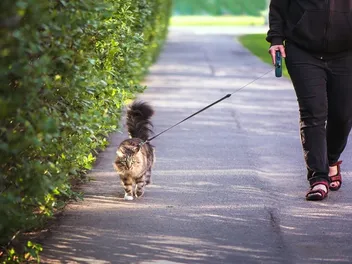
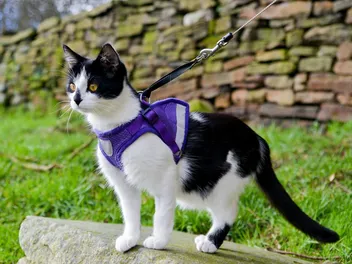
Once your cat is leash-trained, you should practice outside as well. In many cases, you’ll need your cat to come after they’ve bolted out the door. If your cat has never practiced coming in from outside, they may not respond reliably, which makes the command useless.
You should only attempt this after your cat is leash-trained, though. Otherwise, they’ll probably be far too upset about the leash to listen. Once they’re up and walking around normally, you shouldn’t have a problem teaching your cat the “come” command outside as well. Always practice in a secure outdoor environment, such as on a leash and harness, in a cat-safe enclosure, or in a fenced yard to keep your cat safe. Be sure you practice in various outside situations. Practice in your front yard during the quiet afternoon hours and in the morning during rush hour.
Try practicing with distractions outside as well. Your goal is to get your cat to respond to you even when they have many reasons not to.

Conclusion
While most people do not train their feline, it can be the difference between your cat calmly trotting back into the house or taking off out of sight. “Come” can be a genuinely life-saving command. It can pull your cat out of dangerous situations when running after your feline would probably prompt them to go farther away.
Luckily, teaching this command is relatively easy. It involves many small steps, but none of them are complicated. If you have ever trained a dog, you will likely recognize the training procedure. You can train both pets quite similarly.
You can start teaching this command to newly adopted kittens, though older cats can learn it as well. We recommend that anyone with a cat utilize this command because it can be helpful in dangerous situations.
Featured Image Credit: Kristi Blokhin, Shutterstock

Expert cat care, straight to your inbox
Vet-reviewed advice, behavior tips, and the best of Catster. Free, and you can unsubscribe anytime.
By signing up, you agree to our Terms & Conditions and Privacy & Cookies Policy.
Kristin is passionate about helping pet parents create a fulfilling life with their pets by informing them on the latest scientific research and helping them choose the best products for their pets. She currently resides in Tennessee with four dogs, three cats, two fish, and a lizard, though she has dreams of owning chickens one-day!
Join the conversation
Ask a question, share your story, or send private feedback.