Get

In Your Inbox

Catster is reader-supported. When you buy via links on our site, we may earn an affiliate commission at no cost to you. Learn more.

Why Do Cats Like Crinkly Things? 5 Possible Reasons & Risks


Share

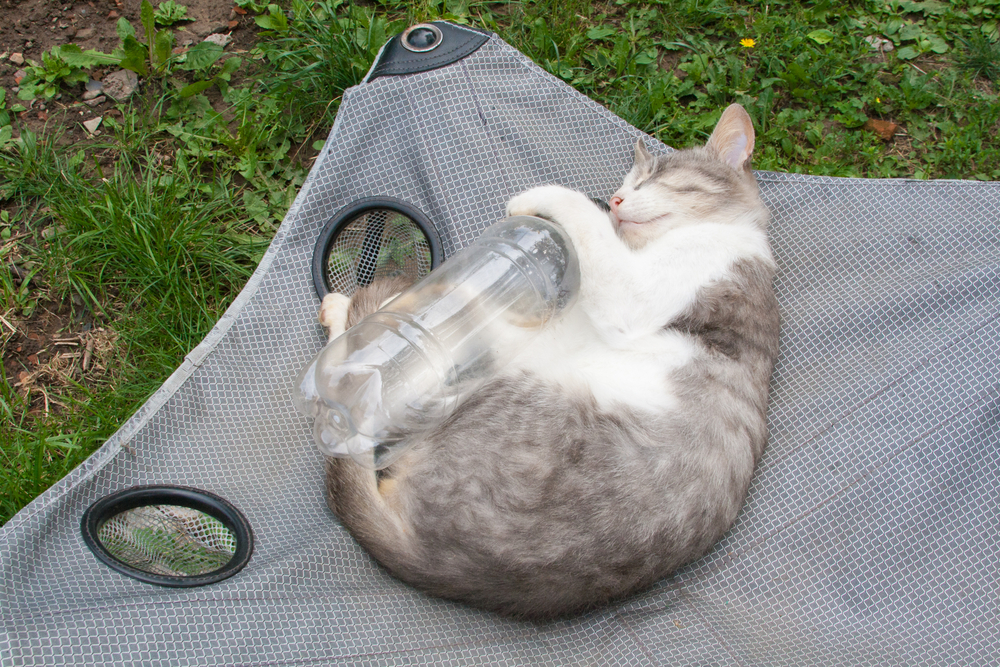
Cute cat on outdoor chair playing with empty plastic water bottle

Cats are intrigued by objects that make a crisp, crackling sound. Something about their curious personalities makes the compelling sound of a crinkly toy irresistible, much like how they’ll clamor to the chime of a bell. But why, out of all the things your cat could possibly be enamored with, do they come to the tin of rumpled plastic? While we can’t fully explain your cat’s mysterious ways, here are five possible reasons why cats like crinkly things.

divider 2 cats

The 5 Reasons Why Cats Like Crinkly Things

1. Unusual Sound

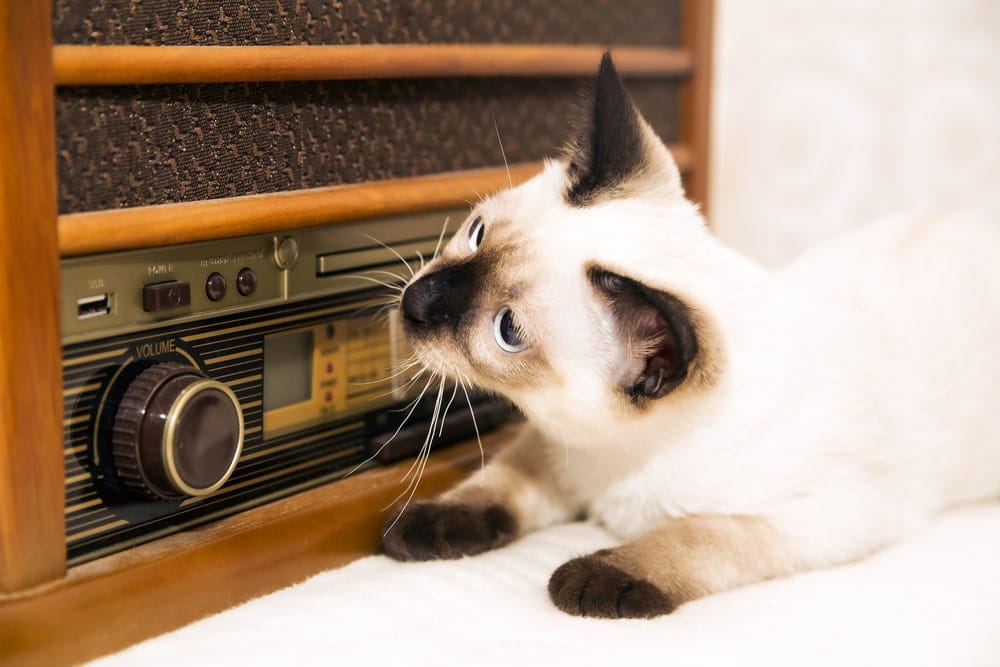
Your feline’s ears are tuned into the world around them. Cats can hear as high as 85,000 Hz, which is about three times as much as we can hear. They can notice every slight movement of the breeze blowing outside and often respond to noises we can’t even detect. The crinkly toy intrigues them because it’s a distinct sound. Interestingly, some cats detest the sound of aluminum foil. Although it sounds similar to our ears, it’s a much higher pitch that may hurt their ears.


2. Crinkly Noises Can Mimic Natural Prey

The crackle of a crinkle toy may resemble the chirps of mice and crickets. Crinkle toys may trigger your cat’s predator instinct, even if they’ve never gone outside.

Burmese cat face before pounce hunting to toy mouse at home
Image Credit: Viacheslav Lopatin, Shutterstock

3. They Know It Means Food

Does your cat’s favorite treat arrive in a flashy plastic bag that makes noise? Cats are clever creatures who make quick associations. If they mostly hear the noise whenever they’re about to be fed, they’ll come running to see if they can score a snack. In fact, even if you don’t give it much thought, you may have a similar reaction when you hear someone opening a bag of chips.


4. Cats Crave Attention

Crinkly toys can be very loud. If you’ve been distracted by your cat and there are no vases nearby, they might try to make as much noise as possible to draw your attention.


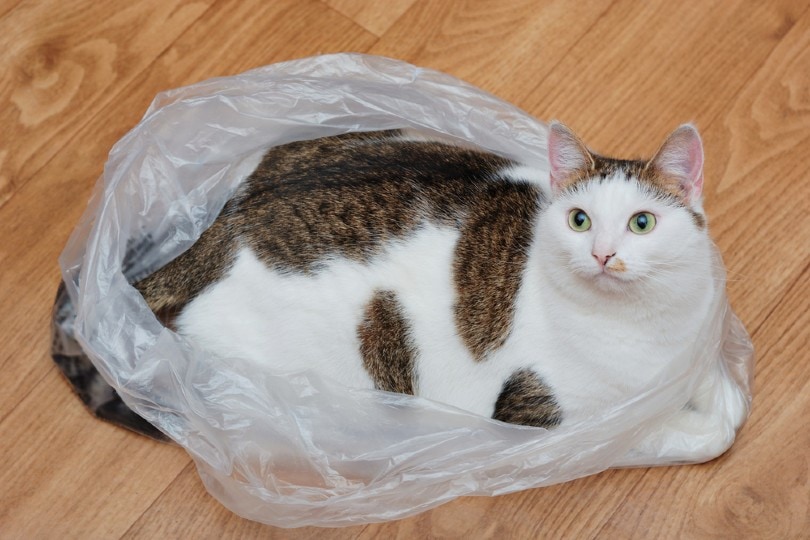
5. Some Cats Have a Strange Attraction to Plastic

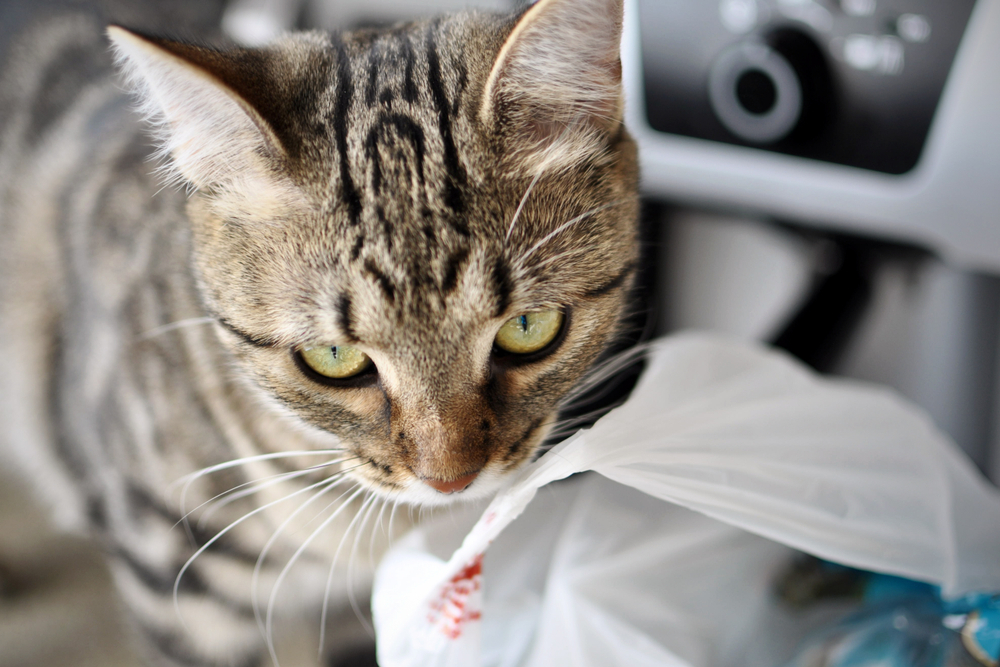
For reasons unknown, some cats have a knack for chewing on plastic. Whether they’re attracted to the crinkly sound or the interesting texture, we’ll never know. Please make sure your cat isn’t actually ingesting the plastic because that can cause an intestinal blockage.

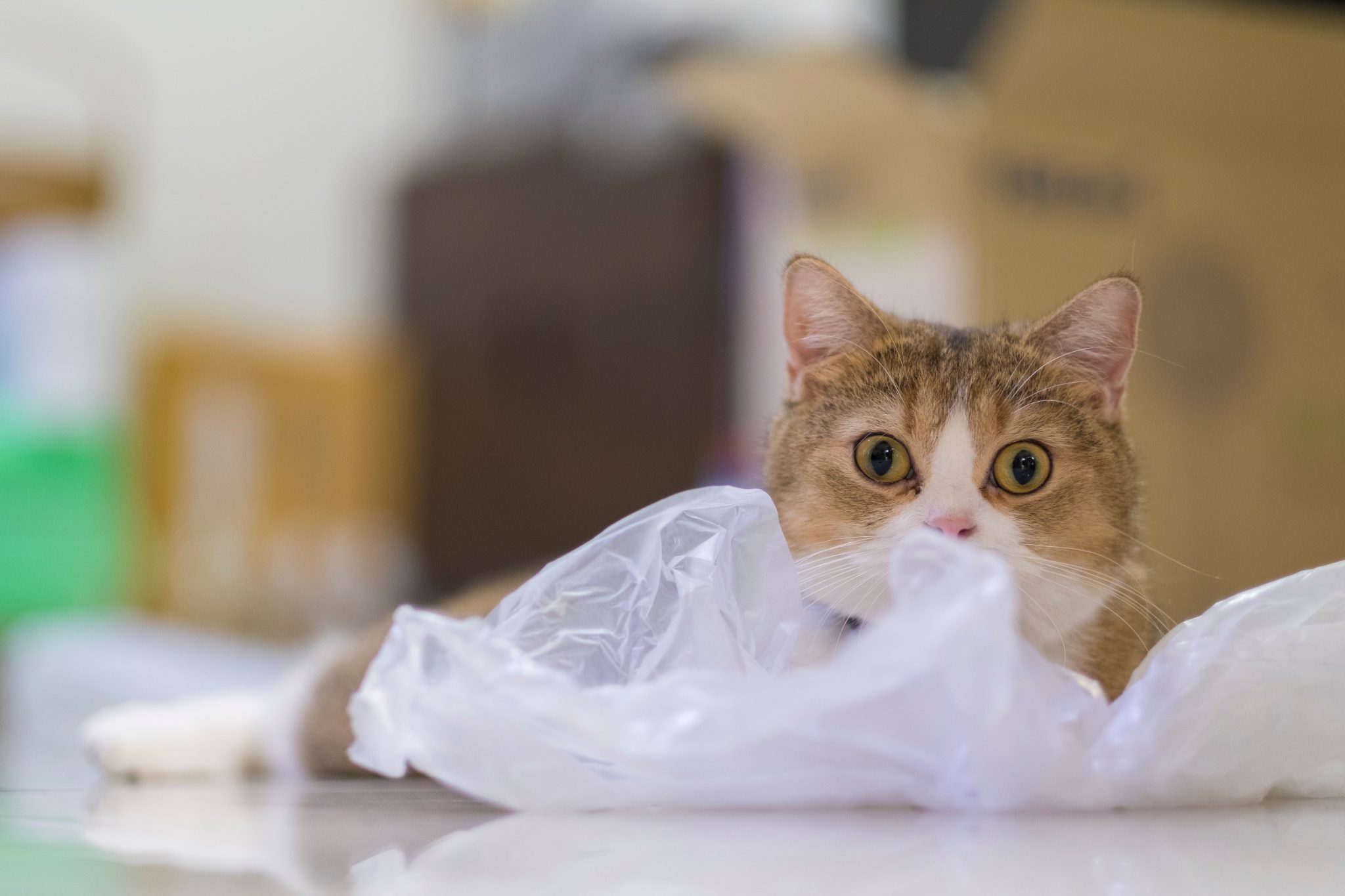
British Shorthair Cat sitting on a plastic bag
Image By: Takerisks, Shutterstock

divider 1 paws

Are Crinkly Toys Safe for Cats?

You know your cat and their capabilities for destruction, so just because a toy is marked for cats doesn’t mean it’s safe for your kitty. In general, crinkly toys are usually safe so long as they don’t have any dangling pieces that are easy to break off and swallow, such as yarn or tinsel. You’ll need to inspect the crinkle toy periodically, however, to make sure they haven’t pierced through the lining because they don’t need to eat the crinkle foil inside.

If you’re craft-savvy, you might want to make your cat a DIY crinkle tunnel. They can crawl through or wrestle with the soft collapsible walls as they engage with the crackling sound they love.

divider 2 cats

Conclusion

Whatever the answer may be as to why cats likes crinkly sounds, it seems to be a natural response that’s almost universal. While most crinkle toys are considered safe, make sure that your cat doesn’t eat any of the crinkle foil or plastic of any sort since that can cause a dangerous GI obstruction.


Featured Image Credit: TalyaPhoto, Shutterstock

Want content like this delivered to you?

Sign Up For Our Newsletter

News, insights, expert advice, and everything cat

* By submitting, you agree to our Terms & Conditions and Privacy & Cookies Policy.


How useful was this post?

Click on a star to rate (you can leave written feedback after clicking submit)

Help us improve Catster for pet parents!

Your feedback really matters.

What did you like about this post? Also how can we improve it?

Join the conversation

Leave a Reply

You’re very welcome to leave a comment or question. Please know that all comments must meet our community guidelines, and your email address will NOT be published. Let’s have a positive and constructive conversation.


Catster's Digital Magazine is Back!

Vet-approved health & behavior advice

Real cat stories & community features

Chatting About Essential Oils, Homemade Cat Food & The Color of Butter | Chatty Cattys, Episode 27

In this episode of Catster’s Chatty Cattys podcast, Nicole and Dr. Karyn tackle crucial household safety warnings and the ever-evolving world of pet...

What Normal Aging Looks Like in Cats and When You Should Worry

These days, cats can live anywhere from 13 to 17 years on average, with some making it well into their 20s. That is...

The Purr-suit of Happiness: A New Way to Measure Feline Quality of Life

How can you tell if your cat is truly thriving? It’s a question that every pet parent has probably wondered at some point....

Ask Dr. Paola – Help! How Much Pee Is Too Much Pee? (July 13, 2026)

Welcome to our “Ask Dr. Paola” series, where every Monday we bring expert advice straight from Dr. Paola Cuevas (MVZ) to help our...

More related

Can Cats Eat Aloe? Vet-Approved Safety Guidelines

If you have a garden full of aloe and a cat, you know it’s only a matter of time before you have a...

5 Homemade Cat Food Recipes (Vet Approved)

If you’re worried about what goes into your cat’s food, making it yourself can seem like the perfect solution. However, creating a nutritionally...

Ragdoll Cat Breed: Info, Pictures, Temperament & More

Ragdoll cats are most known for their tendency to “flop” when picked up (hence their name). They’re also rather large cats with exceptionally...

How to Keep a House Clean With Cats: 7 Expert Tips

Cats are lovely creatures, but with all that amazing feline love and companionship come a few responsibilities, such as feeding them, playing with...

Keep reading

Do Cats Lose Teeth as They Get Older? Vet-Reviewed Dental Facts & Tips

Is it normal for our feline companions to lose teeth when they get older? While some cats will lose teeth as they age, it’s definitely not considered normal. The most common reason for cats to lose a tooth is dental...

veterinarian checks mouth of the maine coon cat

How Do I Calm a Feral Cat? 5 Steps That Can Help

Have you ever interacted with a feral cat? “Interacted with” might not be the right wording, as feral cats will often not let you get close to them, let alone let you touch them. In fact, a feral cat might...

two feral cats

Can Cats Eat Turkey? Vet-Reviewed Nutrition Facts & FAQ

Turkey is often touted as a fantastic low-fat protein source for people. It’s tasty and packed with nutrients, including magnesium, potassium, and tons of B vitamins. But is it safe for cats to eat? Turkey is safe for cats to...

Can Cats Eat Turkey

Do Cats Protect Their Owners? Vet-Verified Facts & Signs

When we think of protective pets, we tend to think of dogs. However, cats may exhibit behaviors that appear protective when they perceive a threat to themselves or their family. While their small size typically means they rely more on...

Abyssinian cat on a man's shoulder

9 Best Shampoos for Sphynx Cats in 2026 – Reviews & Top Picks

Bathing your Sphinx is probably not on your list of favorite activities, but it helps keep your cat’s skin hydrated and healthy. Without a bushy protective layer of fur, Sphinx cats are more vulnerable to skin conditions. Hundreds of shampoos...

Sphynx Kittens

How Many Bones Do Cats Have? Vet-Approved Feline Anatomy Explanation (With Infographic)

Your average house cat has around 230 bones in their body. That’s quite a few more than the 206 bones in a human’s body! Felines have some interesting adaptations related to their skeletons. For example, cats have a flexible spine...

brown black tabby maine coon cat

What Causes Chronic Diarrhea in Rescue Cats? 8 Vet-Verified Causes & Solutions

Rescue cats can make a wonderful addition to your family, because they are the most in need and often return the favor by being extremely friendly and affectionate toward their new owners. However, they can come with some baggage. Some...

cat in blue plastic litter box

Do Cats Like the Scent of Lemon? Vet Reviewed Facts

Cats are known for their curious nature and love of exploring new things. But get them around citrus fruits like lemon, and you may be surprised by their reaction. Cats do not like the scent of lemon, and the smell...

fresh lemons in the bowl and on the wooden table

Love Cats? So Do We! Join the Catster Community

Stay informed with expert pet care insights delivered straight to your inbox! Discover professional guidance on animal behavior, feeding tips, trusted product picks, and much more.


Sign up for the Catster Email Newsletter

Stay informed with expert pet care insights delivered straight to your inbox! Discover professional guidance on animal behavior, feeding tips, trusted product picks, and much more.