How To Keep Feral Cats Cool in The Summer: 5 Tips & Tricks


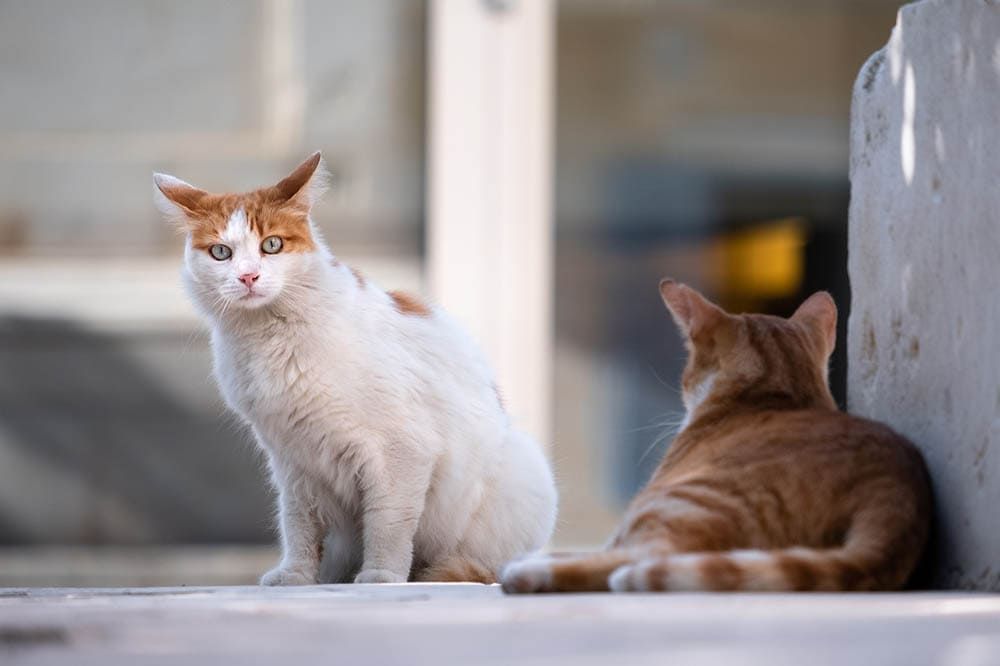
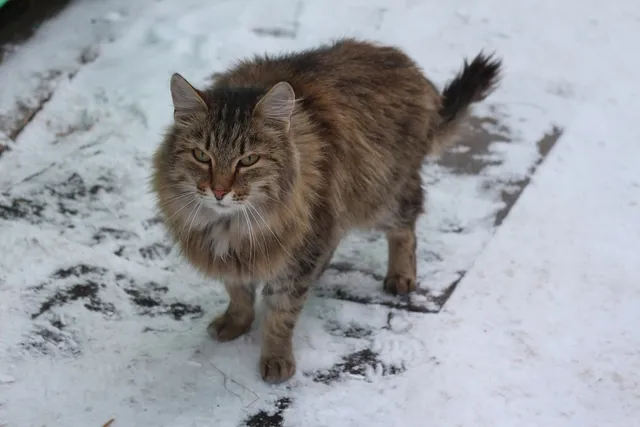
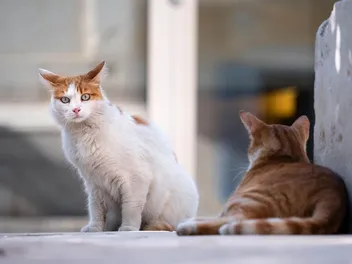
During the extreme summer heat, stray and feral cats suffer greatly to find appropriate shelter and a fresh water source. Many animals suffer from heat exhaustion and even die of heat stroke during the hottest summer days, so when we go out of our way to make minor changes, we can help save dozens of lives.
Ensuring feral, stray, and pet cats are neutered is the most important and only way to effectively stop their suffering. There are many ways we can help the local stray and feral cats stay safe during summer, so make sure to read some of the most valuable tips below.

The 5 Tips to Keep Feral Cats Cool in the Summer
1. Provide Fresh Water Twice a Day
The best way you can help feral and stray cats deal with summer heat is to provide a constant water source. During heat and drought, most stray animals fight to find a fresh water source, so putting out water twice daily can ensure many cats stay hydrated. In this case, the best water bowl to use is a deep and narrow one, which will slow the evaporation. Since water evaporates quickly in high heat, keep the bowl away from direct sunlight.
2. Leave Out Food Whenever You Can
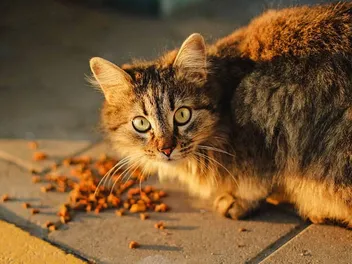
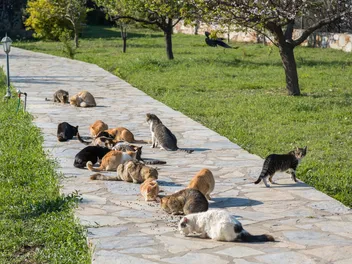
Another excellent tip that can significantly improve life out on the streets for cats includes a reliable food source. Whenever you can, leave out food for feral and stray cats so that they don’t have to spend a whole day searching for something to eat. To make it easier, you can create a DIY feeding station in your neighborhood, where cats will remember to come by and find food occasionally. To make this even more effective, invite your friends and family to participate whenever possible and contribute to feeding your local furry friends. However, please remember that before feeding cats in the street, it is important to ensure they are desexed, otherwise we will be only perpetuating their suffering with litters of kittens reproducing exponentially.

3. Create a Cool and Shady Spot
When the summer heat is unbearable, and all we want is to hide in our cool homes, imagine the feral and stray animals which don’t have a proper shelter. You can help your local feral cats in many ways, and the most significant help you can provide is a nice and shady spot to hide from the sunlight. Notice where the local feral cats hang out, and if it's in direct sunlight, try covering it up and creating a canopy. Many stray animals suffer from heatstroke and having a small area to rest away from the sun makes an enormous difference.
4. Provide Help for Potential Heat Exhaustion
If you suspect a local feral cat may be suffering from heat exhaustion, you can ask a local vet for assistance.
There are several ways you can recognize heatstroke, and the signs include:
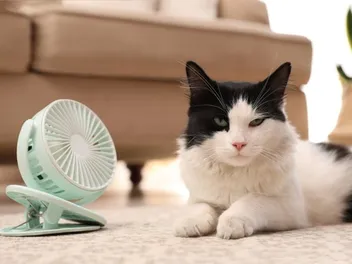
If you notice these signs, offer the cat fresh water and provide immediate shelter from the sun. If possible, put them under a fan or put them in an area with good airflow and use a damp cloth to gently cool them down with cool (not cold) water. If the signs persist, take the cat to the vet for emergency assistance.

5. Make Emergency Temporary Shelters
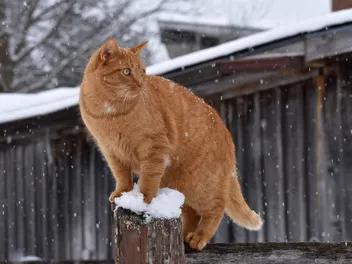
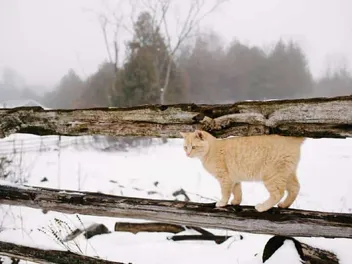
If you want to help not one but dozens of local feral cats, there is an excellent and relatively easy solution. You can craft several emergency shelters and place them across the town with just a few basic materials. You can use a variety of materials to create these small shelters, which will be amazing for feral cats to hide during summer and winter. The most important part of this temporary and quick DIY shelter is adding appropriate lining by placing material inside of the box that will keep the shelter cool during summer and warm during winter.
Conclusion
Hopefully, you can go out and make the world a better place with these small steps. Sheltering local feral cats, and providing a fresh water source and some food can significantly improve their quality of life. However, the real solution to their suffering is to ensure they are all spayed and neutered before feeding them. Extensive improvements come when we make small changes and try to help at least one innocent animal survive through the scorching summer days.
Featured Image Credit: JancickaL, Pixabay
Expert cat care, straight to your inbox
News, insights, and useful advice, delivered to you.

No spam — unsubscribe anytime.
By signing up, you agree to our Terms & Conditions and Privacy & Cookies Policy.
How useful was this post?
Click a star to rate. You can leave written feedback afterwards. (We read all feedback.)
Upon completing my degree from the College of Fine Arts, I embarked on a quest to find a platform to manifest my wild imagination. It was then that I discovered my passion for content writing, which swept me off my feet. As a freelance writer, I am always on the move, with an adventurous and restless spirit that propels me forward. When I am not typing away in my cozy writing nook, I spend my time honing my skills as a sculptor, painter, and woodworker in my workshop. Writing has become my primary medium of expression, and I plan to nurture this passion further, using it as a conduit for my never-ending creativity.