Why Does My Cat Lick My Armpits: 5 Vet-Reviewed Possible Reasons


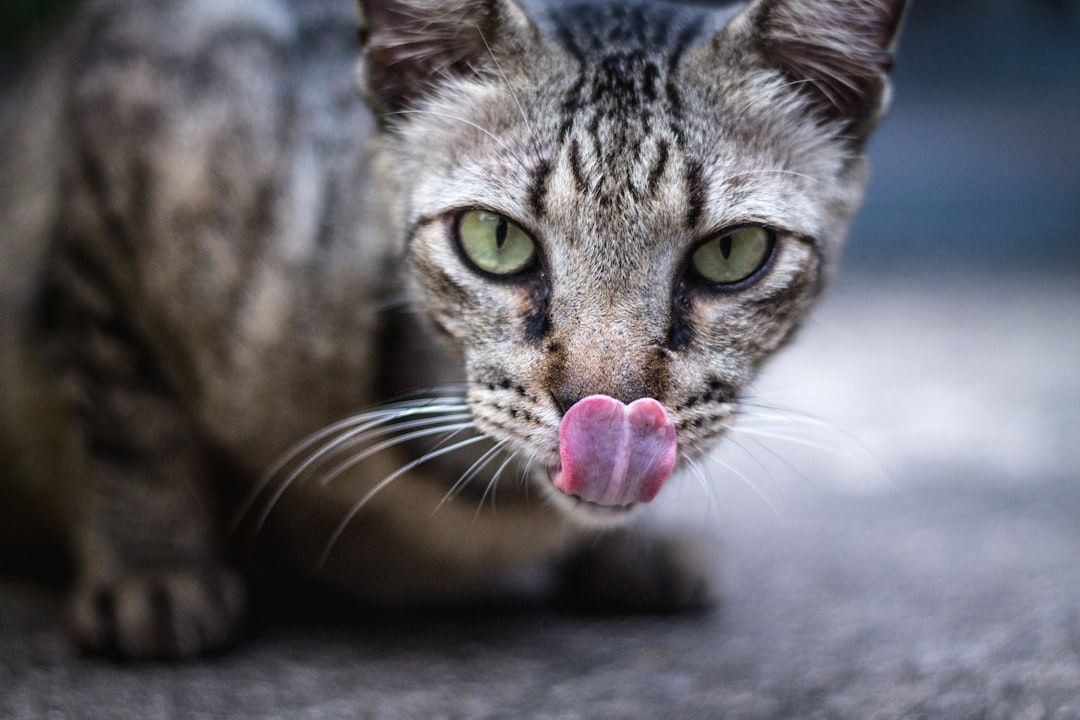
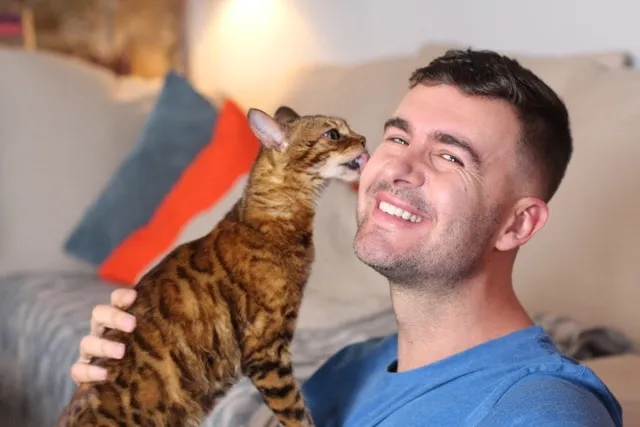
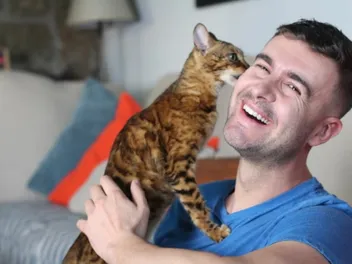
Cats are wonderful, but most people who’ve ever loved one of these perfect creatures had at least one moment when they wondered: what on earth is my cat up to and what could have possibly possessed the animal to do that? If your cat has a penchant for licking your armpits, well, it’s fair to say you might have some questions.
Rest assured, there’s nothing wrong with your kitty, and there are several plausible reasons why your cat might be interested in snuggling up to your pits. Read on to discover a few possible reasons why your cat might not be able to get enough armpit time!

The 5 Possible Reasons Why Cats Lick Armpits
1. Protein
Cats are carnivores, and they need protein to survive. As strange as it may sound, armpit sweat actually contains substances that are good for cats, including, you guessed it, mammalian proteins! Kitties have sensitive noses and are attracted to foods that feature protein. Your kitty can smell the good stuff in your sweat, and they’re attracted to it. As a general rule, there’s nothing wrong with letting your four-footed companion lick your underarms.
Just make sure you’re not wearing an antiperspirant containing aluminum, as the metal can be toxic to cats. (Don’t panic if your cat grabs a few bites of aluminum foil in their enthusiasm to steal a bit of enticing human food leftovers. If we’re only talking a few small bites, your cat should poop the foil out and will most likely be just fine.

2. Smell
Cats are super smellers. While they outperform humans when it comes to the ability to sniff things out, they’re not quite in the same league as dogs, which makes sense since they have fewer receptors that allow them to perceive smells than your average canine companion. Just like you get the warm fuzzies when you smell a t-shirt your loved one slept in, the same thing is true for cats when it comes to their favorite people.
Ever wonder why cats love sleeping on top of your dirty laundry? It’s because your scent permeates whatever you’ve worn, and under the right circumstances, this can be comforting to your cat. Armpits are full of scent-producing apocrine glands that produce pheromones. It’s no wonder that your cat finds your underarms interesting and can’t resist giving yours a lick now and then.
3. Grooming
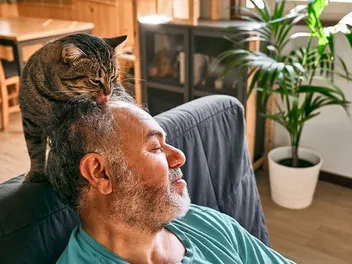
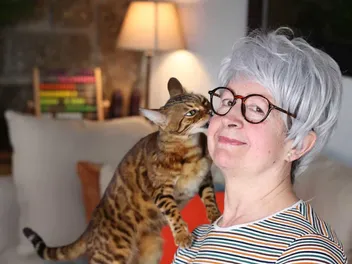
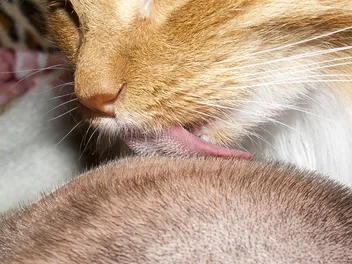
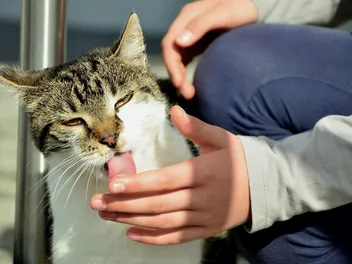
Cats enjoy grooming each other. It’s an instinctive behavior seen even in big cats like lions and tigers. It builds bonds and indicates deep affection. Mother cats groom their kittens until they’re around 4 weeks old to encourage their babies to eat and provide comfort. After kitties reach about 1 month old, they begin returning the favor by grooming their mom and siblings.
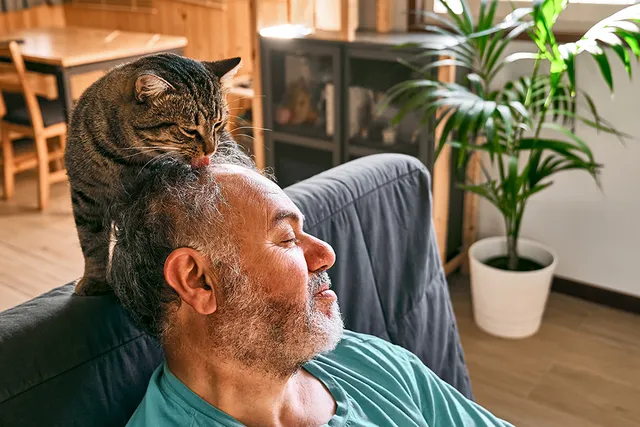
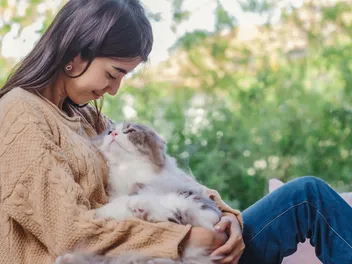
Cats essentially treat their human companions as if we’re big, kind of funny-looking, overgrown cats. When a cat licks you, it means that they care deeply about you and perceive you as part of their family.

4. Weaning
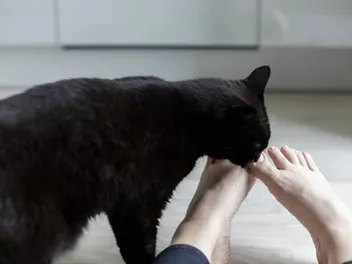
Some cats that were weaned too early have a tendency to suck on things. Favorite targets often include blankets on their ’owner’s lap, clothing their human family wears and even skin.. Necks, inner elbows and armpits are particularly popular, and armpits provide an extra bit of comfort through those pheromones. Interestingly enough, female cats have scent glands around their nipples, so it’s not surprising that your kittie instinctively connects your gland-filled armpits with comfort and sucking.
Just because your kitty enjoys licking your armpits doesn’t necessarily mean they were weaned too early. Many cats simply find sucking and licking to be deeply comforting. And as long as your cat isn’t ingesting anything problematic such as antiperspirant, the behavior isn’t really something you need to worry about.
5. Salt
Cats are drawn to the salt in sweat. Many cats will sneak a lick if you come home on a hot day covered in perspiration. Interestingly, salt is one of the few tastes that cats can detect. Felines don’t have taste receptors that pick up on sweet tastes, so when your kitty is after that piece of cake you’re eating, it’s not because they’re after the sweet taste of icing.
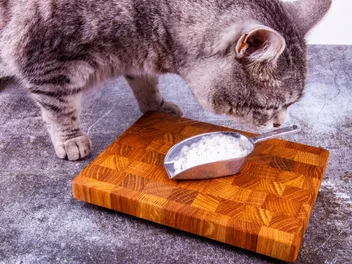
While your cat may like the taste of salt, too much of the mineral can be bad for your four-legged companion’s health. While there’s probably not enough sodium in your armpit sweat to harm your baby’s health, it’s best not to let your cat get into your table salt. Cats should never be given salt intentionally, even if they appear to enjoy the taste of salty human foods like chips.

Conclusion
Kitties are loving creatures that form deep bonds with their favorite humans, and armpit licking, while seemingly strange, is often part of maintaining a human-cat connection. As long as your cat isn’t licking your armpits while you’re wearing aluminum-based antiperspirant, you probably have nothing to worry about when it comes to your cat’s health. If the licking really bothers you, the best way to get cats to stop doing something is to ignore it and reward the behavior you want to see.
Sources
Feaaatured Photo Credit: Pexels, Pixabay
Expert cat care, straight to your inbox
News, insights, and useful advice, delivered to you.

No spam — unsubscribe anytime.
By signing up, you agree to our Terms & Conditions and Privacy & Cookies Policy.
How useful was this post?
Click a star to rate. You can leave written feedback afterwards. (We read all feedback.)
Lorre Luther is a writer who is firmly convinced that cats are smarter than humans. She left her law career in the United States and moved to the Netherlands to follow her dream of becoming a writer. Lorre currently lives in Rotterdam, she enjoys traveling and greatly appreciates the beauty of nature. Lorre has a spot for animals and admires the intelligence of cats.