Kitten Food vs Cat Food: What's the Difference? Vet-Reviewed Facts


In this article
Kittens and cats may be the same species but have very different needs. With the world of pet ownership comes a load of questions, and pet food is often the main thing cat owners get stuck on when deciding what’s right for their pets. Kitten and cat food might seem the same, but some key differences between them are essential for the health and well-being of the felines eating it. In this article, we’ll take you through the differences between cat and kitten food, helping you understand why each is important to feed to its age group and why you sometimes might have to deviate from this rule.

At a Glance


Overview of Kitten Food:
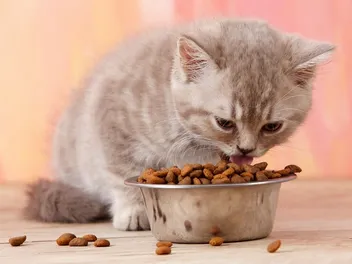
Kitten food is specially formulated to nourish kittens and help them grow. Kittens need more of certain nutrients and calories to fuel their bodies for their rapid growth and development until they reach adulthood.
Kitten food has several properties that we'll discuss. In some situations, you'd feed a cat kitten food; that is usually not the case, but it can be quite important!
Protein Levels in Kitten Food
Kittens have so much growing to do; they need a lot of energy and fuel for it. About 30% of a kitten's total energy intake should be from proteins since they are the building blocks for many processes in the body. Kittens should be fed food containing 35%–50% protein on a dry matter basis.
Adequate protein levels are vital for the healthy growth and development of kittens. It has an important role in forming and renewing body tissues, as well as forming the basis for enzymes and contributing to the development of a healthy immune system. Cats are obligate carnivores and need animal protein in their diet to provide them with all the essential amino acids that they need.

Fat Levels in Kitten Food
Fats are critically important for growing kittens as a source of energy and essential fatty acids. Dietary fats also help kittens absorb vital fat-soluble vitamins needed for healthy development, so they need a diet rich in fats.
Fatty acids such as DHA and EPA contribute to the healthy development of the retinas and brain in kittens, particularly the brain. For example, DHA is the main n-3 polyunsaturated fatty acid in the brain, comprising around 30%–40% of the fatty acids in neuronal cell membranes (brain cells) 1. Fats also keep the skin and coat healthy and make food tasty!
Too much fat can cause obesity, however, so kitten food should comprise around 18%–35% fat (based on dry matter).
Vitamins and Minerals Kittens Need
There are several vitamins and minerals kittens need in higher amounts than adult cats, and deficiencies in these during kittenhood can cause long-lasting problems for adults. Calcium and phosphorus are the two vital minerals that are typically included in larger amounts in kitten food.
The Role of Calcium and Phosphorus
Kittens need the correct balance of these two minerals to ensure their skeletal system grows correctly, as non-balanced amounts ( either too much or too little) can cause deformities and conditions such as hyperparathyroidism, calcium deposits in the kidneys, and soft tissue calcification 2. Because of that, kitten food should have a ratio of 2.5 grams of calcium and 2.10 grams of phosphorus per 1,000 calories of food.
The vitamins that kittens need are the same as adults, but they typically need more magnesium, copper, iodine, and vitamin A. It's important not to supplement your kitten's diet with additional vitamins and minerals unless directed by a vet, as overdoses can cause serious problems for your kitten and even be toxic, so only add them if a vet has given you the okay, so reach out to one if needed. If your kitten is growing on good-quality kitten food, supplementation should not be required.
Energy Needs
Kittens are energetic, boisterous, and constantly growing. They have much higher energy requirements than adult cats, and the calories they need vary depending on their age and breed. However, kittens will always need more calories for energy, so kitten food must provide it.
Shapes and Flavor Varieties
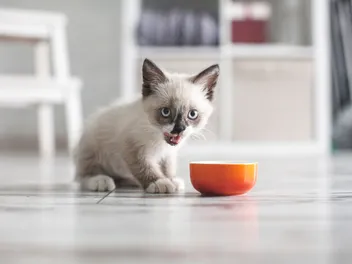
Kittens have smaller mouths, teeth, and stomachs than adult cats. Pieces of kitten food are often smaller so little mouths can eat them, and the dense calories in each bite ensures that small meals deliver the right amount of energy. Flavors are sometimes more limited in kitten food, as the focus is more on nutrition than the palate.
Kittens are often weaned onto wet kitten food as a first meal, so foods should be soft and enticing for kittens just starting to eat. Hard pieces should also be able to be softened for weaning, which is a feature of many kitten foods.
While many kittens grow out of the essential supplies you buy for them when they are young, finding a product that can last them a lifetime is like hitting the cat jackpot - which is why we love the Hepper NomNom Cat Bowl so much. Its unique cat-inspired design offers dual, stainless steel bowls that are wide and shallow, crucial for neck support when kittens are little and benefits mature cats by offering whisker relief. If you want to learn more about what other advantages the NomNom will provide for your growing kitten, click here.

- NO MESS - The 360° tray on this cat food and water bowl set has a raised design to catch and contain stray crumbs and drips. Protect your indoors and floors from wet and messy meals!
- WHISKER FRIENDLY - Shallow and wide metal containers with flat bottoms ensure your kitty can enjoy mealtime free from whisker fatigue!
- CHEW-SAFE MATERIALS - Kittens and cats love chewing on silicone and soft rubber - but it's a choking hazard. Our cat feeding station materials are anti-chew for a 100% safe feeding frenzy!
At Catster, we’ve admired Hepper for many years and decided to take a controlling ownership interest so that we could benefit from the outstanding designs of this cool cat company!
When Should I Choose Kitten Food?
Kittens who are weaned from their mothers should be introduced to kitten food at around 4 weeks of age and completely weaned at 8 weeks. They can continue eating kitten food until around 10 to 12 months.
Pros
- Higher calorie
- Higher protein and fat
- Shaped and formulated for kitten mouths and weaning
Cons
- Too many calories for adult cats
- Limited flavors


Overview of Cat Food:
Cat food is formulated to meet the maintenance needs of an active adult cat, which are very different from a growing kitten. Adult cats are more prone to obesity and urinary problems that can be directly affected by diet, so feeding a high-quality adult cat diet is vital to keep them healthy. Balanced calcium, phosphorus, and protein levels are essential for adult cats, and the right amount of calories for their activity level is crucial to maintaining a healthy weight.

Protein Levels in Cat Food
Cats need protein just like kittens do, but they don't need as much. Fully grown cats need protein for energy and maintenance, and essential amino acids are found only in animal proteins (namely taurine and arginine). Kittens need slightly more protein than adult cats (minimum 30% and 26%, respectively), but higher protein foods for adult cats are recommended. Healthy adult cats should have food that's at least 40% high-quality protein to prevent loss of muscle mass over time, particularly older adults without concurrent kidney disease.
Fat Levels and Energy Needs in Cat Food
Adult cats need moderate fat in their diet for the same reasons as kittens, just in smaller amounts. Fats are particularly important in adult cat food as they improve the taste and palatability of the food, enticing cats to eat it. Fats also help with satiety, or how full a cat feels after its meal. A big concern for owners of adult cats is obesity, so a moderate amount of fat in the diet can help the food taste better and the cat feel fuller for longer. Calories are also lower for this reason; the focus is on maintaining body condition and weight as opposed to fuel for growth. A cat that is not pregnant or nursing and fed kitten food can quickly put on too much weight, especially if inactive, and obesity is a real health hazard for cats of this age group.
Vitamins and Minerals Adult Cats Need
Cats of all ages need certain vitamins and minerals to survive and thrive, as well as essential amino acids from animal sources. The most well-known of these is taurine, an essential amino acid that contributes to a functioning heart and keeps the eyes healthy. Certain vitamins and minerals, such as calcium and phosphorus, are also tightly controlled in adult cat food to prevent kidney damage and stones in the urinary system.
According to the AAFCO (the Association of American Feed Control Officials), adult cat food needs to contain all of the following vitamins:
Kittens need more vitamin A than adult cats, but the general vitamin profile is similar in kitten and adult cat food.

Shapes and Flavor Variety in Adult Cat Food
Flavors, textures, and types of adult cat food are very varied, and all brands are different. This large variety aims to cater to cats of all types and activity levels, including some adults who have health issues, such as hairballs or gastrointestinal conditions. Cats are notoriously fussy with their food, likely because of their highly developed sense of smell. Some shapes of dry cat food also have a functional benefit, such as shapes that help clean the cat's teeth or promote slower eating.
When Should I Choose Cat Food?
Cats are considered adults when they reach one year old. Cats should be slowly transitioned onto cat food at this time, and cats should be fed adult food (unless otherwise directed by your vet) until they reach senior age at around age nine.
Pros
- Balanced for the maintenance of body weight
- Many flavors and shapes
- Balanced mineral levels
Cons
- Lower in calories, not suitable for kittens
- Contains less protein

Why Would You Feed an Adult Cat Kitten Food (or Vice Versa)?
There are some reasons why cats would need to revert to kitten food, but there are no reasons why a kitten should be eating adult cat food. Pregnant or nursing cats have a high caloric need as they grow and feed hungry mouths; kitten food can provide them with the additional calories and calcium needed to develop and maintain strong bones and healthy kittens. Underweight cats can also be directed to eat kitten food by a veterinarian since the high calories in the kitten food can help them regain weight more quickly. However, adult cat food should not be given to kittens as it doesn't contain all the nutrients they need to grow; the lack of calories can cause health problems.
| When to Feed Kitten Food | When to Feed Cat Food |
| Kitten is weaning | Cat is over 1 year old |
| Cat is under 1 year old | Cat is under 9 years old |
| They are underweight (directed by the vet) | Cat has no other health problems (alternative diet indicated by vet) |
| Cat is pregnant or nursing (directed by the vet) |

Conclusion
The differences in kitten and cat food are subtle, but they are there, and it's important to know when to feed each formulation to your cat. Kitten food has the right amounts of protein and calories to fuel rapid growth and bursts of energy of young cats. In contrast, adult cat food is more moderately formulated with controlled calories and nutrients to keep older cats in optimum health. There are some reasons for adult cats to eat kitten food, but kittens should only be fed food that matches their nutritional needs.
See Also:
Best Cat Foods for Nursing Mother Cats in Canada – Reviews & Top Picks
How Long Does It Take a Cat to Digest Food? Anatomy Facts & FAQ
Featured Image Credit: Left- MaraZe, Shutterstock / Right: Veera, Shutterstock
Expert cat care, straight to your inbox
News, insights, and useful advice, delivered to you.

No spam — unsubscribe anytime.
By signing up, you agree to our Terms & Conditions and Privacy & Cookies Policy.
How useful was this post?
Click a star to rate. You can leave written feedback afterwards. (We read all feedback.)
Christian started writing for a local newspaper as a teenager, and he's been involved in the publishing industry for most of his adult life. Combining his love of writing with a passion for animals, he is currently the Director of Editorial at Pangolia and the Editor-in-Chief at Catster.
Christian lives in the Philippines with his wife, son, and four rescue cats: Trixie, Chloe, Sparky, and Chopper.