Is Celosia Toxic to Cats? Vet-Approved Facts & Safety Guide


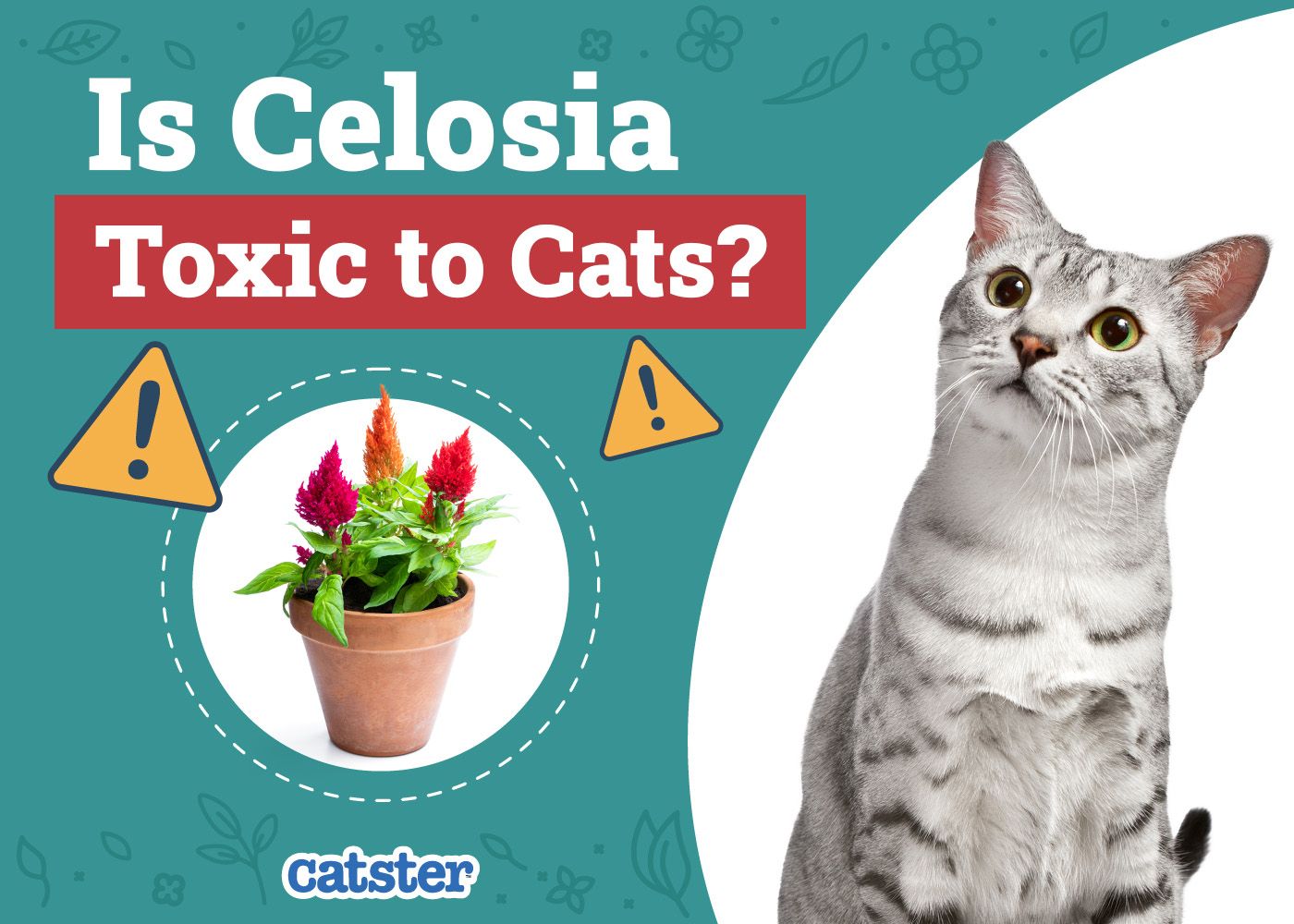
Celosia argentea var. plumosa is a plant that is commonly used as an ornamental flower. It is a part of the amaranth family, and while it is native to Asia, it can now be found in many parts of the world. Celosia is non-toxic to both cats and dogs, according to the ASPCA.1 This means it is safe for your cat to be around this plant, and they will not experience any adverse effects if they consume it.
However, as with all plants, it is important to keep an eye on your pet if you have this plant in your home, as some cats may still experience an allergic reaction or stomach discomfort after eating it.

About Celosia
Celosia species are used in some cultures for medicinal purposes. In India, it is used to treat fever and digestive problems. The leaves of the plant are also boiled and used as a poultice for wounds. In Africa, the ash of burned celosia seeds is used to treat skin conditions, such as rashes and boils.
Celosia is also commonly found in gardens. It is known for its brightly colored flowers, which can range in hue from pink to purple. It may also be attractive to cats due to its sweet smell and interesting texture. While the plant is not poisonous, ingesting too much can cause vomiting and diarrhea.
What Happens If a Cat Eats Celosia?
Most cats won't have any reaction from encountering and even eating celosia. If you caught your kitty munching on some, there is no need for concern. Keep an eye on them for signs just in case of a rare bad reaction, but do not worry yourself! Even if your cat does react, they are likely to recover quickly.

What Happens If a Cat Has a Reaction to Celosia?
While the plant is not poisonous, ingestion can cause some side effects. In most cases, your cat would have to eat a hefty amount of the plant, an amount that they are unlikely to ever consume. Signs of an allergic reaction or dietary indiscretion include:
- Vomiting
- Diarrhea
- Loss of appetite
- Abdominal pain
- Drooling
If your cat is displaying any of these signs, contact a veterinarian for advice. They will likely want to see your cat to give them a health check and treatment.
Conclusion
While celosia is not poisonous to cats, it is still important to keep an eye on your pet if you have this plant in your home. Some animals may still experience an allergic reaction or stomach discomfort after eating it. If you think that your cat is having a reaction due to ingesting celosia, contact a veterinarian.
Sources
Featured Image Credit: Renee Firmingham, Publicdomainpictures.net
Expert cat care, straight to your inbox
News, insights, and useful advice, delivered to you.

No spam — unsubscribe anytime.
By signing up, you agree to our Terms & Conditions and Privacy & Cookies Policy.
How useful was this post?
Click a star to rate. You can leave written feedback afterwards. (We read all feedback.)
Christian started writing for a local newspaper as a teenager, and he's been involved in the publishing industry for most of his adult life. Combining his love of writing with a passion for animals, he is currently the Director of Editorial at Pangolia and the Editor-in-Chief at Catster.
Christian lives in the Philippines with his wife, son, and four rescue cats: Trixie, Chloe, Sparky, and Chopper.