Can Cats Eat Tomatoes? Vet-Approved Nutritional Science & Info


The tomato is a fruit that is widely used in the culinary arts. It is a member of the nightshade family and is believed to have originated in South America. The tomato has smooth, usually red skin and contains numerous small seeds. It has a sweet, acidic flavor and is used in salads, sauces, and pizzas. There’s no doubt that humans love tomatoes—they are a staple part of cuisines all over the world. What about cats, though? Can they eat tomatoes?
In certain conditions, tomatoes can be eaten by cats in small quantities, but it is not recommended because the fruit contains a few health risks and is generally not nutritionally appropriate for cats. While the ripe fruit may not always be harmful to cats in small doses, it does not provide any major nutritional benefits, and tomatoes can actually lead to serious health problems if consumed in large quantities or in the wrong growth state.
Read on to discover how the various parts, stages of ripeness, and methods of preparation affect how dangerous a tomato is for your cat.

When Are Tomatoes Dangerous for Cats?
Tomatoes are most dangerous for cats when they are unripe because at that point, they contain high amounts of a chemical called tomatine that can cause toxicity, which often manifests as various signs, including one or more of the following:
- Vomiting
- Diarrhea
- Abdominal pain
- Drowsiness
- Lack of proper coordination
- Weakness
- Unexplained lethargy
Tomatine is found in the tomato plant's leaves, stems, and unripe fruit. For this reason, it is important to keep unripe tomatoes and tomato plants away from cats.
The effects of unripe tomatoes on cats vary depending on the individual feline. However, it is generally advised that cats not consume unripe tomatoes. The leaves of the tomato plant are also toxic.

Should I Worry About My Cat Eating My Tomato Plant?
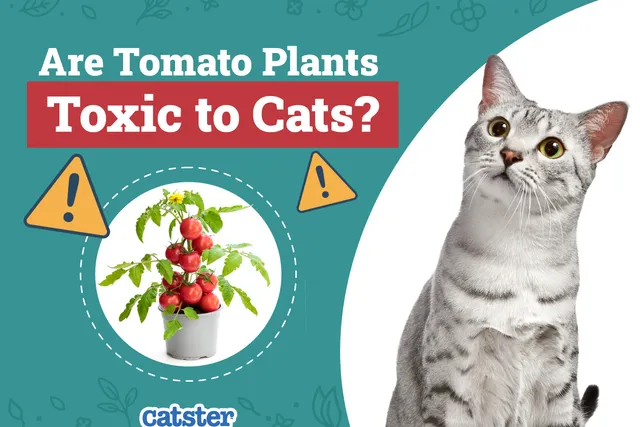
Yes. The tomato plant is considered toxic for many pets, including cats and dogs1. The toxicity is of concern if the plant is ingested, so a cat wouldn’t be at risk if they simply touched the plant. However, if they inadvertently nibble and eat the plant, they require veterinary care.
What Should I Do If My Cat Eats My Tomato Plant?
Despite being less toxic than potato plants or eggplants, tomato plants can still cause health problems for your cat. If your cat eats part of a tomato plant, you should take them to the vet immediately.
What Is Tomatine?
Tomatine is a glycoalkaloid poison found in plants of the nightshade family, such as tomatoes. It is thought to be a natural defense against insects, fungi, and bacteria. It’s a plant's way of keeping its seeds from being eaten before they are ripe enough to germinate. The concentration of tomatine in food plants varies with the species of plant, its stage of maturity, the climate, and the method of cultivation.
The highest levels are found in unripe green fruits and the leaves and stems of older plants. Tomatine poisoning can cause gastrointestinal problems such as nausea, vomiting, and diarrhea in cats. The lethal dose hasn’t been established in cats, and there are no verified reports of cats dying from ingesting enough of the plant. To date, lethal doses have only been established in lab animals (such as mice).
Are Ripe Tomatoes Safe for Cats?
It is generally accepted that tomatoes are safe for cats to eat very occasionally in moderation. The keyword here is moderation, as tomatoes do not offer cats any specific nutritionally relevant health benefits. Aas obligate carnivores, cats have a different digestive system physiology compared to humans or other animals. For instance, tomatoes contain beta-carotene, which many animals and humans can utilize to synthesize vitamin A. However, cats cannot utilize beta-carotene, so they can’t obtain vitamin A via tomatoes. Likewise, although humans promote the vitamin C in tomatoes, this particular vitamin isn’t considered essential for a cat, as they (like many other animals) can make their own vitamin C.
Therefore, any tomatoes that your cat has are mostly “filler” nutrition, which isn’t necessarily beneficial for them. Your cat will not be nutritionally deprived or deficient in any nutrient if they do not eat tomatoes.
Finally, it is worth noting that a cherry tomato can be a serious choking hazard for a cat. Felines do not chew their food, and a large piece of tomato or any other fruit can be a choking hazard for your pet.

Are Cooked Tomatoes Safe for Cats?
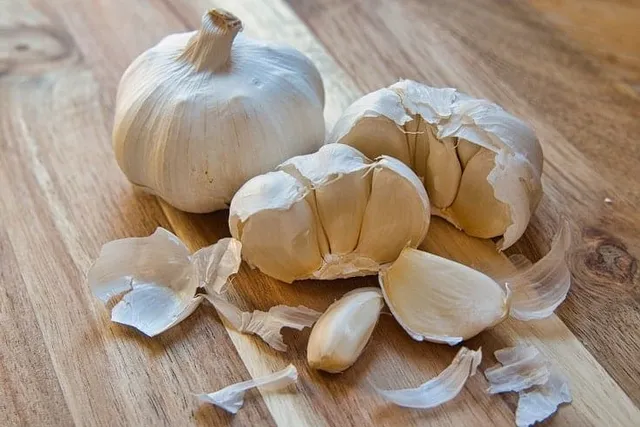
This really depends on how the tomatoes are cooked. Many times, tomatoes are cooked with onions and garlic, both of which are absolutely not safe for cats. Both plants contain compounds that can be harmful to felines if ingested. For this reason, it is important to keep both onions and garlic away from cats.
What Happens If a Cat Eats a Small Amount of Ripe Tomato?
There is no need to worry excessively if your cat has eaten a small piece of ripe tomato. It's not harmful to cats unless ingested in large quantities. However, too much tomato can cause gastrointestinal upset in cats, so it is best to limit their intake to a small amount. It is always important to monitor your cat's diet and ensure that they are only eating foods that are safe for them.
Why Do Some Cat Foods Contain Tomatoes?
Certain commercial brands of cat food may put a small amount of tomato paste into their ingredients. These are usually in too small quantities to cause any concern, however, and they’re usually added to balance the recipe or help increase the overall bulk of the food. Tomatoes may also be used to add fiber to the diet, even though cats do not have a dietary requirement for fiber.
Why Does My Cat Want to Eat Tomatoes?
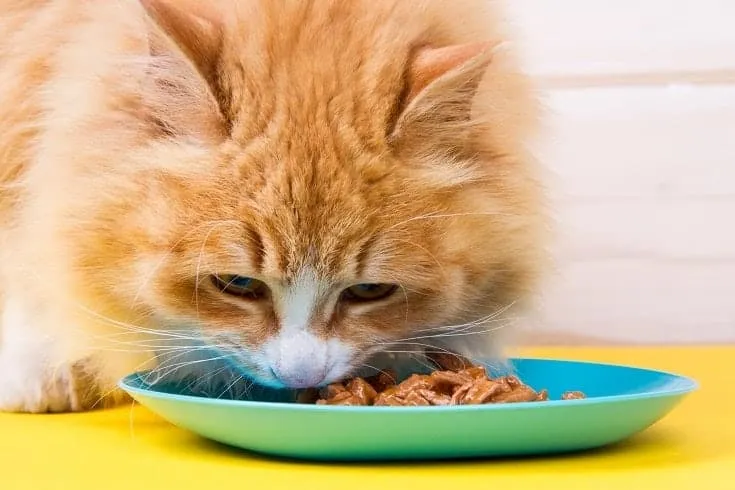
There can be a few reasons that a cat may want to eat tomatoes. One could be that your cat is simply curious and investigating the tomato because of its smell and texture. Cats cannot taste sweetness, so they wouldn’t be drawn to tomatoes (or other fruits) for that reason. Instead, they might just be curious about them. Cats are relatively poor at self-regulating their food intake, though, so they shouldn’t be offered tomatoes just because they seem interested in them. Their natural diet is that of a carnivorous animal that hunts other animals.
Conclusion
Ripe tomatoes are not inherently dangerous for cats, but they don’t offer felines any meaningful nutrition. Unripe tomatoes, tomato leaves, and tomato plants are toxic to cats. Excessive consumption of ripe tomatoes can lead to an upset stomach and gastrointestinal distress.
Since felines are obligate carnivores, there’s no need to actively incorporate fruits and vegetables into your cat’s diet. This means tomatoes (and all other fruits) should not be something that you should actively try to feed your cat. However, if your cat nibbles on a small piece of ripe tomato, it likely isn’t a cause for immediate concern or worry.
See also:
Featured Image Credit: Devanath, Pixabay
Expert cat care, straight to your inbox
News, insights, and useful advice, delivered to you.

No spam — unsubscribe anytime.
By signing up, you agree to our Terms & Conditions and Privacy & Cookies Policy.
How useful was this post?
Click a star to rate. You can leave written feedback afterwards. (We read all feedback.)
Christian started writing for a local newspaper as a teenager, and he's been involved in the publishing industry for most of his adult life. Combining his love of writing with a passion for animals, he is currently the Director of Editorial at Pangolia and the Editor-in-Chief at Catster.
Christian lives in the Philippines with his wife, son, and four rescue cats: Trixie, Chloe, Sparky, and Chopper.