How to Tell if Your Cat Has a Double Coat: 4 Vet-Approved Tips to Help You Know


In this article
Our feline friends come in a dazzling array of coat types, colors, and patterns: long-haired, short-haired, or hairless. To keep your cat’s fur healthy and tangle-free, you’ll need the appropriate grooming tools, which differ based on what kind of coat they are sporting.
In this article, we’ll let you know what a double coat is and four tips on what to to look for to tell if your cat has one. We’ll also cover some basic grooming routines for cats with double coats and those with other types of fur or none at all!

What Is a Double Coat?

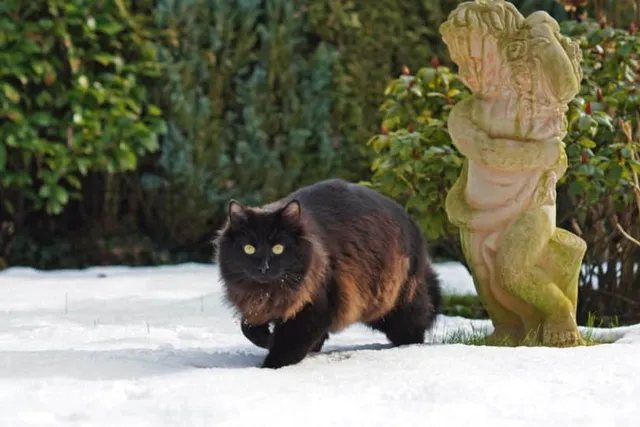
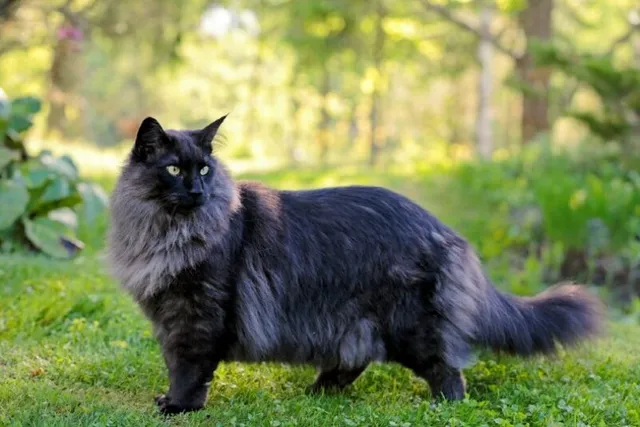
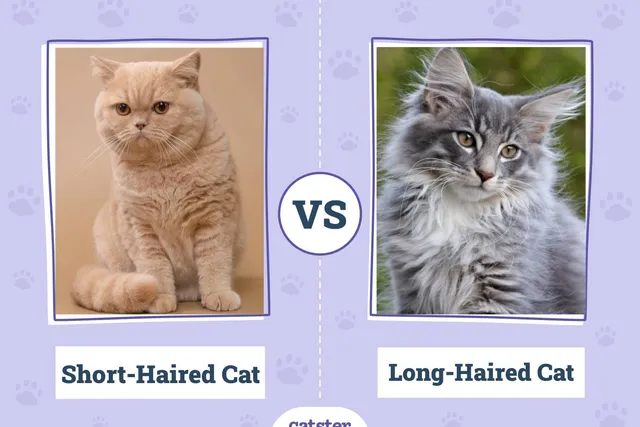
A double coat protects and insulates the cat in cold weather. Typically, it consists of an outer layer of longer, coarser hair and a soft, thick undercoat. Both long- and short-haired cats can have a double coat, so you’ll need to look for other signs to let you know whether your cat has one or not.
The 4 Ways to Tell if Your Cat Has a Double Coat
1. Check Their Breed Standard

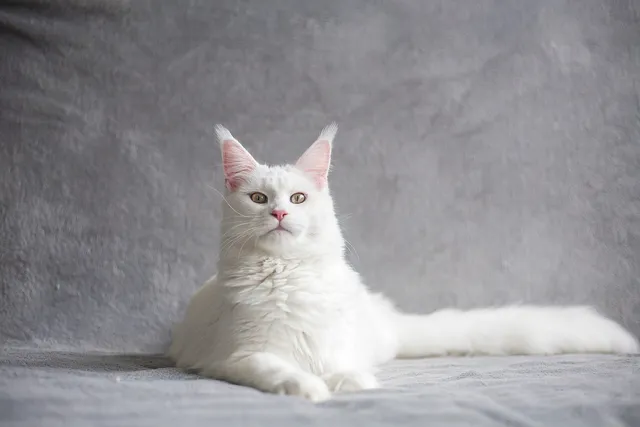
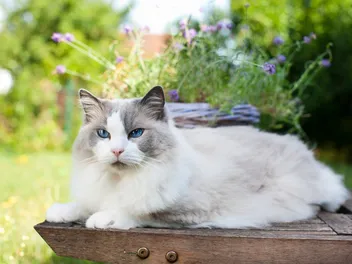
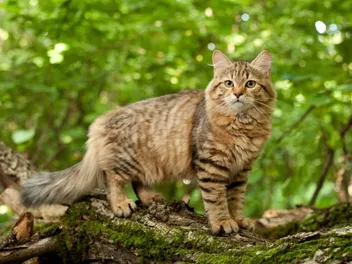
If you own a purebred cat, the quickest way to find out if they have a double coat is to check their breed standard. Many cat breeds were developed with a double coat because they originated in cold climates. Some well-known breeds that are double-coated include:
- Maine Coon
- Persian
- Manx
- Norwegian Forest Cat
- Turkish Van
If your cat isn’t purebred, you’ll need to use another method to check for a double coat.
2. Feel Your Cat’s Coat

The next time you’re petting your cat, take a moment to look a little closer. Part the hair and feel the texture. If your cat has a double coat, you’ll see and feel a soft, thick layer of fur close to the skin.
As you pet further away from the cat’s skin, the texture of the hair will become finer and coarser. Single-coated cats will have only the longer, coarser layer. Again, don’t assume your cat isn’t double-coated just because they have short hair.
3. Check for Shedding

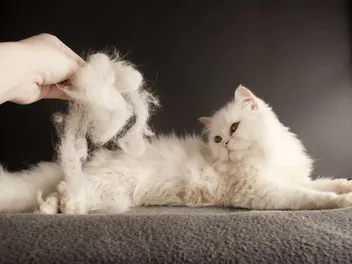
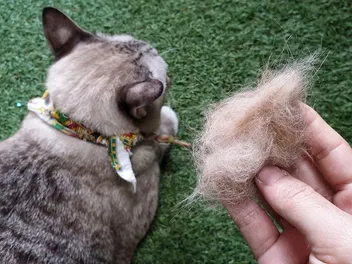
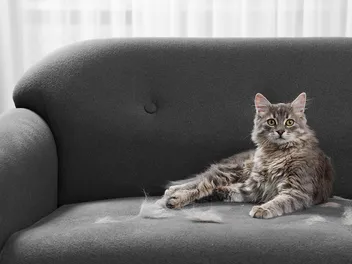
Cats of any coat type can shed, but double-coated cats tend to do so more simply because they have more hair. A double-coated cat may also shed on more of a seasonal schedule, losing its warm undercoat as the weather changes.
As a double-coated cat sheds the undercoat, it may develop a patchy appearance. You may notice visible tufts, easily removed, dotting their body.
4. Ask a Professional

If you still are not confident about what coat your cat has, ask for a professional opinion. A vet or groomer should be able to help you identify whether your cat has a double coat or not. They can also help you create an appropriate grooming routine for your kitty.
Creating a Grooming Routine
For Double-Coated Cats

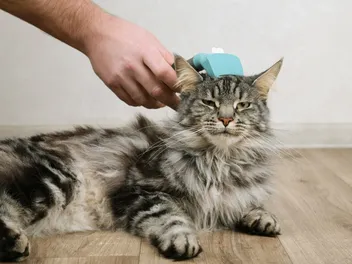
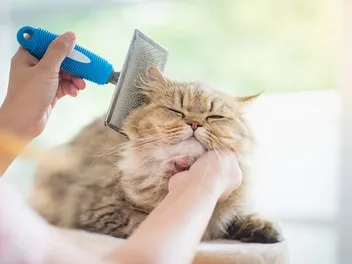
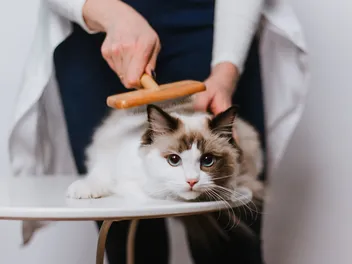
As we mentioned, double-coated cats will usually shed heavily, if not year-round, depending on the climate where you live. Plan on brushing them at least once a day during heavier shedding times. This will help minimize the amount of hair on your clothes and furniture, as well as prevent your kitty from developing painful mats and tangles.
The best brush for your cat will depend on how long their outer coat is. Generally, even short-haired cats need a brush with wire bristles to reach their undercoat properly. For long-haired cats, you may need a more heavy-duty deshedding tool like a Furminator.
Some owners choose to have their cats professionally groomed, including trimming and shaping the fur on their tails, legs, and head. Use caution if you’re considering shaving your double-coated cat since a close cut could lead to irritated skin and hair growth issues.
Single-Coated Cats
Single-coated cats typically won’t need to be brushed as frequently. Short-haired kitties may be fine with a weekly brushing using a bristle brush. Long-haired kitties may need a pin brush or slicker brush to keep their fur free of tangles.
Hairless Cats

Hairless cats don’t have fur to brush, but they have skin that gets very oily and dirty. Because of this, they require weekly baths to keep them clean, with special attention paid to keeping their many folds and wrinkles tidy.
Conclusion
As you can see, knowing what kind of coat your cat has is vital for planning the proper grooming routine for them. Double-coated cats come in many breeds and mixed breeds, so use these tips to tell whether that’s what you’re dealing with. No matter what coat your cat has, you’ll need to keep their ears clean, teeth brushed, and nails trimmed as part of your grooming plan.
Featured Image Credit By: Another77, Shutterstock
Expert cat care, straight to your inbox
News, insights, and useful advice, delivered to you.

No spam — unsubscribe anytime.
By signing up, you agree to our Terms & Conditions and Privacy & Cookies Policy.
How useful was this post?
Click a star to rate. You can leave written feedback afterwards. (We read all feedback.)
Elizabeth Gray is a lifelong lover of all creatures great and small. She got her first cat at 5 years old and at 14, she started working for her local veterinarian. Elizabeth spent more than 20 years working as a veterinary nurse before stepping away to become a stay-at-home mom to her daughter. Now, she is excited to share her hard-earned knowledge (literally--she has scars) with our readers. Elizabeth lives in Iowa with her family, including her two fur kids, Linnard, a husky mix and Algernon, the worldʻs most patient cat. When not writing, she enjoys reading, watching all sports, and spending time outdoors with her family.