8 Common Types of Cat Brushes (With Pictures)

In this article
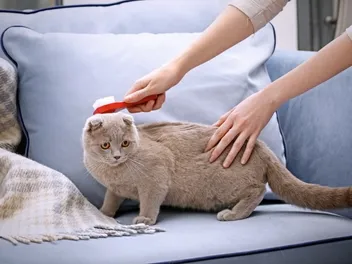
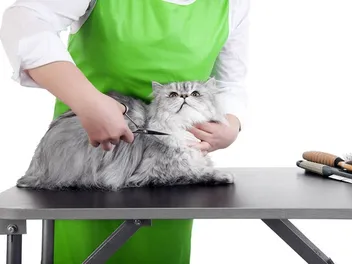
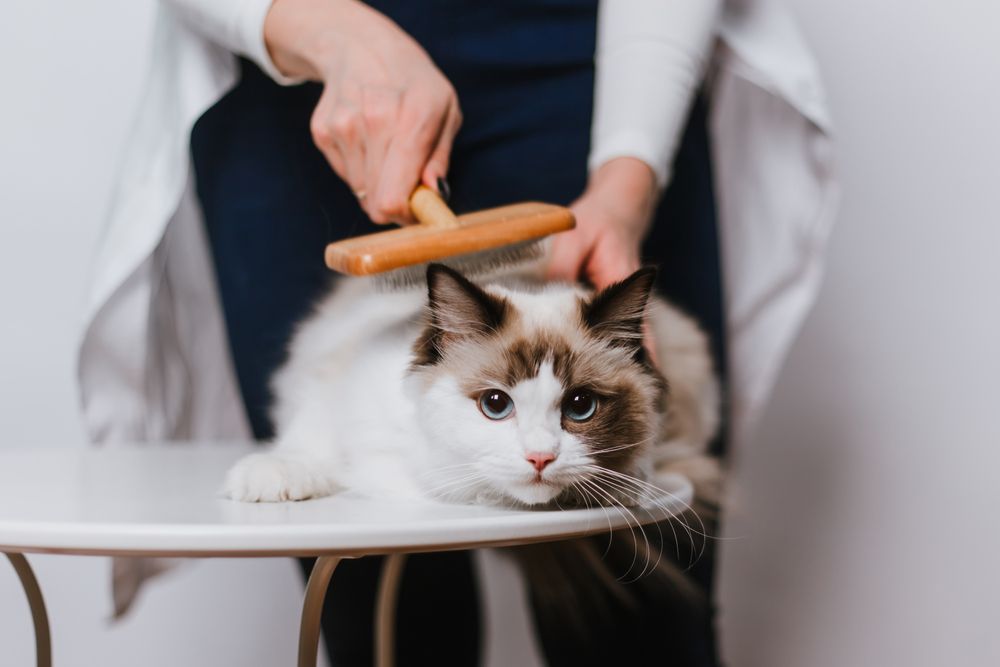
Cats are known for their fondness for grooming and keeping themselves clean, but there are times we cat parents need to lend them a helping hand. No matter how fastidious your favorite feline is, they won’t always be able to work out mats or tangles in their fur. This is especially true for longhaired cats and cats that are older or can’t move as well as they once could. Even if your cat doesn’t need the help grooming, brushing your pet offers several benefits1, including bonding time and decreased shedding.
There are several types of cat brushes available, so deciding which one to get can be challenging. Here's information on eight common types of cat brushes, so you can easily pick the right one for your pet!

The 8 Types of Cat Brushes
1. Bristle Brush
- Our Pick: Frisco Cat & Dog Bristle Brush

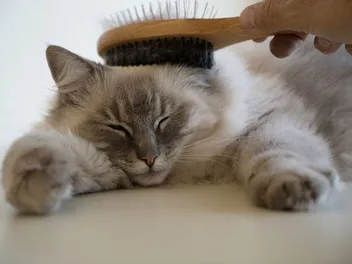
The bristle brush is just what it sounds like—a brush with bristles like the ones you’d find on a human brush. You’ll find a wide variety of these brushes available, but which one you go with will depend on your cat's coat type. Although these brushes are excellent for all coat types—for example, tightly clustered bristles work better for shorthaired cats, while bristles that are spaced apart work well on longhaired cats—how they’re used will differ depending on the coat length. A bristle brush can do the job for cats with short hair. But for those with long hair, a bristle brush is best used as a finishing touch after another brush has removed tangles.
You’ll also want to determine how well your kitty tolerates grooming to decide how soft you want the bristles to be. Even cats that hate being brushed can enjoy the massaging effects of softer bristles!
Pros
- Good for all coat types
- Wide variety
- Might work well for brushing-averse kitties
Cons
- Shouldn’t be the main brush for longhaired cats
2. De-shedding Brush
- Our Pick: FURminator Long Hair Cat Deshedding Tool

De-shedding cat brushes are excellent for cats that shed a lot, as they pull out loose hair before it can get all over your sofa. They work by using a combination of bristles and a blade to de-shed hair that’s loose (don’t let the blade part concern you, though; so long as you use it as instructed, this brush won’t cut your pet’s skin). Although they can be used on shorthaired cats, this type of cat brush works best on longhaired breeds or those with double coats. You’ll find de-shedding tools for various coat lengths available.
Pros
- Curved blade follows contours
- Removes loose topcoat fur and undercoat fur
- Stainless steel edge
Cons
- Improper use can irritate skin
3. Double-Sided Brush
- Our Pick: Frisco Cat & Dog Combo Brush

The double-sided brush has a bristle brush on one side and a pin brush on the other. While you can use a double-sided brush on pretty much any coat type, it works especially well on long-haired cats, as one side can detangle, and the other smooths out the coat. A dual-sided brush also saves you the money and hassle of having to purchase more than one type of cat brush for your longhaired kitty pal. It might not be the favorite of cats that hate brushing, though.
Pros
- Great for longhaired cats
- Two brushes in one
Cons
- Brushing-averse kitties may not enjoy
4. Grooming Glove
- Our Pick: Mr. Peanut's Hand Gloves

While a grooming glove isn’t technically a type of cat brush, it does the same thing as a brush (mainly removing loose fur), which is why it’s included. Essentially, it’s simply a glove you put on that has silicone or rubber bristles on the palm. Once it’s on, just pet your cat like you normally would, and voilà! Now you have less cat fur and a (hopefully) happy kitty.
After you’ve finished, you can easily gather the loose hair from the glove and toss it in the garbage. This brush type is particularly good for pets that loathe being brushed. Some longhaired or double-coated cats might need something more than a grooming glove to really get into their fur and untangle it, but this "brush" should work on most coat types.
Pros
- Great for cats that hate brushing
- Easy to use
Cons
- Might not be the best for some longhaired or double-coated cats
5. Pin Brush
- Our Pick: Frisco Cat & Dog Pin Brush

Pin brushes are readily available and are—you guessed it—brushes with pin bristles. Pins may sound painful for your cat, but the ones on these brushes have tips covered with tiny balls, so they won’t harm your pet. Those coverings are also excellent for stimulating the natural oils in your cat’s coat, leaving it nice and shiny. A pin brush isn’t for all cats, though. This brush works better for felines with medium to long hair or those with curly coats, as pin brushes are used most to remove tangles.
Pros
- Easy to find
- Good for tangles
- Makes coat shiny
Cons
- Not the best for shorthaired cats
6. Rubber Massage Brush
- Our Pick: Frisco Cat Curry Brush

You might also see these types of cat brushes called curry brushes; they’re made from silicone or rubber and are a big hit with felines that hate being brushed. Not only are these brushes softer than bristled or pin brushes, but their large, wide bristles also work well for those cats with sensitive skin. The rubber massage brush can remove loose hair on all coat types and give your pet a nice little massage. This brush type can also be used during bathing to lather shampoo! However, this isn’t the brush type you want if your cat is prone to getting tangles or mats.
Pros
- Great for cats that dislike being brushed
- Suitable for sensitive skin
- Can be used during bath time
Cons
- Won’t remove tangles or mats
7. Slicker Brush
- Our Pick: Li'l Pals Coated Tips Cat Slicker Brush

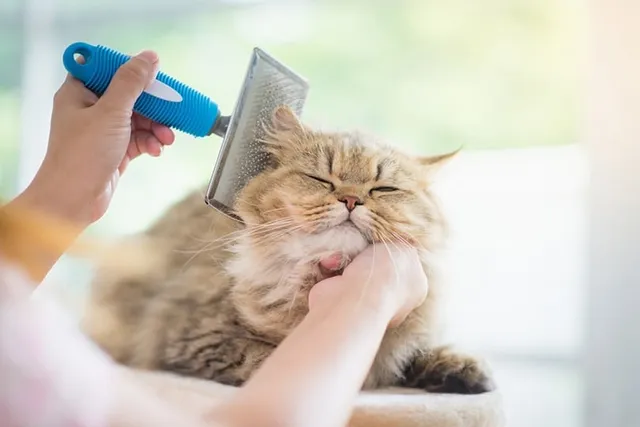
You’re probably familiar with the slicker brush, as it's a fairly popular brush type. It has very fine metal pin teeth clustered together on a flat or curved brush head. Those metal pins are excellent for removing loose fur from a kitty’s coat and working out tangles and mats. Plus, they’re pretty great at stimulating your cat’s natural oils for a nice shine to your pet’s coat. However, those pins can also sometimes be sharp, so you’ll need to be careful with this one. While they can be used for any type of cat, the slicker brush works exceptionally well on felines with medium to long hair that tend to shed a lot.
Pros
- Great for all coat types
- Great for shedders
- Works out tangles and mats
Cons
- Must be used carefully, as the pins can be sharp
8. Undercoat Rake
- Our Pick: Pet Republique Dog & Cat Undercoat Rake

Chances are you won’t use this type of brush (which, yes, is more of a rake) unless your cat has an undercoat that sheds a lot or is prone to matting. If your cat does have an undercoat or a lot of mats, you’ll love the undercoat rake, as it uses metal tines to cut through even the densest of fur to get rid of loose fur and nasty mats. While they tend to be fairly heavy-duty, they’re also designed to not pull at clumps of hair while getting rid of mats, so your pet doesn’t have to go through a painful brushing.
Pros
- Works out mats
- Great for shedders
Cons
- All cats may not need it

How Often Should I Brush My Cat?
Now you know the types of brushes available, the question is how often you should be brushing your cat. Honestly, you only need to brush your pet once or twice a week for them to receive the benefits of it, for the most part. If you have a cat with longer hair or fur that’s prone to tangles and mats, you might want to brush them an extra time a week to work through any fur problems. But the majority of cats will only require brushing or two each week for a healthy coat!

Final Thoughts
Regularly brushing your favorite feline offers a host of benefits (and not just for them!). However, deciding which brush is the best to use can be difficult since there are so many types out there. Now that you know what’s available, you can pick the brush (or brushes) that will work best at de-shedding your pet and keeping their coat healthy and shiny. Most cats will only require brushing once or twice a week, but if you have a cat with long hair or mats, you may need to add an extra weekly brushing to that number.
Sources
Featured Image Credit: VeronArt16, Shutterstock
Expert cat care, straight to your inbox
News, insights, and useful advice, delivered to you.

No spam — unsubscribe anytime.
By signing up, you agree to our Terms & Conditions and Privacy & Cookies Policy.
How useful was this post?
Click a star to rate. You can leave written feedback afterwards. (We read all feedback.)
Misty Layne lives out in the woods in small-town Alabama with her two Siamese cats —Serafina and Jasper. She also has an array of stray cats, raccoons, and opossums who like to call her front porch home. When she’s not writing about animals, you’ll find her writing poetry, stories, and film reviews (cats, by far, her favorite writing topic, though!). In her free time, Misty enjoys chilling with her cats, playing piano, watching indie and foreign films, photographing abandoned places, and catching up on her never-ending TBR list.